Moonlit Sanctuary: is it worth it over Healesville or the zoo?
Melbourne: Moonlit sanctuary conservation park entry ticket
Moonlit Sanctuary versus the bigger names: the honest comparison
Quick answer: Moonlit Sanctuary Conservation Park, on the way to the Mornington Peninsula, is a smaller, more intimate wildlife park than Healesville Sanctuary or the Werribee Open Range Zoo, and it’s genuinely worth choosing over those larger options specifically for close hand-feeding encounters with kangaroos and wallabies, a shorter time commitment (2-3 hours versus a full day), and a lower entry price (roughly 25-30 AUD versus Healesville’s higher rate). It’s not a substitute for Healesville if you specifically want koalas or a raptor free-flight show — those remain Healesville’s stronger draw.
| Where | On the way to the Mornington Peninsula, south-east of Melbourne |
| Cost | Around 25-30 AUD adult entry |
| Time needed | 2-3 hours |
| Getting there | Easiest self-driving; limited standalone public transport |
| Best time | Daytime for hand-feeding; check for evening/twilight nocturnal sessions |
What makes Moonlit Sanctuary’s approach distinctive
Moonlit Sanctuary’s core appeal is proximity and access — walk-through enclosures where kangaroos and wallabies roam freely among visitors, allowing genuine hand-feeding at close range rather than viewing animals from behind a barrier. This style of encounter suits families with young children particularly well, since the park’s manageable size and less overwhelming scale make it an easier visit than a full-day wildlife park commitment. As the name suggests, the sanctuary also has a nocturnal and native-species focus, with some evening or twilight sessions offering a genuinely different visit from the standard daytime experience — check current session availability, since evening access varies seasonally.
Combined with Brighton’s bathing boxes
book the Moonlit Sanctuary and Brighton bathing boxes combined tourA logical pairing given both sit in a broadly similar direction from central Melbourne — combining a wildlife stop with a short, colourful photo opportunity at Brighton’s bathing boxes into a single half-day or full-day tour. This suits travellers wanting a varied day (nature plus a distinctive photo stop) without dedicating separate outings to each.
Comparing against Healesville Sanctuary
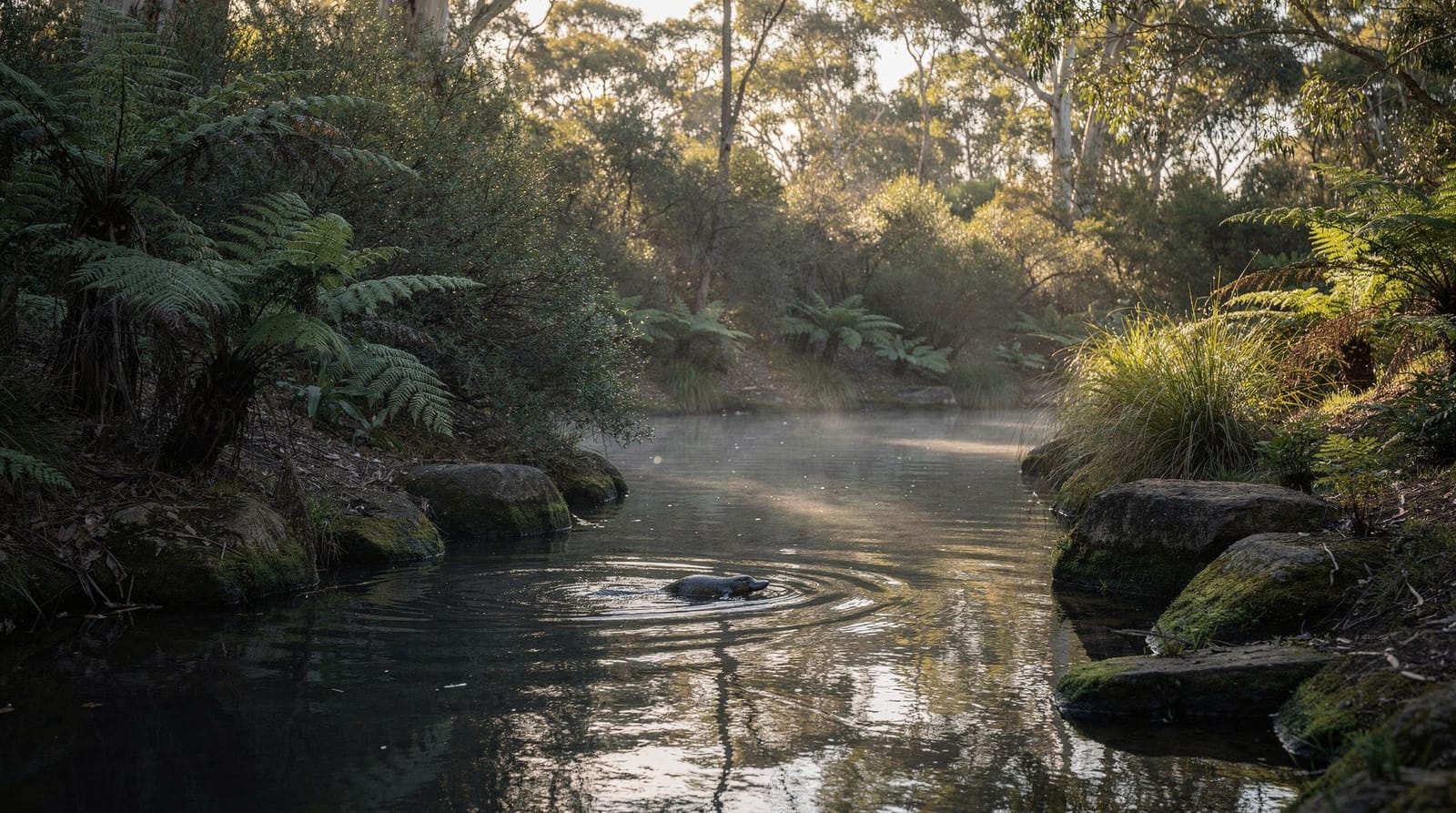
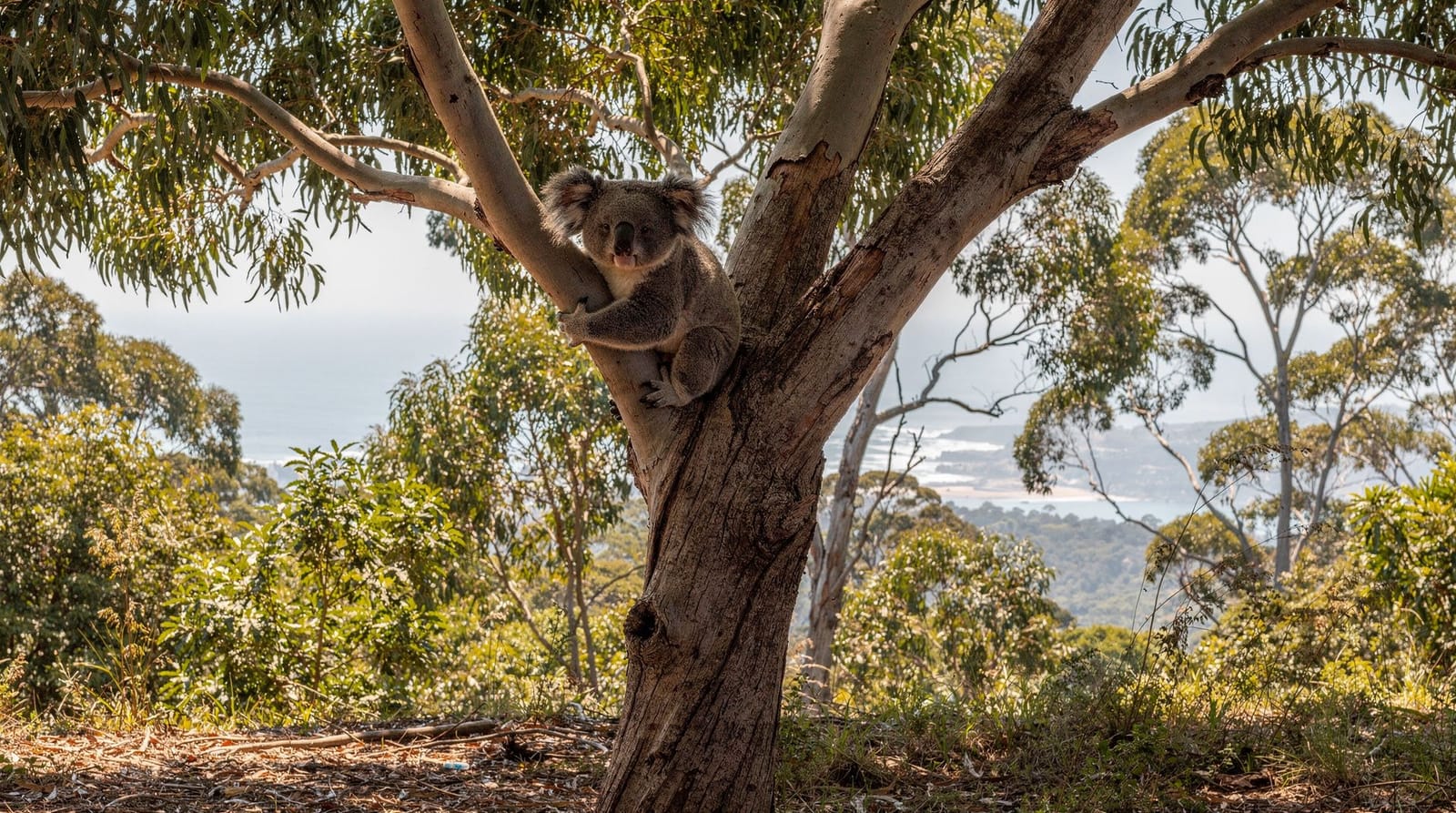
compare against Healesville Sanctuary general admissionHealesville Sanctuary, in the Yarra Valley, is the larger, more comprehensive option — koalas, Tasmanian devils, platypus, and a well-regarded raptor free-flight show, all in a bigger park requiring closer to a full day to properly explore. It’s the better choice if koalas specifically are a priority (Moonlit Sanctuary’s species mix leans more toward kangaroos, wallabies and smaller native animals), or if you want to combine wildlife with a Yarra Valley wine stop in the same day. Moonlit Sanctuary wins on hand-feeding intimacy, shorter time commitment, and lower cost.
Comparing against Werribee Open Range Zoo
compare against Werribee Open Range Zoo entryWerribee Open Range Zoo takes a different approach again — a safari-style bus tour through open savanna-style enclosures housing African and other non-native species (giraffes, rhinos, zebras) alongside some native wildlife, more geared toward a broader “safari experience” than Moonlit Sanctuary’s close, hands-on native-species focus. Choose Werribee if a safari-bus format specifically appeals or if non-native species are part of what you’re looking for; choose Moonlit Sanctuary if native Australian wildlife and hand-feeding access are the priority.
Price and time comparison at a glance
- Moonlit Sanctuary: roughly 25-30 AUD, 2-3 hours, best for hand-feeding kangaroos/wallabies and a manageable family visit
- Healesville Sanctuary: higher entry price, closer to a full day, best for koalas, Tasmanian devils and the raptor show
- Werribee Open Range Zoo: comparable pricing to Healesville, safari-bus format, best if non-native species and a different touring style appeal
Who this suits, and who it doesn’t
Suits: families with young children wanting an easier, shorter wildlife visit, travellers combining wildlife with another Mornington Peninsula or bayside stop on the same day, and anyone specifically wanting hand-feeding access to kangaroos and wallabies.
Doesn’t suit: travellers specifically prioritising koalas (Healesville is the stronger choice) or wanting a full-day wildlife-park commitment with the broadest possible range of species.
Is it worth it? Our honest verdict
Yes, for what it’s built for — a shorter, more intimate, lower-cost wildlife encounter that’s genuinely well-suited to families and anyone wanting close hand-feeding access without a full-day commitment. It’s not the right choice if koalas or the broadest possible species range are your priority; Healesville Sanctuary remains the stronger pick for that specific traveller. Many visitors are well served by choosing one or the other based on priorities rather than assuming either is a universal “best” option.
What a typical Moonlit Sanctuary visit actually looks like
Most visits begin with a walk through the park’s open enclosures, where kangaroos and wallabies roam freely among the pathways rather than being confined behind fencing — feed can be purchased on-site for hand-feeding, and staff are generally on hand to guide correct technique for first-timers unfamiliar with feeding wild-adjacent animals safely. Beyond the marsupial enclosures, the park houses a range of smaller native species — birds, reptiles and nocturnal animals in dedicated, more traditionally enclosed habitats suited to species that wouldn’t do well in an open walk-through setting.
Guided keeper talks run at set times throughout the day at many wildlife parks of this style; check the current schedule on arrival, since these sessions often provide the most detailed information about specific animals’ behaviour and conservation status, adding meaningful context beyond a self-guided wander.
Getting to Moonlit Sanctuary
The park sits on the way toward the Mornington Peninsula from central Melbourne, making it a natural stop if you’re already planning a day trip in that direction rather than a standalone destination requiring its own dedicated outing. Self-driving gives the most flexibility for combining it with other Mornington Peninsula stops (hot springs, coastal lookouts, wineries); if you don’t have a car, the combined tour with Brighton’s bathing boxes above is the more practical option, since standalone public transport to the sanctuary itself is limited compared with more central Melbourne attractions.
Conservation focus: what sets it apart from a standard petting zoo
Despite the accessible, hands-on feel of walking among kangaroos and wallabies, Moonlit Sanctuary positions itself as a conservation-focused organisation rather than a pure entertainment venue, with breeding programs for several threatened native species and an emphasis on education around habitat loss and introduced-species impacts on Australian wildlife.
This distinction matters for travellers specifically seeking responsible wildlife tourism over photo-opportunity-driven operations — asking about a park’s conservation credentials and breeding program involvement (rather than assuming all wildlife parks are equivalent) is a reasonable due-diligence step, and Moonlit Sanctuary generally holds up well against that kind of scrutiny compared with less conservation-focused operators elsewhere in Australia.
Practical tips before you go
Bring small children with reasonable expectations around hand-feeding — while genuinely close-up, wildlife encounters are still guided by animal welfare considerations, and staff will manage feeding sessions to keep both visitors and animals comfortable. Check current opening hours and any evening/twilight session availability before planning your visit, since these can shift seasonally. Combine the visit with a broader Mornington Peninsula day (hot springs, coastal lookouts) if you’re already travelling in that direction, since Moonlit Sanctuary’s shorter time commitment leaves room for another stop on the same day.
Other ways to see native wildlife near Melbourne
Moonlit Sanctuary isn’t the only route to close wildlife encounters. Our kangaroo spotting guide covers spots where you can see wild, unfenced kangaroos for free, an entirely different (if less guaranteed) experience than hand-feeding within the park. For koalas specifically, the koala spotting Victoria guide compares Moonlit Sanctuary’s mix against dedicated koala-focused options. If you’re building a full day around wildlife rather than a single stop, the wildlife and nature 4-day itinerary sequences Moonlit Sanctuary, Healesville and Phillip Island into one trip. And if hot springs are part of your Mornington Peninsula plan, see our Mornington hot springs guide for how to combine the two.
Moonlit Sanctuary at a glance vs the alternatives
| Park | Typical cost | Time needed | Best for |
|---|---|---|---|
| Moonlit Sanctuary | ~25-30 AUD | 2-3 hours | Close hand-feeding, shorter visit, families with young children |
| Healesville Sanctuary | Higher entry | Closer to a full day | Koalas, Tasmanian devils, raptor free-flight show |
| Werribee Open Range Zoo | Comparable to Healesville | Half day to full day | Safari-bus format, non-native species |
Is this a good fit for a family day out?
For families travelling with young children, Moonlit Sanctuary’s shorter time commitment and manageable scale generally make it an easier addition to a broader Melbourne itinerary than a full-day wildlife park. See our Melbourne with kids guide for how a stop like this fits alongside other family-friendly activities, and the Brighton bathing boxes destination guide if you’re pairing the sanctuary with the nearby beach boxes for photos.
Compare alternative tours
Frequently asked questions about Melbourne
How much does Moonlit Sanctuary cost?
General admission typically runs roughly 25-30 AUD for adults, with family rates bringing the per-person cost down. This is meaningfully cheaper than Healesville Sanctuary's entry, reflecting Moonlit Sanctuary's smaller scale.Is Moonlit Sanctuary better than Healesville Sanctuary?
They're different in scale and focus rather than one being objectively better. Moonlit Sanctuary is smaller, closer to Melbourne, and emphasises close hand-feeding encounters with kangaroos and wallabies; Healesville Sanctuary is larger, further away, and offers a broader range of species including koalas, Tasmanian devils and a raptor free-flight show.Can you hand-feed animals at Moonlit Sanctuary?
Yes — hand-feeding kangaroos and wallabies in a naturalistic, walk-through setting is one of Moonlit Sanctuary's signature experiences, generally more accessible and close-up than the more structured, distance-kept encounters at some larger wildlife parks.Is Moonlit Sanctuary good for nocturnal wildlife?
Yes, as its name suggests — it specialises in native nocturnal and native species, with some evening or twilight sessions offering a genuinely different experience from a standard daytime wildlife park visit. Check current session times, since evening access varies seasonally.How long should I budget for a Moonlit Sanctuary visit?
Roughly 2-3 hours for a thorough visit, shorter than a full-day commitment like Healesville Sanctuary or the Werribee Open Range Zoo, making it easier to combine with another activity on the same day.Is Moonlit Sanctuary suitable for young children?
Yes, generally very well suited — the hand-feeding experiences and manageable size make it an easier, less overwhelming visit for young children than a larger wildlife park, without sacrificing genuine close-up wildlife encounters.Is Moonlit Sanctuary open at night, or only during the day?
Both — standard daytime admission runs the walk-through hand-feeding experience, while separate evening or twilight sessions (where scheduled) focus on the park's nocturnal native species. Check current session times before planning an evening visit, since these vary seasonally and aren't offered every night.Do I need a car to get to Moonlit Sanctuary?
It helps considerably. The park sits on the way to the Mornington Peninsula, and standalone public transport options are limited compared with more central Melbourne attractions. If you don't have a car, the combined tour with Brighton's bathing boxes is the more practical route, since it includes return transport.