Mornington Peninsula
Bayside towns, cool-climate wineries and the Peninsula Hot Springs, an hour southeast of Melbourne — calm bay or ocean surf, and how to get there.
Melbourne: Peninsula hot springs tour from melbourne
Quick facts
- Distance from Melbourne CBD
- ~60-80 km, ~1h-1h15 drive
- Coastline
- Two sides — calm Port Phillip Bay and surf-facing Bass Strait
- Signature attraction
- Peninsula Hot Springs (Fingal/Rye)
- Wineries
- ~50 cellar doors, strong Pinot Noir and Pinot Gris region
- Main towns
- Mornington, Mount Martha, Sorrento, Portsea, Flinders
What’s the appeal of the Mornington Peninsula over the Great Ocean Road for a shorter trip? Distance, mainly — it’s about half the drive time, has two distinct coastlines within a single peninsula (a calm bay side and a surf-facing ocean side), and is the easiest place near Melbourne to combine wine, a beach, and a proper hot springs soak in one day. It doesn’t have anything as globally famous as the Twelve Apostles, but for a relaxed day or overnight trip that doesn’t demand a 4-5 hour round drive, it’s the more comfortable choice.
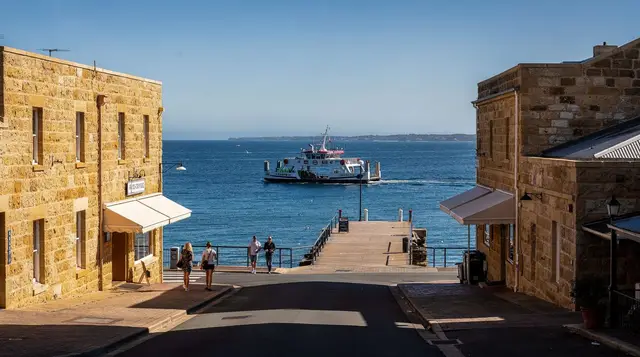
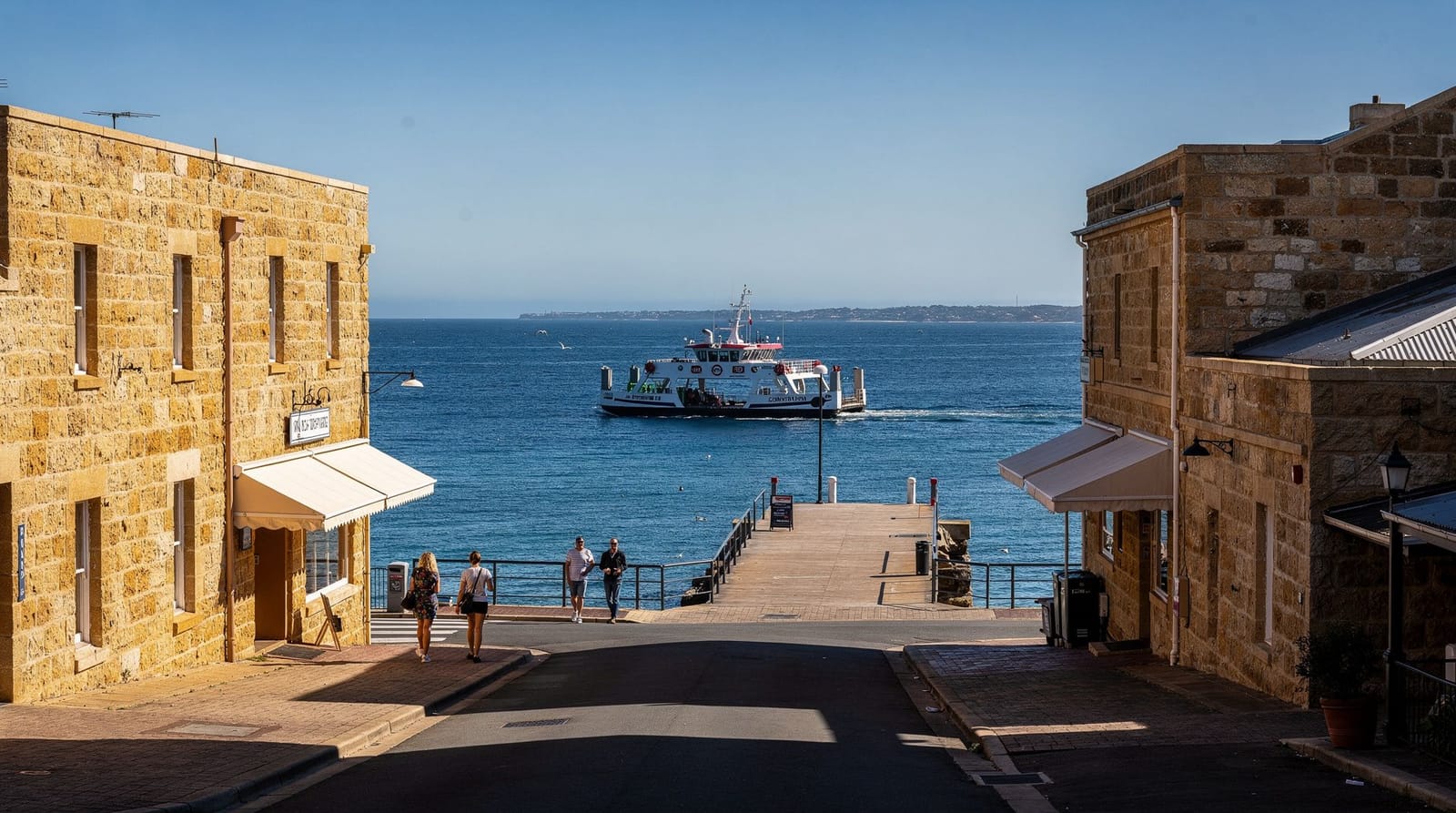
The peninsula runs roughly 60-90 km southeast of Melbourne between Port Phillip Bay and Bass Strait/Western Port, narrowing to a tip at Portsea and Point Nepean before the open ocean. The bay side (Mornington, Mount Martha, Sorrento’s front beach) is calm, warm-ish in summer, and family-friendly; the ocean/back-beach side (Sorrento back beach, Portsea back beach, Point Nepean, Flinders) has surf, cliffs, and rips that demand real respect.
| Where | ~60-80 km southeast of Melbourne, ~1h-1h15 drive |
| Hot springs entry | Around 45–95 AUD depending on session and bath area |
| Time needed | Full day trip, or one to two nights for both coasts |
| Getting there | Self-drive or organised tour; train-and-bus to bay-side towns only |
| Best for | Hot springs, cool-climate wine, two distinct coastlines |
Peninsula Hot Springs
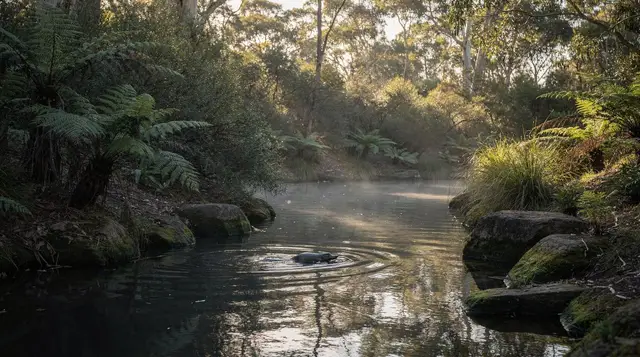
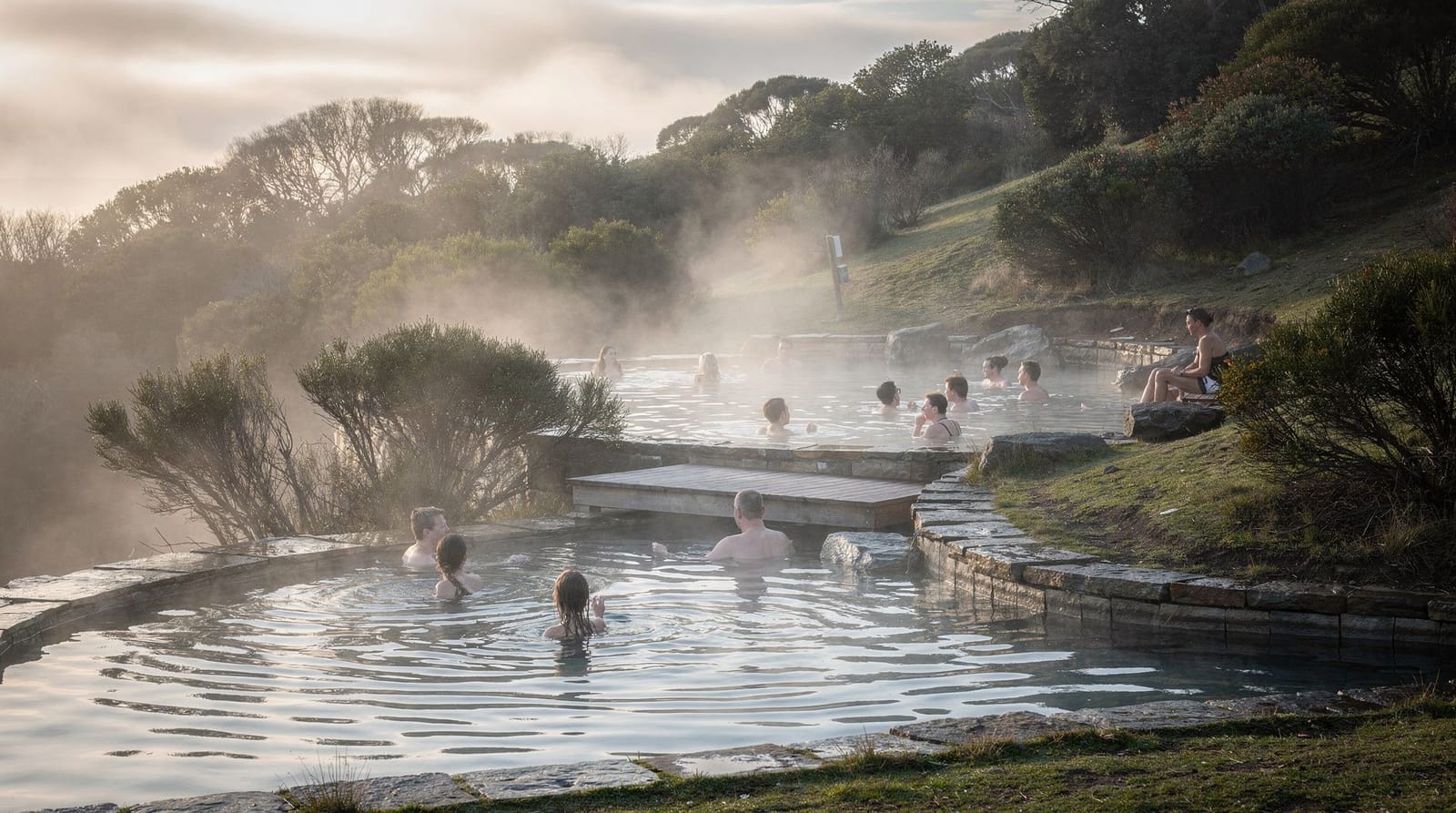
Peninsula Hot Springs, near Fingal at the peninsula’s southern end, is Australia’s original modern geothermal bathing complex, drawing on naturally heated mineral water from bores sunk more than 600 metres deep. The complex has grown well beyond a simple pool into a sprawling series of thermal baths, a hilltop bath area with peninsula views, a spa/wellness centre, and (seasonally) an amphitheatre-style bathing area. Entry is ticketed and timed, particularly on weekends, and it gets genuinely busy in winter when hot-water bathing is at its most appealing — booking ahead online, rather than turning up, is close to essential from June through August and on any weekend.
Peninsula Hot Springs day tour from MelbourneSeveral operators combine the hot springs with a wine or wildlife stop elsewhere on the peninsula as a full-day package — useful for visitors without a car, since the hot springs site itself is a 15-20 minute drive from the nearest town centre (Rye) and not practically reachable on foot or by casual public transport.
wildlife, wine, art and hot springs combination tourWine: a serious, less crowded alternative to the Yarra Valley
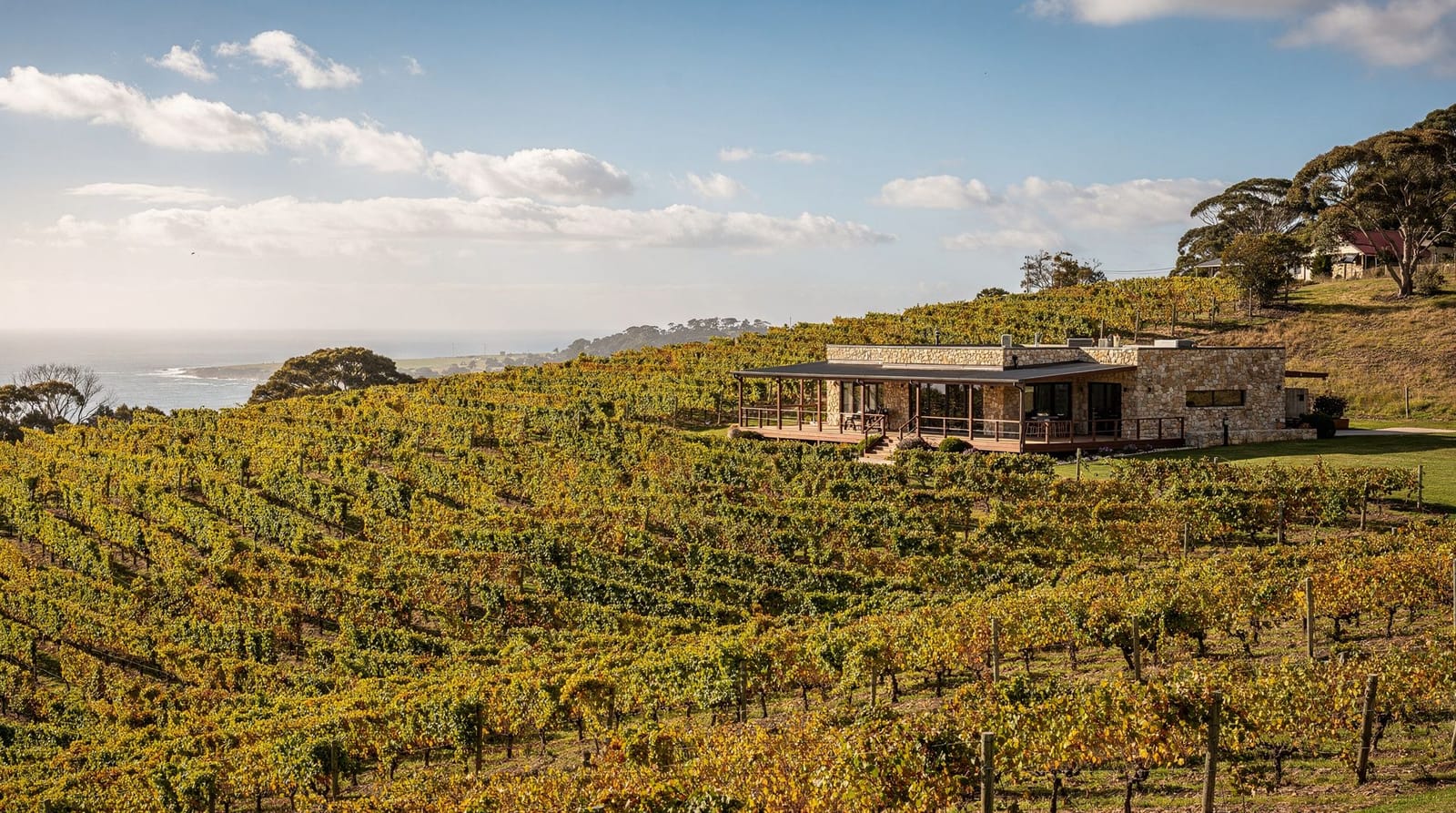
The Mornington Peninsula is one of Australia’s most respected cool-climate wine regions, with around 50 cellar doors concentrated mostly around Red Hill, Main Ridge and Merricks in the peninsula’s hilly centre. Pinot Noir and Pinot Gris/Grigio are the standout varieties, alongside strong Chardonnay. Well-known names include Ten Minutes by Tractor (three vineyards, one restaurant, named for the distance between them), Montalto, Port Phillip Estate, and Willow Creek — all clustered close enough together around Red Hill and Merricks for a self-driven loop without long transfers.
Compared with the Yarra Valley, the Mornington Peninsula’s cellar doors tend to be smaller and less geared toward large tour groups, with a reputation among Melbourne locals for a quieter, more relaxed tasting experience — though weekends in the Red Hill area still get busy, particularly around the monthly Red Hill Community Market (first Saturday of the month, plus additional dates in the lead-up to Christmas).
hot springs and winery combination tourThe two coasts
Bay side (facing Port Phillip Bay, the calmer inner coast): Mornington, Mount Martha, Dromana, Rye, and Sorrento’s front beach. Warmer, more sheltered swimming, colourful bathing boxes at Mount Martha and Dromana (smaller, less photographed cousins of the famous Brighton bathing boxes back in Melbourne). This side suits families and anyone wanting a straightforward, calm beach day.
Ocean side (facing Bass Strait, the open “back beach” coast): Sorrento back beach, Portsea back beach, Point Nepean, Cape Schanck, Flinders. Dramatic cliffs, real surf, and genuinely dangerous rips at several beaches — Portsea back beach in particular has a history of serious incidents and should not be swum at without checking flags and conditions. Cape Schanck’s boardwalk and lighthouse, at the peninsula’s southwestern tip, is one of Victoria’s most striking coastal viewpoints and a worthwhile stop even for non-swimmers.
Distilleries and other producers
Beyond wine, the peninsula has a growing cluster of craft distilleries and breweries — gin, in particular, has become a local specialty, following the broader Victorian craft-spirits trend also visible in Healesville’s Four Pillars. A private distillery tour is one way to see several producers in a day without navigating the back roads yourself.
private Mornington Peninsula distillery tourSculpture parks and art
Pt. Leo Estate, on the peninsula’s southern coast near Merricks, combines a working vineyard and restaurant with a genuinely significant outdoor sculpture park — around 50 works by major Australian and international artists set across coastal parkland, free to walk through if you’re a paying visitor to the estate. It’s one of the more unexpected cultural stops in regional Victoria and easy to combine with a wine tasting at the same site. Montalto, nearby, also runs a smaller sculpture trail through its vineyard. Both reward at least an hour of unhurried walking rather than a drive-by stop.
Food beyond wine
The peninsula has developed a genuine food identity beyond its cellar doors: Merricks General Store does well-regarded casual dining in a converted 1926 store; The Woodmans in Red Hill is popular for produce-driven regional cooking; and the growing distillery and craft brewery scene (see above) has added tasting rooms and casual food to several producers who were wine or gin-only a decade ago. Farm-gate stalls selling local berries, apples and honey are common along the back roads between Red Hill and Main Ridge, especially in late summer and early autumn — worth a stop if driving rather than touring.
Family activities
Beyond the calmer bay beaches, Arthur’s Seat appeals to families for the gondola ride alone, and the Enchanted Adventure Garden near the summit adds a treetop rope course, giant slide, and maze aimed squarely at children. Moonlit Sanctuary Wildlife Conservation Park, on the peninsula’s northern edge near Pearcedale, is a dedicated wildlife park with native Australian species (koalas, quokkas, dingoes) in a more intimate, walk-through setting than the larger zoos closer to Melbourne — a reasonable alternative if Healesville Sanctuary is out of the way for a peninsula-focused itinerary.
A sample day plan
Wine and hot springs combined (the most common single-day itinerary): morning at Peninsula Hot Springs (book an early or late-morning session to beat the midday queues), lunch at a Red Hill or Main Ridge cellar door restaurant, one or two afternoon wine tastings around Red Hill/Merricks, home by early evening. Coastal focus instead: Sorrento or Portsea for the morning (see the dedicated Sorrento & Portsea page), Cape Schanck boardwalk and lighthouse in the early afternoon, Arthur’s Seat lookout on the way back for a final view over the bay before returning to Melbourne.
Practical information
Mobile signal is generally reliable in the main towns (Mornington, Sorrento, Rye) but patchy around the hinterland wine roads and at Cape Schanck. Parking is free and plentiful at the hot springs, wineries and beaches, though weekend parking around central Sorrento and Portsea gets tight in summer — arrive early or expect a short walk from an overflow area. Fuel up before heading to the peninsula’s tip; petrol stations thin out past Sorrento.
Getting there and getting around
By car, the drive from Melbourne is roughly 60-80 km depending on the destination town — about an hour to Mornington or Mount Martha, closer to an hour and a quarter to Sorrento or Portsea at the peninsula’s tip. Public transport reaches the bay-side towns reasonably well (train to Frankston, then bus down the peninsula), but the wineries, hot springs, and back-beach areas are spread out enough that a car or an organised tour is the realistic option for covering more than one town in a day.
Remember Australia drives on the left; the peninsula’s back roads around Red Hill and Main Ridge are hilly and winding, worth driving cautiously rather than quickly, especially at dusk when local wildlife (particularly kangaroos and wallabies near Arthur’s Seat and the hinterland) crosses roads.
Arthur’s Seat, near Dromana, is the peninsula’s high point (305 m) with a gondola (the Arthur’s Seat Eagle) running from the base to the summit, and sweeping views back across the bay to Melbourne’s skyline on a clear day.
Where to stay
Sorrento and Portsea hold the peninsula’s most upmarket accommodation and are covered in detail on the Sorrento & Portsea page. Mornington and Mount Martha offer more affordable, family-oriented options closer to the bay and to Melbourne. Red Hill’s guesthouses put you closest to the wine region if that’s the priority for an overnight stay.
Point Nepean and the peninsula’s military history
Point Nepean National Park, past Portsea at the very tip of the peninsula, was a quarantine station from the 1850s (processing new arrivals suspected of carrying infectious disease) and later a coastal defence fort guarding the entrance to Port Phillip Bay through both World Wars. Fort Nepean’s gun emplacements and tunnels are still explorable, and the park’s walking trails cover both the historic buildings and genuinely dramatic clifftop coastal scenery looking out toward the Bass Strait shipping channel — the same channel referenced in Melbourne’s “Rip” (the narrow, notoriously dangerous tidal entrance to the bay, visible from the fort).
A seasonal shuttle bus runs the 5 km from the park entrance to the fort in summer; outside that season, it’s a fairly long walk or a cycle.
Regional context: why choose the peninsula over the coast or the valley
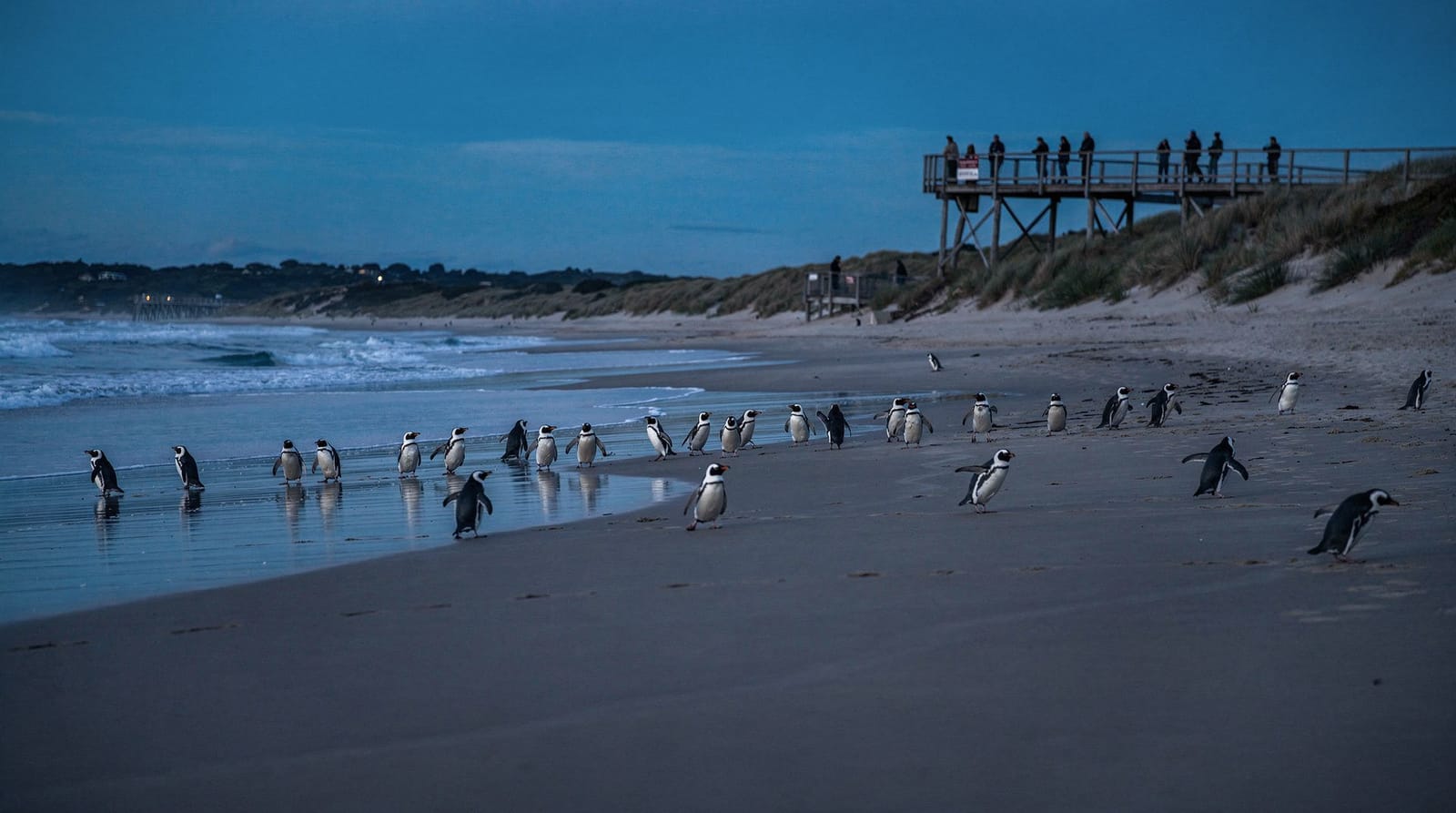
For visitors weighing up Victoria’s day-trip regions, the Mornington Peninsula’s main advantage is its shorter drive time combined with genuine variety in one place — wine, hot springs, two different coastlines, and a wildlife park, all within an hour of the CBD. The Great Ocean Road has more dramatic scenery but demands most of a day just in transit; Phillip Island, just across Western Port from the peninsula’s eastern side, adds penguins but is a separate destination requiring its own dedicated day (see that page for the crossing options).
Many visitors building a longer Victoria itinerary pair a Mornington Peninsula day with a separate Phillip Island day rather than trying to combine both, since the drive between the two — around Western Port rather than across it — takes longer than the straight-line distance suggests.
Honest take: what’s worth the detour
The hot springs genuinely deliver on the hype for most visitors, but the crowding at peak times (winter weekends especially) is real — book a specific time slot rather than assuming you can turn up and queue in. The wine region rewards a slower, more self-directed visit than a rushed checklist of cellar doors; if you only have time for one wine region on a Melbourne trip and want a quieter experience than the Yarra Valley’s tour-bus traffic, the Mornington Peninsula is the better pick.
Point Nepean National Park, at the very tip past Portsea, is underrated relative to its fame — a former quarantine station and military fort with genuine historical depth, walking trails, and (in season) a shuttle bus to the far end, but it gets far fewer visitors than the hot springs or wineries despite being just as worthwhile for an afternoon.
Bay side vs ocean side: which towns to pick
| Bay side | Ocean side | |
|---|---|---|
| Towns | Mornington, Mount Martha, Rye, Sorrento front beach | Sorrento/Portsea back beach, Point Nepean, Flinders |
| Swimming | Calm, warmer, family-friendly | Real surf, dangerous rips at several beaches |
| Best for | Families, casual swimming | Cliff walks, dramatic scenery, experienced surfers |
| Signature stop | Bathing boxes at Mount Martha/Dromana | Cape Schanck boardwalk and lighthouse |
Flinders and the peninsula’s quieter southeastern corner
Flinders, on the peninsula’s southeastern ocean coast beyond Cape Schanck, is quieter and less visited than Sorrento or Portsea, with a golf course perched dramatically on the clifftop and a scattering of cafes rather than a dense main strip. It’s a good stop for visitors who’ve already done the bigger towns and want a genuinely lower-key coastal outlook, or a base for exploring the ocean-side beaches without Portsea and Sorrento’s summer crowds. The drive between Flinders and Cape Schanck also passes some of the peninsula’s more dramatic clifftop farmland views, worth the detour even without stopping.
Peninsula Hot Springs and bathing boxes combined tourGolf on the peninsula
Beyond Flinders’ clifftop course, the Mornington Peninsula has developed a genuine reputation among Australian golfers, with several highly regarded courses scattered through the hinterland and along the coast, including designs that make deliberate use of the peninsula’s dramatic coastal topography rather than flat, generic fairways. It’s not the primary reason most visitors come, but for a golf-focused day or half-day it’s a real drawcard in its own right, and several courses welcome visiting players without requiring club membership — worth checking individual course policies and booking a tee time ahead, particularly on weekends when local members have priority.
A weekend itinerary for two nights
Day one: arrive late morning, check in around Red Hill or Sorrento, an afternoon of two or three wine tastings around Red Hill and Merricks, dinner at a cellar-door restaurant or Merricks General Store. Day two: morning at Peninsula Hot Springs (book an early session), afternoon exploring Sorrento or Portsea’s back beaches and Point Nepean, sunset at Cape Schanck’s boardwalk and lighthouse. Day three (departure): a final wine tasting or the Enchanted Adventure Garden if travelling with children, Arthur’s Seat gondola for a last view over the bay before the drive back to Melbourne. This pace gives proper time to both coasts and the wine region without the rushed feel of a single-day visit, and suits couples or small groups wanting a relaxed short break rather than a checklist day trip.
Frequently asked questions about the Mornington Peninsula
How far is the Mornington Peninsula from Melbourne?
About 60-80 km depending on the town, roughly an hour to an hour and a quarter by car from the CBD.
Do I need to book Peninsula Hot Springs in advance?
Yes, effectively — entry is ticketed with timed sessions, and weekends plus the entire winter season (June-August, the most popular time to bathe in hot water) sell out regularly. Book online ahead rather than turning up.
Which side of the peninsula is safer for swimming?
The bay side (Mornington, Mount Martha, Sorrento front beach) is calmer and more suited to families. The ocean/back-beach side (Sorrento back beach, Portsea back beach) has genuine surf and dangerous rips — always swim between the flags and check conditions.
Is the Mornington Peninsula better than the Yarra Valley for wine?
Both are serious, well-regarded cool-climate wine regions. The Mornington Peninsula tends to feel quieter and less tour-bus-oriented; the Yarra Valley is closer to Melbourne and has more cellar doors overall. Many visitors do both on separate trips.
Can you visit the Mornington Peninsula without a car?
Partially — trains and buses reach the bay-side towns (Mornington, Mount Martha) reasonably well via Frankston, but the wineries, hot springs, and back-beach areas are spread out and better covered with a car or an organised tour.
Is one day enough for the Mornington Peninsula?
One day covers a realistic single focus — hot springs plus a coastal town, or two to three wineries plus lunch — but not the whole peninsula. An overnight stay lets you properly cover both the bay and ocean sides.
What’s the best time of year for the hot springs?
Winter (June-August) is the most atmospheric — steam rising off the pools in cold air — and also the busiest booking window. Spring and autumn offer a good balance of comfortable weather and slightly easier availability.
Is Point Nepean worth visiting?
Yes, and it’s less crowded than the hot springs or main wine strip — a former quarantine station and coastal fort with dramatic clifftop views over the entrance to Port Phillip Bay. Worth an afternoon if you have more than a single-focus day on the peninsula.
How does the Mornington Peninsula compare to Phillip Island?
They’re separate destinations on either side of Western Port and are usually visited on different days rather than combined — driving around Western Port between them takes longer than the map distance suggests. The peninsula offers wine, hot springs and two coastlines; Phillip Island is built around the Penguin Parade and other wildlife.
Is Flinders worth visiting on the Mornington Peninsula?
Yes, if you want a quieter alternative to Sorrento and Portsea — Flinders has a dramatic clifftop golf course and a handful of cafes rather than a busy main strip, and makes a good base for exploring the ocean-side beaches without peak-season crowds.
Top experiences
Bookable activities with verified prices and instant confirmation on GetYourGuide.