Healesville
Home to Healesville Sanctuary's platypus and Four Pillars Gin, at the eastern edge of the Yarra Valley — an hour and a quarter from Melbourne.
Healesville Sanctuary: Healesville sanctuary general admission ticket
Quick facts
- Distance from Melbourne CBD
- ~65 km, ~1h15 drive
- Signature attraction
- Healesville Sanctuary (Zoos Victoria)
- Notable first
- First captive platypus breeding success worldwide, 1943
- Craft distillery
- Four Pillars Gin
- Position
- Eastern gateway to the Yarra Valley, foot of the Black Spur
What makes Healesville Sanctuary different from Melbourne Zoo? It’s Australian-native-only, set in open bushland rather than a traditional city zoo layout, and it’s where the first successful captive breeding of a platypus happened anywhere in the world, in 1943 — a genuinely significant milestone in native species conservation, not just a marketing line. Healesville the town sits at the eastern edge of the Yarra Valley wine region, about 65 km and a little over an hour from central Melbourne, and functions as a natural add-on to a valley day trip for visitors who want wildlife alongside wine.
| Where | Healesville township, eastern Yarra Valley, ~65 km from Melbourne CBD |
| Sanctuary entry | Around 40–45 AUD adult, with family and concession pricing available |
| Time needed | Half day for the sanctuary alone; a full day combined with wine tasting or Puffing Billy |
| Getting there | Self-drive via the Maroondah Highway (~1h15) or an organised tour; public transport is slow |
| Best for | Platypus viewing, the Birds of Prey show, Four Pillars Gin, families |
Healesville Sanctuary
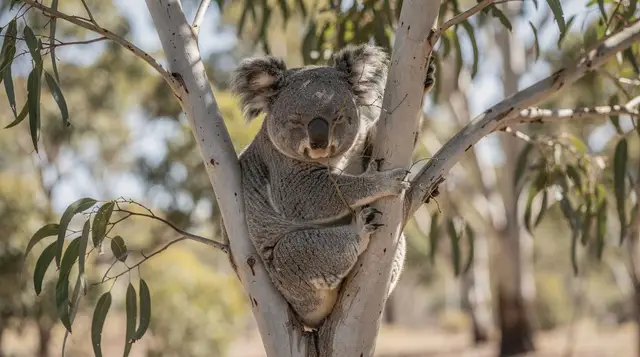
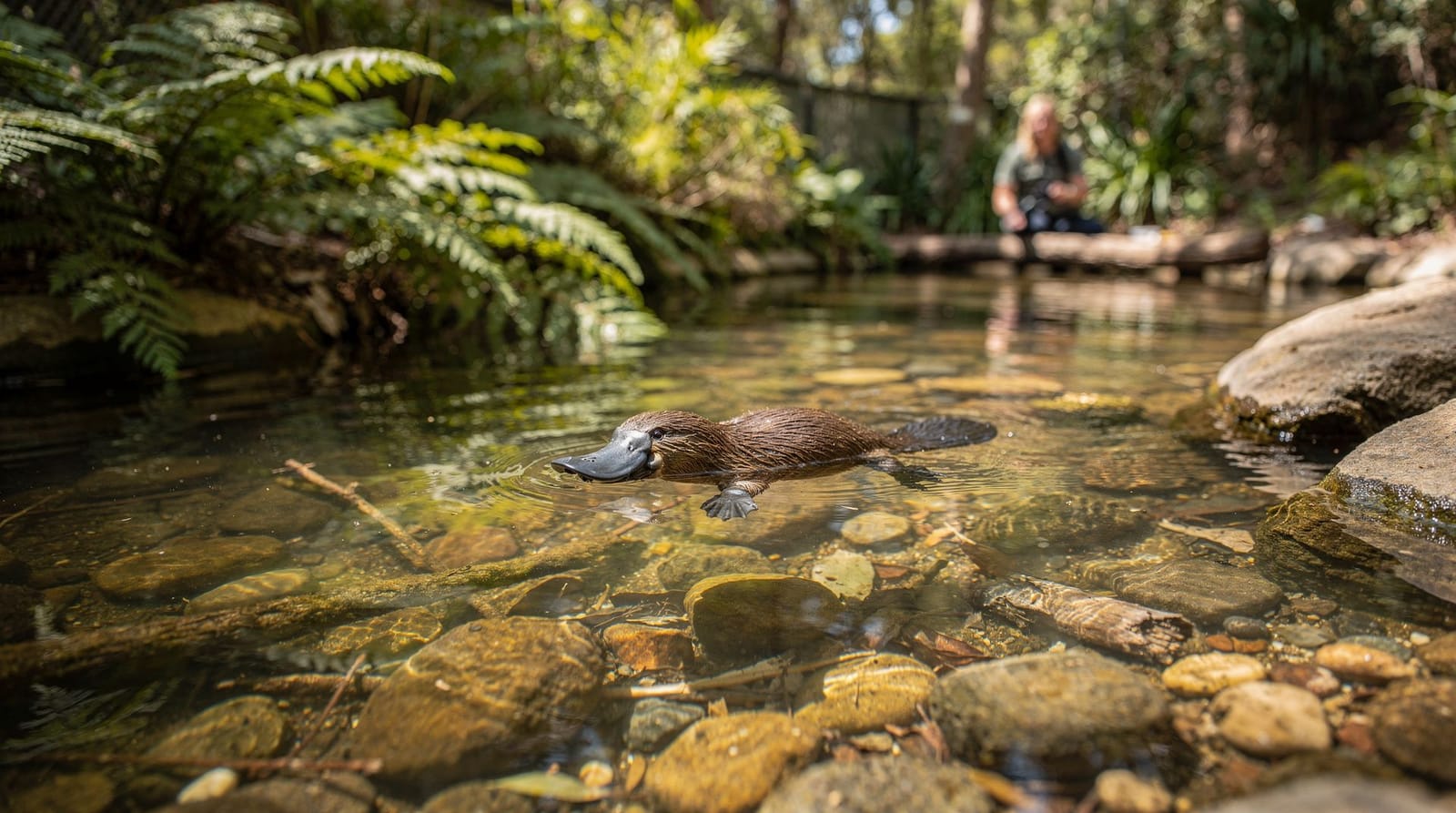
Run by Zoos Victoria (the same organisation behind Melbourne Zoo and Werribee Open Range Zoo), Healesville Sanctuary is dedicated entirely to Australian native species, set across bushland enclosures designed to feel closer to natural habitat than a conventional zoo. The platypus enclosure, with underwater viewing windows, is the sanctuary’s best-known drawcard — platypuses are notoriously shy and largely nocturnal in the wild, making a well-designed captive viewing area one of the more reliable ways to actually see one, rather than hoping for a wild sighting on a dawn or dusk creek walk elsewhere in Victoria.
Healesville Sanctuary general admission ticketThe sanctuary also houses Tasmanian devils, dingoes, wombats, echidnas, a walk-through kangaroo and wallaby enclosure, and a Birds of Prey flight display, where wedge-tailed eagles and other raptors fly at close range over the audience — a genuinely impressive show, scheduled at set times through the day rather than continuously, so it’s worth checking the daily program on arrival rather than assuming a show will be running whenever you happen to walk past.
The Australian Wildlife Health Centre, visible to visitors through viewing windows in parts of the sanctuary, treats sick and injured native wildlife brought in from across the region — a working veterinary hospital as much as a display, and a reminder that the sanctuary’s core mission is conservation and rehabilitation rather than pure entertainment.
Getting the timing right for the Birds of Prey show
The Birds of Prey flight display runs at set times through the day (typically two or three sessions, varying seasonally) rather than continuously, and it’s genuinely one of the sanctuary’s better-designed experiences — trained wedge-tailed eagles, black kites, and owls fly at close range low over the seating area, close enough that the reality of a wedge-tailed eagle’s wingspan (over two metres) becomes obvious in a way photos don’t convey. Missing it by poor timing is a common visitor regret; checking the daily program board near the entrance as soon as you arrive, and building the rest of the visit’s route around it, avoids this.
Four Pillars Gin
Four Pillars, founded in Healesville in 2013, is one of Australia’s most awarded craft gin distilleries, built on the back of Victoria’s broader boom in small-batch spirits over the past decade. The distillery’s cellar door and bar in the centre of Healesville township offers tastings, cocktails, and distillery tours, and is a straightforward, walkable stop if you’re already in town for the sanctuary — no need for a separate trip out to the valley floor.
Combining Healesville with the Yarra Valley
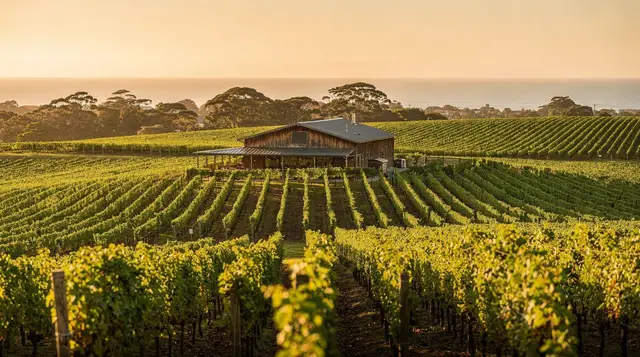
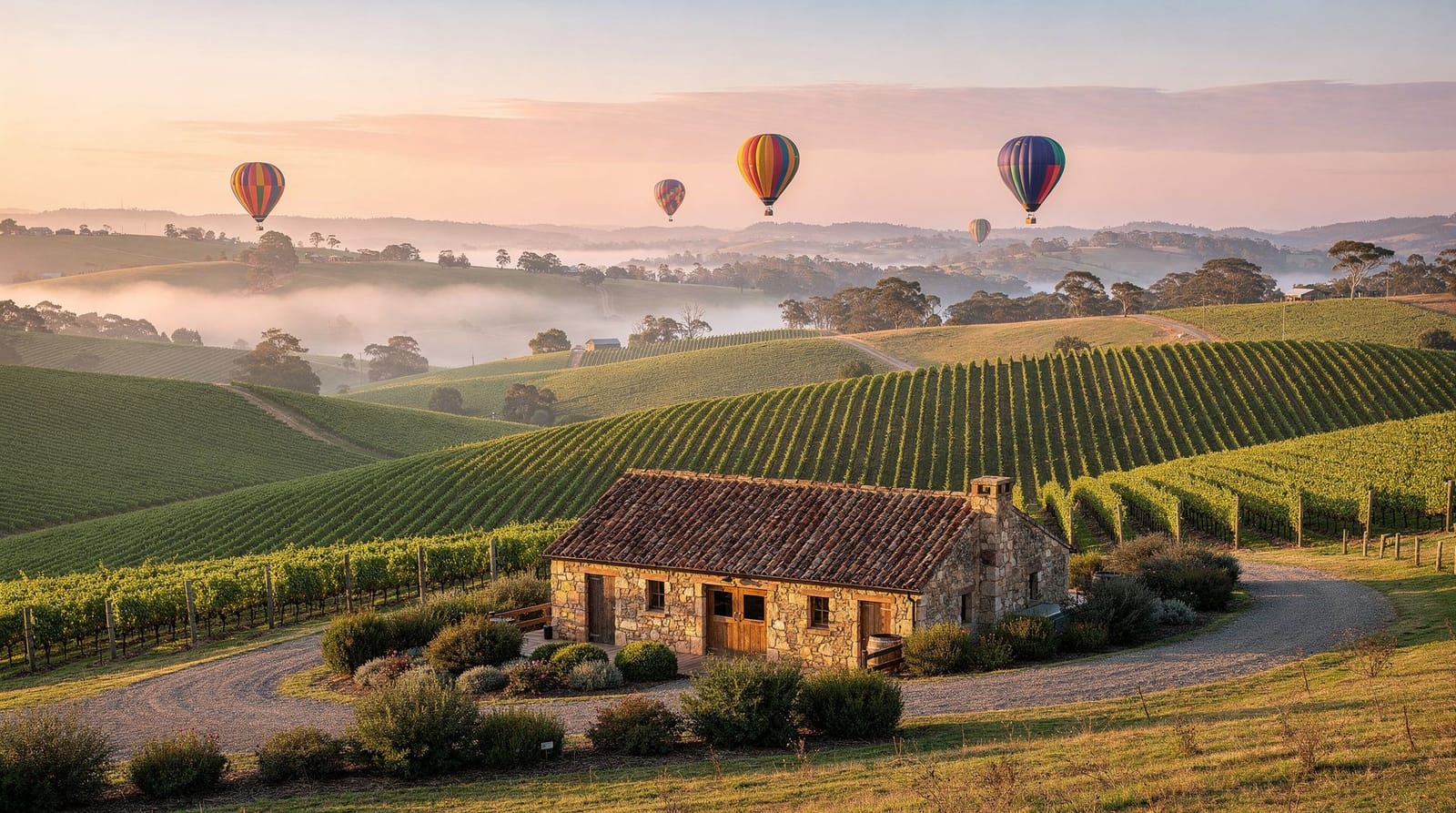
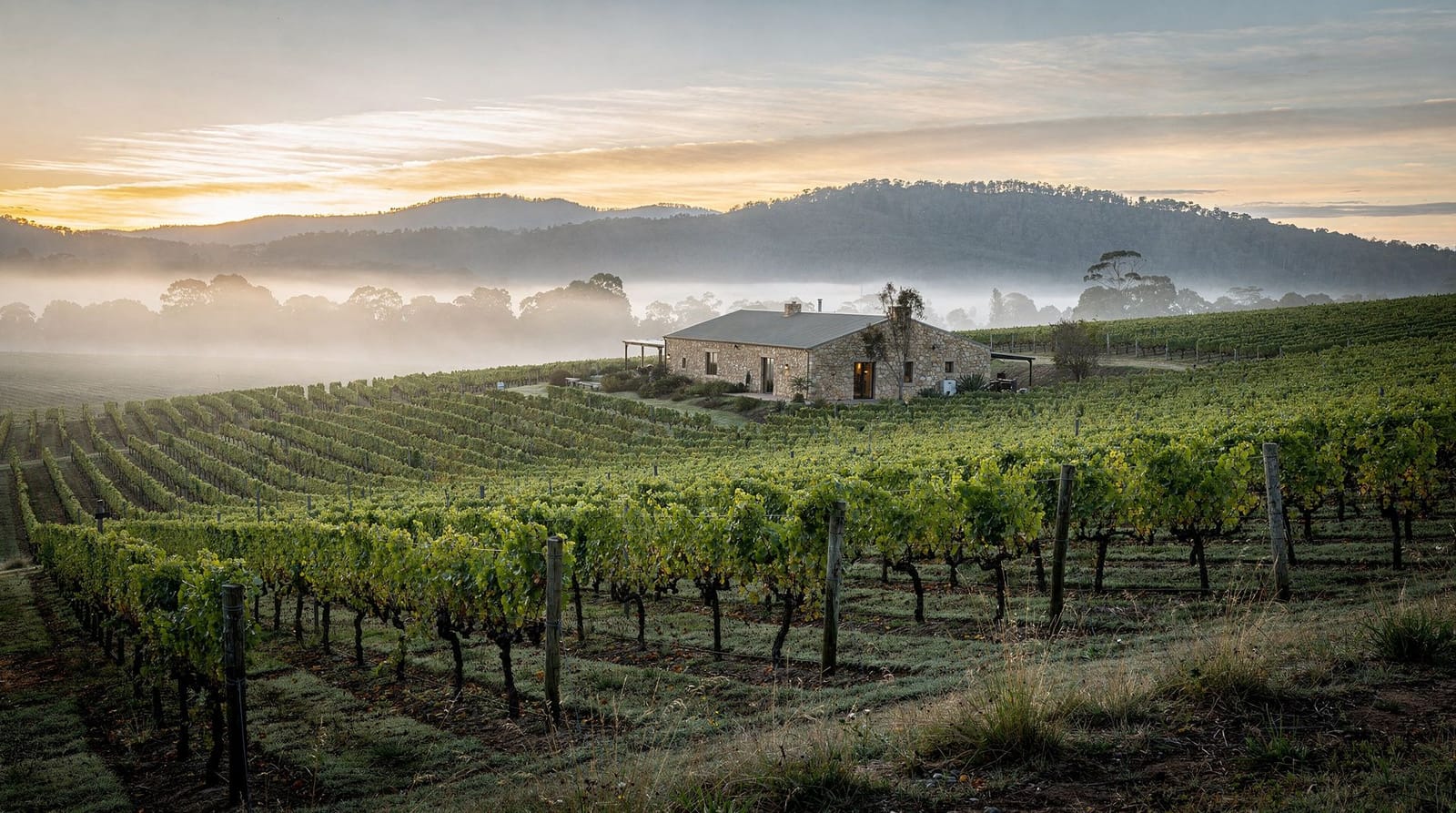
Healesville sits at the eastern, less densely packed end of the Yarra Valley wine region, close enough to Yarra Glen and Coldstream’s cellar doors that a single day combining a morning at Healesville Sanctuary with an afternoon of wine tasting is a realistic, popular itinerary — particularly for groups where not everyone is drinking, since the sanctuary gives non-tasters something substantial to do rather than tagging along on a wine-focused day.
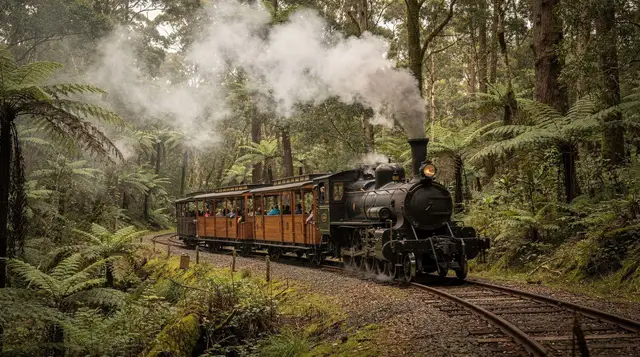
private Yarra Valley wine and Healesville Sanctuary tourSome operators also combine Healesville with the Dandenong Ranges’ Puffing Billy railway into a single, fuller day trip — a longer day, but one that covers wildlife, a heritage steam train, and forest scenery without needing three separate trips out of Melbourne.
Healesville Sanctuary and Puffing Billy combined day tourThe town itself
Healesville’s main street holds a modest but solid selection of cafes, the well-regarded Healesville Hotel gastropub, and the Four Pillars cellar door, making it a reasonable lunch stop even for visitors not planning to spend the whole day at the sanctuary. The town also marks the start of the Black Spur, a dramatic stretch of road through towering mountain ash forest leading toward Marysville — worth knowing about if continuing further into the ranges rather than looping back to Melbourne.
Conservation work beyond the platypus
Healesville Sanctuary’s breeding and rehabilitation programs extend well beyond its founding platypus success. The sanctuary has played a significant role in recovery programs for critically endangered species including the Tasmanian devil (part of Zoos Victoria’s broader insurance population program protecting the species against the transmissible facial tumour disease decimating wild populations in Tasmania) and various threatened frog and small mammal species largely invisible to casual visitors but central to the organisation’s actual conservation mandate. Signage throughout the sanctuary explains these programs in more depth than most visitors expect from what looks, at first glance, like a straightforward wildlife park.
Maroondah Reservoir Park
A short drive from Healesville township, Maroondah Reservoir Park combines a historic dam (completed in 1927, itself a heritage-listed structure) with forest walking trails and picnic grounds — a quieter, less commercial alternative to the sanctuary if you want a forest walk without an entry fee. The surrounding forest also supports a lyrebird population, similar to Sherbrooke Forest in the Dandenong Ranges, though less consistently visited or promoted for that purpose.
Practical information
Healesville Sanctuary has paved paths throughout most of the site, making it manageable with a pram or for visitors with limited mobility, though some sections involve gentle inclines given the bushland setting. Parking is free and extensive. Food options exist within the sanctuary but are limited and can queue up around midday; the town’s cafes and the Healesville Hotel are a short drive away and often a better lunch option if timing allows a break away from the site. Mobile signal is reliable in the town and at the sanctuary itself.
Getting there and getting around
By car, Healesville is about 65 km from central Melbourne via the Maroondah Highway, typically a little over an hour depending on traffic through the outer eastern suburbs. Public transport options are limited and slow (a train-and-bus combination via Lilydale), making a car or an organised tour the practical way to visit, consistent with the rest of the Yarra Valley region.
The Black Spur toward Marysville
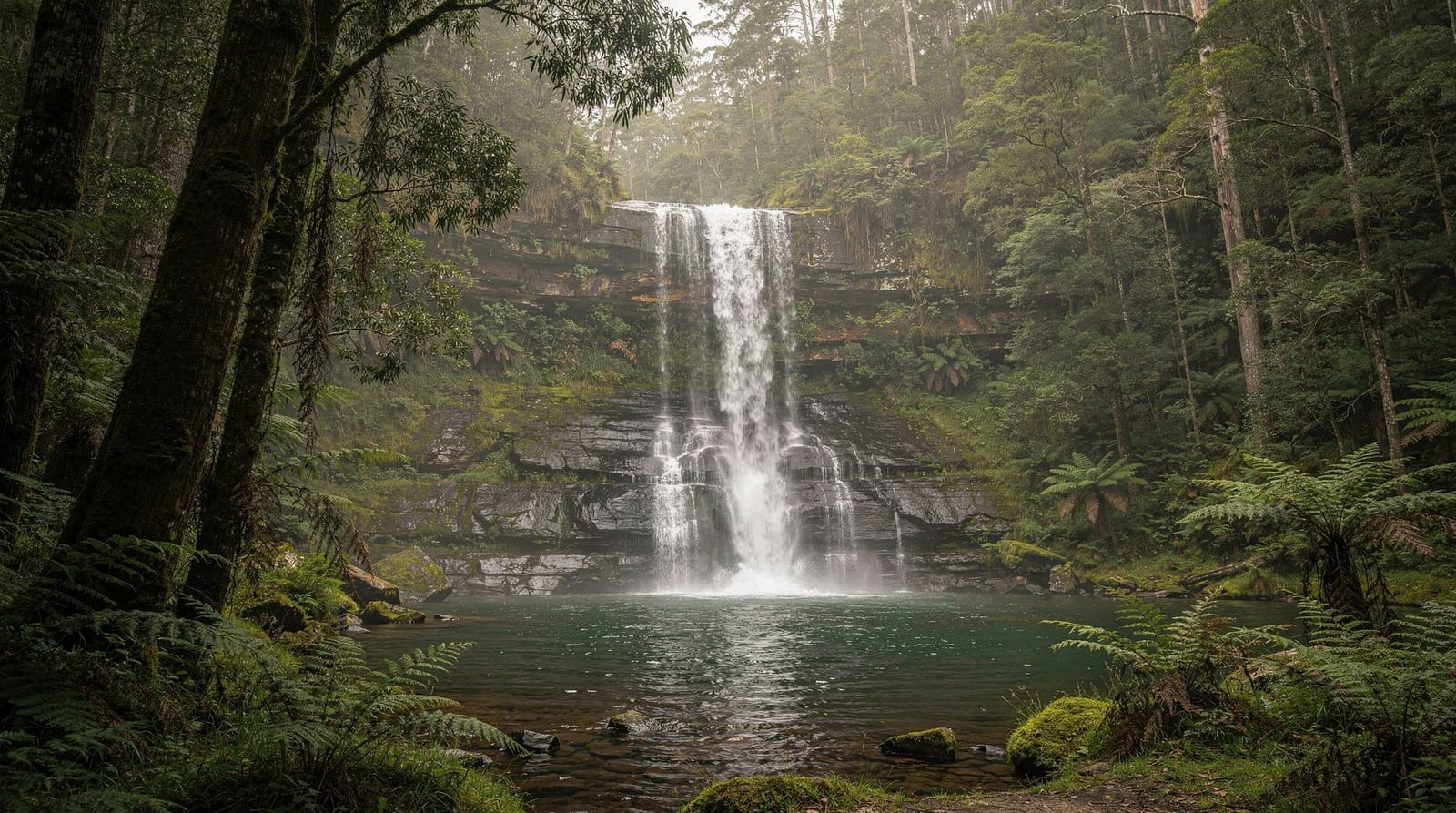
Just north of Healesville, the Black Spur carries the Maroondah Highway through one of Victoria’s most dramatic drives — towering mountain ash trees, some among the tallest flowering plants on Earth, forming a dense green tunnel over the road for several kilometres. It’s worth driving slowly and, traffic permitting, pulling over at one of the marked lookouts rather than treating it purely as a route to somewhere else. The road continues on to Marysville, about 45 minutes further, making Healesville a natural stopping point on a longer loop into the Upper Yarra region rather than a dead end.
A sample day plan
Wildlife-focused half day: arrive at Healesville Sanctuary by late morning, allow three to four hours to see the main enclosures and catch the Birds of Prey show, lunch at the Healesville Hotel or a cafe in town, home by mid-afternoon. Combined wine-and-wildlife day: sanctuary in the morning, a Four Pillars tasting or a light lunch in town around midday, then an afternoon of two or three cellar doors in Yarra Glen or Coldstream before heading back to Melbourne in the early evening.
Honest take: what’s worth prioritising
Healesville Sanctuary genuinely rewards a half day rather than a rushed hour — the site is large, walking between enclosures takes real time, and the Birds of Prey show is worth building the visit’s timing around rather than missing by accident. If choosing between Healesville Sanctuary and a wine-only Yarra Valley day, families and wildlife enthusiasts should prioritise the sanctuary; wine-focused visitors without children may prefer to spend the full day on cellar doors and treat Healesville as a shorter add-on, or skip it on this particular trip.
Badger Creek and the surrounding countryside
The Badger Creek valley, immediately around Healesville, holds a scattering of smaller wineries, orchards, and farm gates less well-known than the main Yarra Valley cluster around Yarra Glen and Coldstream — a quieter, more rural alternative for visitors who’ve already done the main cellar door circuit on a previous trip and want to explore further afield without leaving the general area. Roads here are narrow and winding, typical of the Yarra Valley’s hillier fringes, and best driven at a relaxed pace rather than treated as a through-route.
Healesville’s craft and produce scene beyond gin
Beyond Four Pillars, Healesville’s growing reputation as a food and drink destination extends to several smaller producers and a regular local farmers’ market, reflecting the town’s position at the crossroads of the Yarra Valley wine region and the Upper Yarra’s produce-growing areas. It’s a smaller, more concentrated version of the food-and-drink culture found throughout the valley, worth a slower browse if time allows beyond the sanctuary and the gin distillery.
Healesville Sanctuary vs Melbourne Zoo
Visitors weighing up whether to add Healesville Sanctuary to a Melbourne itinerary alongside — or instead of — Melbourne Zoo often find a straight comparison useful:
| Healesville Sanctuary | Melbourne Zoo | |
|---|---|---|
| Focus | Australian native species only | Global species, including natives |
| Setting | Open bushland enclosures, Yarra Valley | Inner-city Parkville zoo |
| Platypus | Yes, dedicated underwater viewing | No |
| Distance from CBD | ~65 km, ~1h15 drive | ~4 km, tram or train accessible |
| Best paired with | A Yarra Valley wine day | CBD sightseeing, no car needed |
Families with limited time and no car generally get more out of Melbourne Zoo’s convenience; those specifically chasing a platypus sighting, or already planning a Yarra Valley day, should prioritise Healesville.
The Lilydale–Warburton Rail Trail
Healesville sits just south of the Lilydale–Warburton Rail Trail, a disused railway corridor converted into a sealed, mostly flat cycling and walking path running roughly 40 km between Lilydale and Warburton through the Yarra Valley’s rolling countryside. It’s a gentler, longer-distance alternative to the shorter forest walks around the sanctuary itself, popular with cyclists doing a half-day out-and-back section rather than the full trail, and a good option for visitors who want to see the valley from something other than a car window or a cellar-door tasting room. Bike hire is available in Lilydale and several points along the route; the trail doesn’t run directly through Healesville township, but connecting side roads make it a realistic add-on for a more active day in the region.
Frequently asked questions about Healesville
How far is Healesville from Melbourne?
About 65 km, typically a little over an hour by car via the Maroondah Highway.
What is Healesville Sanctuary known for?
Australian native wildlife exclusively, and specifically the world’s first successful captive breeding of a platypus, achieved there in 1943 — a landmark in native species conservation.
Can you see a platypus at Healesville Sanctuary?
Yes, in a dedicated enclosure with underwater viewing windows — a considerably more reliable way to see one than hoping for a wild sighting, since platypuses are shy and mostly nocturnal in the wild.
Is Four Pillars Gin distillery open to visit without a tour?
Yes — the cellar door and bar in Healesville township are open to walk-in visitors for tastings and cocktails, with distillery tours available separately.
Should I combine Healesville with the Yarra Valley in one day?
Yes, this is a common and practical itinerary — Healesville sits at the eastern end of the Yarra Valley wine region, close enough to combine a morning at the sanctuary with an afternoon of wine tasting around Yarra Glen and Coldstream.
How long should I spend at Healesville Sanctuary?
A half day is realistic to see the main enclosures and catch the Birds of Prey flight display; wildlife enthusiasts and families with time to spare can easily fill a full day.
Is Healesville a good stop on the way to Marysville?
Yes — Healesville marks the start of the Black Spur, a striking mountain ash forest drive on the Maroondah Highway that continues on to Marysville, making it a natural stopping point on a longer loop rather than only a destination in itself.
Does Healesville Sanctuary only have a platypus exhibit worth seeing?
No — while the platypus enclosure is the best-known drawcard, the Birds of Prey flight display, Tasmanian devil enclosure, and walk-through kangaroo area are all considered highlights in their own right, and the site’s conservation and wildlife hospital work extends well beyond any single species.
Is Healesville Sanctuary better than Melbourne Zoo?
They serve different purposes rather than one being outright better — Healesville is Australian-native-only, set in open bushland, and the place to see a platypus, while Melbourne Zoo is far more convenient without a car and covers a wider global range of species. Visitors already planning a Yarra Valley day should prioritise Healesville.
Can you cycle near Healesville?
Yes — the Lilydale–Warburton Rail Trail, a sealed former railway corridor through the Yarra Valley, passes just south of the township and is a popular half-day cycling option separate from the sanctuary itself, with bike hire available in Lilydale.
Top experiences
Bookable activities with verified prices and instant confirmation on GetYourGuide.