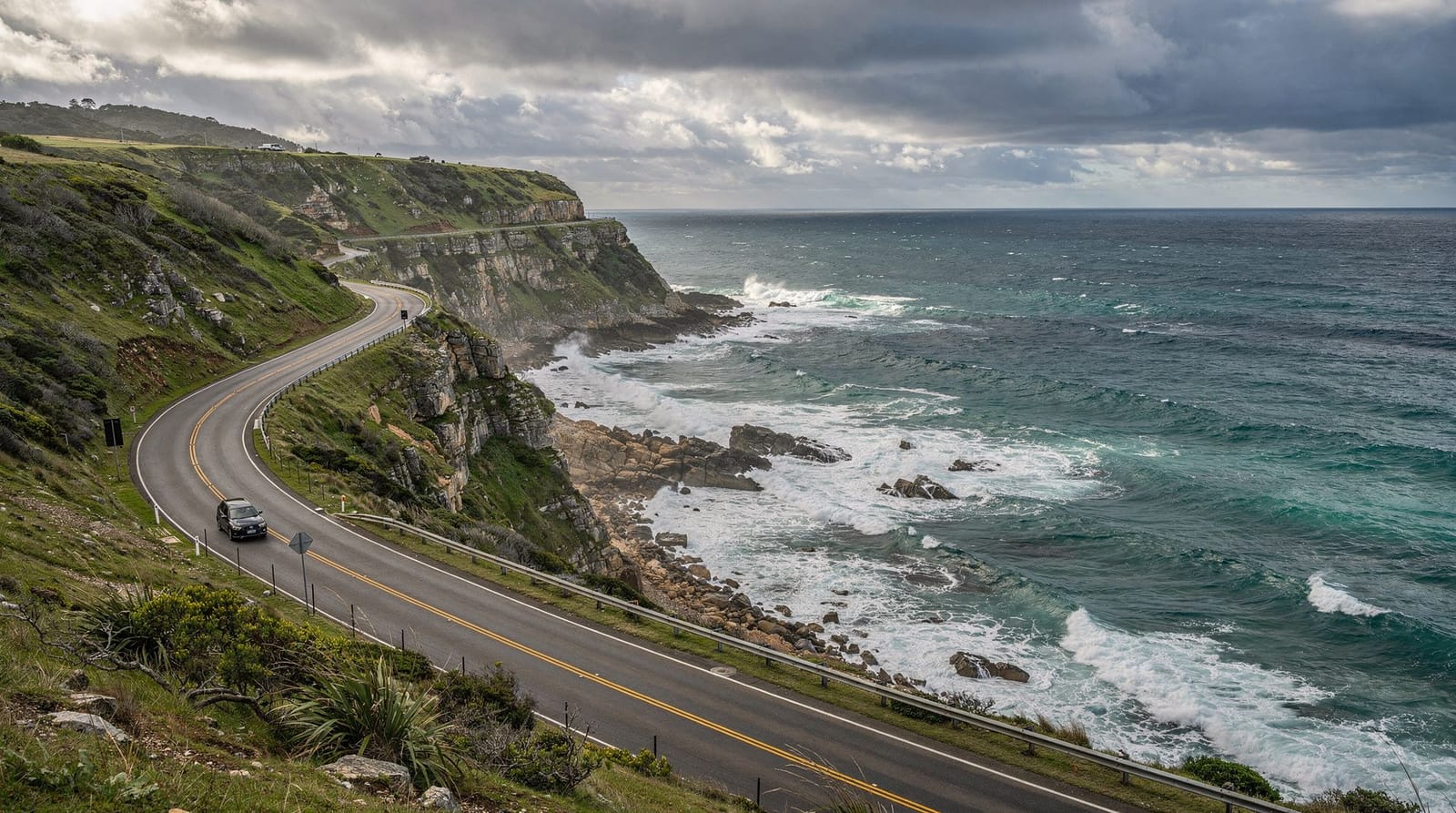
Melbourne
Melbourne city guide: laneways, coffee culture, the MCG, free museums, Myki and the Free Tram Zone, and how to plan day trips to Victoria's regions.
Melbourne: Melbourne city highlights group tour by bus
Duration: 3.5 hours
Quick facts
- Population
- ~5.2 million (Greater Melbourne)
- State
- Victoria, Australia
- Airport
- Melbourne Airport (MEL), Tullamarine, ~23 km northwest
- Currency
- Australian dollar (AUD)
- Getting around
- Myki card on trams, trains and buses; Free Tram Zone covers the CBD
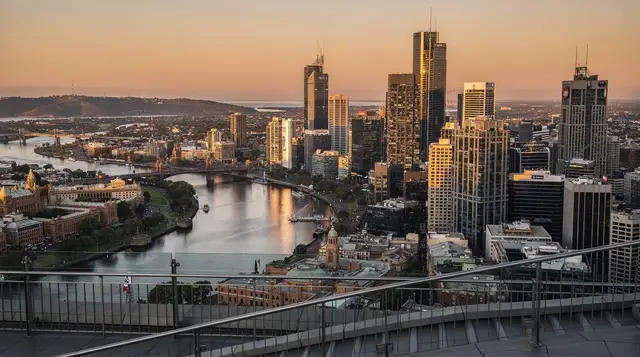
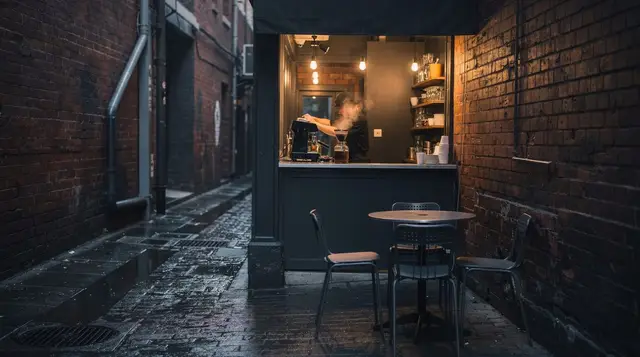
Melbourne sits on the Yarra River at the top of Port Phillip Bay, and it is a city that rewards slow exploration more than checklist sightseeing. There is no single must-see monument that defines it the way the Opera House defines Sydney; instead, the city’s identity is built from hundreds of laneways, a genuinely world-class coffee scene, a tram network that is the largest in the world, and an obsession with live sport that peaks every year at the Melbourne Cricket Ground. Visitors who arrive expecting a checklist of landmarks often leave underwhelmed; visitors who wander into a laneway, sit down at a milk-crate table outside a hole-in-the-wall café, and let the city set the pace tend to leave planning their return trip.
| Where | Southeastern Australia, on the Yarra River at the top of Port Phillip Bay |
| Getting around | Myki card; Free Tram Zone covers the CBD |
| Time needed | 3–4 days for the city; add days for regional trips |
| Airport transfer | SkyBus around 23 AUD; taxi/rideshare around 55–70 AUD |
| Best time | March–May (autumn) for comfortable, mild weather |
Melbourne is also the gateway to the rest of Victoria. The Great Ocean Road and the Twelve Apostles are a long but manageable day trip; the Yarra Valley wine region and Dandenong Ranges are barely an hour away; Phillip Island’s Penguin Parade is a popular evening excursion; and the goldfields towns of Ballarat and the Grampians further west make for a longer regional loop.
Most first-time visitors split their trip between the city itself and one or two of these day trips — see our how many days in Melbourne guide and the 3-day itinerary for a starting structure.
Orientation: how the city fits together
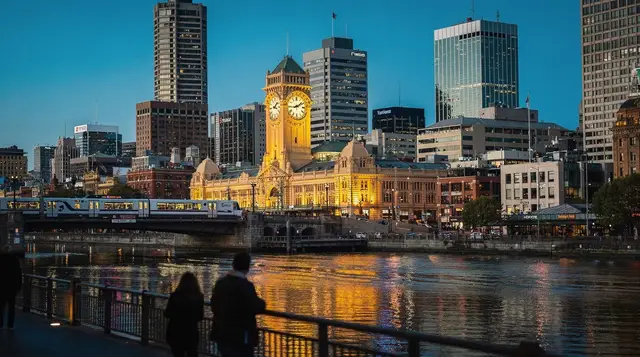
The Hoddle Grid — the original 1837 layout bounded by Flinders, Spencer, La Trobe and Spring Streets — is the CBD proper and still the easiest reference point. Flinders Street Station, with its distinctive yellow façade and clocks above the entrance, is the traditional meeting point (“meet me under the clocks”) and the main suburban rail terminus; Southern Cross Station, a 10-minute walk west, handles regional and interstate trains, including V/Line services to Geelong, Ballarat, Bendigo and Gippsland.
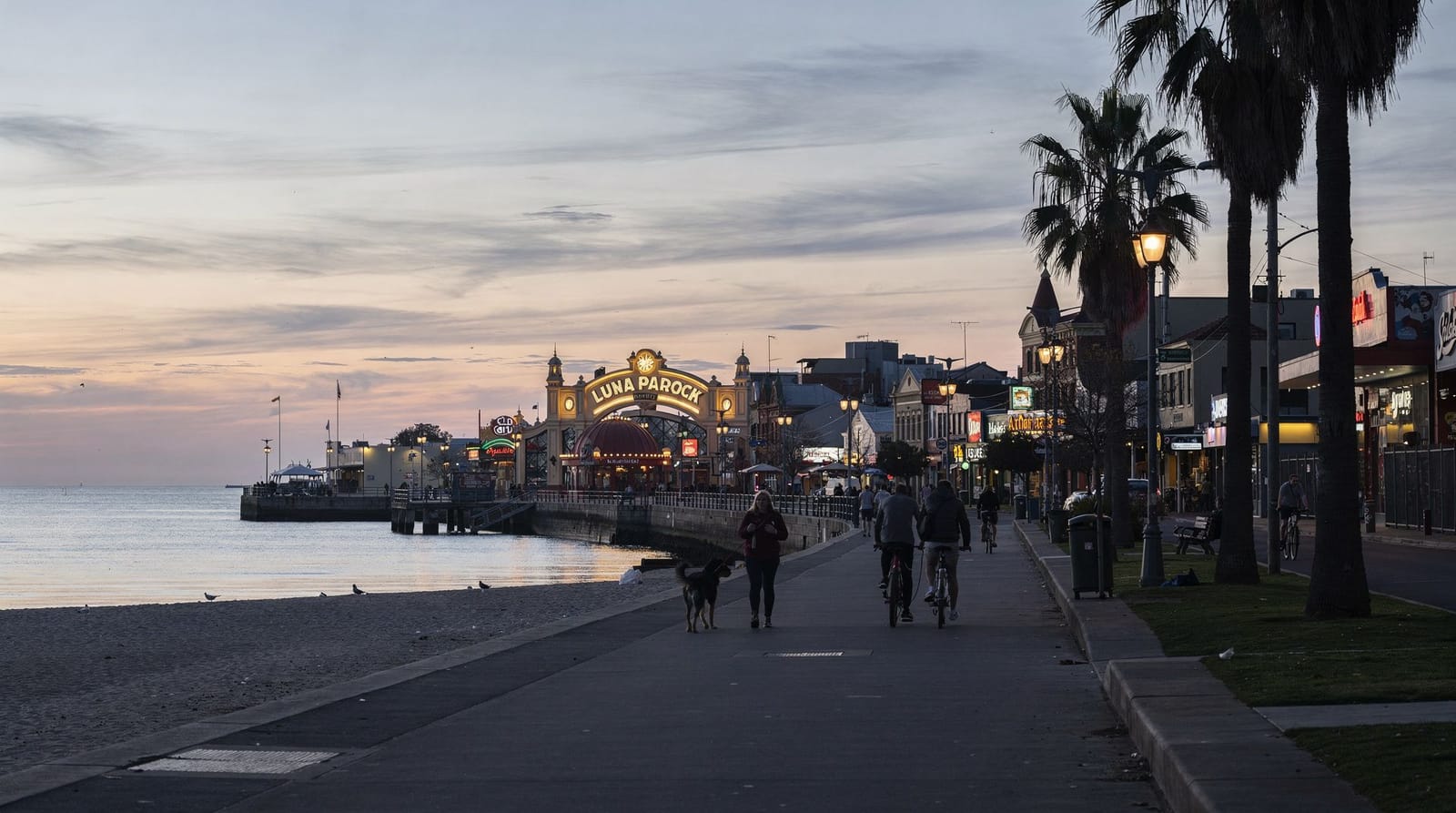
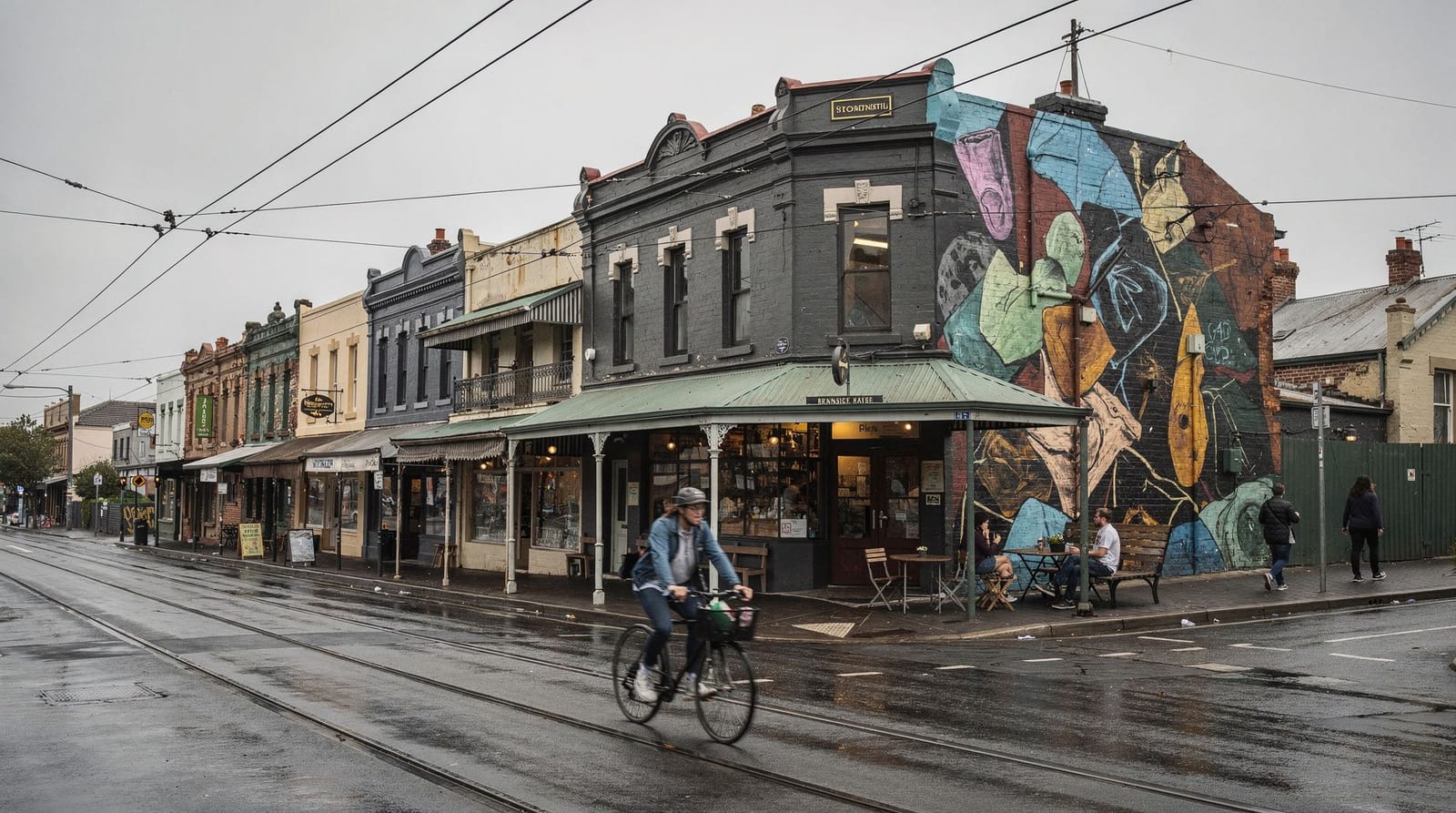
South of the river is Southbank and the Arts Precinct — NGV International, the Arts Centre spire, and the restaurant strip along Southbank Promenade. East of the CBD, Fitzroy and Collingwood hold the city’s best-known street art and its most independent café and bar scene. North of the CBD, Carlton is Melbourne’s historic Italian quarter along Lygon Street, next to the University of Melbourne. Southeast, St Kilda combines a beach, Luna Park’s heritage rollercoaster, and a lively restaurant strip on Acland Street.
Bayside, Brighton is known for its row of colourful 19th-century bathing boxes.
Richmond, across the river from the CBD, sits beside the MCG and is a strip of Vietnamese restaurants and pubs.
Docklands, on reclaimed harbour land west of the CBD, has Marvel Stadium and a waterfront promenade. Further out, Williamstown is a Victorian-era port village across the bay, and Footscray is the city’s most genuinely multicultural food destination, best known for its Vietnamese and East African communities.
None of these areas require a car to reach — Melbourne’s tram network reaches almost everywhere described above, and the CBD itself is entirely walkable.
Getting there and around
Melbourne Airport (MEL) is at Tullamarine, about 23 km northwest of the city. There is currently no train link (Melbourne Airport Rail has been under construction for years without an opening date), so the practical options are the SkyBus express coach to Southern Cross Station (around 23 AUD one-way, roughly 30 minutes outside peak traffic, running every 10 minutes) or a taxi/rideshare (roughly 55–70 AUD, 25–45 minutes depending on traffic). A smaller number of budget flights (mostly Jetstar) use Avalon Airport, which is closer to Geelong and has its own coach service into the city.
Within the city, the Myki card is the ticketing system for trams, trains and buses across Melbourne and much of regional Victoria. Buy one at a 7-Eleven, station machine or online, load it with credit, and tap on and off. The one genuinely useful quirk: the Free Tram Zone covers the entire CBD (roughly Docklands to Spring Street, Flinders Street to La Trobe Street) — inside that zone, trams are free and you do not need to touch your Myki at all. Do not tap on inside the Free Tram Zone unless you are travelling beyond it, or you will be charged for a trip you didn’t take.
Melbourne’s tram network is the largest urban tram system in the world by track length, and several routes double as sightseeing tools in their own right — the free City Circle tram (route 35) loops the CBD past most major landmarks with a recorded commentary, and route 96 runs from East Brunswick through the CBD down to St Kilda Beach. Trains from Flinders Street reach most inner and outer suburbs; V/Line trains from Southern Cross reach Geelong (about 1 hour), Ballarat (about 1 hour 20), Bendigo (roughly 1 hour 30–2 hours) and beyond.
For the Great Ocean Road, Yarra Valley, Dandenongs, Mornington Peninsula and Phillip Island, a hire car or a guided day tour is the realistic option — public transport reaches the edges of these regions but not their scattered attractions.
See our Myki card guide, Free Tram Zone explainer and getting around Melbourne guide for the detail.
Melbourne city highlights: half-day group tour by busWhat Melbourne is actually known for
Coffee. Melbourne’s coffee culture is not a marketing line — it is a genuine point of local pride, rooted in postwar Italian and Greek migration and sharpened by a wave of specialty roasters from the 2000s onward. Degraves Street and Centre Place, both laneways off Flinders Street, are the most photographed but also the most tourist-priced; for the coffee locals actually queue for, head to Fitzroy, Collingwood or the CBD roasters themselves (Market Lane, Proud Mary, Seven Seeds, Patricia Coffee Brewers on Little Bourke Street). A flat white or long black typically runs 4.50–5.50 AUD. Our Melbourne coffee guide and best laneway cafés guide go into more detail on where to go and where to skip.
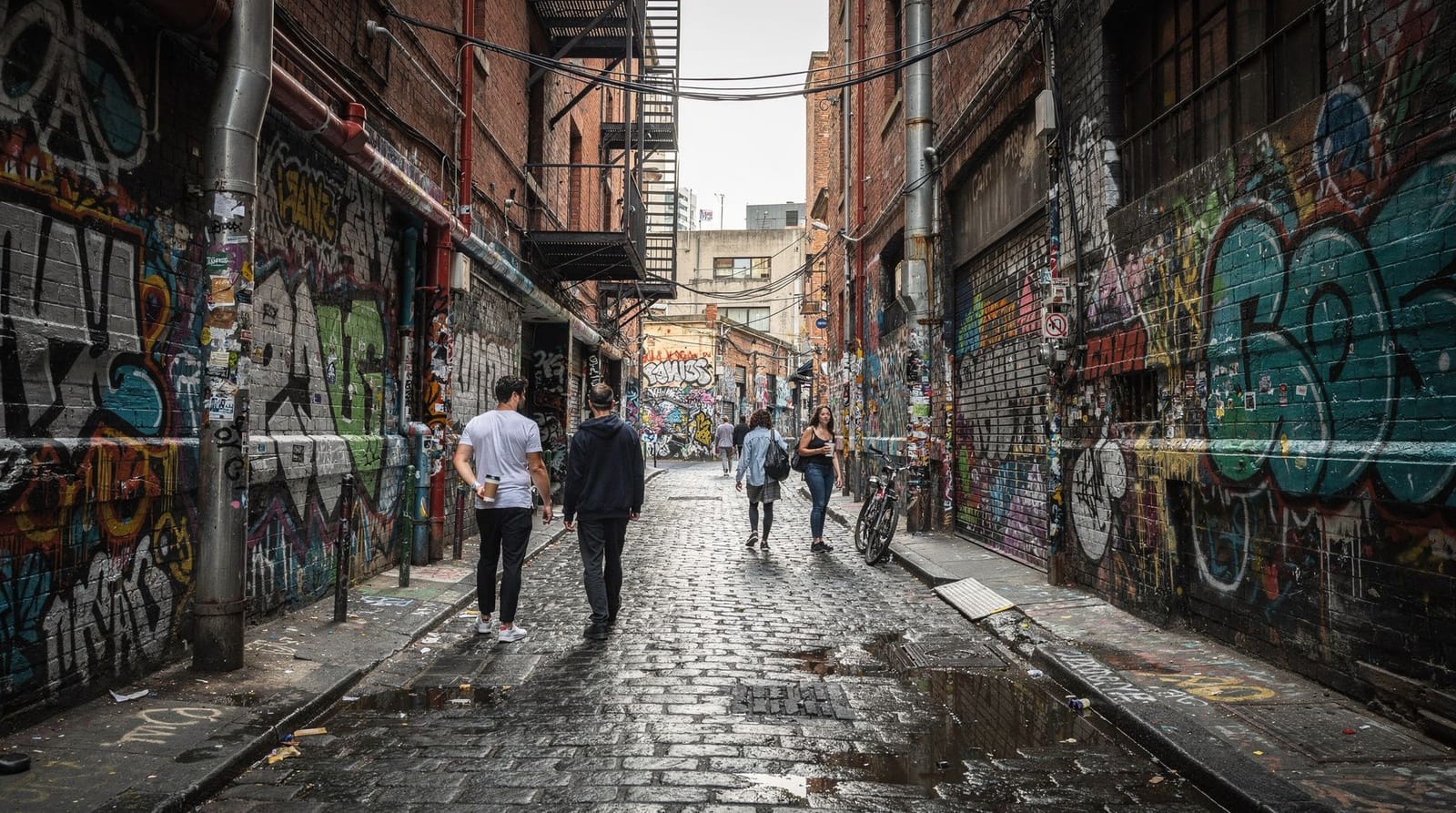
Laneways and street art. Hosier Lane, off Flinders Street opposite Federation Square, is the best-known legal street art wall in the city — it repaints constantly, so what you see is genuinely temporary. AC/DC Lane nearby is named for the band and lined with band posters and rock memorabilia on its bars. The broader laneway network — Centre Place, Block Place, Degraves Street — mixes cafés, bars and boutique shops behind unmarked doors. See Hosier Lane and street art and Melbourne’s arcades and laneways for a walking route.
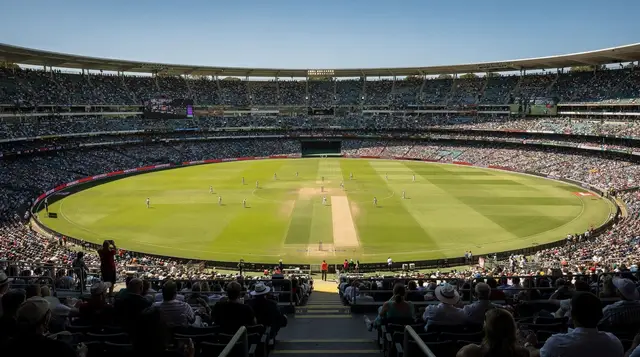
Sport. The Melbourne Cricket Ground (MCG), capacity 100,000, hosts AFL matches through the winter season (roughly March to September, with the Grand Final in late September) and international and Big Bash cricket over summer. Even without a match on, the MCG offers guided tours through the members’ areas and the National Sports Museum. The Australian Open (January), the Formula 1 Australian Grand Prix (March, at Albert Park), and the Melbourne Cup (the first Tuesday in November, at Flemington) round out the sporting calendar. See our MCG guide and AFL match guide for tickets and etiquette.
MCG guided tour: behind the scenes at the Melbourne Cricket GroundMuseums and gardens — mostly free. NGV International (Australia’s oldest and most visited public gallery), the Royal Botanic Gardens, the State Library of Victoria’s domed reading room, and the Ian Potter Centre at Federation Square all have free general admission (special exhibitions at NGV usually charge). Melbourne Museum, the Immigration Museum, Old Melbourne Gaol and Scienceworks charge entry but are good value for a rainy day. See free things to do in Melbourne for a fuller list.
Food beyond coffee
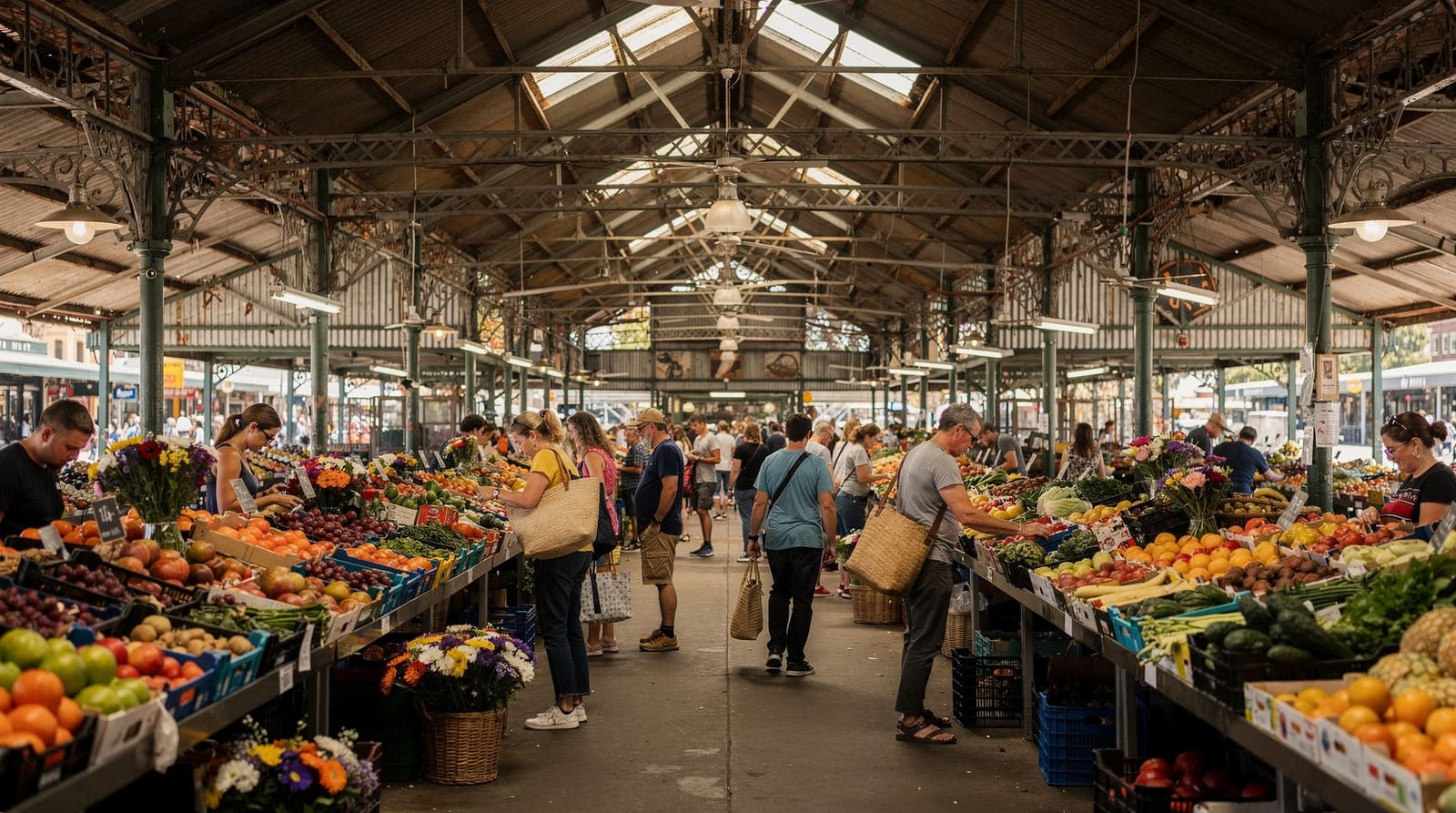
Melbourne’s dining reputation extends well past coffee. Queen Victoria Market — the largest open-air market in the Southern Hemisphere, on the northern edge of the CBD — is the place for produce, deli food and the Wednesday and Friday night market with live music and food stalls (seasonal, roughly November to March and a shorter winter run). Lygon Street in Carlton is the traditional Italian strip, though its tourist-facing restaurants near the university end are generally worse value than the ones further north. Chinatown, on Little Bourke Street between Swanston and Exhibition Streets, is one of the oldest continuous Chinatowns outside Asia.
Footscray, west of the CBD via train or the 82 tram, has some of the city’s best and cheapest Vietnamese and East African food, with far less tourist markup than the CBD.
See Melbourne food guide and Footscray’s Little Saigon for specifics.
The Melbourne Experience: 3-hour culinary walking tourWeather and when to go
Melbourne sits in the Southern Hemisphere, so the seasons run opposite to Europe and North America: summer is December to February, autumn March to May, winter June to August, and spring September to November. Summer days can swing from mid-20s°C to sudden 40°C heatwaves, sometimes within the same week; autumn is widely considered the best season for comfortable sightseeing weather and coincides with the Yarra Valley grape harvest; winter is cool (8–15°C), often grey and wet, and is also the cheapest time to visit and the heart of the AFL season; spring brings the Melbourne Cup and unpredictable, changeable weather.
Locals genuinely say Melbourne has “four seasons in one day” — carry a layer and a compact umbrella regardless of the month.
See our best time to visit Melbourne guide and the interactive best time to visit tool for a month-by-month breakdown.
Budget
A backpacker/budget day in Melbourne (hostel dorm, self-catering or cheap eats, free attractions) runs roughly 90–130 AUD. A mid-range day (private room or budget hotel, a couple of restaurant meals, one paid attraction or tour) runs 200–320 AUD. A comfortable/luxury day starts around 450 AUD. Public transport is cheap relative to food and accommodation, and the Free Tram Zone removes transport costs entirely if you stay within the CBD. GST (10%) is already included in every displayed price; tipping is appreciated but not expected — rounding up is normal.
Use the budget calculator tool and currency converter to plan against your home currency, and see Melbourne trip cost for a full breakdown.
What locals wish visitors knew
Melbourne is a very safe city by international standards, and tap water is safe to drink everywhere. The one thing that catches visitors out most often is the sun: Victoria has some of the highest UV index readings in the world even on cool or overcast days, and sunburn happens fast, particularly October to March — wear sunscreen regardless of how the temperature feels. Australia drives on the left; if you are self-driving to the Great Ocean Road or the Grampians, budget extra time to adjust, especially at roundabouts. Electrical sockets are type I (three flat pins), 230V. Emergency number is 000.
For entry requirements, most visitors need either an ETA (subclass 601) or an eVisitor (subclass 651, free for EU/UK passport holders) arranged before departure — see entry requirements and ETA.
For a franker look at where Melbourne overcharges tourists, see our Melbourne tourist traps guide.
Melbourne by season: what to expect
| Season | Months | Weather | Notable events |
|---|---|---|---|
| Summer | Dec–Feb | Hot, can swing to 40°C heatwaves | Australian Open (Jan) |
| Autumn | Mar–May | Mild, generally the most comfortable | Yarra Valley grape harvest |
| Winter | Jun–Aug | Cool (8–15°C), often grey and wet | AFL season, cheapest time to visit |
| Spring | Sep–Nov | Changeable, warming | Melbourne Cup (Nov) |
See our best time to visit Melbourne guide for a fuller month-by-month breakdown.
Neighbourhoods at a glance
For visitors deciding where to base themselves or spend an afternoon, the inner suburbs each have a distinct character: Fitzroy and Collingwood for street art, independent bars and vintage shopping; Carlton for Italian dining near the university; St Kilda for the beach, Luna Park and Acland Street’s restaurant strip; Southbank for the Arts Precinct and NGV; and Richmond for Vietnamese food beside the MCG. First-time visitors without a strong preference generally do well staying in or near the CBD, within walking distance of Flinders Street Station and the Free Tram Zone, then day-tripping out to the inner suburbs by tram.
Melbourne city, suburbs and laneways bus tourChoosing your day trip from Melbourne
Melbourne’s greatest practical advantage over most Australian cities is how many genuinely different day trips sit within a few hours of the CBD. For visitors trying to prioritise:
| Day trip | Distance | Draw | Best for |
|---|---|---|---|
| Great Ocean Road | ~230 km (Apostles) | Dramatic coastal cliffs | Scenery, a long but rewarding drive |
| Yarra Valley | ~50 km | Cool-climate wine, cellar doors | Wine lovers, a relaxed half day |
| Phillip Island | ~140 km | Penguin Parade at dusk | Families, wildlife, an evening finish |
| Dandenong Ranges | ~35 km | Puffing Billy steam train, forest walks | A shorter half-day escape |
| Mornington Peninsula | ~60-80 km | Hot springs, beaches, wine | Couples, a relaxed overnight |
Most first-time visitors choose one, occasionally two, rather than attempting all five on a single trip — see the best day trips from Melbourne guide for how to prioritise between them based on the length of your stay.
Melbourne city and surrounding sights sightseeing tourEvents and public holidays worth planning around
Beyond the sporting calendar already covered, Melbourne’s events calendar affects both crowds and prices at various points in the year. The Australian International Airshow, the Melbourne International Comedy Festival (March–April), the Melbourne International Film Festival (August) and White Night-style cultural events periodically fill CBD accommodation and push prices up — worth checking the Melbourne events calendar and Melbourne festivals guides before locking in travel dates, particularly if budget matters. Victorian school holidays (roughly four two-week blocks spread through the year) also tighten accommodation and add family crowds to the more popular day-trip attractions, especially Phillip Island and the Dandenong Ranges.
Frequently asked questions about Melbourne
How many days do I need in Melbourne?
Three to four days covers the CBD, laneways, one or two inner suburbs (St Kilda, Fitzroy) and a museum or gallery. If you want to add a day trip to the Great Ocean Road, Yarra Valley or Phillip Island, budget one additional day per excursion — see how many days in Melbourne for a longer breakdown by trip style.
Is Melbourne expensive?
It is broadly comparable to other major Australian and Western European cities — more expensive than Southeast Asia, similar to or slightly cheaper than Sydney for accommodation, and reasonable for food if you avoid the most tourist-facing laneway cafés and Southbank restaurant strip. See Melbourne trip cost and Melbourne on a budget for line-item figures.
Do I need a car in Melbourne?
No, not for the city itself — trams, trains and buses on Myki cover the CBD and inner suburbs well, and the Free Tram Zone covers most CBD sightseeing at no cost. A car (or a guided tour) becomes useful for the Great Ocean Road, Yarra Valley, Mornington Peninsula, Grampians and other regional day trips.
What is the best time of year to visit Melbourne?
Autumn (March–May) offers the most reliably comfortable weather. Winter (June–August) is cheapest and coincides with AFL season. Summer (December–February) is hottest and busiest, with the Australian Open in January. Whichever season, pack for sudden weather changes.
Is Melbourne or Sydney better for a first trip to Australia?
They serve different purposes — Sydney has the harbour, the Opera House and beaches close to the centre; Melbourne has laneway culture, coffee, sport and easier access to varied day trips (coastline, wine country, wildlife, goldfields) within 1–3 hours. Many itineraries combine both.
How do I get from Melbourne Airport to the city?
SkyBus runs an express coach to Southern Cross Station roughly every 10 minutes for around 23 AUD one-way (about 30 minutes outside peak traffic). Taxis and rideshare cost roughly 55–70 AUD and take 25–45 minutes depending on traffic. There is currently no direct train service to the airport.
What should I not miss on a first visit?
A laneway coffee, a wander through Hosier Lane, the free galleries at NGV International and Federation Square, an MCG tour if there’s no match on, and at least one full-day trip out of the city — the Great Ocean Road and Twelve Apostles for coastal scenery, or Phillip Island for the Penguin Parade, are the two most popular options.
Is Melbourne safe for tourists?
Yes — Melbourne is consistently ranked among the world’s more liveable and safer major cities. Standard precautions apply at night in nightlife areas and around Flinders Street/Southbank late on weekends. Tap water is safe everywhere.
Where should I stay in Melbourne for a first visit?
The CBD is the easiest base — walking distance to Flinders Street Station, the Free Tram Zone, and most laneways — with Southbank a close second for arts-focused visitors. Those prioritising nightlife or a beach walk might prefer basing in St Kilda or Fitzroy instead, trading some CBD convenience for neighbourhood character.
Top experiences
Bookable activities with verified prices and instant confirmation on GetYourGuide.