Melbourne on a budget: what it actually costs
Three realistic daily budgets, not a vague “it depends”
Vague cost-of-living style articles are common online for most destinations, but they rarely translate into an actual travel budget you can plan against — the figures below are built specifically around what a visitor actually spends day to day, not general local living costs.
| Where | Costs vary CBD/Fitzroy vs Southbank/tourist strips |
| Cost range | 90-130 AUD/day backpacker to 450 AUD+/day luxury |
| Time needed | Applies to any trip length; savings compound daily |
| Cheapest transport | Myki card + Free Tram Zone in the CBD |
| Best time to save | Winter (Jun-Aug) or shoulder months for lower rates |
Budgeting for Melbourne is easier when you separate fixed costs (accommodation, any pre-booked day trips) from variable daily spend (food, local transport, incidental activities), since the fixed costs are where the biggest gap between a backpacker and luxury trip actually opens up — daily food and transport spend varies far less dramatically between budget tiers than accommodation does.
Melbourne isn’t a cheap city by global standards, but it’s genuinely possible to visit well on a modest budget if you know where the costs actually concentrate. Here are three honest daily figures, in Australian dollars (AUD), per person, covering accommodation, food, local transport and one activity.
Backpacker budget: roughly 90-130 AUD/day
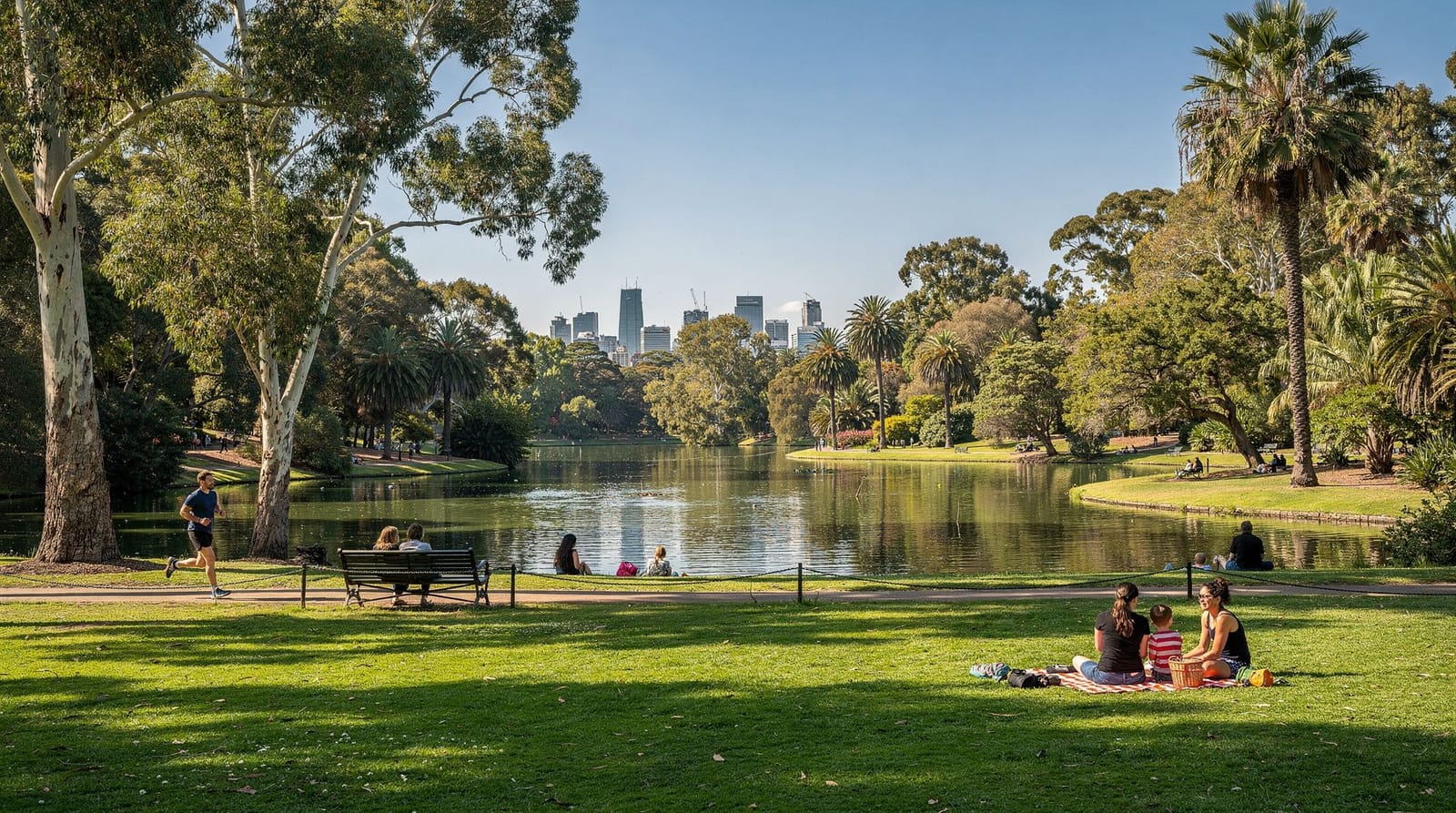
This covers a hostel dorm bed (typically 35-50 AUD/night in the CBD or Fitzroy), self-catered or cheap eats (Queen Victoria Market produce, Footscray’s Vietnamese food strip, or a laneway noodle spot for 12-18 AUD a meal), and a Myki daily cap (around 10-11 AUD in Zone 1) rather than taxis. At this level, prioritise free attractions — the NGV, Royal Botanic Gardens, the free-viewing St Kilda penguin colony — over paid experiences, and save for one or two specific paid highlights rather than spreading a small budget thin across many.
Mid-range budget: roughly 200-320 AUD/day
This covers a comfortable 3-4 star hotel or well-located Airbnb (150-220 AUD/night), sit-down meals at genuine restaurants (25-45 AUD per main), and room for one paid activity or day trip roughly every second day (a Great Ocean Road tour, Eureka Skydeck, a Yarra Valley wine day). This is the realistic range for most travellers wanting a comfortable but not extravagant trip.
Luxury budget: 450 AUD+/day
This covers premium hotels (350 AUD+/night), fine dining, private tours and transfers rather than shared coaches or public transport, and no real cost constraints on activities. At this level, private guided day trips and helicopter tours over the Twelve Apostles become realistic add-ons rather than splurges.
Seasonal timing as a budget lever
Beyond daily spending choices, when you visit meaningfully affects overall cost — winter (June-August) hotel rates typically run noticeably below summer peaks and well below the Australian Open’s January surge, and flights into Melbourne often follow a similar seasonal pattern. If your dates are flexible, shifting a trip into winter or the shoulder months of autumn (March-May) or spring (September-November, outside Melbourne Cup week) can meaningfully reduce the accommodation half of your budget without changing anything about how you spend day to day.
Where the real savings are
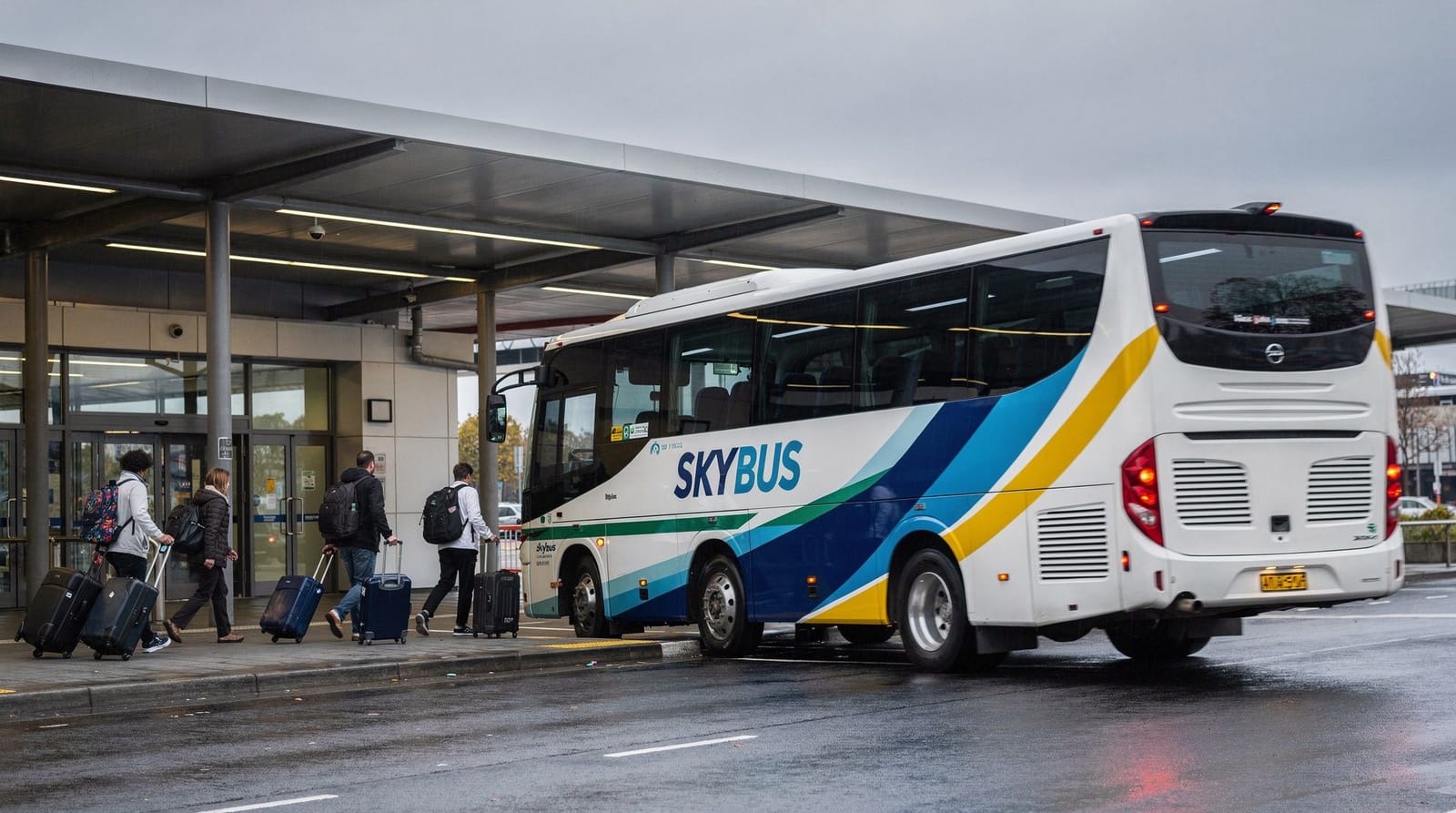
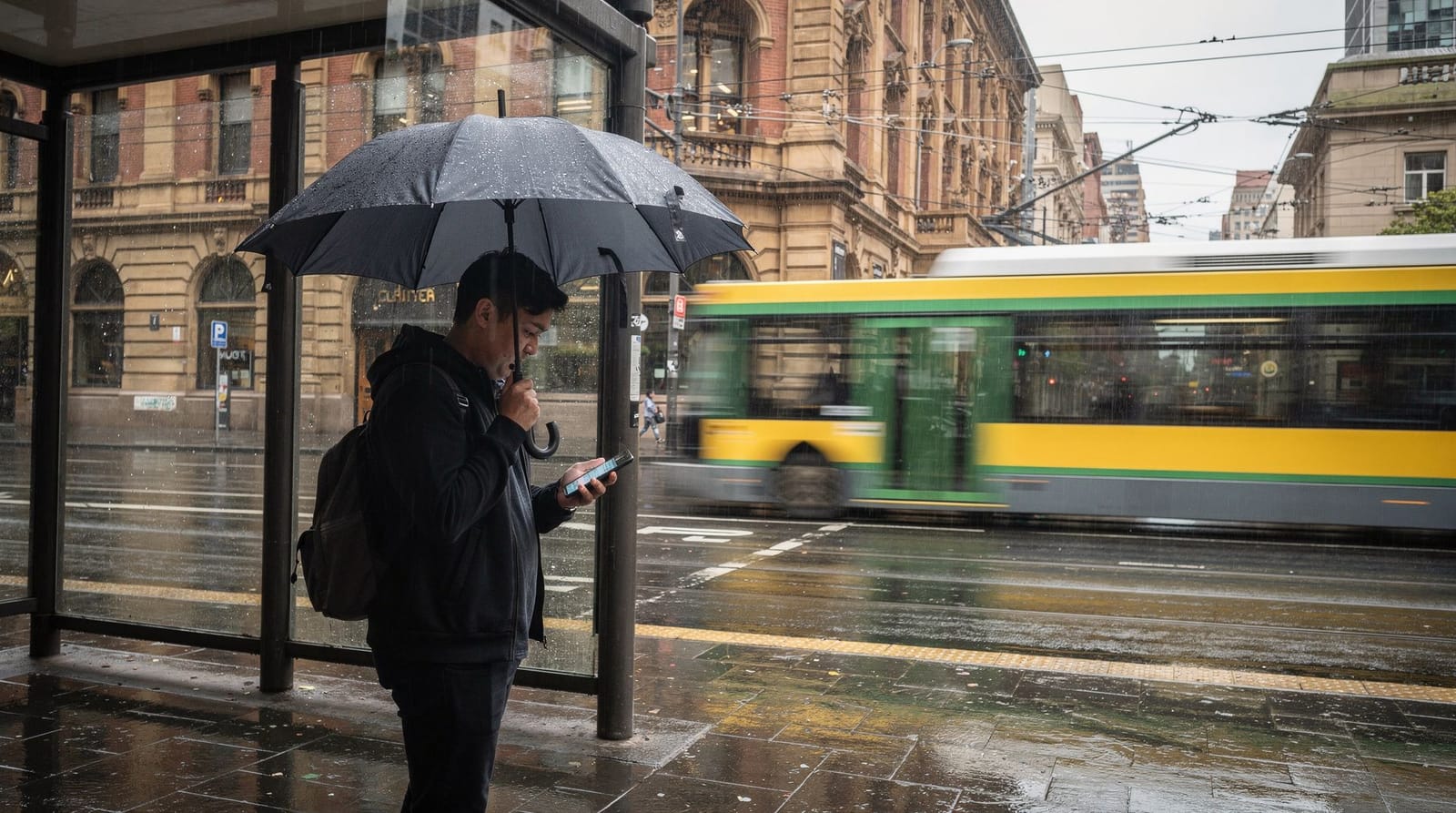
Transport: A Myki card and the Free Tram Zone within the CBD save meaningfully over taxis for city-based days — reserve rideshare or taxis for late-night trips or airport transfers rather than everyday movement. See our airport transfer guide for the cheapest options landing and departing.
Food: Queen Victoria Market and Footscray’s Little Saigon strip consistently offer better value than CBD tourist-facing strips like Southbank’s riverside restaurants or Hardware Lane’s advertised lunch specials — same city, noticeably different price-to-quality ratio.
Attractions: The NGV’s permanent collection, the Royal Botanic Gardens, the Shrine of Remembrance and the free St Kilda penguin colony cost nothing and are genuinely worthwhile — see our full free things to do guide for the complete list.
Day trips: Booking tours in advance rather than last-minute rarely saves much on price, but it does guarantee availability during peak periods — the bigger saving is choosing wisely between a shared coach tour and a pricier private tour, since for most travellers the shared option delivers the same core experience (the Twelve Apostles look the same regardless of group size) at a meaningfully lower cost.
Travel insurance as a budget consideration
While not a daily cost, travel insurance is worth budgeting for regardless of trip length, particularly given that Melbourne’s self-drive day trips (the Great Ocean Road, the Grampians) carry genuine driving risk on unfamiliar roads. Comparing policies before departure rather than assuming a standard travel card’s included cover is sufficient is worth the modest time investment for the financial protection it provides.
Planning the numbers before you land
Once you have a daily tier in mind, three other pages help turn it into a real plan. Our Melbourne trip cost guide goes deeper on the line items, the Myki card guide explains how to load and use the card so you never overpay on transport, and the free tram zone guide shows exactly where the free boundary sits so you don’t tap on by mistake. If you’re still deciding how long to stay, how many days in Melbourne helps you match your budget to a sensible trip length, since a shorter, well-chosen stay often beats a longer one stretched thin.
For a ready-made shape to follow, the Melbourne 3-day itinerary pairs well with the sample breakdown further down this page, and the Melbourne without a car itinerary shows how far public transport and your own feet can take you without any rental costs.
One paid experience worth the money
A budget trip doesn’t have to be all free attractions. Choosing a single paid experience that gives you something you can’t easily do alone is usually better value than several average ones. A guided food walk through the laneways, such as a guided food tour of the hidden laneways, can double as a meal and an orientation to the city on your first day, which makes it easier to spot good-value places for the rest of your stay. For more on eating well without overspending, see the Melbourne on a budget guide and our Queen Victoria Market guide.
Where not to cut corners
Skimping on the return leg of a night-time Phillip Island trip (driving yourself late at night after a long day) or on proper wet-weather gear for outdoor day trips can turn a saving into a genuinely worse experience or, in the case of tired late-night driving, a real safety risk. These are areas where the honest advice is to spend a little more for a materially better or safer outcome.
Free accommodation-adjacent savings
Beyond the headline accommodation cost, a few smaller choices add up over a multi-day stay: booking a room with a kitchenette (common in Southbank and Docklands apartment-style accommodation) allows for at least some self-catered breakfasts and snacks, meaningfully reducing daily food spend compared with eating every meal out. Refillable water bottles are worth bringing too — Melbourne’s tap water is safe and pleasant to drink, and bottled water at tourist attractions and CBD convenience stores is a genuinely avoidable daily cost.
Budget-friendly regional day trips
If a full-priced Great Ocean Road or Phillip Island tour doesn’t fit your budget, self-driving with a small group splitting fuel and a rental car costs considerably less per person than a guided tour, provided you have a confident driver comfortable with left-hand roads. Alternatively, some of Melbourne’s shorter day trips — the Dandenong Ranges and Puffing Billy, reachable by suburban train — avoid both tour costs and car rental entirely, making them a genuinely budget-friendly way to still get a regional day out of the city.
Student and concession discounts
If you or anyone in your group holds a valid student card (including international student ID cards, where accepted) or is eligible for a seniors concession, many of Melbourne’s paid attractions, including Eureka Skydeck and several museums, offer meaningfully discounted entry — it’s always worth asking or checking a venue’s website for concession pricing rather than assuming only full adult rates apply.
A sample budget-conscious 3-day breakdown
Day 1 (CBD, free attractions, market lunch): roughly 60-90 AUD excluding accommodation. Day 2 (St Kilda, coffee, Free Tram Zone wandering): roughly 50-80 AUD. Day 3 (a shared-coach Great Ocean Road tour): roughly 150-220 AUD including the tour itself. Total activity and food spend across three days: approximately 260-390 AUD per person, before accommodation.
Budget tiers compared
| Tier | Daily cost | Accommodation | Food | Activities |
|---|---|---|---|---|
| Backpacker | 90-130 AUD | Hostel dorm, 35-50 AUD/night | Market/self-catered, 12-18 AUD/meal | Mostly free attractions |
| Mid-range | 200-320 AUD | 3-4 star/Airbnb, 150-220 AUD/night | Sit-down restaurants, 25-45 AUD/main | One paid activity every 2nd day |
| Luxury | 450 AUD+ | Premium hotel, 350 AUD+/night | Fine dining | Private tours, transfers |
Cutting costs on your one big day trip
The Great Ocean Road, Phillip Island and the Yarra Valley are usually the single most expensive day of a Melbourne trip, so it’s worth being deliberate about which format you book. A shared small-group tour delivers essentially the same views and stops as a private one at a noticeably lower price, since the Twelve Apostles look the same regardless of group size — reserve a private tour for when flexibility or comfort genuinely matters more than the cost gap. If you’re weighing the trade-off in more detail, our self-drive vs tour comparison breaks down exactly where the money goes on each option.
a budget-friendly shared Great Ocean Road day tourA note on tipping and service charges
Tipping isn’t customary in Australia the way it is in the US — restaurant and café staff are paid a proper wage, and a tip is a genuine bonus for excellent service rather than an expected top-up. Budget travellers can safely skip tipping without any social friction; if you do want to acknowledge great service, rounding up the bill or leaving 5-10% is generous, not obligatory. This is one area where Melbourne is cheaper than many visitors’ home countries, not more expensive.
Frequently asked questions about budgeting for Melbourne
Is Melbourne an expensive city to visit?
It’s broadly comparable to other major Western cities — not cheap, but genuinely manageable on a range of budgets from backpacker (90-130 AUD/day) to mid-range (200-320 AUD/day).
What’s the cheapest way to get around Melbourne?
A Myki card combined with the CBD’s Free Tram Zone covers most city-based movement cheaply — a daily cap in Zone 1 runs around 10-11 AUD, well below the cost of regular taxi or rideshare use.
Is it cheaper to book Great Ocean Road tours in advance?
Advance booking mainly guarantees availability rather than saving significant money. The bigger cost lever is choosing a shared coach tour over a private one, since the core sights are the same regardless of group size.
What’s the biggest hidden cost for Melbourne visitors?
Tourist-facing dining strips (Southbank’s riverside restaurants, Hardware Lane’s lunch specials) are priced well above the quality they deliver — a short walk or tram ride to Fitzroy, Carlton or Footscray consistently offers better value.
Are there budget-friendly day trips from Melbourne?
Yes — the Dandenong Ranges and Puffing Billy are reachable by suburban train without a tour or car rental, making it one of the cheapest genuine regional day trips available from the city.
Are student or concession discounts available in Melbourne?
Yes, at many paid attractions including Eureka Skydeck and several museums — check individual venue websites or ask on arrival, since concession rates aren’t always advertised prominently.
Is Melbourne’s tap water safe to drink?
Yes — Melbourne’s tap water is safe and pleasant to drink, and bringing a refillable bottle rather than buying bottled water at attractions is a small but genuine daily saving over a multi-day trip.