Common mistakes first-time visitors make in Melbourne
Most first-timer mistakes here come from applying assumptions from other cities
None of the mistakes below are unusual or embarrassing — they’re the natural result of applying reasonable assumptions from other travel experiences to a city that quietly breaks several of them, and knowing about them in advance is the entire fix.
| Most common mistake | Packing for the wrong hemisphere’s season |
| Costs the most if wrong | Skipping travel insurance before a self-drive day trip |
| Easiest fix | A Myki card and knowing the Free Tram Zone boundary |
| Time needed to avoid most | 10-15 minutes of reading before you land |
| Best time to plan around | Before booking accommodation and day trips |
Melbourne doesn’t work quite like most other major cities visitors have experience with — the seasons are reversed, the airport has no train, and its best neighbourhoods aren’t the ones a quick search first surfaces. Here are the mistakes that come up again and again.
Treating Melbourne like a landmark checklist
Visitors used to cities built around a handful of must-see landmarks sometimes approach Melbourne the same way, rushing between a short list of “top attractions” without leaving room for the unstructured wandering that’s genuinely where the city delivers its best moments. See our honest take on whether Melbourne is worth visiting for more on why a slower, less checklist-driven approach tends to produce a better outcome here than in more landmark-dense cities.
Packing for the wrong season
Because Melbourne sits in the Southern Hemisphere, December is summer and June is winter — the opposite of what visitors from the Northern Hemisphere instinctively expect. Packing a light jacket for a “European June” when you’re actually visiting Melbourne’s cold, wet winter is a genuinely common mistake. See our full seasonal breakdown before you pack.
Underestimating the weather’s daily swings
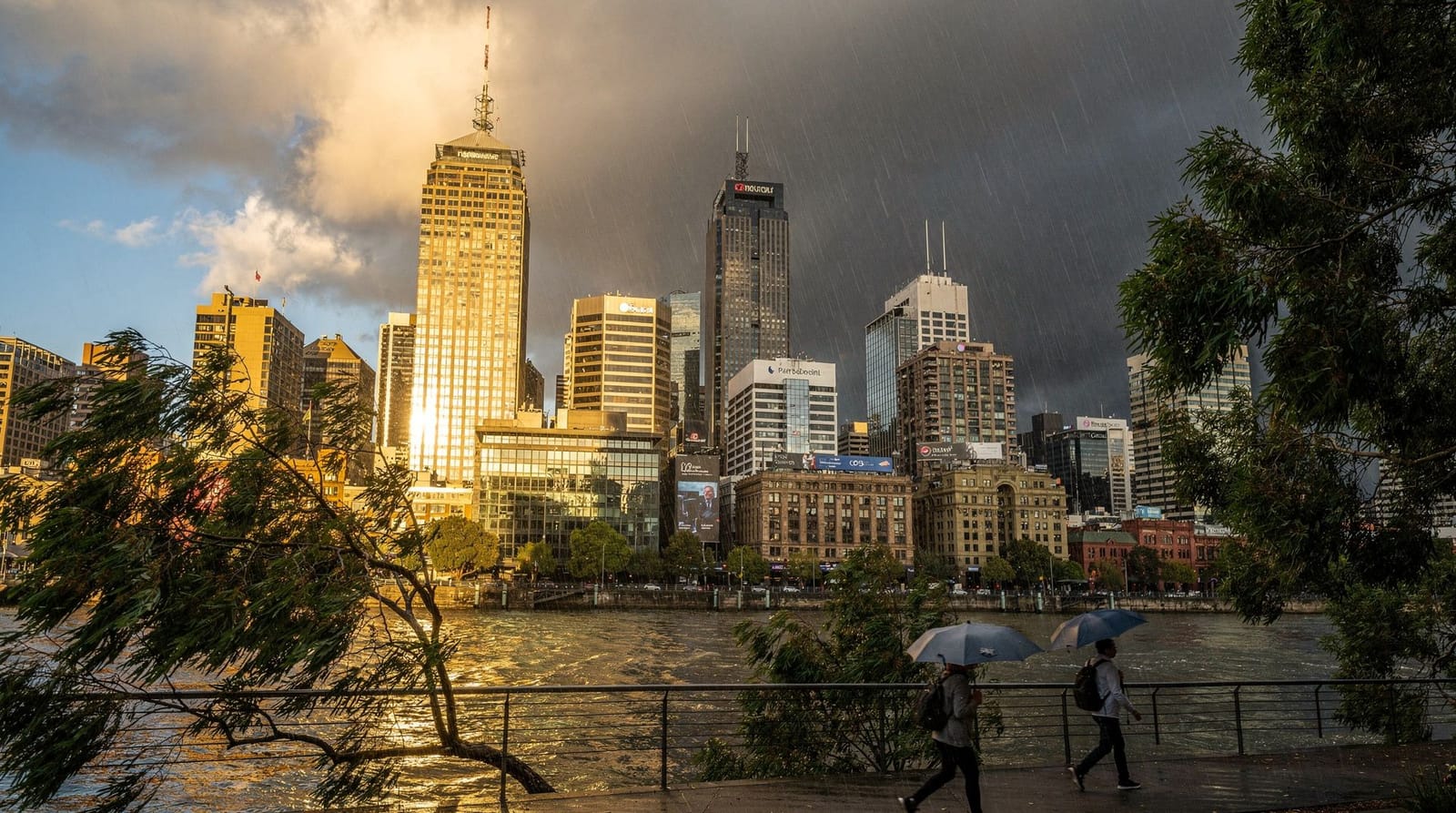
Even within the correct season, Melbourne’s weather changes fast — a warm, sunny morning can turn cold and wet by afternoon, in any season. Our guide to Melbourne’s “four seasons in one day” covers why this happens and how to pack around it; the short version is layers, always, regardless of the forecast.
Assuming there’s a train from the airport
Melbourne Airport has no rail connection yet — Melbourne Airport Rail remains under construction. First-timers who assume otherwise sometimes find themselves stuck at the terminal figuring out transport on arrival rather than having booked SkyBus or a transfer ahead of time. See our full airport transfer guide for the actual options.
Eating and drinking only in the CBD’s tourist-facing strips
Southbank’s riverside restaurants and Hardware Lane’s advertised lunch specials are priced for tourist foot traffic and don’t consistently deliver value for it. A short walk further into the CBD, or a tram ride to Fitzroy, Carlton’s Lygon Street or Footscray, consistently produces better food at a lower price. See our full food guide for specifics.
Trying to fit too many day trips into a short stay
The Great Ocean Road, Phillip Island and the Yarra Valley are all genuinely worthwhile, but each is close to a full day on its own, and attempting two of them back to back on a short trip usually means rushing both. See our breakdown of how many days you actually need before committing to a schedule.
Driving the Great Ocean Road without adjusting for left-hand traffic
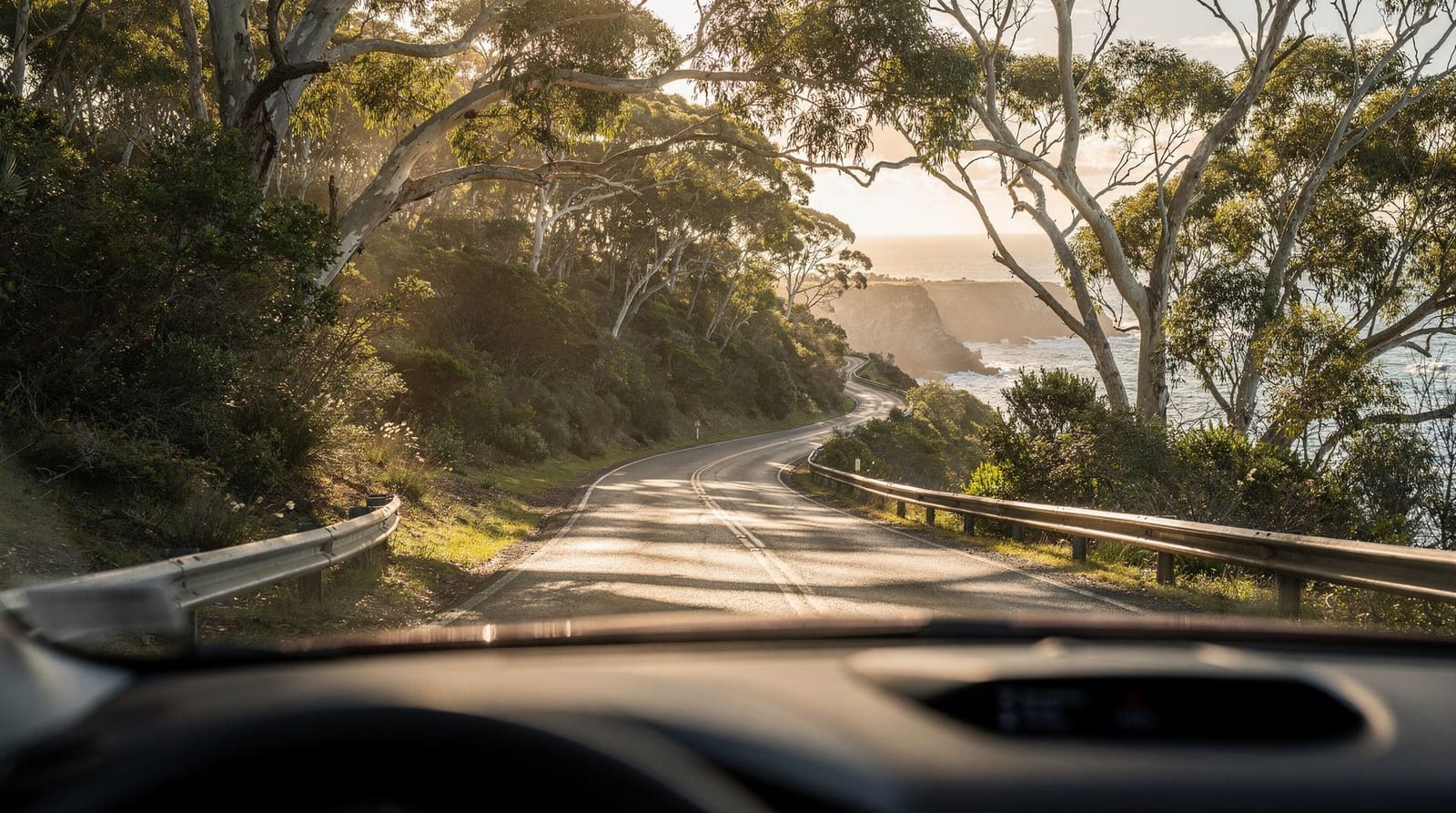
Visitors unfamiliar with left-hand driving sometimes underestimate how demanding the Great Ocean Road’s narrow, winding coastal sections can be. If you’re not confident, a guided tour is a genuinely reasonable choice rather than a compromise.
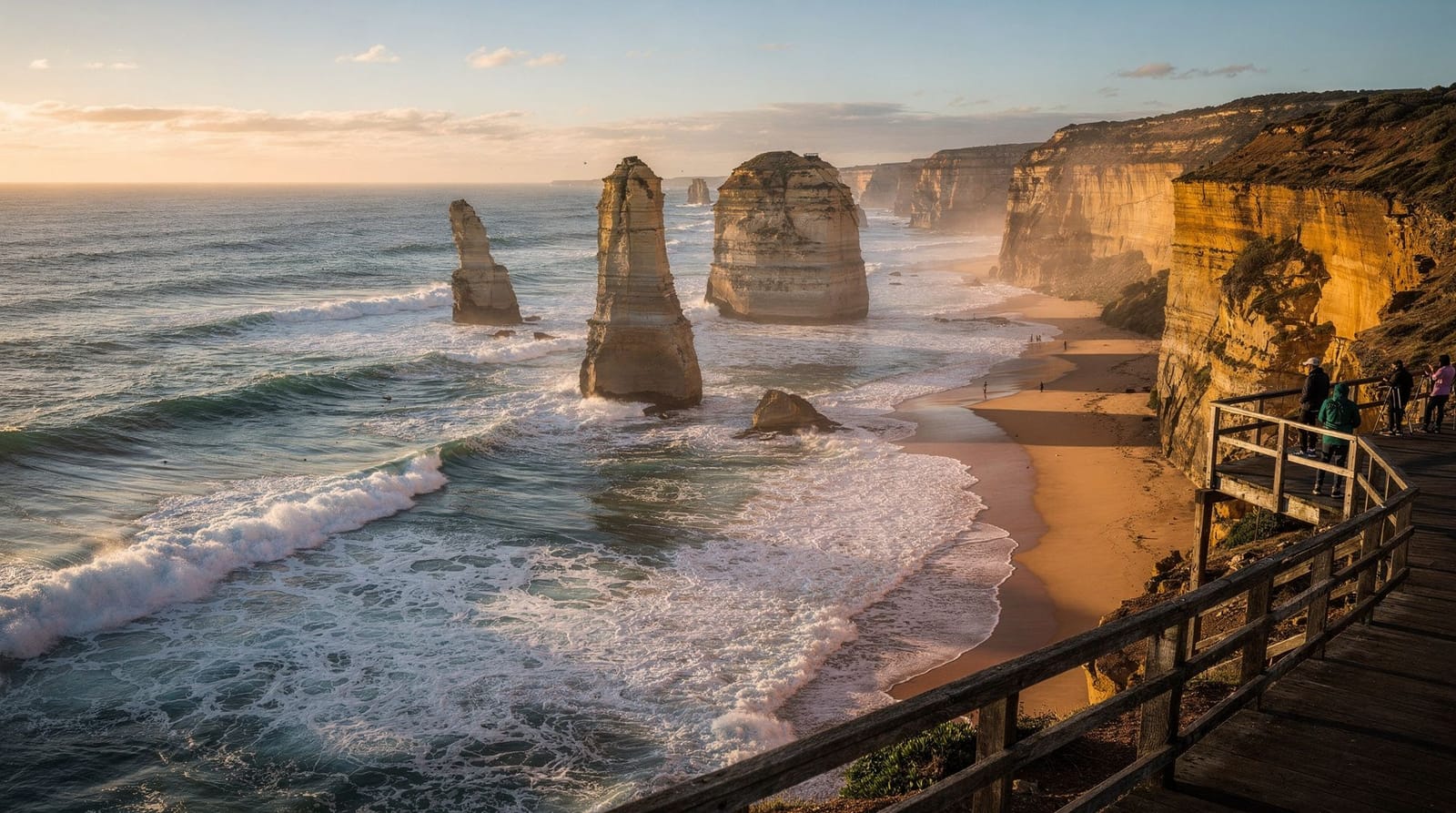 From melbourne great ocean road 12 apostles tourCheck availability
Not booking the Penguin Parade ahead
The Penguin Parade on Phillip Island has a strict, ticketed viewing capacity, and walk-up entry isn’t guaranteed, particularly in summer and school holidays. Booking a few days ahead removes this risk entirely.
 Penguin parade general viewing ticketCheck availability
Skipping the region entirely
Some first-timers treat Melbourne purely as a city break and never venture beyond the CBD and Southbank, missing the genuinely distinctive regional day trips — the Great Ocean Road, Phillip Island’s wildlife, Yarra Valley wine country — that set Melbourne apart from many comparable capital cities. Even a single well-chosen day trip meaningfully changes the character of a Melbourne visit.
Assuming public transport works exactly like your home city’s
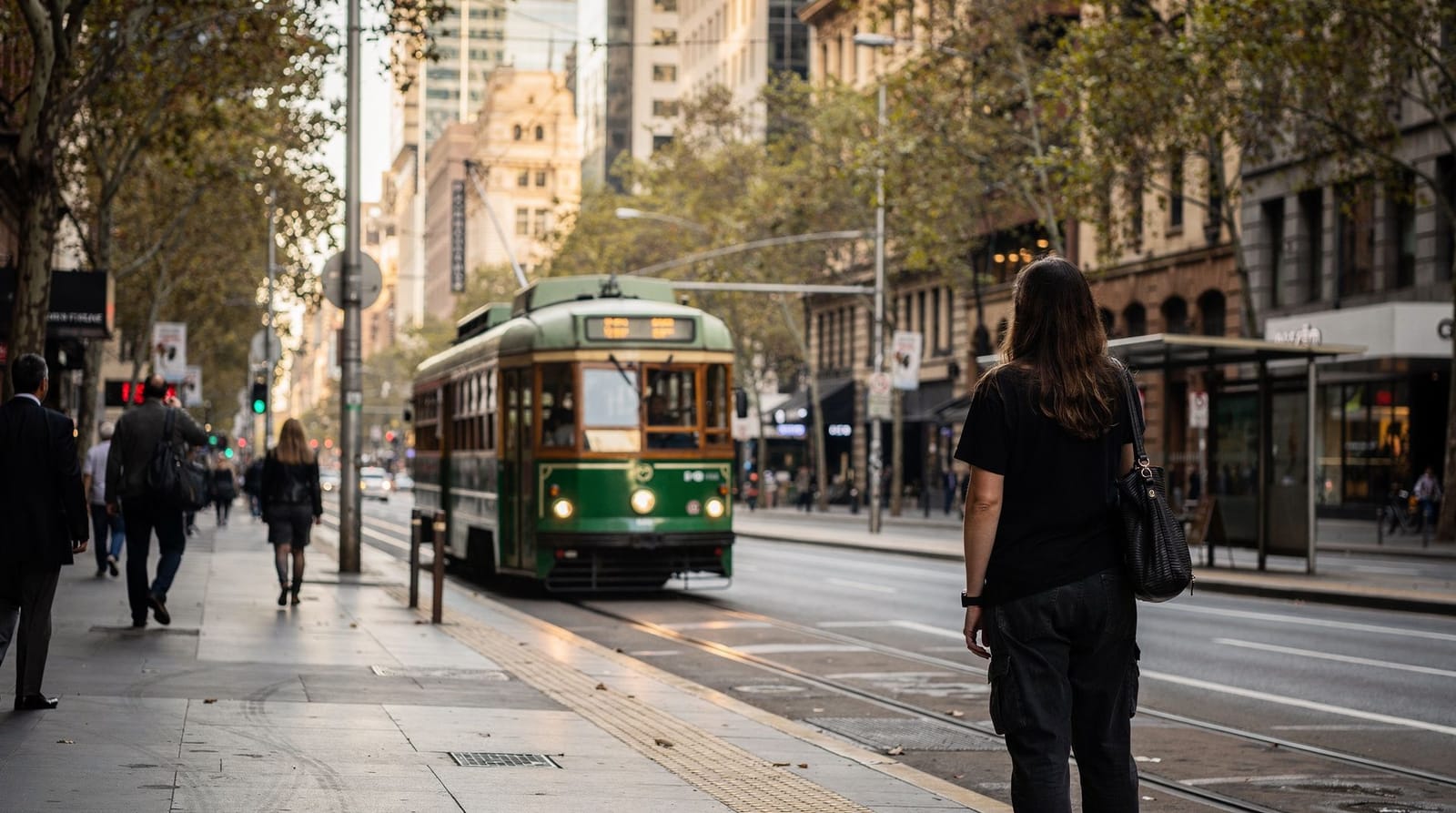
First-timers occasionally assume Melbourne’s tram system works identically to a metro or subway, forgetting to touch on with a Myki card outside the Free Tram Zone and picking up an on-the-spot fine from a roving inspector — a genuinely avoidable, entirely preventable mistake. Equally common is the reverse error: touching on inside the Free Tram Zone unnecessarily, which deducts fare when it didn’t need to. Understanding exactly where the zone’s boundaries sit before your first tram ride avoids both mistakes.
Underestimating queues at popular free attractions
Because entry to places like the NGV and the Royal Botanic Gardens is free, some visitors assume there’s no need to plan around timing — but popular exhibitions at the NGV and peak-season weekend crowds at the market can still mean real queues despite no ticket cost being involved. Treating free attractions with the same timing awareness as paid ones (arriving early on weekends, checking if a specific exhibition needs a timed entry booking) avoids an avoidable wait.
Not accounting for how spread out the city actually is
Melbourne’s inner suburbs (Fitzroy, St Kilda, Richmond, Footscray) are genuinely worth visiting, but first-timers sometimes underestimate that they require a deliberate tram or train trip rather than being a short walk from the CBD the way some equivalent neighbourhoods sit in more compact cities. Budgeting 20-30 minutes of transport time each way for a neighbourhood excursion, rather than assuming everything is walkable, prevents a day’s itinerary from running badly over schedule.
Booking accommodation without checking the tram or train connection
Because Melbourne’s best neighbourhoods and attractions are spread across a genuinely large metropolitan area, booking accommodation purely on price or a generic “central Melbourne” search result without checking its actual tram or train connection to where you plan to spend most of your time can add unnecessary daily transit time to an entire trip. A quick check of a hotel’s nearest tram stop or train line against your planned itinerary before booking avoids this.
Forgetting sun protection outside of summer
Australia’s UV index runs high even on cool, overcast days, and visitors used to associating sun protection only with hot weather sometimes get caught out on a mild-feeling but high-UV autumn or spring day. Sunscreen is worth applying regardless of how warm it actually feels.
Overpacking the itinerary itself
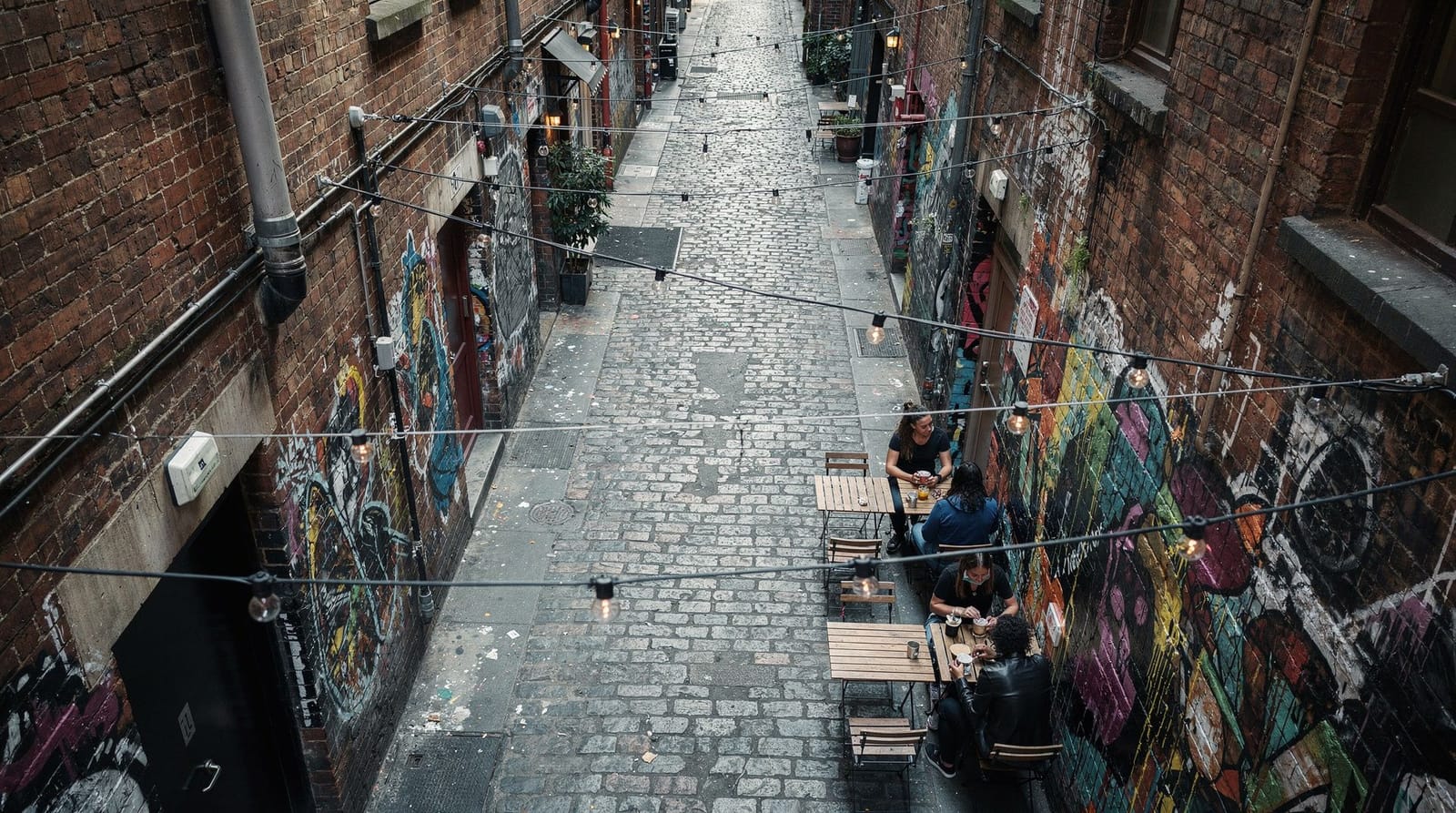
Beyond specific logistical errors, a broader mistake is scheduling a Melbourne trip too tightly — back-to-back attractions with no buffer for a slower café morning or an unplanned laneway detour, which is exactly where the city delivers its best moments. A 3-day itinerary built with genuine breathing room between fixed points tends to produce a better trip than one crammed with every recommended stop. This compounds with the region: cramming a day trip onto the same day as a full CBD sightseeing schedule usually means arriving tired and rushing both.
Not budgeting realistically before arriving
A related planning mistake is arriving with a vague sense of Melbourne’s costs rather than a specific daily figure to plan against — this tends to produce either overspending early in the trip or an uncomfortably tight final few days. Our Melbourne budget guide breaks down realistic daily figures by travel style, which is worth checking before booking accommodation, since that’s where the biggest gap between budget tiers actually opens up.
a guided city highlights walk to get oriented fastFrequently asked questions about first-time Melbourne mistakes
What’s the biggest mistake first-time Melbourne visitors make?
Packing for the wrong season is the most common — remembering that December is summer and June is winter here, the reverse of the Northern Hemisphere calendar, changes almost every other planning decision.
Is it a mistake to skip Melbourne’s day trips?
For most visitors, yes — the Great Ocean Road, Phillip Island and Yarra Valley are a significant part of what makes Melbourne distinctive as a base, and skipping them entirely misses a meaningful part of the region’s appeal.
Should first-time visitors drive the Great Ocean Road themselves?
Only if you’re a confident left-hand driver — the coastal sections are narrow and winding, and a guided tour is a genuinely reasonable, low-stress alternative for anyone unfamiliar with driving on the left.
Do first-time visitors need to book attractions in advance?
For the Penguin Parade specifically, yes, especially in summer and school holidays. Most CBD attractions (galleries, markets) don’t require advance booking, though popular day tours benefit from booking a few days to a few weeks ahead depending on season.
Do visitors often misunderstand Melbourne’s Myki and Free Tram Zone system?
Yes — it’s one of the more common mix-ups, either forgetting to touch on outside the Free Tram Zone (risking a fine) or touching on unnecessarily inside it (wasting fare). Learning the zone’s boundaries before your first tram ride avoids both errors.
Is Melbourne more spread out than first-time visitors expect?
Yes — inner suburbs like Fitzroy, St Kilda and Footscray are genuinely worth visiting but require a deliberate 20-30 minute tram or train trip rather than being a short CBD walk, which surprises visitors used to more compact city centres.
Should I check transport links before booking Melbourne accommodation?
Yes — checking a hotel’s nearest tram stop or train line against your planned itinerary before booking prevents unnecessary daily transit time across a trip built around specific neighbourhoods or attractions.