Healesville Sanctuary: tickets, platypus shows and what to see
Healesville Sanctuary: Healesville sanctuary general admission ticket
How much does Healesville Sanctuary cost and is it worth visiting?
General admission runs around 45-50 AUD for adults, with concession and family pricing available, and it's genuinely worth it for anyone wanting reliable close-up sightings of harder-to-spot Australian natives like platypus and Tasmanian devils in naturalistic, spacious enclosures rather than staged photo-op setups. Budget half a day to a full day; it's about 65 km and a 1h15 drive from central Melbourne.
Where platypus sightings are actually reliable
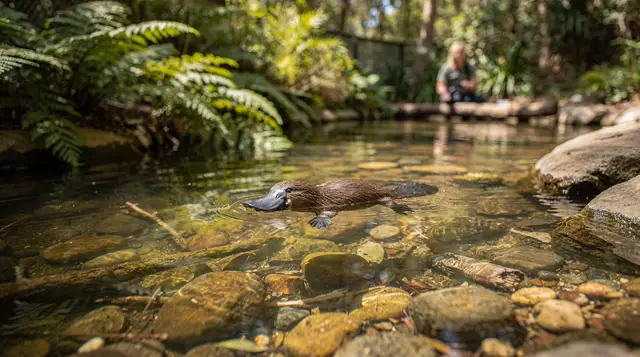
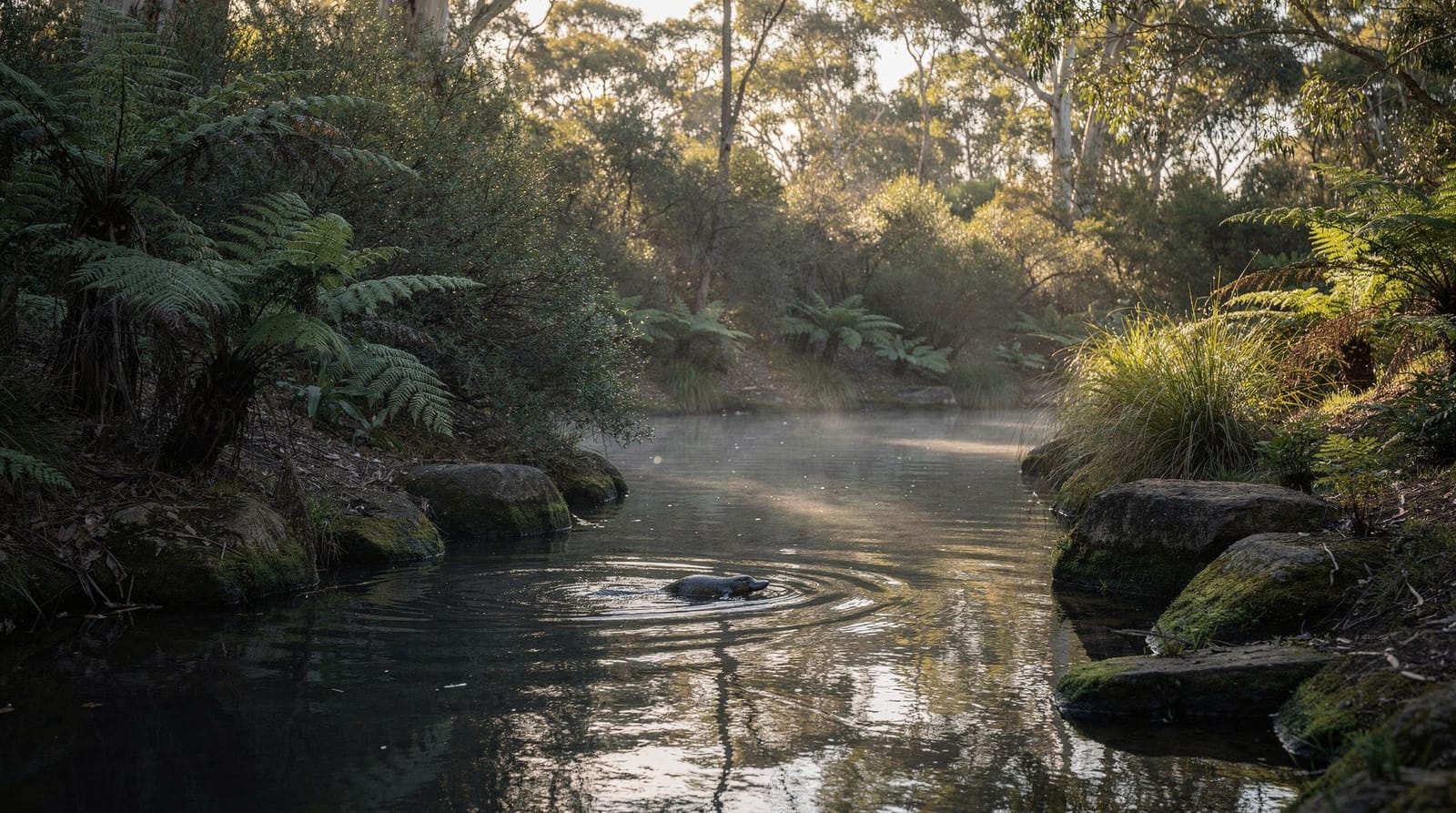
Healesville Sanctuary, run by the not-for-profit Zoos Victoria, holds a genuine claim to wildlife history: in 1943 it became the first place in the world to successfully breed platypus in captivity, a species so biologically unusual and behaviourally shy that even today, spotting one in the wild — mostly active around dawn and dusk in murky creek water — is a matter of patience and luck more than planning. The sanctuary’s dedicated platypus exhibit solves that problem with naturalistic creek habitat viewed through glass, giving visitors a far more reliable, well-lit look at the animal than almost anywhere else in Australia.
That reliability, more than any single animal, is the real case for visiting: Healesville is built around giving visitors close, unhurried views of native species that are genuinely difficult to see in the wild, in enclosures designed to feel like bushland rather than a conventional zoo.
| Where | Healesville, eastern edge of the Yarra Valley, ~65 km from Melbourne |
| Cost | Around 45-50 AUD adult general admission |
| Time needed | 3-4 hours for the highlights, a full day at a leisurely pace |
| Getting there | ~1h15 self-drive; no direct train, tours bundle transport |
| Best time | Morning for animal activity; spring/autumn for weather |
Tickets and getting there
General admission runs approximately 45-50 AUD for adults, with concession, senior and family pricing available on top, and booking general admission online ahead of a visit is worth doing to skip the gate queue on busy weekends and school holidays. The sanctuary sits about 65 km northeast of Melbourne, roughly a 1h15 drive via the Maroondah Highway through Lilydale and into the Yarra Valley.
There’s no direct train service, so visitors without a car typically either rent one for the day or join a bundled tour — the private Yarra Valley wine and Healesville Sanctuary tour combines both in a single day, handling transport between the winery stops and the sanctuary itself.
What’s inside — the main exhibits
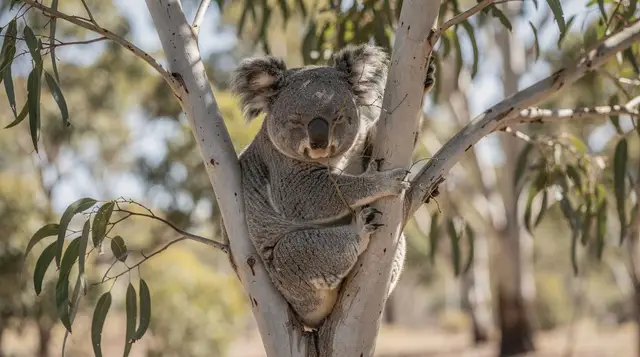
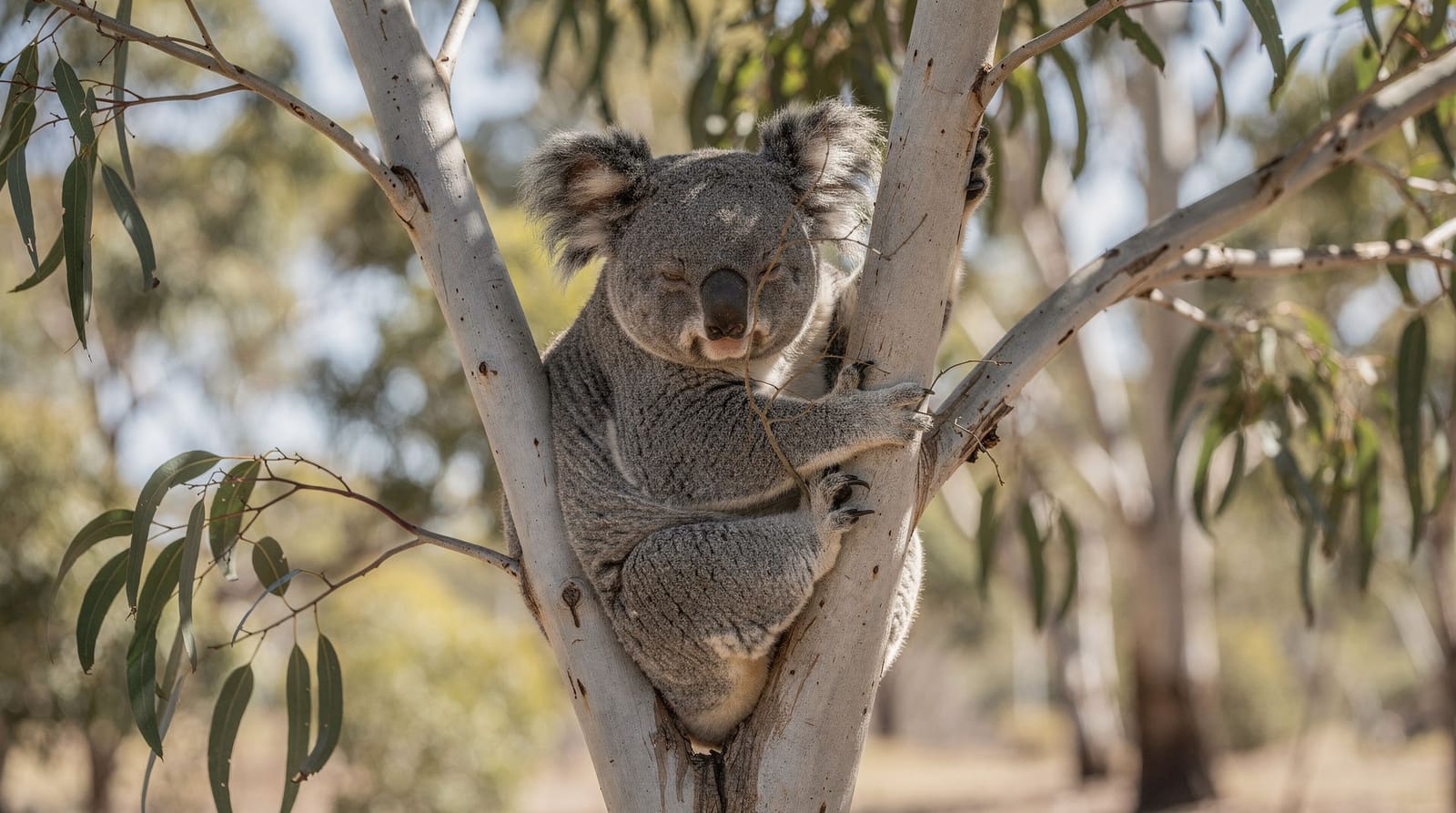
Beyond the platypus house, Healesville Sanctuary’s other headline exhibit is its Tasmanian devil enclosure, part of the sanctuary’s genuine conservation role in the insurance population program for a species under serious threat from facial tumour disease in the wild. Koalas, dingoes, wombats, echidnas and a wide range of native reptiles round out the main walking loop, all set in spacious bushland-style enclosures with generous vegetation rather than bare concrete pens.
The sanctuary’s Birds of Prey free-flight show, held at scheduled times through the day in an open-air amphitheatre, is one of the better wildlife demonstrations in Victoria — wedge-tailed eagles, owls and other raptors fly at close range over the seated audience, handled by keepers who narrate each bird’s natural history and the sanctuary’s rehabilitation work with injured wild birds. Checking the current show schedule on arrival and building the visit around at least one full performance is worth prioritising rather than treating it as background noise to a self-guided wander.
How long to budget
A thorough visit covering the platypus house, Tasmanian devils, one Birds of Prey show and a relaxed walk through the rest of the enclosures takes 3-4 hours. Families with younger children, or anyone wanting to also fit in the sanctuary’s café and gift shop at a leisurely pace, should budget closer to a full day, particularly if combining the visit with Yarra Valley wine tasting on the same trip.
Weather considerations
Most of Healesville Sanctuary is outdoors in open bushland enclosures, with the platypus house and several bird and reptile displays under cover. That makes it more weather-dependent than a fully indoor attraction — light rain is manageable with a jacket, but a genuinely wet, cold day is a less comfortable visit than somewhere fully enclosed like SEA LIFE Melbourne Aquarium or Scienceworks. Spring and autumn offer the most comfortable walking conditions; summer heat can make the open-air sections warm by midday, so an earlier start is worth considering in December-February.
Combining with Yarra Valley wine and Puffing Billy
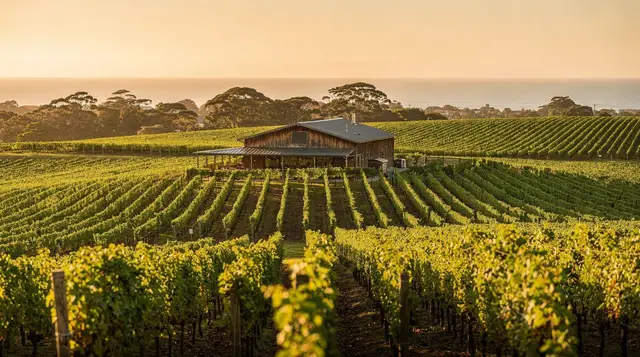
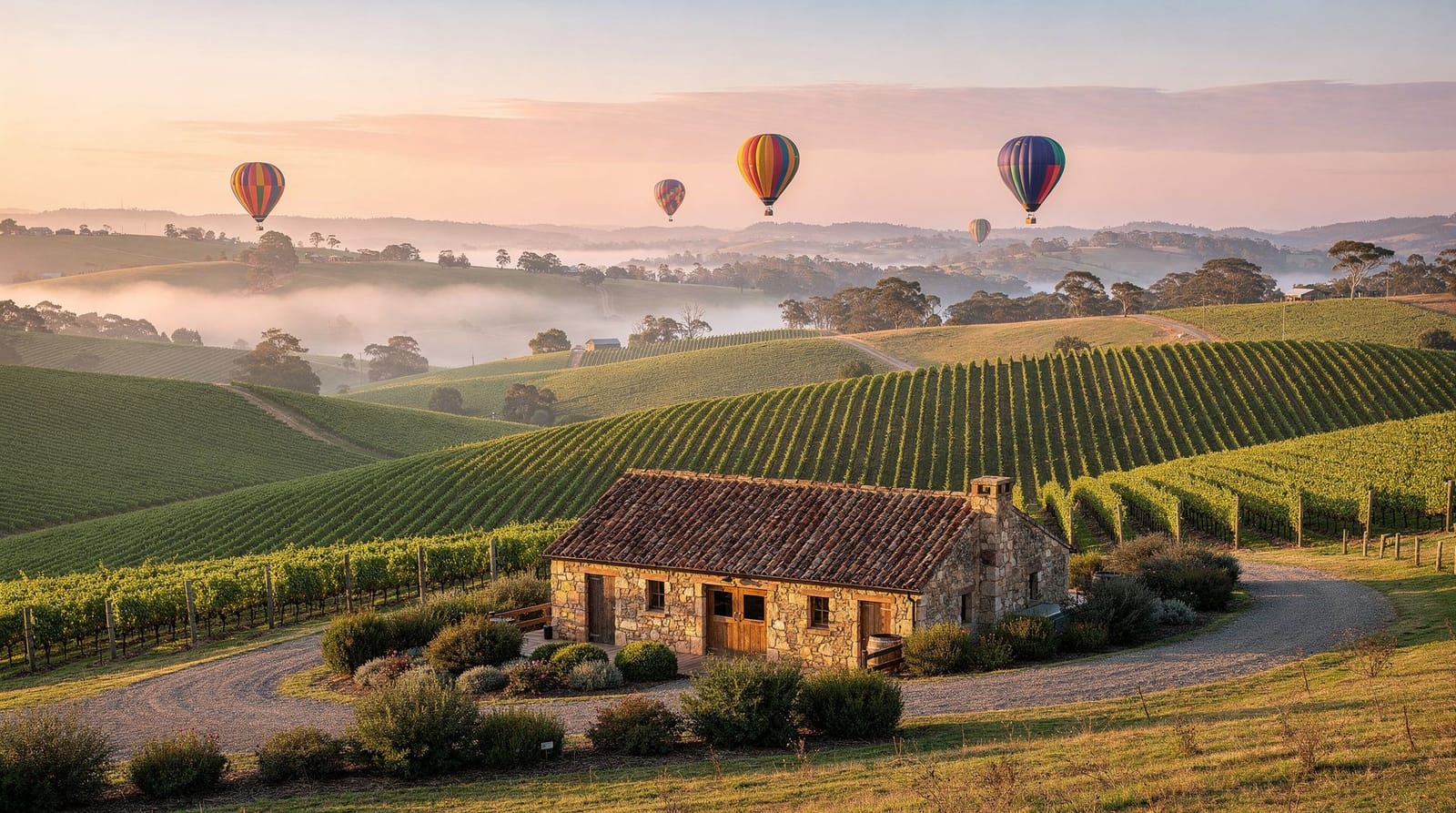
Healesville sits right at the eastern edge of the Yarra Valley wine region, and pairing sanctuary entry with a winery visit is one of the most common day-trip structures from Melbourne — the two areas are only about 15-20 minutes apart by car.
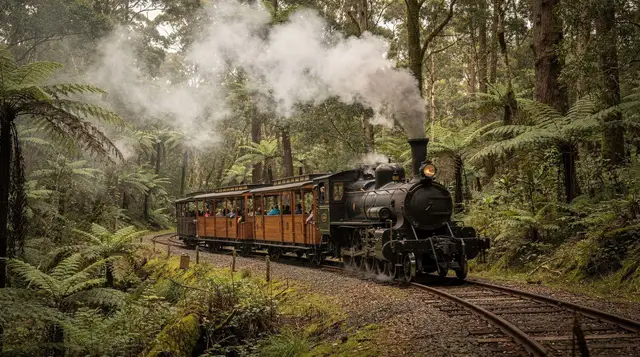
For visitors who also want the Dandenong Ranges’ famous heritage steam train, the Healesville Sanctuary and Puffing Billy day tour bundles both into one day, and for those wanting a broader wildlife day that also includes Phillip Island, the Healesville Sanctuary and Phillip Island wildlife tour covers a wider loop, though it’s a genuinely long day given the distances involved.
Self-drivers building a full Yarra Valley day typically visit Healesville Sanctuary in the morning while energy and animal activity are both higher, then move on to winery lunches and tastings in the afternoon once the sanctuary’s opening rush has settled. For a complete picture of the region’s wineries, see Yarra Valley wine guide, and for the full destination overview, Yarra Valley.
Conservation work behind the exhibits
Because Zoos Victoria operates Healesville Sanctuary as a not-for-profit conservation organisation rather than a purely commercial zoo, ticket revenue funds genuine field research and breeding programs — the platypus program’s historic 1943 breakthrough set the template, and today the sanctuary plays an active role in insurance breeding populations for threatened species including the Tasmanian devil and several critically endangered native birds. Understanding this reframes what can otherwise look like a standard zoo visit: many of the animals on display are part of active conservation programs extending well beyond the enclosures visitors see.
Accessibility
The main walking loop is a sealed, mostly flat path suitable for prams and most wheelchairs, with accessible parking near the entrance. Some side trails through denser bushland sections have a rougher, less formal surface, so visitors with significant mobility needs should stick to the main loop, which still covers all the headline exhibits including the platypus house and Tasmanian devil enclosure. Mobility scooters and wheelchairs can be hired on site for visitors who need them, and accessible toilets are available at several points around the grounds rather than only near the main entrance, which matters given how much ground the site covers overall.
Gift shop, souvenirs and supporting the sanctuary directly
The sanctuary’s gift shop near the entrance stocks a range of Australian wildlife-themed merchandise, books on native species and conservation, and items specifically tied to the platypus and Tasmanian devil breeding programs, with a portion of proceeds directed back into those programs. For visitors who want a more direct way to support the sanctuary’s conservation work beyond the ticket price itself, adopting an animal through Zoos Victoria’s symbolic adoption program (covering the cost of an animal’s care for a period) is available both on site and online, and makes a genuinely meaningful souvenir for anyone who found a particular species memorable during their visit.
Healesville Sanctuary versus Victoria’s other wildlife parks
Compared with Phillip Island’s wild colonies, Healesville trades genuine wildness for near-guaranteed sightings of harder-to-spot species — you won’t see a platypus this reliably anywhere else in the state, but the animals here live in managed enclosures rather than a fully open reserve. Against Moonlit Sanctuary, a smaller, more intimate wildlife park closer to Melbourne on the Mornington Peninsula side, Healesville offers a considerably larger site with a stronger conservation and research profile, at the cost of a longer drive.
For a side-by-side comparison focused specifically on koalas across all of Victoria’s sanctuaries, see koala spotting in Victoria.
Food and facilities on site
Healesville Sanctuary has an on-site café serving meals and snacks with outdoor seating overlooking parts of the grounds, plus a gift shop near the entrance. Picnic areas are available for visitors bringing their own food, a popular option for families spending a full day on site rather than relying solely on the café during peak lunch hours.
Best time of day and year to visit
Morning visits generally see higher animal activity, particularly for the platypus (most active feeding in cooler, quieter periods) and birds ahead of the free-flight show. Weekday visits outside school holidays are noticeably quieter than weekends, when the sanctuary draws heavy family traffic from across greater Melbourne. Spring and autumn offer the most comfortable overall conditions for a few hours of outdoor walking between exhibits, though the sanctuary operates and remains worthwhile year-round, including through Victoria’s cooler winter months when many of the enclosures’ resident species are just as active.
The sanctuary’s history and its platypus legacy
Healesville Sanctuary opened in 1934, and less than a decade later, in 1943, it achieved a genuine world first: the successful captive breeding of a platypus, an animal so biologically unusual — egg-laying, venomous in males, electroreceptive — that captive breeding had eluded every previous attempt anywhere on Earth. That single breakthrough shaped the sanctuary’s identity for the following eight decades, cementing its reputation as Australia’s foremost centre for platypus research and conservation, a status it retains today through ongoing breeding and research programs that extend well beyond what visitors see in the public viewing exhibit.
Understanding this history adds real weight to what can otherwise look like a single exhibit among many — the platypus house represents genuine, hard-won scientific achievement rather than just another zoo display.
Keeper talks and daily programming
Beyond the scheduled Birds of Prey free-flight show, Healesville Sanctuary runs a rotating program of shorter keeper talks throughout the day at various enclosures, covering everything from Tasmanian devil conservation efforts to the sanctuary’s dingo program. These talks aren’t always heavily signposted in advance, so checking the daily program board near the entrance on arrival and building the day loosely around whichever talks are scheduled tends to add considerably more depth to a visit than simply wandering the enclosures independently.
Staff and volunteer guides are also often stationed near specific high-interest exhibits, including the platypus house, and are generally happy to answer detailed questions beyond what the interpretive signage covers.
Zoos Victoria membership, and whether it’s worth it
Because Healesville Sanctuary is run by Zoos Victoria alongside Melbourne Zoo and Werribee Open Range Zoo, an annual membership covering unlimited entry to all three sites is worth genuine consideration for any traveller planning more than a single visit across a longer Victoria stay — families basing themselves in Melbourne for a week or more, or anyone splitting their time between the city and the Yarra Valley across separate trips, often find the membership pays for itself after just two visits compared with buying general admission separately each time. It’s a less obvious option for a single short city-break visit, where standard general admission remains the simpler choice.
The Sanctuary’s role in bushfire recovery and wildlife rescue
Zoos Victoria, and Healesville Sanctuary specifically, play an active role in wildlife emergency response during Victoria’s bushfire season, taking in injured native animals for rehabilitation and, in some cases, housing displaced or recovering wildlife temporarily as part of broader statewide bushfire recovery efforts. This isn’t always visible during a standard visit, but it’s part of the sanctuary’s broader conservation mandate beyond the animals on permanent public display, and it’s one of the more concrete ways ticket revenue and membership fees translate into on-the-ground conservation work across the state rather than only funding the visitor experience itself.
Visiting with school groups and the education program
Healesville Sanctuary runs a structured education program aimed at school groups, and on weekdays during term time, it’s not unusual to share the grounds with organised school excursions, particularly in the late morning. This rarely affects the overall visitor experience meaningfully, since the sanctuary’s grounds are large enough to absorb the extra foot traffic, though families visiting specifically for a quiet, uncrowded experience may prefer school holiday periods or weekends despite the slightly higher general visitor numbers on those days, simply to avoid the concentrated school-group crowds that build around particular exhibits during scheduled class visits.
Membership perks beyond entry
Beyond unlimited entry across the three Zoos Victoria sites, membership typically includes discounts on food and retail purchases on site, and members often receive early or exclusive access to special events, including seasonal night-time openings or new-exhibit previews when the sanctuary introduces updated enclosures or programs. For repeat visitors or Melbourne-based families who visit several times a year, these smaller perks add up alongside the core entry-fee savings, though they’re a secondary consideration behind the basic cost calculation for most first-time or one-off visitors.
Nearby wineries and Yarra Valley towns worth combining
Beyond the well-known winery day trip pairing, Healesville the township itself is worth a short walk beyond the sanctuary gates — it has a growing reputation for its own small-scale food and wine offerings, including Four Pillars Gin’s distillery and cellar door, a short drive from the sanctuary. Visitors extending a day beyond just the sanctuary and a single winery often use Healesville township as a lunch base before continuing further into the Yarra Valley proper toward Yarra Glen and the valley floor’s larger wine estates.
What to do if the platypus isn’t visible
Platypus are naturally shy and most active during low-light, quieter periods, and it’s not unusual for the exhibit’s viewing windows to show an empty or resting enclosure at any given moment during a visit, even with the naturalistic creek habitat designed to maximise viewing odds. If this happens, the sanctuary’s platypus keepers can often advise on typical activity patterns for that specific day, and returning to the exhibit later in the visit, after seeing other enclosures first, sometimes catches the animal at a more active moment.
This is simply the honest reality of exhibiting a naturally elusive species — even Healesville’s world-leading facility can’t guarantee a sighting on every single visit, though the odds remain considerably better here than anywhere in the wild.
Practical tips for a smoother visit
Arrive close to opening if the platypus house and Birds of Prey show are the priorities, since both draw crowds later in the day. Wear comfortable walking shoes — the site covers a genuinely large area of bushland trails between exhibits, more ground than a typical inner-city museum. Bring sun protection even on a mild day, since much of the walking route is exposed rather than shaded, and check the current Birds of Prey show schedule at the entrance gate rather than assuming a fixed daily time, since sessions can shift seasonally.
Mobile phone reception around Healesville and the sanctuary grounds can be patchy given the surrounding hilly, forested terrain, so downloading or printing any confirmation tickets ahead of arrival is worth doing rather than relying on pulling them up on arrival. Cash and card payment are both accepted at the on-site cafe and gift shop, though as with much of regional Victoria, having a card as backup rather than relying solely on cash is the more reliable approach.
Finally, if the visit is part of a longer Yarra Valley day involving wine tasting later on, doing the sanctuary first, while everyone in the group is at their most alert, tends to work better than trying to fit in a full walking visit after a leisurely lunch and several winery stops.
Parking and arrival
Free on-site parking is available at Healesville Sanctuary, with additional overflow parking used on the busiest weekends and school holiday periods. Arriving close to opening not only helps with the platypus house and Birds of Prey queues but also secures a closer parking spot before the car park fills through the late morning. Signage from the Maroondah Highway into Healesville township and onward to the sanctuary is clear, though as with much of the surrounding hilly terrain, GPS navigation occasionally lags — following the physical road signs once you’re within a few kilometres of town is the more reliable approach.
A sample half-day route
For visitors with limited time, a focused half-day route works well: arrive at opening and head straight to the platypus house before the mid-morning rush, then the Tasmanian devil enclosure while activity is still relatively high, followed by the Birds of Prey free-flight show at its first scheduled session. Finish with a shorter loop through the koala, wombat and reptile enclosures on the way back to the entrance, allowing time for the gift shop if souvenirs are a priority. This route covers every headline exhibit in around 2.5-3 hours, leaving the rest of the day free for Yarra Valley wine tasting or the drive back to Melbourne.
Photography tips inside the sanctuary
The platypus house’s viewing glass can produce reflections under bright midday light, so a polarising filter or simply shading the lens with a hand helps cut glare for photos through the windows. The Birds of Prey show offers some of the best action photography in the sanctuary, with raptors flying low and close over the amphitheatre seating — a faster shutter speed helps freeze wingbeats, though the show also rewards simply watching without a camera for at least one pass. Overcast days generally produce more even light across the open bushland enclosures than harsh midday sun, which can create strong shadows in the denser vegetation around the koala and wombat exhibits. A zoom lens helps for the raptor flypasts and for koalas resting higher in the canopy, though a phone camera handles most ground-level enclosures perfectly well.
What isn’t included in general admission
General admission covers the full walking loop, the platypus house, Tasmanian devil enclosure and the scheduled Birds of Prey free-flight show, but a handful of optional extras sit outside the base ticket price — behind-the-scenes keeper experiences, some seasonal night-time openings and special photography sessions with selected animals are typically booked and paid separately, often with limited daily capacity. These aren’t necessary for a satisfying first visit, but worth knowing about in advance if a closer, hands-on animal encounter is specifically what you’re after rather than the standard walking-loop experience.
More tours on Viator
Top-rated experiences with verified reviews, bookable on Viator (a Tripadvisor company).


Frequently asked questions about Healesville Sanctuary
Will I actually see a platypus at Healesville Sanctuary?
Very likely, yes — Healesville Sanctuary (run by Zoos Victoria) achieved the world's first successful captive platypus breeding back in 1943 and has a dedicated nocturnal-house-style platypus exhibit with viewing windows into naturalistic creek habitat, giving far more reliable sightings than trying to spot one in the wild, where platypus are notoriously shy and mostly active at dawn and dusk.What animals can you see at Healesville Sanctuary?
Beyond platypus, the sanctuary holds Tasmanian devils, koalas, dingoes, wombats, echidnas, a wide range of native birds including a free-flight Birds of Prey show, and various reptiles, all housed in spacious, naturalistic bushland enclosures rather than conventional zoo cages.How far is Healesville Sanctuary from Melbourne?
About 65 km, roughly a 1h15 drive from the CBD via the Maroondah Highway through the outer eastern suburbs and into the Yarra Valley. There's no direct train; visitors without a car typically join a bundled day tour or drive via rental car.Is Healesville Sanctuary good for a rainy day?
Partially — many exhibits are outdoors in open bushland enclosures, though the platypus house and several bird and reptile displays are undercover. It's more weather-dependent than a fully indoor attraction, so light rain is manageable but a genuinely wet, cold day is less comfortable than visiting somewhere fully enclosed.Can I combine Healesville Sanctuary with Yarra Valley wine tasting?
Yes, and it's one of the most common day-trip pairings from Melbourne — Healesville sits at the eastern edge of the Yarra Valley wine region, and several tours combine sanctuary entry with winery visits, or you can self-drive between the two given they're only about 15-20 minutes apart.What time should I visit to see the free-flight bird show?
The Birds of Prey free-flight display runs at scheduled times through the day (check the current program on arrival, as times can shift seasonally), featuring wedge-tailed eagles, owls and other raptors flying at close range over an open-air amphitheatre. Arriving with time to see at least one full show is worth building into the visit rather than treating it as optional.
Top experiences
Bookable activities with verified prices and instant confirmation on GetYourGuide.