Mornington Peninsula wineries: wine, coast and hot springs in one day
Melbourne: Melbourne mornington peninsula hot springs and winery tour
What makes Mornington Peninsula wine different from Yarra Valley wine?
Mornington Peninsula's wineries sit closer to Port Phillip Bay and Bass Strait, giving a slightly cooler, more maritime-influenced climate than the inland Yarra Valley, with a similar focus on Pinot Noir and Chardonnay but a reputation for a more restaurant-and-scenery-driven day out — many cellar doors here are as well known for their food and coastal views as for the wine itself.
Cool-climate, coastal and increasingly food-driven, the Mornington Peninsula’s wine region around Red Hill and Main Ridge has grown into one of Victoria’s two headline wine day trips alongside the Yarra Valley. This guide covers the estates worth prioritising, how to pace a realistic day, and how wine fits alongside the peninsula’s coast and hot springs — see the Mornington Peninsula day trip guide for the fuller logistics of combining all three.
| Where | Red Hill / Main Ridge, roughly 75-90 minutes from Melbourne |
| Cost | Tastings around AUD 10-25pp; restaurant lunches AUD 60-120pp |
| Time needed | Full day for 2-3 estates; longer with hot springs added |
| Getting there | Tour or private driver recommended given drink-driving laws |
| Best time | Autumn or spring for touring; winter to pair with hot springs |
Other estates worth a mention
Beyond the names already covered in depth, Yabby Lake, near Red Hill, has built a strong reputation for both its Pinot Noir and its restaurant, worth considering as an alternative if Ten Minutes by Tractor’s restaurant is fully booked. Willow Creek Vineyard, closer to Balnarring, offers a quieter, less crowded cellar door experience with a solid restaurant of its own, a reasonable choice for a group that wants to avoid the busiest names on a peak weekend. Crittenden Estate, one of the peninsula’s older producers, is known for its Italian and Spanish varietal experiments alongside more traditional Pinot Noir and Chardonnay, appealing to visitors who want to taste something a little different from the standard cool-climate lineup.
Wine with a coastal backdrop
The Mornington Peninsula’s wine region, clustered mainly around the elevated ridges of Red Hill and Main Ridge, sits close enough to both Port Phillip Bay and Bass Strait that many cellar doors offer genuine water views alongside their tastings — a meaningfully different character from the more inland, historically dense Yarra Valley. The peninsula’s cooler maritime climate suits the same core varieties, Pinot Noir and Chardonnay, but the overall day-trip experience here leans more toward a broader food-wine-scenery combination, helped by the region’s genuinely strong restaurant scene at several of its best-known estates.
Understanding why this specific area suits Pinot Noir
The Red Hill and Main Ridge area sits at meaningful elevation compared with the surrounding lower peninsula, and that elevation, combined with the cooling influence of both Port Phillip Bay to the north and Bass Strait to the south, creates a genuinely marginal, cool climate for grape growing — the kind of borderline conditions that, when it works, tends to produce Pinot Noir with more complexity and restraint than warmer, more reliable growing regions.
This marginality is a double-edged sword: vintages vary more here than in a more forgiving climate, meaning a wine from a particularly good year can be genuinely exceptional, while a difficult year produces something considerably more modest — a nuance serious Mornington Peninsula wine drinkers pay attention to when buying, and worth asking cellar door staff about if you want to understand which recent vintages are considered the region’s strongest.
Ten Minutes by Tractor: the region’s benchmark
Ten Minutes by Tractor, named for the distance that historically separated its three founding vineyard blocks (moved by tractor between them), is the peninsula’s most consistently awarded producer, known for serious single-vineyard Pinot Noir and Chardonnay bottlings that regularly appear in national wine rankings. Its restaurant is equally well regarded and features in national best-restaurant conversations most years — booking well ahead, especially for a weekend lunch, is essential if a meal here is a priority rather than an afterthought.
A typical day’s itinerary, hour by hour
For a concrete sense of pacing: a realistic day might start with a 10am tasting and light lunch at Ten Minutes by Tractor (booked well ahead), followed by a mid-afternoon visit to Montalto for its sculpture trail and a second, more relaxed tasting, before finishing at Peninsula Hot Springs for a late-afternoon soak as the day cools down. This kind of three-stop structure — one serious wine-and-food stop, one relaxed grounds-and-tasting stop, one non-wine activity to close the day — tends to work better than trying to cram in four or five separate cellar door visits, which risks turning a considered wine day into a rushed, samey blur of similar tasting rooms.
Montalto: wine, sculpture and a working kitchen garden
Montalto, near Red Hill, pairs its cellar door with a sculpture trail through the vineyard and surrounding bushland and a kitchen garden that supplies its restaurant — a good stop for visitors who want to spend an unhurried couple of hours rather than a quick tasting-and-move-on visit. The relaxed, walkable grounds make it one of the more approachable estates for a mixed group that includes non-drinkers.
Accessibility across the peninsula’s cellar doors
Accessibility varies by estate — newer, purpose-built cellar doors like Port Phillip Estate generally offer level or ramped access and accessible toilets, while some of the region’s older or more rustic farmhouse-style cellar doors have more variable access, including steps or uneven outdoor terrain across vineyard grounds. If mobility is a specific consideration, checking directly with a specific winery ahead of a visit is worthwhile, particularly for estates like Montalto with extensive outdoor sculpture trails and gardens.
Booking ahead during peak season
Summer weekends (December-February) and the lead-up to Melbourne Cup and Christmas see the peninsula’s most popular cellar doors and restaurants booking out well in advance, sometimes several weeks ahead for the most sought-after Saturday lunch slots at Ten Minutes by Tractor or Montalto. If your visit falls in this window, booking as soon as your Mornington Peninsula plans are confirmed, rather than waiting until closer to the date, meaningfully improves your odds of securing a table at the region’s most in-demand venues.
Weekday visits and avoiding the worst crowds
Given the peninsula’s popularity as a Melbourne weekend escape, a weekday visit — Tuesday through Thursday specifically — offers a meaningfully quieter experience at every cellar door covered in this guide, often with more attentive service from staff who aren’t managing a full weekend rush. If your schedule has any flexibility at all, shifting a Mornington Peninsula day trip to a weekday is one of the single most effective ways to improve the quality of the experience without any additional cost.
Mornington Peninsula versus the Yarra Valley: the deciding factors
If you can only fit in one Victorian wine region and are genuinely torn between the two covered in this pair of guides, a few concrete factors should decide it. Choose the Yarra Valley if you’re short on time (it’s closer to Melbourne), want the more historically significant estates, or are travelling with a group that wants a straightforward, focused wine day without much else competing for attention. Choose Mornington Peninsula if you want to combine wine with coastal scenery and beaches, have a full day or more to spend given the longer drive, or specifically want the hot springs combination that doesn’t have a Yarra Valley equivalent.
Neither choice is wrong, and repeat visitors to Melbourne often do both across separate trips rather than trying to force a single “winner.”
The peninsula’s food-and-wine trail concept
In recent years, tourism bodies covering the Mornington Peninsula have promoted a loosely defined “food and wine trail” concept, encouraging visitors to think beyond wine alone toward a broader circuit including local cheese producers, olive groves, and small-batch food producers scattered across the same rural landscape as the wineries. This is a useful framing if you want your day to feel like a genuine regional food exploration rather than purely a wine-tasting exercise — asking at any cellar door about nearby producers worth a stop (a local cheesemaker, an olive oil producer) often turns up a worthwhile short detour that isn’t always on the standard tourist-facing map.
Port Phillip Estate and Paringa Estate
Port Phillip Estate, with its striking modern architecture overlooking its own vines, and Paringa Estate, one of the region’s older and most awarded small producers, both represent the more serious, wine-focused end of the peninsula’s offering, appealing to visitors who want the tasting itself to be the main event rather than a broader food-and-grounds experience.
T’Gallant and the more relaxed end of the spectrum
T’Gallant, known historically for Pinot Grigio alongside its other varieties, offers a more casual, pizza-and-wine-by-the-glass style cellar door experience — a reasonable choice if your group wants a relaxed lunch stop rather than a formal tasting flight, and a useful contrast if you’re pairing a more serious estate earlier in the day with something lower-key later.
 Melbourne mornington peninsula hot springs and winery tourCheck availability
Combining wineries with the hot springs
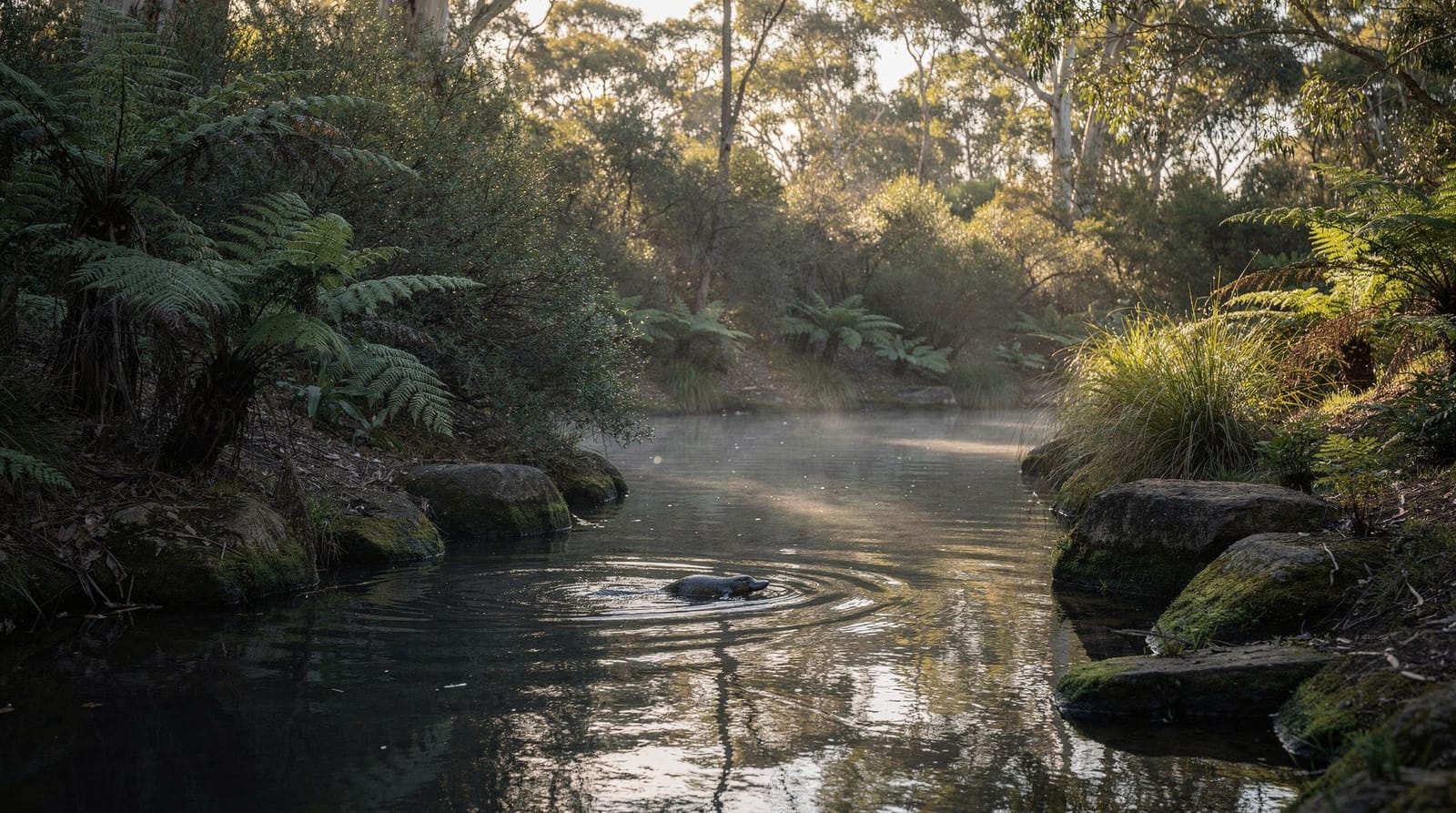
Peninsula Hot Springs, a series of natural mineral hot spring bathing pools near Fingal, sits roughly 20-30 minutes from the main Red Hill wine cluster, and combining the two is one of the most popular single-day itineraries in this part of Victoria — a wine-tasting morning followed by an afternoon soak, or the reverse if you’d rather relax first and taste later in the day when the bathing crowds thin out. Several tours package wine, hot springs and sometimes wildlife or distillery stops together into a single guided day.
a combined wildlife, wine, art and hot springs tourBooking logistics for a tour vs a private driver
A guided small-group wine tour typically visits three or four estates on a fixed itinerary chosen by the operator, which suits visitors happy to let someone else handle the planning and simply enjoy the tastings. A private driver, by contrast, lets you set your own itinerary — useful if you already know you want Ten Minutes by Tractor for lunch and Montalto for the afternoon, rather than accepting whichever estates a group tour happens to include. Private drivers cost more per person for a small group but scale better for larger parties splitting the cost, while a set-itinerary group tour is usually the cheaper option for a solo traveller or couple.
What a first-timer should actually book
For a first Mornington Peninsula wine day, the honest recommendation is to pick one serious estate (Ten Minutes by Tractor or Paringa Estate for the wine itself), one relaxed grounds-and-food stop (Montalto or Yabby Lake), and either the hot springs or a beach stop to close the day rather than a third cellar door. This three-stop structure consistently gets better feedback from first-time visitors than a longer list of tastings, which tends to blur together by the fourth or fifth pour of the day regardless of how good each individual wine is.
Gin and distillery alternatives to wine
If your group includes non-wine drinkers, the peninsula also has a small but growing distillery scene — several producers make gin using local botanicals, and a distillery-focused tour is a reasonable substitute or complement to a wine day for a mixed group.
a private Mornington Peninsula distillery tourA brief history of the region
Grape growing on the Mornington Peninsula is a relatively modern development compared with the Yarra Valley’s 19th-century origins — the region’s modern wine industry largely dates to the 1970s and 1980s, when a handful of pioneering growers recognised the cooling maritime influence of the surrounding bay and ocean as well suited to Burgundian varieties. That comparatively recent history is part of why the region has a more contemporary, design-forward character across many of its cellar doors — Port Phillip Estate’s architecture, Montalto’s sculpture park — compared with the more historically layered feel of somewhere like Yering Station.
Group sizes and larger parties
Larger groups — hens’ parties, milestone birthdays, work outings — are common on the peninsula’s wine circuit, and several estates have private tasting rooms or function spaces that can be booked ahead for a party rather than squeezing a large group into the regular cellar door. Booking as a group well in advance matters even more than for a standard visit, since function spaces have their own separate availability from general tasting-room bookings. A minibus or larger private vehicle, rather than several smaller cars, is the practical choice for a big group wanting to visit multiple estates without a designated-driver headache.
Where to stay if you extend beyond a day trip
Staying overnight on the peninsula, rather than treating it purely as a day trip from Melbourne, opens up a more relaxed pace across wineries, hot springs and the coast. Accommodation ranges from beachside guesthouses around Sorrento and Portsea to rural retreats closer to the Red Hill wine cluster, with prices climbing noticeably on weekends and through the summer season (December-February) when the peninsula draws heavy weekend traffic from Melbourne. A weekday stay, particularly in the shoulder seasons of autumn or spring, gets both better value and a genuinely quieter experience at the cellar doors themselves.
Arthurs Seat and the wider peninsula landscape
Arthurs Seat, the peninsula’s highest point, offers sweeping views back across Port Phillip Bay and is reachable by a gondola (cable car) from the base, a reasonably popular add-on if you want a scenic, non-wine break during a wine-touring day. The peninsula’s varied landscape — ocean beaches on the Bass Strait side, calmer bay beaches on the Port Phillip side, and rolling vineyard hills in between — gives it a genuinely different character from the more uniformly rural Yarra Valley, worth factoring in if scenic variety matters to your choice between the two regions.
Tour versus self-drive
As with the Yarra Valley, Victoria’s strict and actively enforced drink-driving laws make a guided tour or private driver the sensible choice if genuine tasting across multiple stops is the goal. The peninsula’s wineries are more spread out than the Yarra Valley’s, and the drive itself — along the coast through Sorrento and Portsea — is scenic enough to be worth having someone else handle, freeing everyone in the car to actually look at the view.
Seasonal timing
Autumn (March-May) and spring (September-November) offer the most comfortable conditions for a day of moving between cellar doors, with vineyard scenery near its best in autumn specifically. Summer (December-February) works well if you’re combining wine with a beach day at Sorrento or Portsea, though it’s the busiest and hottest season. Winter (June-August) is quieter at the cellar doors and pairs naturally with the hot springs, which are genuinely more appealing in cold weather than in the heat of summer.
Budget expectations
Tasting fees typically run 10-25 AUD per person depending on the estate (often waived with a bottle purchase), broadly similar to the Yarra Valley. Restaurant lunches at the region’s better-known estates (Ten Minutes by Tractor, Montalto) sit at the higher end of Victorian dining prices, reflecting their national reputations, while more casual stops like T’Gallant offer a noticeably cheaper lunch option.
Corkage, cellar door purchases and shipping wine home
Most cellar doors offer cellar-door-exclusive wines not available through general retail, which is part of the appeal of visiting in person rather than simply ordering online later. If you’re planning to buy several bottles across multiple estates, ask about shipping — many wineries can ship purchases directly to a Melbourne hotel or an international address, saving you from carrying fragile bottles for the rest of a trip. International visitors in particular should check their home country’s import allowances before buying more than a bottle or two to carry personally.
Cellar door etiquette
Tasting rooms on the peninsula are generally relaxed but still expect basic etiquette: let staff guide the tasting order rather than requesting wines out of sequence, avoid strong perfume or cologne that interferes with other tasters’ sense of smell, and don’t feel obliged to buy simply because a tasting fee was charged — most staff are used to visitors tasting without purchasing, particularly at the busier, better-known estates. Groups larger than four or five should call ahead even for a standard walk-in tasting, since some smaller cellar doors have limited counter space.
Combining wineries with a beach day
Because the peninsula’s coastline is such a significant draw in its own right, many visitors combine a morning of wine tasting with an afternoon at one of the peninsula’s beaches — the calmer bay-side beaches around Sorrento are a short drive from the Red Hill wine cluster, and swimming or simply walking the sand is a genuinely pleasant way to round out a day that’s otherwise centred on sitting and tasting. This works particularly well in the warmer months (November through March) when both wine touring and beach weather align.
Mornington Peninsula vs Yarra Valley at a glance
| Mornington Peninsula | Yarra Valley | |
|---|---|---|
| Distance from Melbourne | 75-90 minutes | Under an hour |
| Character | Coastal, food-and-scenery driven | Historic estates, vineyard-colour scenery |
| Signature pairing | Peninsula Hot Springs | Yarra Valley’s denser cellar-door cluster |
| Best for | A fuller day with coast and springs added | A tighter, more focused wine day |
Where this fits in a Victoria itinerary
See our Mornington Peninsula destination guide for a full overview combining wine, coast and hot springs, and compare against the Yarra Valley if you’re deciding which of Victoria’s two headline wine regions to prioritise on a shorter stay — the honest distinction is coastal scenery and hot springs here versus historic estates and vineyard-colour scenery there. See also our Yarra Valley wine day for a first-person account of the alternative. Both pair naturally with a night or two staying in Sorrento or Portsea if you want to extend beyond a single day.
More tours on Viator
Top-rated experiences with verified reviews, bookable on Viator (a Tripadvisor company).
 Viator
Yarra Valley Wine Tour w Exclusive Gin, Cider & Chocolate Tasting
FromAUD 115Check availability → Viator
Melbourne: Yarra Valley Wine, Gin, Whisky and Chocolate Tour
FromAUD 115Check availability → Viator
Melbourne: Epic Yarra Valley Wine Tour & Lunch - Gin/Beer Upgrade
FromAUD 179Check availability →Frequently asked questions about Mornington Peninsula wineries
How far is the Mornington Peninsula from Melbourne?
The wine region, centred around Red Hill and Main Ridge, is roughly 75-90 minutes' drive south-east of central Melbourne, a little further than the Yarra Valley, which makes it a fuller day trip and less realistic as a half-day add-on.Can I combine wineries with the Mornington Peninsula hot springs?
Yes, and it's one of the most popular single-day combinations in Victoria — Peninsula Hot Springs is a roughly 20-30 minute drive from the main Red Hill wine cluster, so a wine-focused morning followed by an afternoon soak (or the reverse) is a realistic, well-trodden itinerary, and several tours package both together.What is Ten Minutes by Tractor known for?
Ten Minutes by Tractor, named for the distance historically separating its three founding vineyards, is one of the peninsula's most awarded producers, known for serious single-vineyard Pinot Noir and Chardonnay and a fine-dining restaurant that regularly features in national best-restaurant lists — book the restaurant well ahead if that's a priority.Is Mornington Peninsula wine touring good for non-drinkers or families?
Reasonably — many cellar doors here are set on genuinely attractive rural land with views toward the bay or Arthurs Seat, and several have strong food offerings that work for a non-drinking companion or older children, though this is still fundamentally an adult-oriented wine day rather than a family attraction in its own right.Should I drive myself or book a tour?
As with the Yarra Valley, Victoria's strict drink-driving enforcement makes a guided tour or private driver the honest recommendation if you actually want to taste at multiple cellar doors — self-driving works only if someone commits to minimal or no tasting.What's the best season to visit Mornington Peninsula wineries?
Autumn (March-May) and spring (September-November) offer the most comfortable touring weather with the added bonus of vineyard scenery at its best. Summer (December-February) combines well with a peninsula beach day but gets busier and hotter; winter (June-August) is quieter and pairs naturally with the hot springs, which are especially appealing in cold weather.
Top experiences
Bookable activities with verified prices and instant confirmation on GetYourGuide.