Melbourne winter long weekend: a 3-day cold-season itinerary
Melbourne: Peninsula hot springs tour from melbourne
Why visit Melbourne in winter
Quick answer: Victoria’s winter (June-August) is genuinely the state’s cheapest and least crowded season — accommodation rates drop noticeably from summer peaks, the Great Ocean Road and Yarra Valley operate with a fraction of the visitor numbers, and AFL football season is in full swing, giving winter visitors access to Melbourne’s most authentically local cultural experience. The trade-off is real: cool, often wet weather (typically 8-15°C), shorter daylight hours, and some outdoor experiences (Great Ocean Road lookouts, Grampians hiking) losing some of their visual payoff under grey skies.
This itinerary is built around that trade-off rather than against it — it leans into indoor culture, an AFL match if the fixture allows, and one distinctly winter-suited outdoor activity (Mornington’s hot springs) rather than trying to force summer-style beach and coastal content into a season that doesn’t reward it. The Melbourne in winter guide has a fuller month-by-month breakdown if you’re still deciding on dates.
| Where | CBD laneways, MCG, Dandenong Ranges or Mornington Peninsula |
| Cost | Around 425-606 AUD/person excl. accommodation |
| Time needed | 3 days |
| Getting there | Tram/train in the city; tour pickup for day 3 |
| Best time | June-August; check the AFL fixture list before booking |
Day 1: laneways, indoor culture and the Eureka Skydeck
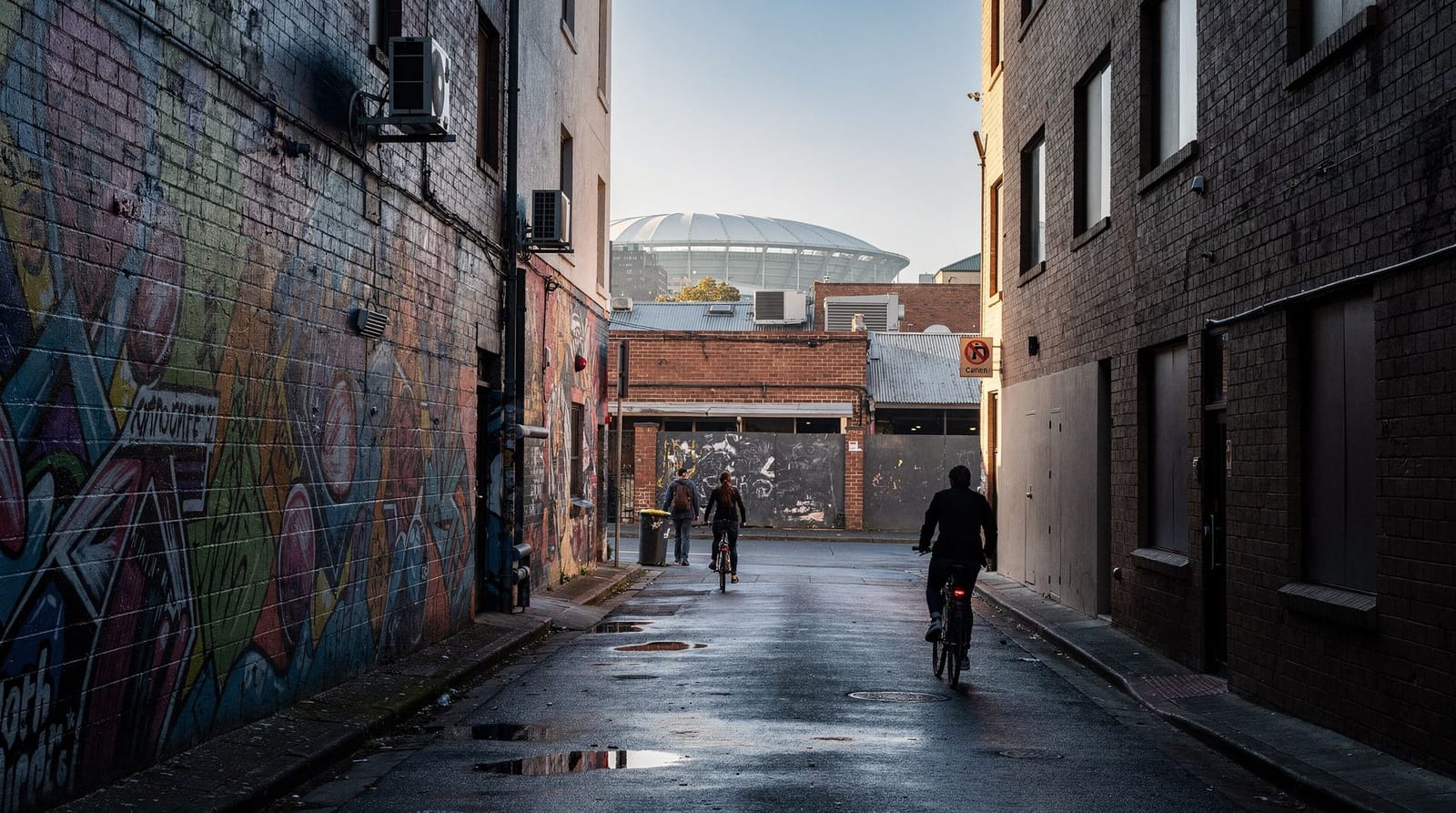
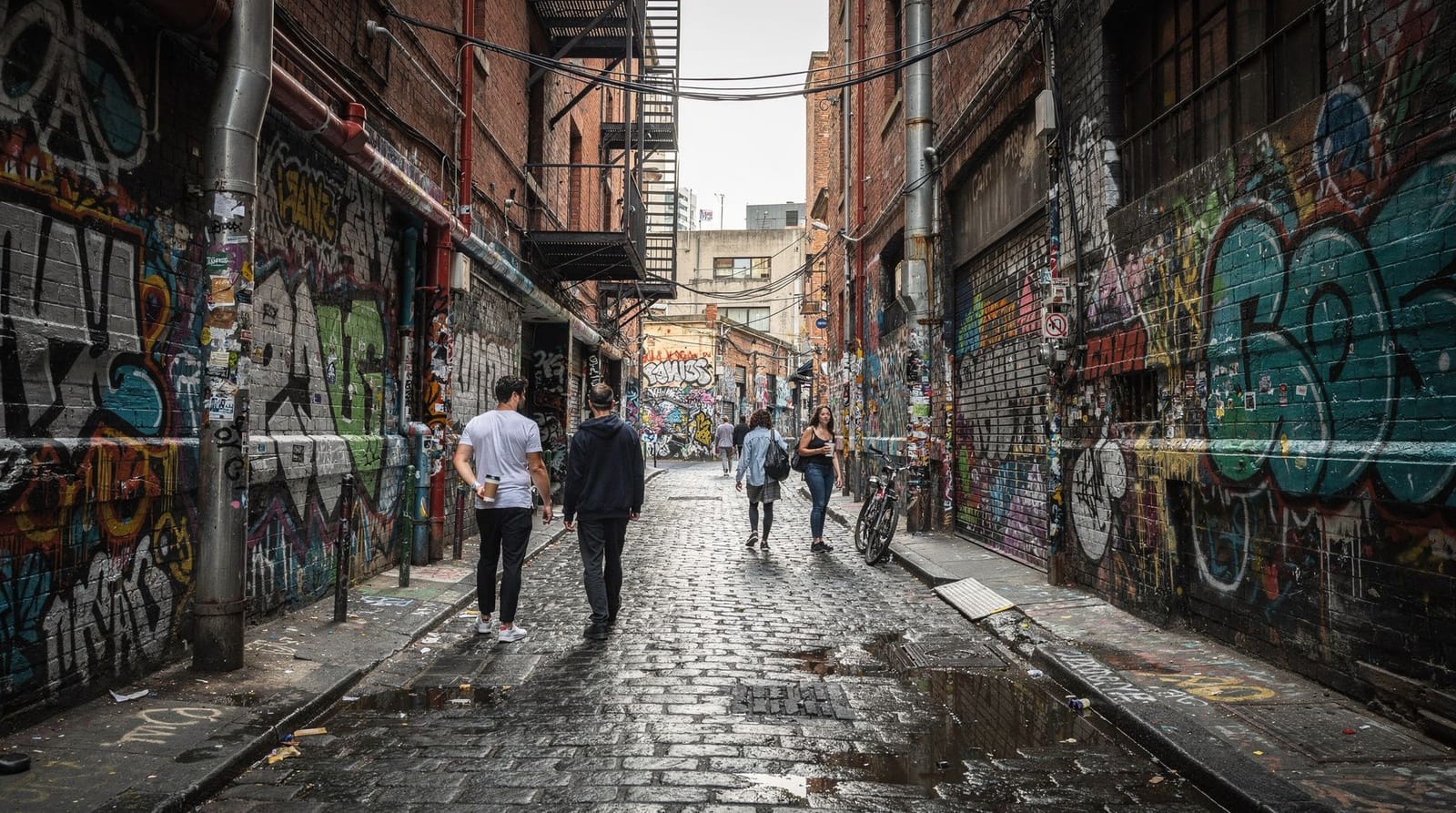
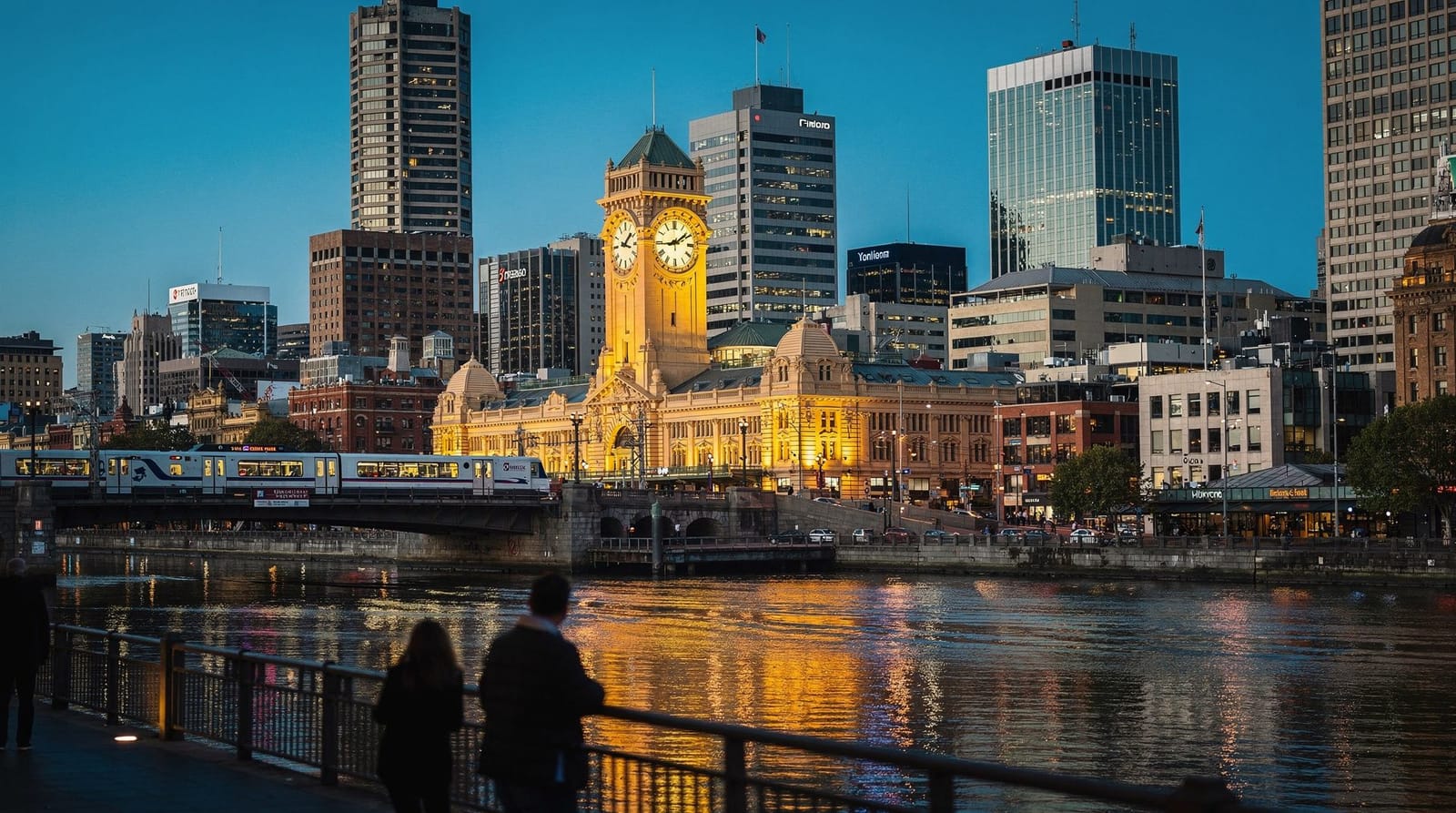
Melbourne’s CBD laneways work well in winter — most of the best cafés have awnings or fully enclosed seating, and a wet, moody Hosier Lane arguably photographs better than a bright, crowded summer version. Start at Flinders Street Station and Federation Square, into Hosier Lane, then Degraves Street and Centre Place for coffee (25-30 AUD).
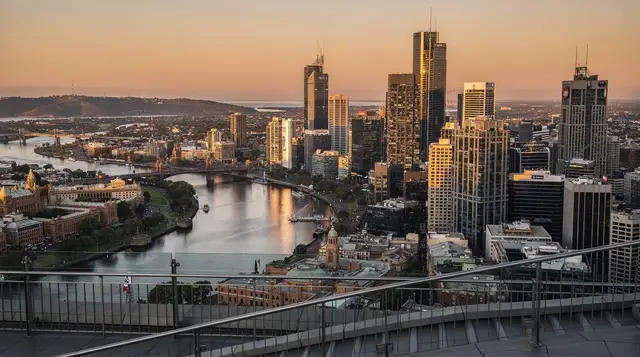
Continue to Queen Victoria Market’s covered deli hall and sheds — a genuinely good wet-weather option, since most of the market’s best sections have permanent roofing. In the afternoon, Eureka Skydeck rewards a winter visit specifically: clear winter mornings after a cold front often give the sharpest long-distance visibility of the year, since the air is drier and cooler than Melbourne’s hazier summer conditions.
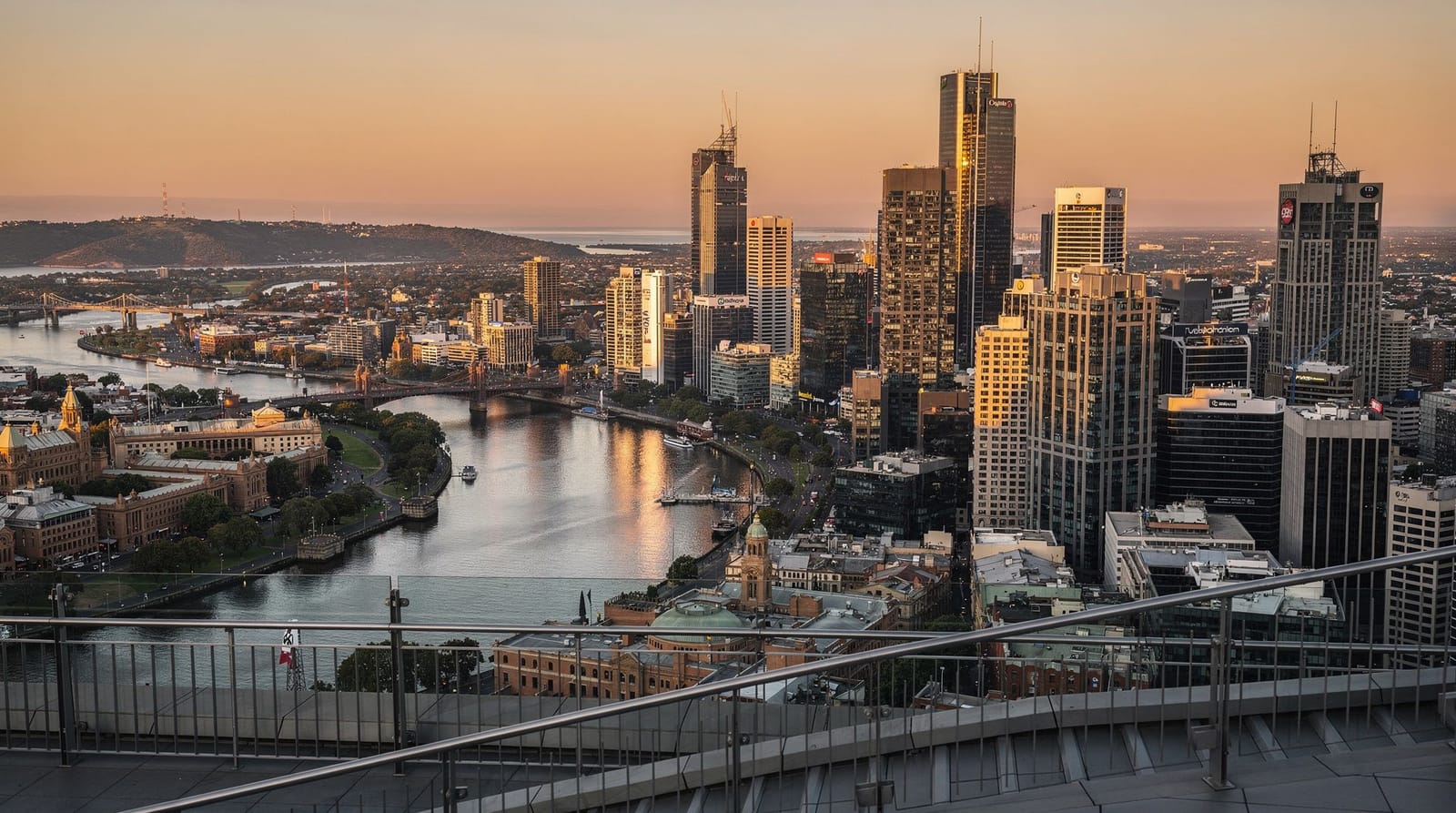 Melbourne eureka skydeck 88 entryCheck availability
Evening: Melbourne’s laneway bar scene is, if anything, better suited to winter than summer — small, warmly lit rooms that feel like a retreat from the cold rather than a compromise. Dinner in the CBD (40-60 AUD).
Day 2: AFL at the MCG, or indoor art and museums
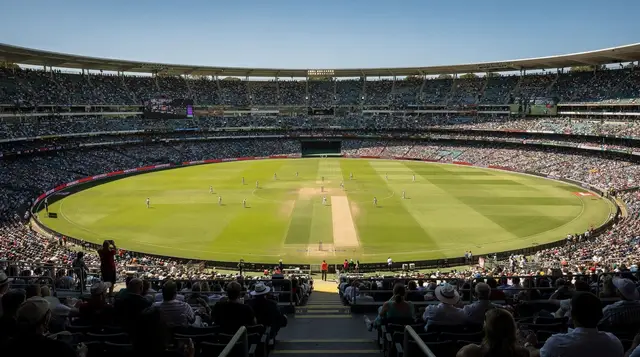
If your dates coincide with an AFL fixture (the Australian Football League season runs roughly March to September, with the Grand Final in late September), attending a match at the MCG is genuinely the most locally authentic experience on this entire itinerary — tens of thousands of Melburnians filling a stadium for a sport with a passionate, century-old local following. Check the fixture list before booking your trip if this is a priority, since not every winter weekend has a Melbourne-based match. The AFL match guide covers how to buy tickets and what to expect as a first-timer, and the MCG guide has the stadium’s layout and history.
or book an MCG guided tour if no match is scheduled during your visitIf no match is scheduled, spend the day at the NGV International (free, Australia’s oldest public gallery) and Melbourne Museum, both fully indoor and well-suited to a wet winter afternoon. The State Library Victoria’s domed reading room is a further free, atmospheric indoor stop, particularly striking on a grey day when its skylight casts a soft, even light across the room. The NGV National Gallery guide, Melbourne Museum guide and State Library Victoria guide each have current hours and highlight exhibits.
Day 3: Dandenong Ranges mist or Mornington hot springs
Two distinctly winter-appropriate options for the final day.
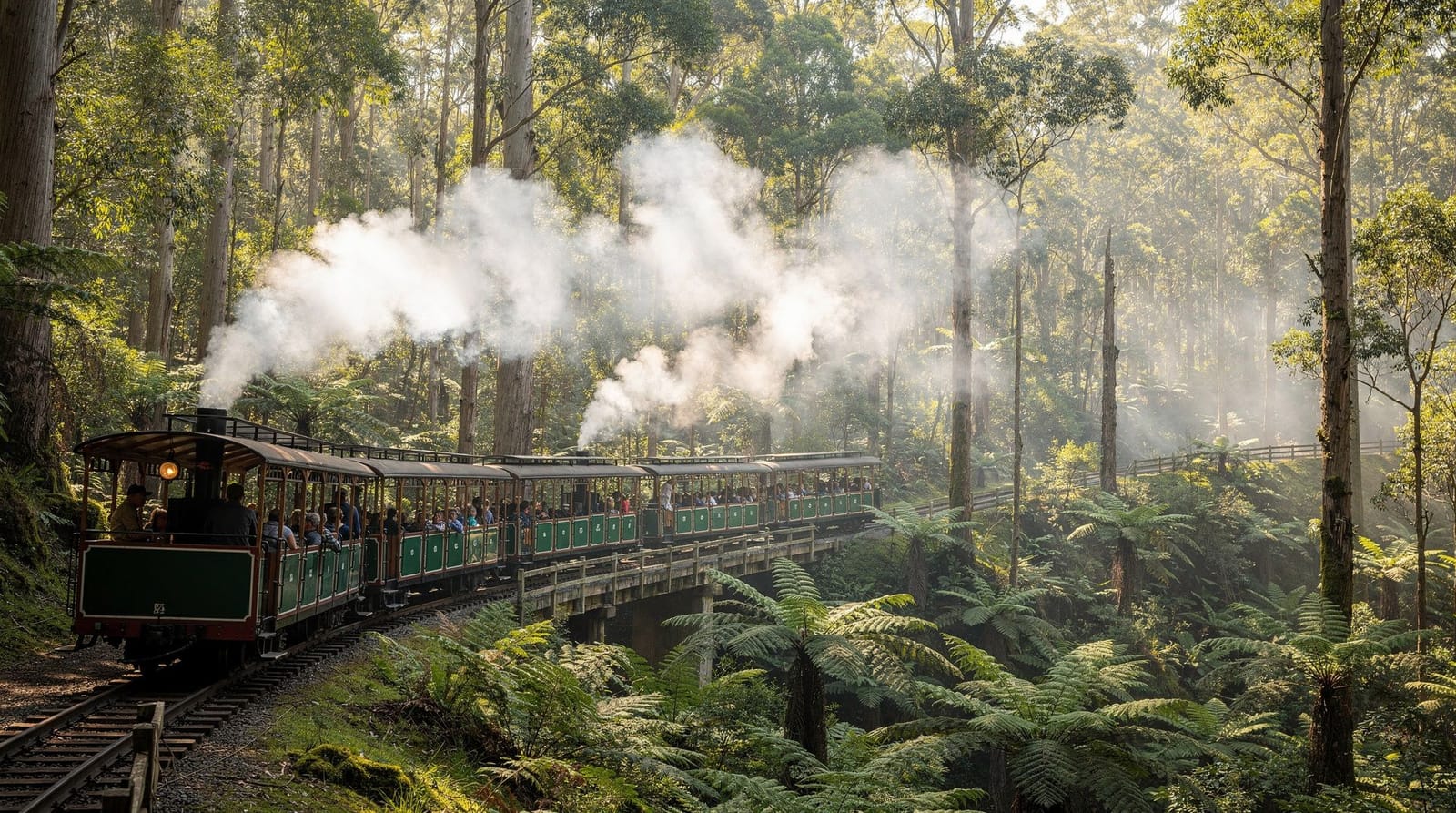
Option A — Dandenong Ranges in winter mist: the cool temperate rainforest around Sherbrooke Forest takes on a genuinely atmospheric quality in winter fog, and the Puffing Billy steam railway runs year-round regardless of season — a misty winter ride through the Dandenongs is, if anything, more evocative than the same trip on a clear summer day, though pack proper waterproof layers, since open carriages offer no shelter from a wet, cold morning. The Puffing Billy railway guide and Dandenong Ranges walks guide both cover timetables and trail conditions for winter specifically.
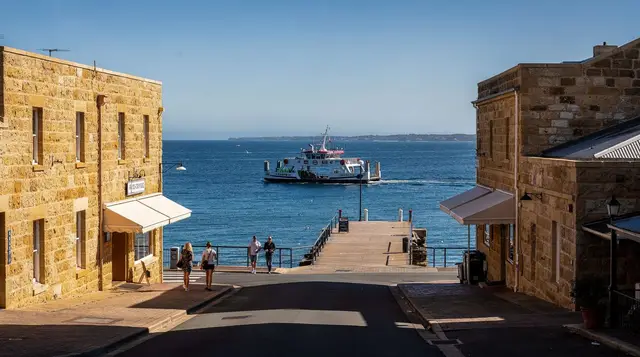
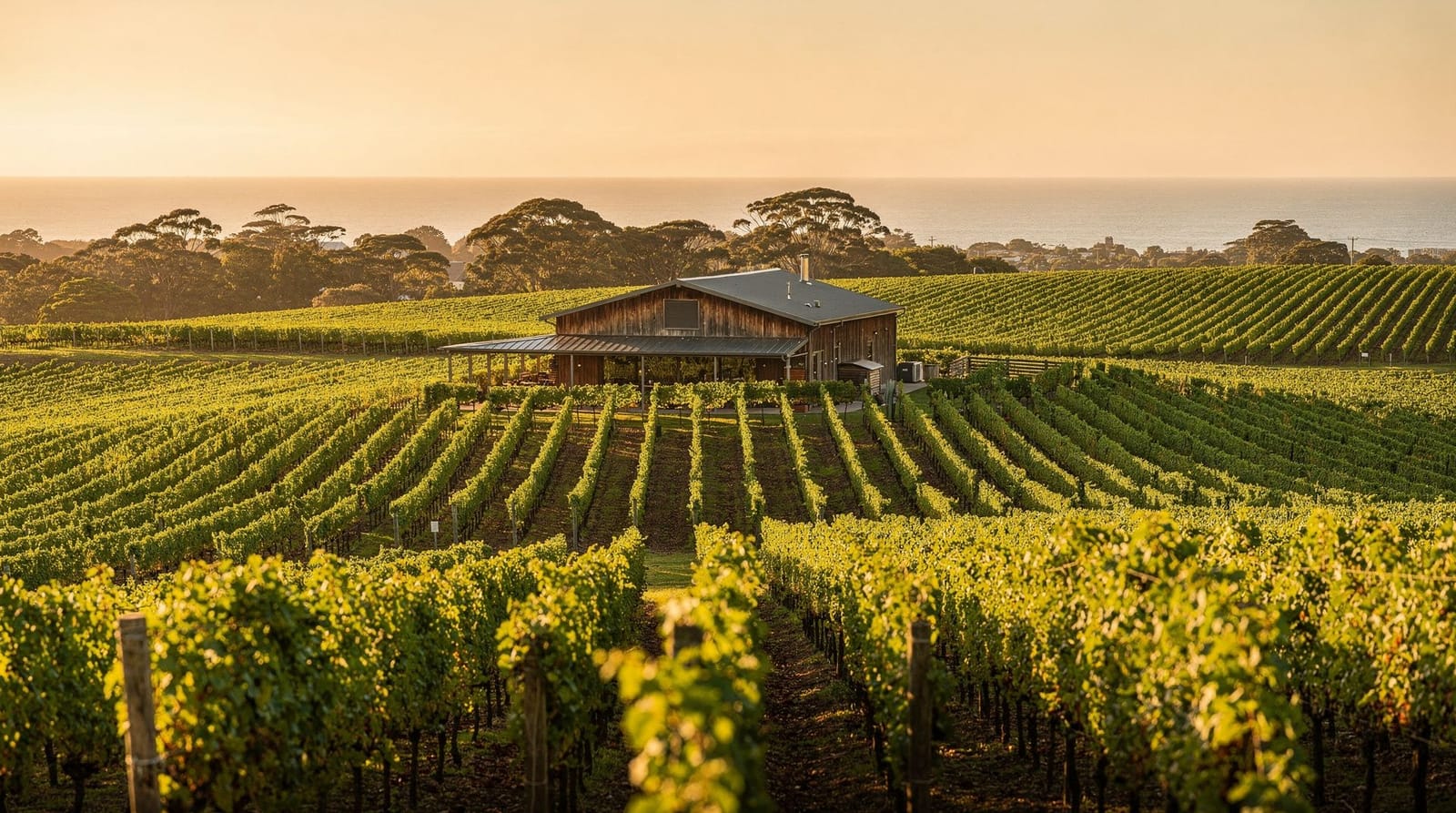
Option B — Mornington Peninsula hot springs: genuinely one of the best winter-specific activities near Melbourne — natural mineral hot springs on the Mornington Peninsula, about 1h15 from the CBD, are at their most appealing precisely when the outside air is cold. Steam rising off naturally heated pools on a crisp winter morning is a different, arguably better experience than the same springs on a hot summer day.
book a Mornington Peninsula hot springs day tourExpect roughly 130-180 AUD per person including hot springs entry and return transport from Melbourne. The Mornington Peninsula day trip guide and Mornington Peninsula wineries guide both cover ways to extend the day if the hot springs alone don’t fill it.
Getting between it all
Days 1 and 2 run on foot and tram within the Free Tram Zone and Zone 1 network — winter doesn’t change Melbourne’s public transport, which runs on the same schedule year-round, if anything slightly more reliably since roadworks and major events are less frequent than in the busier summer months. Day 3 is covered by organised tour pickup from a central point.
Winter long weekend budget (AUD, per person)
- Coffee, breakfast (3 days): 55-70 AUD
- Lunches (3 days): 40-55 AUD
- Dinners (3 days): 120-160 AUD
- Eureka Skydeck: 30-33 AUD
- MCG match ticket (if attending, general admission): roughly 40-90 AUD depending on fixture
- Mornington hot springs day tour: 130-180 AUD
- Trams (2 days): 10-18 AUD
- Total: roughly 425-606 AUD, before accommodation
Winter accommodation typically runs noticeably cheaper than summer peak rates for equivalent quality — a genuine budget advantage of travelling this season. Model your own numbers with the budget calculator.
What winter genuinely costs you versus summer
Being honest about the trade-off: the Great Ocean Road and Grampians lose meaningful visual payoff under grey winter skies and shorter daylight, and some Otways and Grampians trails can close temporarily after storms. Daylight hours are noticeably shorter (sunset around 5-5:30pm in deep winter versus 8:30-9pm in summer), compressing how much you can fit into an outdoor day. If either of the Great Ocean Road or extensive hiking is your trip’s priority, autumn (March-May) or spring (September-November) are better-suited seasons — this itinerary deliberately avoids both in favour of winter-appropriate indoor and hot-springs content instead.
Packing for a Melbourne winter weekend
A proper waterproof (not just water-resistant) jacket matters more here than at any other time of year — Melbourne winter rain is persistent drizzle more often than dramatic downpour, and a jacket that only holds up for twenty minutes won’t cope with a full day outside. Layers remain essential, since indoor heating and outdoor cold create a genuine temperature swing across a single day, and a warm hat and gloves are worth packing if you’re doing the Dandenongs’ open-carriage Puffing Billy option specifically. The packing list tool adjusts its suggestions for winter travel specifically if you want a fuller checklist.
Footwear deserves a specific mention: laneways and market pavements can get genuinely slick after rain, and a pair of shoes with real tread outperforms fashion boots for three days of walking on wet cobblestones and tram platforms. If the Mornington hot springs are on your day 3 shortlist, pack a swimsuit and a warm robe or towel you don’t mind getting damp on the transfer back, since changing facilities can be busy on popular winter weekends.
Winter events worth building a trip around
Beyond the AFL season, Melbourne’s winter calendar includes several events worth checking before locking in travel dates. The Melbourne International Film Festival typically runs in August, drawing a genuinely engaged local audience rather than a tourist-facing event. Various CBD laneways and Federation Square host winter light installations and night markets in the colder months specifically to draw foot traffic into the city during the quieter season — check current listings close to your travel dates, since specific events and exact dates shift year to year. None of these are essential to this itinerary, but they’re worth layering on top of the base three-day plan if your dates happen to align. The Melbourne events calendar and Melbourne festivals guide list what’s on across the exact dates of your trip.
Comparing this to a summer visit
If you’re deciding between a winter and summer Melbourne trip and haven’t committed yet, the trade-offs are fairly clear-cut: summer (December-February) suits beach time, Australian Open tennis (January), long daylight hours and the Great Ocean Road at its most visually rewarding, but comes with higher accommodation costs, bigger crowds, and occasional extreme heat days (above 35°C is not unusual and total fire ban days can affect regional travel plans). Winter suits AFL football, indoor culture, meaningfully lower costs, and a genuinely different, quieter version of the city — but asks you to accept shorter days and wetter weather as part of the deal rather than working around them.
Neither season is objectively better; this itinerary is built for travellers who’ve already decided winter suits their priorities.
Frequently asked questions about a Melbourne winter weekend
Is Melbourne worth visiting in winter?
Yes, particularly for AFL football, indoor culture, lower accommodation costs and smaller crowds — the trade-off is losing some of the Great Ocean Road and Grampians’ visual appeal under grey skies and shorter daylight.
How cold does it get in Melbourne in winter?
Typically 8-15°C, cool and often damp rather than extremely cold by European or North American standards, but genuinely different from Melbourne’s hot, dry summer — pack layers and a proper waterproof jacket.
Is AFL football worth attending as a visitor?
Yes, if the fixture allows — it’s arguably the most authentically local cultural experience available to a winter visitor, and the MCG’s atmosphere on match day is a genuinely different experience from the same stadium on a guided daytime tour.
Should I still do a Great Ocean Road day trip in winter?
You can, but expect reduced visibility at coastal lookouts on wet days and shorter daylight limiting how much of the coast you can comfortably see. If the Great Ocean Road is your main priority, autumn or spring generally offer a better experience.
Are the Mornington hot springs open year-round?
Yes, and winter is arguably the best season to visit — steam rising off naturally heated pools against cold outside air is a distinctly appealing winter-specific experience.
How much does a Melbourne winter long weekend cost?
Roughly 425-606 AUD per person for food, activities and local transport across three days, before accommodation, which typically costs noticeably less in winter than at summer peak rates.
Top experiences
Bookable activities with verified prices and instant confirmation on GetYourGuide.