AFL for first-timers: how to watch a match in Melbourne
You don’t need to understand the rules to enjoy your first AFL match
For a visitor deciding whether an AFL match is worth working into a tight Melbourne itinerary, it’s worth being direct: this is one of the more genuinely unique live sport experiences available anywhere, and skipping it purely because the rules feel unfamiliar is the wrong reason to pass it up.
Australian Football League (AFL) games are the single most distinctive live sport experience Melbourne offers, and you can genuinely enjoy one without following every rule from the first bounce. The sport is fast, physical and continuous — no regular stoppages like American football — played on a large oval field with 18 players a side, and the scoring system (six points for a goal through the central posts, one point, called a “behind,” for the ball passing through the outer posts) is simple enough to follow within the first quarter just by watching the crowd’s reactions.
| Where | MCG or Marvel Stadium, depending on fixture |
| Cost | around 30-45 AUD general admission, more for marquee matches |
| Season | March-September, Grand Final last Saturday of September |
| Getting there | tram/train from the CBD — driving on match day is impractical |
| Booking | walk-up usually fine; book ahead for rivalries and finals |
When the season runs
The AFL season runs roughly March through September, with the Grand Final on the last Saturday of September at the MCG — a de facto public holiday in Melbourne, with the Friday before also now a public holiday statewide. The bulk of the regular season falls in the Southern Hemisphere winter (June-August), which is a large part of why winter is considered one of the more authentic times to experience the city.
Match-day atmosphere and crowd behaviour
AFL crowds are generally family-friendly and good-natured, even amid genuine passionate rivalry — sledging opposing supporters verbally is part of the culture, but physical conflict is rare and heavily policed by ground security. Sitting in a team’s dedicated cheer squad section (often behind the goals) delivers the most intense atmosphere, complete with banners, streamers and coordinated chants at goals, while general seating elsewhere in the ground offers a calmer, still engaging experience for those who’d rather observe than participate in the noise.
Getting tickets
General admission tickets for regular home-and-away matches typically run 30-45 AUD, rising for marquee matchups between popular clubs, and significantly more for finals. Tickets go on sale through the AFL and individual clubs’ websites, and for most regular-season matches walk-up or last-minute booking is entirely realistic — it’s really only marquee rivalries and finals that sell out well in advance.
Where to sit at the MCG
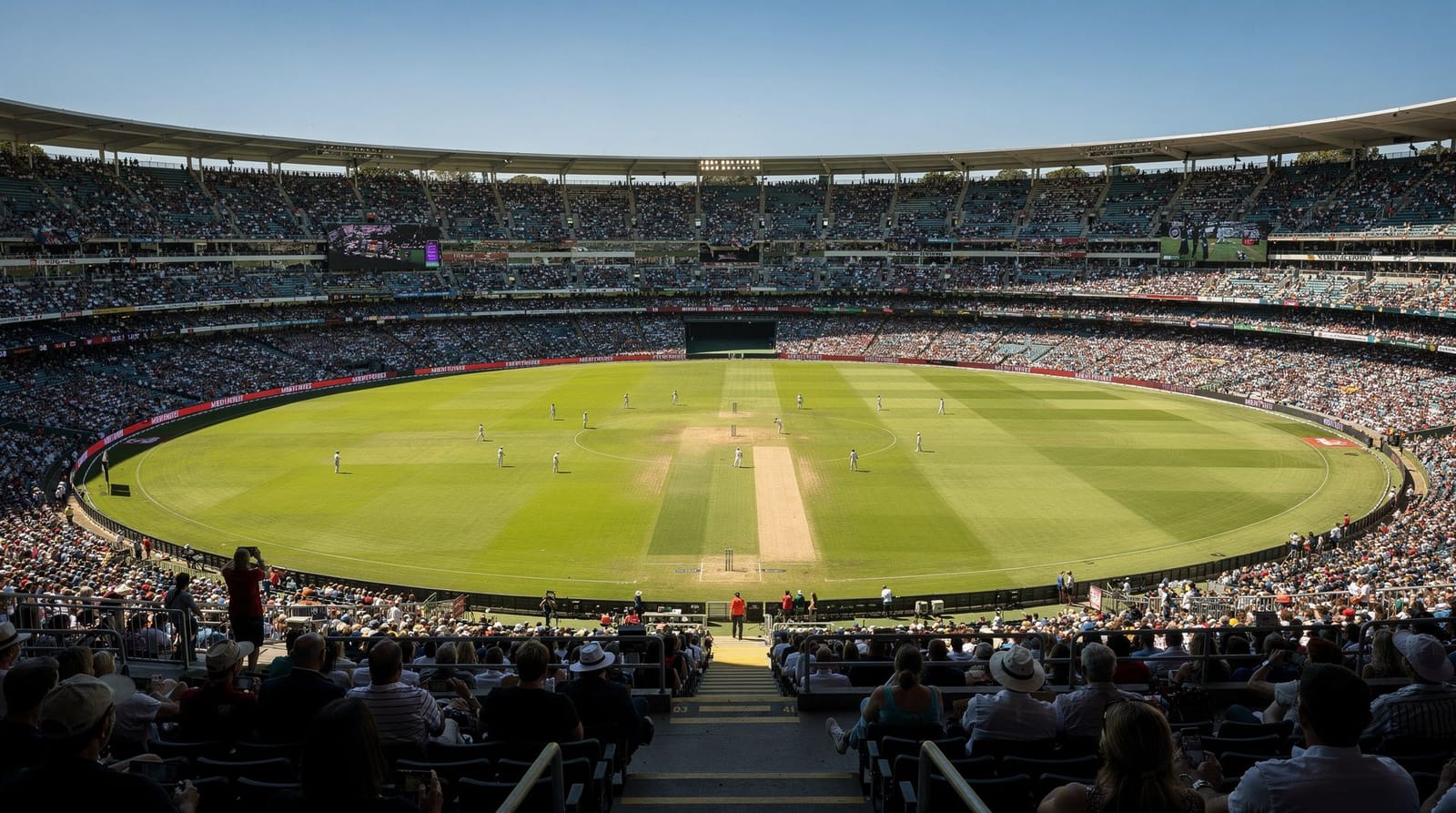
The Melbourne Cricket Ground (MCG) seats over 100,000 and is the sport’s spiritual home — genuinely worth attending a match here even if you have no prior interest in Australian football, purely for the scale and atmosphere. The Ponsford Stand and Members’ areas offer more comfortable seating at a higher price point; general admission in the outer stands is cheaper and puts you closer to the more vocal supporter sections, which for a first-timer is arguably the better, more atmospheric choice.
| Seating option | Cost | Atmosphere |
|---|---|---|
| Cheer squad / outer general admission | cheapest, around 30-45 AUD | loudest, most partisan, best for first-timers |
| General admission elsewhere | similar price | calmer, still engaged |
| Members’ / Ponsford Stand | higher price | comfortable, quieter, better views |
 Melbourne melbourne cricket ground mcg guided tourCheck availability
Understanding the basics, quickly
Each team has 18 players on the field at once (plus interchange players who rotate constantly, unlike most football codes). The oval-shaped field is much larger than a rectangular pitch, and the ball can be kicked, handballed (punched off one hand) or run with, but not thrown. A match runs four quarters of 20 minutes of playing time each, which with stoppages typically means a total match length of around two to two and a half hours — plan your day around that, plus getting to and from the ground.
Interstate matches and the wider league
While the bulk of the AFL’s Melbourne-based clubs play most home games at either the MCG or Marvel Stadium, the league also includes clubs based in other states (Sydney, Brisbane, Adelaide, Perth and Geelong among them), meaning not every match on the fixture list happens in Melbourne itself. If a specific club or matchup interests you, it’s worth checking the fixture in advance rather than assuming every game of the season is accessible from a Melbourne base.
Beyond match day: the National Sports Museum
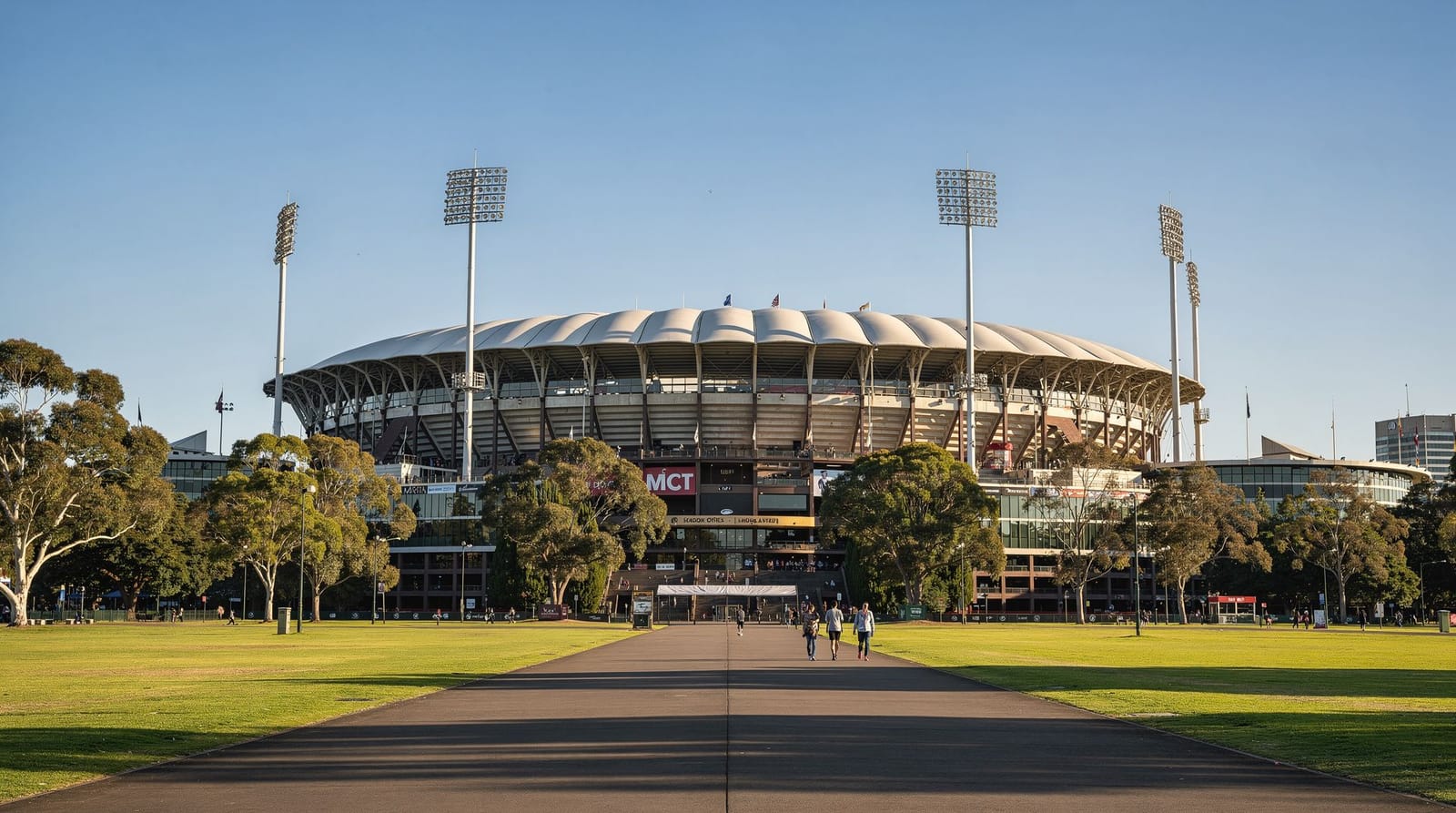
If you can’t catch an actual match, or want context before one, the National Sports Museum inside the MCG covers Australian sporting history broadly (not just football), including cricket, and includes access to parts of the stadium itself on non-match days.
 Melbourne visites du mcg et du national sports museumCheck availability
Combining a match with other MCG-area activities
Yarra Park, surrounding the MCG, is pleasant to walk through before or after a match, and the precinct’s proximity to the Yarra River promenade and Melbourne Park (home to the Australian Open) means a sports-focused day can easily combine a match with a wider walk through the city’s sporting precinct without needing separate transport for each stop.
Getting to the ground
The MCG sits a short walk or tram ride from the CBD, with dedicated match-day trams and trains running from Flinders Street and Richmond stations — driving and parking on match day is generally the least practical option given crowd volumes, and public transport (included in some match tickets, or a standard Myki fare otherwise) is the default for most attendees.
Which teams to follow if you’re new to the sport
Melbourne is home to nine of the AFL’s eighteen clubs, an unusually high concentration in one city, which means most weekends offer multiple matches to choose from and a genuine local rivalry atmosphere regardless of which specific game you attend. Storied rivalries like Collingwood versus Carlton or Essendon versus Richmond carry decades of history and tend to produce the most atmospheric crowds, though tickets for these specific fixtures sell faster and cost more than a standard round match between less rivalrous clubs.
A brief primer on the sport’s history
Australian football traces its origins to the 1850s in Melbourne, making it one of the oldest football codes in the world, predating both rugby league and association football’s codified rules by a small margin in some respects. The sport developed partly as an off-season fitness activity for cricketers, which explains some structural similarities in venue sharing — the MCG hosts both cricket in summer and AFL in winter, a dual-use pattern that’s part of the ground’s unique character compared with single-sport stadiums elsewhere. If your trip lands in the warmer months instead, the same ground switches over to the Boxing Day and summer Test cricket calendar, which is worth knowing about if footy season doesn’t line up with your dates.
What to wear and bring
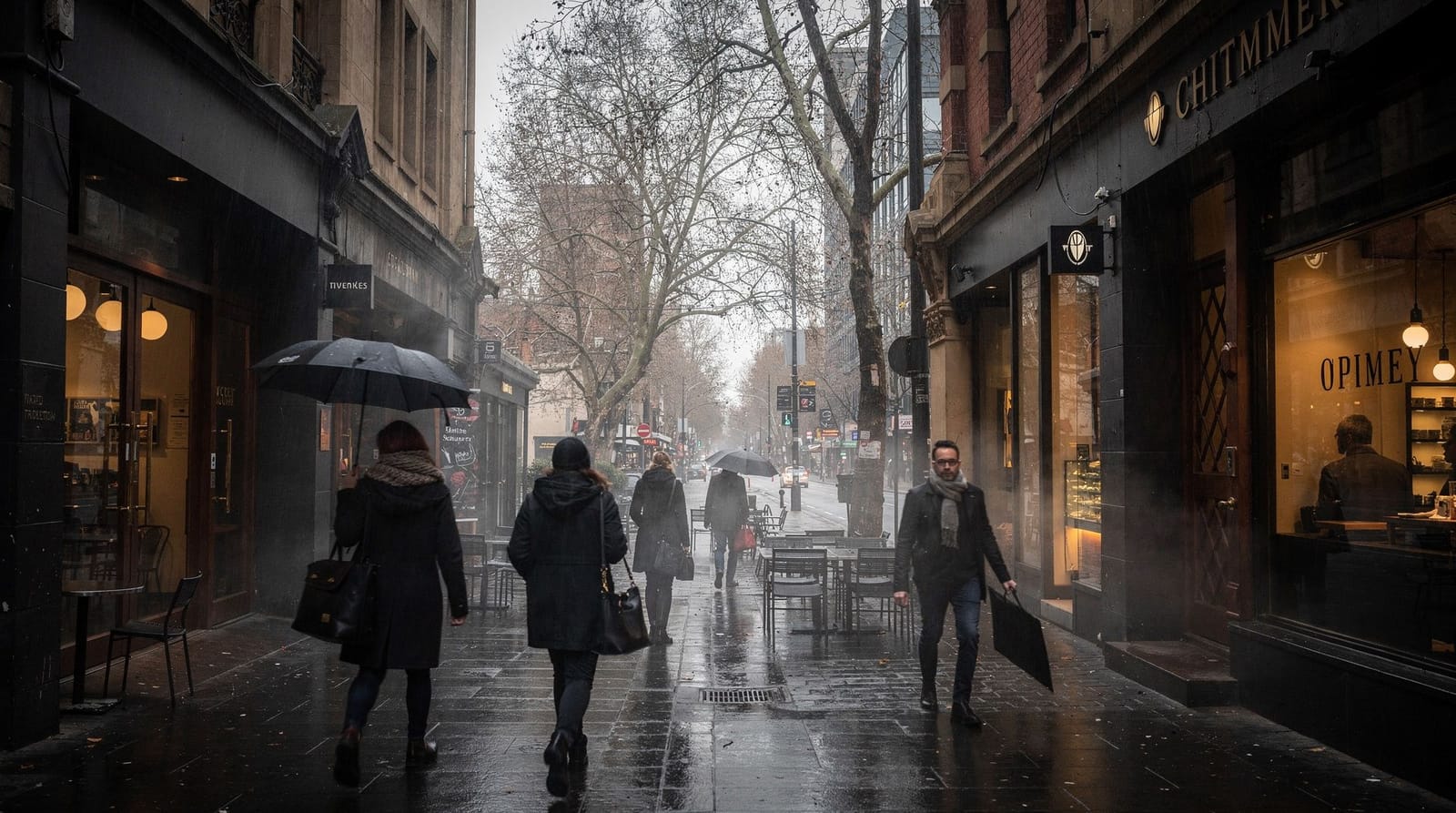
Club colours aren’t required (plenty of neutral spectators attend in regular clothes), but if you want to blend in, wearing a scarf or beanie in one team’s colours is common. Weather matters more than it might seem — the MCG is largely uncovered in the outer sections, so a winter match means dressing for cold, sometimes wet conditions for two-plus hours outdoors. Layer up and check the forecast the morning of the match rather than packing based on the season alone.
If AFL season doesn’t fit your dates
The AFL season runs through the Melbourne winter, so a trip timed for summer will miss it entirely. That’s not a dealbreaker — summer brings its own marquee sporting calendar, headlined by the Australian Open in January, plus the cricket at the MCG mentioned above. If footy is the priority, build your trip around the March-September window and check the fixture for your dates before booking flights; our three-day itinerary can flex around a match day without much rework.
Frequently asked questions about attending an AFL match
Do I need to understand AFL rules to enjoy a match?
No — the sport’s pace, physicality and crowd energy carry a first-time viewer through most of the experience even without knowing every rule. The scoring system (six points for a goal, one for a behind) is simple to pick up within the first quarter.
How much do AFL tickets cost?
General admission for a regular-season match typically runs 30-45 AUD, more for popular matchups, and considerably more for finals, which can sell out well in advance.
What’s the best seat for a first-time visitor?
General admission in the outer stands is cheaper and puts you among the more vocal supporter groups, which many first-timers find more atmospheric than the pricier, quieter Members’ areas.
When is the AFL Grand Final?
The last Saturday of September, held at the MCG — a de facto public holiday in Melbourne, with the preceding Friday also a statewide public holiday.
How many AFL teams are based in Melbourne?
Nine of the league’s eighteen clubs are based in Melbourne, an unusually high concentration that means most weekends during the season offer multiple matches to choose from across the city.
How old is Australian football?
It traces its origins to the 1850s in Melbourne, making it one of the oldest codified football codes in the world, developed partly as an off-season fitness activity for cricketers.
Do I need to pick a team before attending a match?
No — plenty of neutral spectators attend matches purely for the atmosphere and experience. Picking a side on the day, based on which colours you like or which team’s supporters seem friendliest nearby, is a common and perfectly acceptable approach for first-timers.
Is public transport included in my AFL ticket?
Sometimes — some club and match packages bundle a Myki fare, but don’t assume it. Check your ticket terms, and otherwise budget for a standard fare on Melbourne’s tram and train network; see our Myki card guide if you haven’t used the system before.
What happens if it rains during a match?
AFL matches go ahead in the rain — the game is rarely postponed for weather short of genuinely dangerous conditions. The MCG’s outer stands are largely uncovered, so bring a waterproof layer rather than hoping for a delay.