Melbourne in winter: a realistic guide
Winter here means June, July, August — and it’s colder than most visitors expect
Visitors arriving straight from a Northern Hemisphere summer sometimes need a genuine mental reset on packing, since the instinct to bring “just in case” light layers for what feels like it should be a warm-weather destination badly underserves an actual Melbourne winter.
| Where | City-wide; AFL at the MCG, hot springs on Mornington Peninsula |
| Cost | Lowest hotel rates of the year outside AFL blockbuster weekends |
| Time needed | Any length; shorter daylight (7:30am-5:15pm) shapes day trips |
| Getting there | Trams/trains as usual; allow extra time for wet regional roads |
| Best time | Jun-Aug for AFL season, whale watching and quiet galleries |
Because Melbourne sits in the Southern Hemisphere, winter runs June through August, the reverse of the Northern Hemisphere calendar. Daytime temperatures typically sit between 8-15°C, with overnight lows occasionally dropping close to freezing in the outer suburbs. It’s not snow-cold, but it’s genuinely cool and often damp, and Melbourne buildings — many older, with less central heating than equivalent Northern Hemisphere cities — can feel colder indoors than the outside temperature suggests. Pack proper layers, not just a light jacket.
Daylight hours and planning around them
Winter daylight in Melbourne runs from around 7:30am sunrise to as early as 5:15-5:30pm sunset at the season’s darkest point, considerably shorter than summer’s long evenings. This matters for planning outdoor activities and day trips specifically — build in an earlier start and expect an earlier natural end to daylight-dependent sightseeing than you might in warmer months, particularly for anything involving driving on unfamiliar regional roads after dark.
Why winter is actually a good time to visit
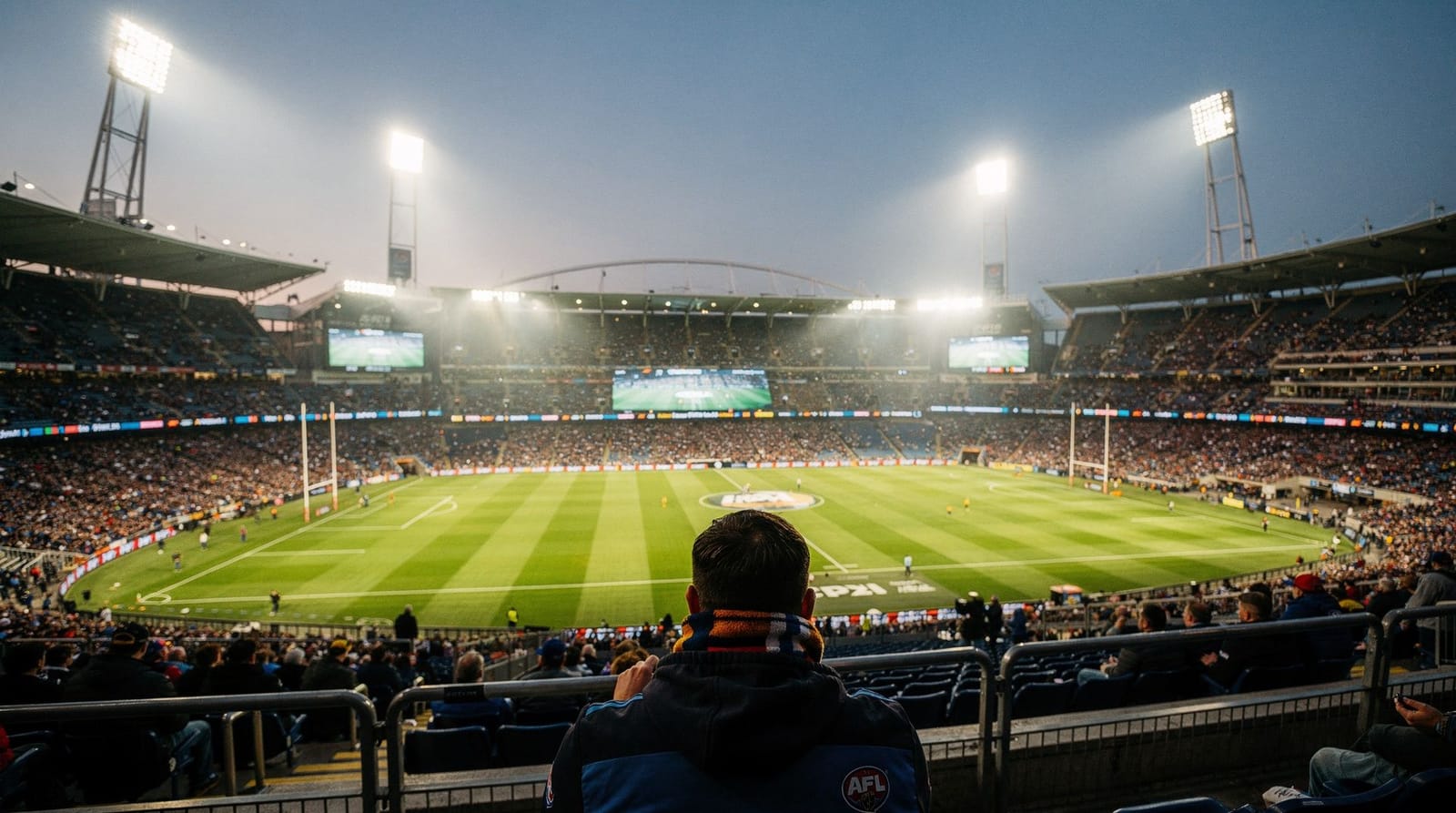
Winter is Melbourne’s cheapest and quietest season for tourism, but the bigger reason to consider it is that the city’s core identity — laneway cafés, indoor galleries, live sport, long dinners — is exactly suited to cool, grey weather. The Australian Football League (AFL) season runs from around March through September, with the bulk of the home-and-away rounds falling squarely in winter, and a Saturday afternoon at the MCG is one of the most distinctive experiences Melbourne offers.
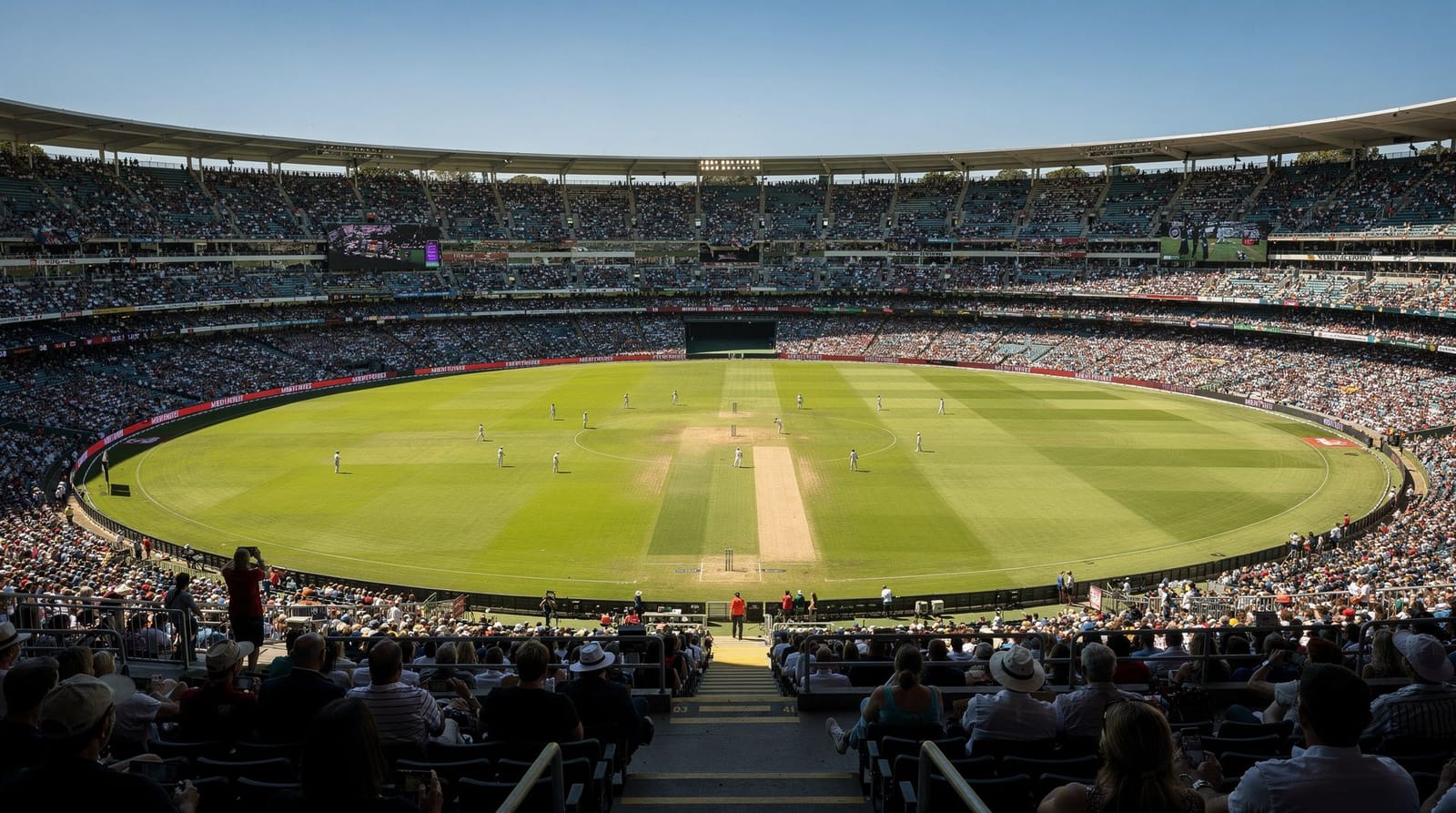 Melbourne melbourne cricket ground mcg guided tourCheck availability
Winter whale watching along the coast
From around June through September, southern right whales and occasionally humpback whales migrate along Victoria’s coastline, making winter the best window for whale watching on a Great Ocean Road trip or a dedicated coastal excursion further along the coast toward Warrnambool, historically one of the more reliable land-based whale watching sites in the state. Sightings aren’t guaranteed on any given day, but winter is genuinely the season to have a realistic chance, unlike summer when the whales have moved on to other waters.
Combining a winter city day with an AFL match
A well-structured winter Saturday might combine a morning at the NGV or Melbourne Museum with an afternoon AFL match at the MCG — the timing works naturally, since most home-and-away matches kick off in the afternoon, leaving the morning free for indoor sightseeing before the walk or tram ride to the ground.
What to actually do in winter
Museums and galleries work well as full-day activities without feeling like a weather compromise — the NGV International, Melbourne Museum and Scienceworks are all indoor, engaging and genuinely worth a full visit regardless of season. Coffee culture, discussed in our Melbourne coffee guide, is arguably at its best in winter — there’s something specifically right about a laneway café on a cold, drizzly morning. Whale watching along the Victorian coast typically starts picking up from around June, adding a seasonal reason to combine a Great Ocean Road trip with wildlife spotting.
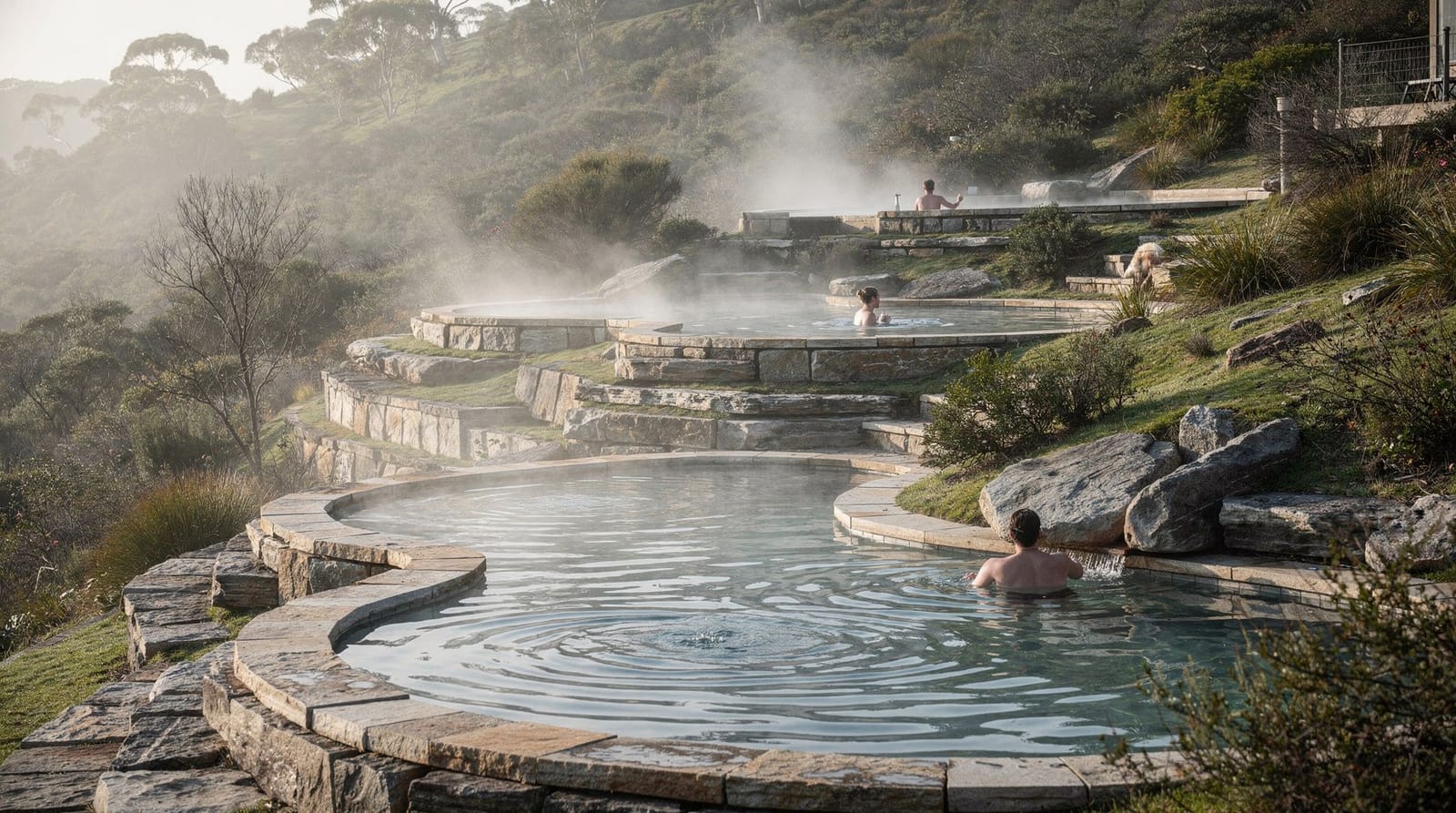
For something specifically winter-appropriate outside the city, the Mornington Peninsula Hot Springs are genuinely more atmospheric on a cold day than a warm one — steam rising off the pools against a grey sky is part of the appeal.
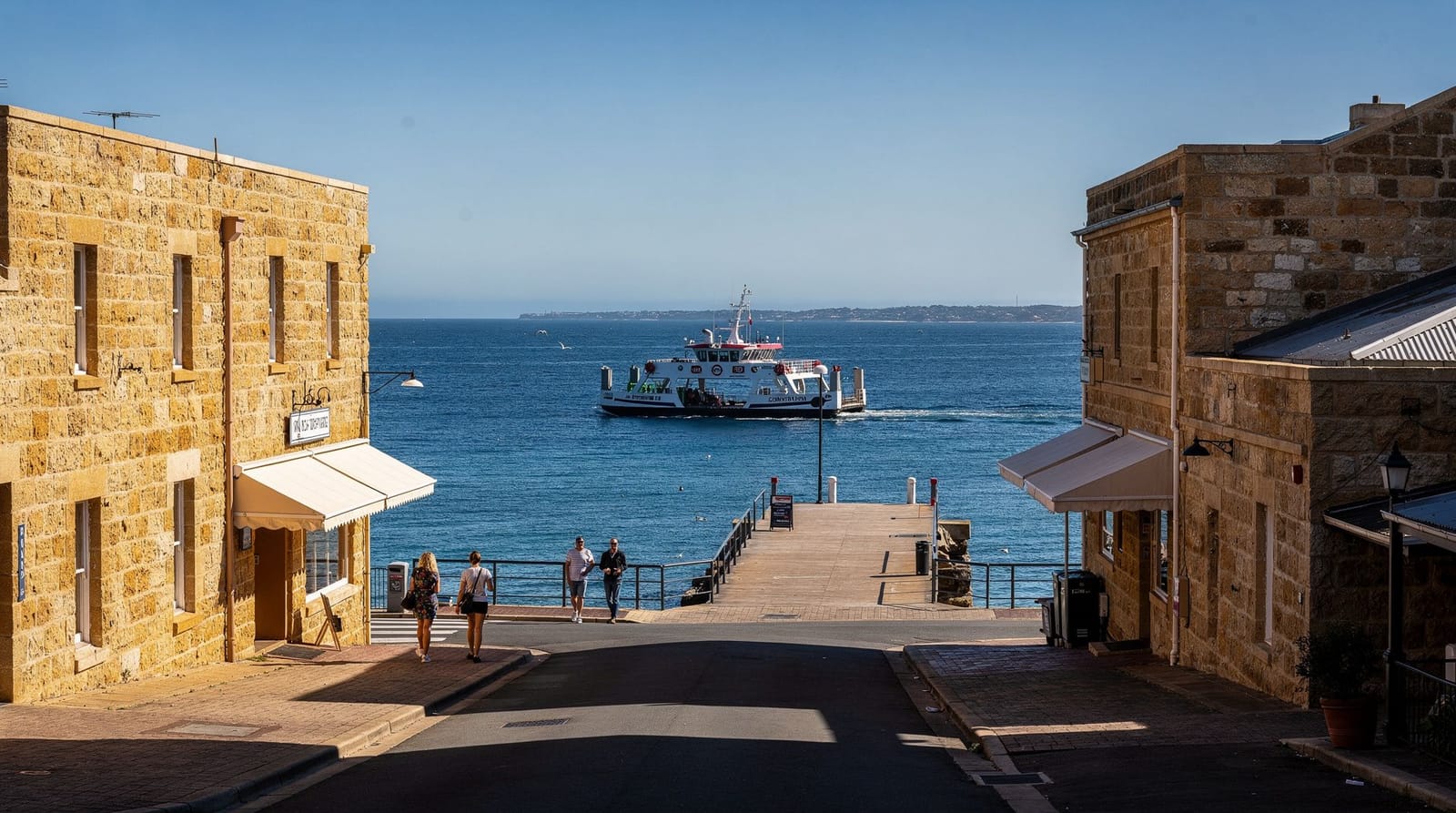 Peninsula hot springs tour from melbourneCheck availability
What to pack
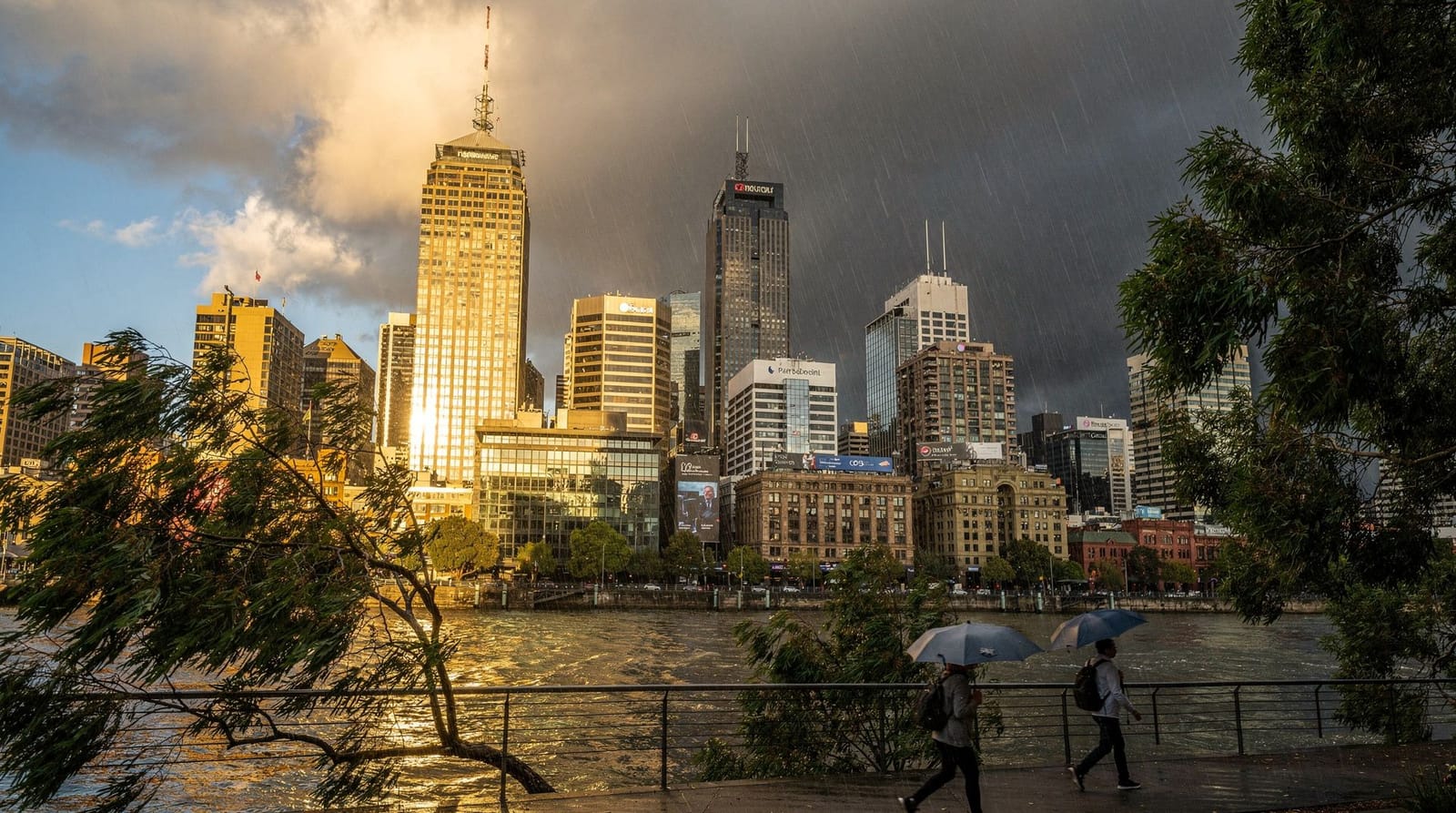
Layers are the key principle: a base layer, a mid layer (jumper or fleece), and a genuinely waterproof outer layer, since Melbourne’s winter rain tends to arrive as sudden showers rather than steady all-day rain. A proper umbrella is less useful than a hooded raincoat, since wind is frequent and flips umbrellas easily. Solid closed shoes matter too — footpaths can be wet and, in older laneways, uneven.
Day trips in winter — what changes
The Great Ocean Road is still fully doable in winter, and arguably has fewer crowds and clearer, dramatic light after storms, though shorter daylight hours (sunset around 5:15-5:30pm in June-July) mean tours turn around earlier and you’ll see less of the late-afternoon stretch in daylight. Phillip Island’s Penguin Parade actually starts earlier in winter (as early as 5:30pm), which some visitors prefer since it means an earlier finish and drive home. Yarra Valley wineries run year-round, and a cold-weather cellar door visit with a fireplace and a red wine flight has its own appeal distinct from a summer visit.
Winter events and festivals
Melbourne runs a genuine winter events calendar rather than treating the season as a quiet gap between summer and spring — the Melbourne International Film Festival typically runs in August, and various food and wine events lean into the season’s comfort-food appeal, including long-table winter dinners and mulled wine offerings at several bars and rooftop venues that switch to winter-specific menus. This is worth knowing if you assumed winter meant a reduced events calendar; in several respects it’s just a different, more indoor-focused one.
Hotel prices and availability in winter
Winter is genuinely the best time to find lower accommodation rates in Melbourne, since it falls outside both the Australian Open’s January peak and the mid-December to late-January school holiday surge. Booking even a well-located CBD hotel at a meaningful discount compared with summer rates is realistic, and availability is rarely a constraint outside of specific event weekends (winter still includes some AFL blockbuster fixtures that can tighten hotel availability in their immediate vicinity).
Layering strategy in more detail
A specific, practical layering approach for Melbourne winter: a moisture-wicking base layer, a wool or fleece mid layer, and a genuinely waterproof (not merely water-resistant) shell as the outer layer, since Melbourne’s winter rain tends to arrive as sudden, wind-driven showers rather than gentle, predictable drizzle. Merino wool performs particularly well here, since it manages the day’s temperature swings between a cold morning and a milder midday better than synthetic alternatives, without the bulk of a heavy cotton jumper.
What doesn’t work well in winter
Beach days at St Kilda or Brighton are off the table — water temperatures are cold and the bay beaches are genuinely a summer activity here. Outdoor walking-heavy day trips like Wilsons Promontory hikes are still possible but demand proper wet-weather gear and shorter daylight windows for planning return times.
Winter month by month
| Month | Conditions | Highlight |
|---|---|---|
| June | Coolest start, daylight shortening fast | Whale watching begins, AFL in full swing |
| July | Coldest month, occasional near-freezing nights | Peak indoor culture, hot springs at their best |
| August | Still cold but daylight lengthening | Melbourne International Film Festival |
A realistic winter weekend
A well-paced winter weekend leans into the season rather than fighting it: Saturday morning at the NGV or Melbourne Museum, a long lunch in a laneway café, and an AFL match at the MCG if the fixture list lines up. Sunday works well for a Mornington Peninsula Hot Springs day trip — the steam-against-grey-sky effect is genuinely part of the appeal rather than a consolation for missing summer sun. If you’re building a longer trip around winter specifically, our best time to visit guide compares it against the other three seasons in more depth.
a Mornington Peninsula hot springs and wildlife day tourFrequently asked questions about Melbourne in winter
How cold does it get in Melbourne in winter?
Daytime highs typically run 8-15°C, with occasional colder days and overnight lows near freezing in outer areas. It rarely snows in central Melbourne itself, though nearby high country (the Dandenong Ranges’ higher points, further out the Victorian Alps) can see snow.
Is Melbourne worth visiting in winter?
Yes — it’s the cheapest, quietest season, and the city’s indoor-culture strengths (galleries, cafés, AFL football) are arguably better suited to winter than to summer heat. See our full best-time-to-visit guide for a season-by-season comparison.
What should I pack for Melbourne in winter?
Proper layers, a waterproof (not just water-resistant) outer layer, closed shoes, and a jumper or two for evenings — indoor heating varies significantly between buildings.
Can you still do the Great Ocean Road in winter?
Yes, and some visitors prefer it — fewer crowds and often dramatic post-storm light — but daylight hours are shorter, so tours and self-drives turn around earlier in the afternoon than in summer.
Are hotel prices lower in Melbourne in winter?
Yes, generally — winter falls outside the Australian Open’s January peak and the mid-December to late-January school holiday surge, making it the most reliable season for lower accommodation rates.
Are there events on in Melbourne during winter?
Yes — the Melbourne International Film Festival typically runs in August, and several venues run winter-specific food and drink events, so winter isn’t a quiet gap in the calendar, just a more indoor-focused one.
What fabric works best for Melbourne’s winter weather?
Merino wool performs particularly well as a mid layer, managing the day’s temperature swings between a cold morning and a milder midday more effectively than synthetic or cotton alternatives.