Docklands
Docklands guide: Marvel Stadium, the Victoria Harbour waterfront, Harbour Town shopping and how this reclaimed port precinct links to the CBD.
Melbourne: Port of melbourne docklands cruise with coffee tea
Quick facts
- Distance from CBD
- Adjoins the western edge of the CBD, 10–15 minutes on foot
- Landmark
- Marvel Stadium (formerly Etihad/Docklands Stadium), retractable roof
- Transport
- Free Tram Zone extends into parts of Docklands; trains via Southern Cross
- Best for
- AFL/concerts at Marvel Stadium, harbour walks, outlet shopping
Docklands is the youngest of Melbourne’s inner precincts, built almost entirely from the late 1990s onward on reclaimed and redeveloped port land immediately west of the CBD, along the Yarra’s final stretch before it meets Victoria Harbour and the bay.
Where most of inner Melbourne’s character comes from 19th-century laneways and terrace housing, Docklands is a deliberately modern, master-planned precinct of high-rise apartments, waterfront promenades and a major stadium — the honest comparison locals sometimes make is to similarly redeveloped harbourside precincts in other cities, and Docklands has faced periodic criticism over the years for feeling somewhat sterile or under-populated relative to its scale, particularly on weekdays outside stadium event nights.
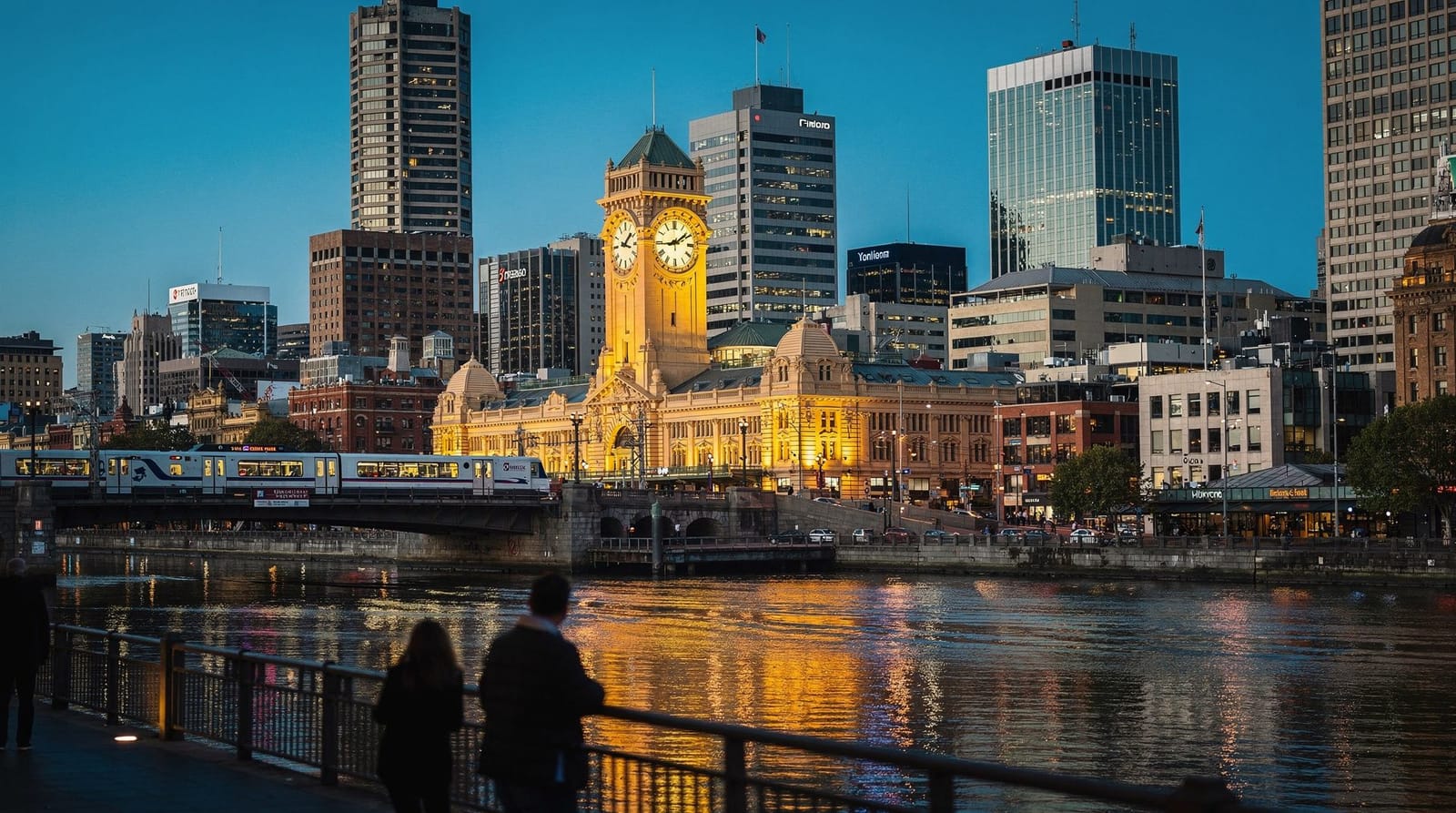
That doesn’t mean there’s nothing here for visitors — Marvel Stadium is a genuine drawcard on event nights, the harbour promenade is a pleasant, uncrowded walk with skyline views back toward the CBD, and the precinct works well as a practical stop if you’re catching a match or connecting via Southern Cross Station, without needing to be a full day’s destination in its own right.
| Where | Immediately west of the CBD, 10–15 min walk from Southern Cross Station |
| Cost | Free to walk the harbour promenade; stadium tickets vary by event |
| Time needed | Half a day, or a few hours around a Marvel Stadium event |
| Getting there | Walk from Southern Cross/Flinders Street, or tram into the eastern precinct |
| Best time | Event nights for atmosphere; daytime for a quieter harbour walk |
Marvel Stadium
Marvel Stadium (previously known as Colonial Stadium, Telstra Dome and Etihad Stadium under successive naming-rights deals) is Docklands’ main landmark, a retractable-roof venue hosting AFL matches, cricket, concerts and other major events year-round — its roof is a genuine practical asset in a city known for unpredictable weather, letting events proceed regardless of rain. It sits a short walk from Southern Cross Station, making it one of the more transport-convenient stadiums in the country on event nights, when free shuttle buses and extra tram and train services typically supplement normal timetables.
Victoria Harbour and the waterfront promenade
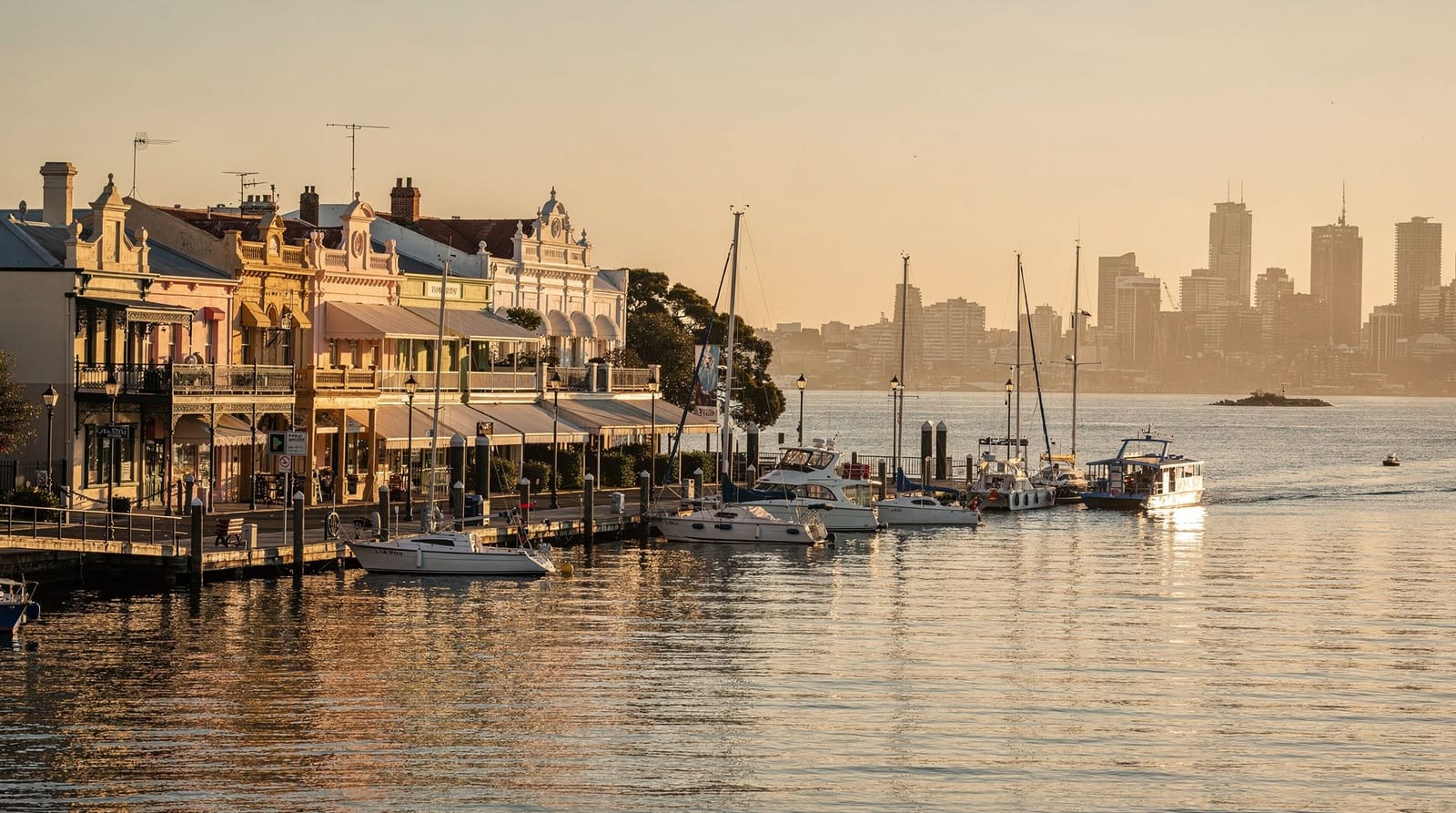
The Victoria Harbour precinct’s waterfront promenade runs along the reclaimed harbour edge, lined with apartment towers, occasional public art, and a scattering of restaurants and cafés facing the water. It’s noticeably quieter than Southbank’s equivalent riverside strip, which makes it a pleasant, uncrowded option for a walk or a coffee with a water view, though it also means fewer dining options to choose from and a more subdued evening atmosphere outside event nights.
Port of Melbourne: Docklands cruise with coffee and teaHarbour Town shopping
Harbour Town, Docklands’ outlet shopping centre, focuses on discounted fashion, footwear and homewares brands rather than the boutique or department-store retail found in the CBD proper — a reasonable stop if outlet shopping is on the agenda, though not a primary reason to visit Melbourne on its own.
The Melbourne Star observation wheel
The Melbourne Star, a large observation wheel within Docklands, has had an inconsistent operating history since opening in 2008, including extended closures for maintenance and structural issues. Check its current operating status before planning a visit around it, since availability has changed multiple times over the years — see Melbourne Star observation wheel for the latest.
How Docklands was built
Docklands occupies what was, until the late 20th century, Melbourne’s working port — wharves, rail yards and shipping infrastructure serving the Yarra’s mouth since the colonial era, progressively made redundant as container shipping moved to larger, more modern facilities further down the bay. The Victorian government began master-planning the site’s redevelopment in the 1990s, and construction of the current mix of high-rise residential towers, the stadium and the harbour precincts proceeded in stages from the early 2000s through the following two decades, making Docklands considerably younger than any other precinct covered in this guide.
That newness is precisely what divides opinion: some visitors and locals find its wide boulevards, glass towers and planned public spaces a refreshing contrast to Melbourne’s older, denser precincts; others find it comparatively soulless, criticising the original masterplan for underestimating how much day-to-day street life (small retail, food precincts, genuine pedestrian density) the area would need to feel truly lived-in rather than purely functional. Successive planning reviews over the years have specifically targeted this issue, adding more ground-floor retail and public programming to the newer stages of development.
NewQuay and the restaurant precinct
NewQuay, the section of Docklands directly facing Victoria Harbour nearest the CBD, holds the precinct’s main concentration of waterfront restaurants and bars, generally quieter than Southbank’s equivalent strip but similarly geared toward the view as much as exceptional food. It’s a reasonable option for a harbourside meal if you’re already in the area for the stadium or a cruise, though not a destination most visitors would travel across the city for on its own merits.
Cycling and walking to Docklands
Docklands connects to the CBD via a flat, well-signed riverside and harbourside path suitable for walking or cycling, extending further along the Yarra toward Melbourne’s western suburbs and eventually linking into the wider Capital City Trail network that circles much of inner Melbourne. This makes Docklands a reasonable stop on a longer bike ride along the river rather than purely a stadium or shopping destination, and several bike hire options operate nearby for visitors without their own.
Getting there
Docklands adjoins the western edge of the CBD and is a 10–15 minute walk from Southern Cross Station or Flinders Street Station. Trams run into parts of Docklands from the CBD, and the Free Tram Zone extends into the eastern portion of the precinct nearest the city, though check current zone boundaries since they don’t cover the full Docklands area. On event nights at Marvel Stadium, additional public transport services typically run, and walking from Southern Cross is usually the simplest option regardless.
Budget for a Docklands visit
The harbour promenade and public art are free to walk. Marvel Stadium tickets vary enormously by event, from budget AFL seating to premium concert pricing. A harbour cruise with refreshments typically runs 30–50 AUD per person. Harbour Town outlet shopping can offer genuine savings versus CBD retail prices, though quality and selection vary by store.
Docklands compared with Southbank and the CBD waterfront
Visitors deciding between Docklands and Melbourne’s other waterfront precincts should weigh atmosphere against convenience. Southbank’s riverside promenade, directly across the Yarra from Flinders Street Station, is denser with restaurants, bars and foot traffic, and connects easily on foot to the CBD grid and the Southbank Arts Precinct’s galleries and theatres. Docklands is quieter, more spread out, and built around the stadium and harbour rather than a continuous dining strip — better suited to a calm walk or an event night than a browsing stroll.
| Precinct | Best for | Atmosphere | Distance from CBD |
|---|---|---|---|
| Docklands | Marvel Stadium events, quiet harbour walks | Quiet, spacious, modern | 10–15 min walk |
| Southbank | Riverside dining, arts precinct | Busy, continuous foot traffic | Adjoins CBD directly |
| CBD laneways | Bars, boutique shopping, street art | Dense, historic | — |
Moving around once you are here
Docklands rewards a loose, unhurried approach. Because the precinct is spread out, the useful habit is to pick one anchor, whether that is the stadium, the harbour edge or a cruise departure, and let the rest of the visit unfold on foot around it. The Melbourne tram guide explains how the network behaves around the western edge of the city, and the Free Tram Zone guide is worth a look before you tap a card, since only part of the precinct sits inside the free area. If you plan to use public transport more than once, the Myki card guide covers how to avoid paying twice for the same journey.
For a wider view of the city’s transport options, including how Southern Cross fits into regional connections, see getting around Melbourne. Visitors arriving from the airport will find the airport to city guide a useful companion, because the route usually ends at Southern Cross, which is also the easiest doorway into Docklands.
Event nights at the stadium
An event night changes the character of Docklands completely. Streets that feel empty on a quiet afternoon fill with supporters, the bars and restaurants along the water become busier, and the whole precinct takes on the energy it can lack at other times. If you are new to the game, the AFL match guide explains what to expect from the crowd and the rhythm of a match, while the Marvel Stadium guide covers the venue itself. Anyone choosing between stadiums can compare it with the MCG guide, and the broader sports precinct guide places Docklands in the context of the city’s other major venues.
A sensible plan is to arrive early rather than at the last minute. That gives you time to walk the harbour edge in daylight, find a table for a meal before the rush, and enter the venue without hurrying. Afterwards, expect crowds at the station and be patient rather than fighting the queue; a slow walk toward the city often turns out to be just as quick.
A slower, more relaxed visit
If you have no event to attend, the best version of Docklands is a slow one. Start with a coffee by the water, follow the promenade at an easy pace and treat the skyline views back toward the city as the main reward. The precinct suits travellers who value space and quiet over density, and it can be a welcome change of pace after several days among the busy laneways. Families with younger children often appreciate the wide, flat paths, which are easy with a pram, and the Melbourne with kids guide has further ideas for filling a day around the city centre.
Photography is another good reason to linger. The mix of glass towers, masts and open sky gives you compositions that are hard to find in the older parts of town, and the light late in the afternoon is usually the most flattering. Bring a layer, because the wind off the water can feel cooler than the weather in the city centre suggests.
Combining Docklands with a wider Melbourne day
Because Docklands sits so close to Southern Cross Station, it pairs easily with other central Melbourne stops rather than requiring a dedicated trip. A common pattern is a morning in the CBD laneways followed by an afternoon harbour walk in Docklands, or an early Marvel Stadium arrival combined with a Yarra River walk back toward Southbank afterwards. Visitors without a stadium event on their itinerary generally get more out of treating Docklands as a short add-on to a CBD day than as a standalone destination.
Food lovers can build the day differently: spend the morning at Queen Victoria Market, then wander west toward the water. A guided tasting such as a guided foodie walk through the market stalls makes a good start to a day that finishes with a quiet harbour stroll. For more ideas on eating your way around the city, the Melbourne food tours guide and the Queen Victoria Market guide are good places to continue, and the three-day first-timer itinerary shows where a Docklands visit can slot into a longer stay.
Frequently asked questions about Docklands
Is Docklands worth visiting if there’s no event at Marvel Stadium?
It’s a reasonable stop for a quiet waterfront walk or a harbour cruise, but it’s not typically worth a dedicated half-day unless there’s a match, concert or specific shopping trip planned at Harbour Town.
How do I get to Marvel Stadium?
It’s a short walk from Southern Cross Station, Melbourne’s most convenient stadium for public transport access; extra services typically run on event nights.
Is the Melbourne Star still operating?
Its operating history has been inconsistent, with periods of closure over the years — check current status before planning around it.
Is Docklands part of the Free Tram Zone?
Partly — the free zone extends into the eastern part of Docklands nearest the CBD, but not the entire precinct; check current zone maps if relying on this.
Is Docklands safe at night?
Yes, generally, though the precinct can feel quiet and under-populated on weeknights outside event nights, which some visitors find less lively than busier inner suburbs.
Can I combine Docklands with the CBD in one day?
Yes — it’s an easy 10–15 minute walk from Southern Cross Station or the western edge of the CBD grid, making it simple to combine with a Marvel Stadium event or a harbour walk either side of a CBD visit.
Why do some locals dislike Docklands?
The most common criticism is that the original masterplan prioritised residential towers and wide boulevards over the kind of small-scale, ground-floor retail and pedestrian density that makes Melbourne’s older precincts feel lively — a gap successive planning reviews have tried to address by adding more retail and public programming to newer development stages.
Is there good shopping in Docklands?
Harbour Town offers discount outlet shopping across fashion, footwear and homewares brands — useful for bargain hunting, though a narrower and less varied retail experience than the CBD’s department stores and boutiques.
Is Docklands better than Southbank for a waterfront walk?
They suit different moods — Southbank is busier and better for dining and people-watching, while Docklands is quieter and better for a calm, uncrowded walk with skyline views. Neither is objectively “better”; pick based on whether you want atmosphere or quiet.
Can I walk from Docklands to the CBD laneways?
Yes — it’s a flat, roughly 15–20 minute walk from the Docklands waterfront into the western edge of the CBD laneways, making it easy to combine both in one outing.
Top experiences
Bookable activities with verified prices and instant confirmation on GetYourGuide.