Footscray
Footscray guide: Melbourne's multicultural food destination — Vietnamese and East African restaurants, Footscray Market, and honest budget eating.
Melbourne: Melbourne secret food tour
Quick facts
- Distance from CBD
- ~5 km west, 10 minutes by train from Southern Cross
- Known for
- Vietnamese, East African and broader Southeast Asian food
- Key site
- Footscray Market — produce, seafood and Asian grocers
- Best for
- Genuinely cheap, authentic multicultural eating
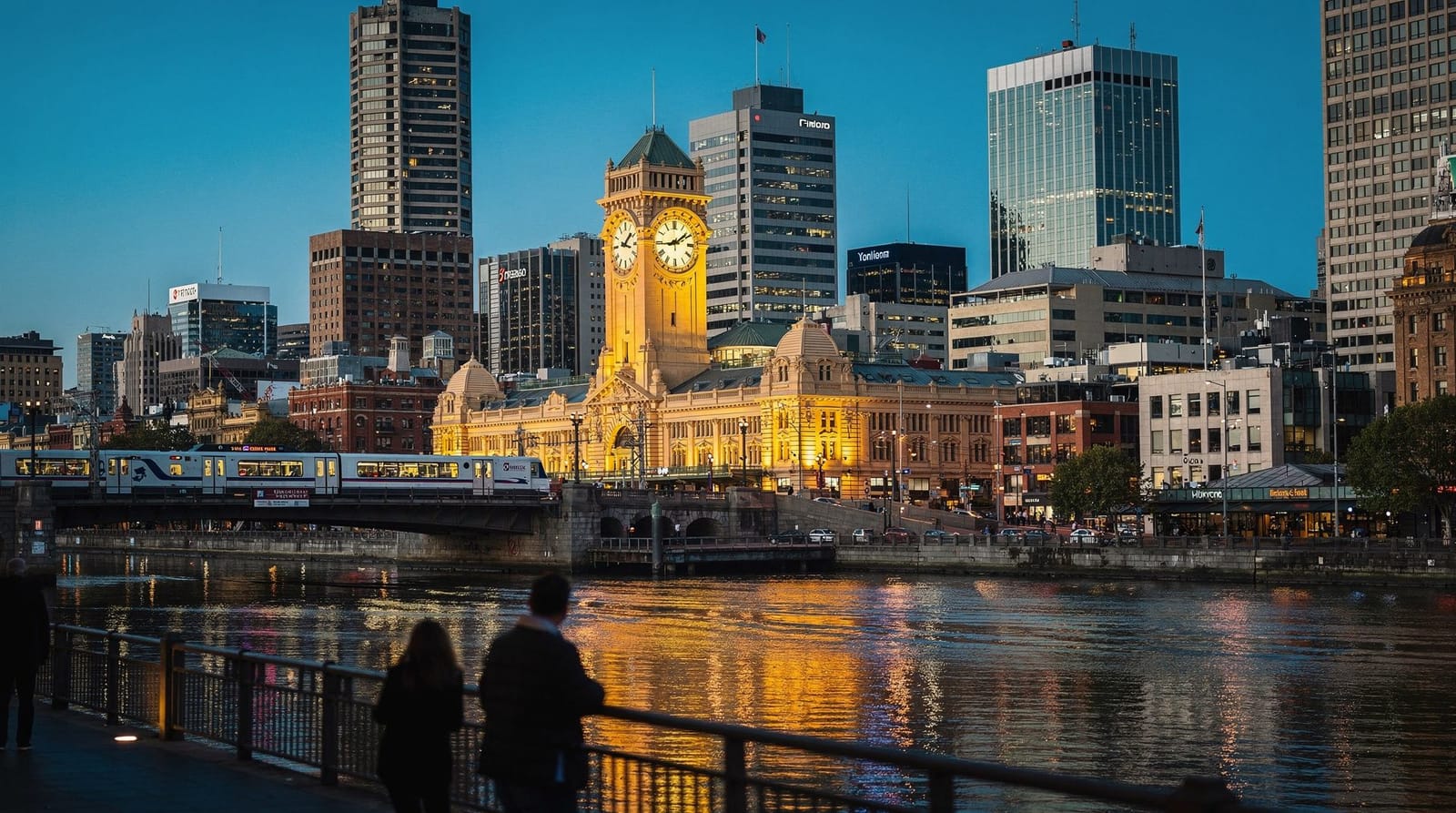
Footscray, about 5 km west of the CBD across the Maribyrnong River, is Melbourne’s most genuinely multicultural suburb and, for food-focused visitors willing to travel slightly further from the tourist centre, arguably its best value dining destination. Its identity has been built through successive waves of migration — Vietnamese refugees from the late 1970s onward established the suburb’s now-famous “Little Saigon” strip along Hopkins and Nicholson Streets, and more recent decades have added significant Ethiopian, Eritrean, Sudanese and broader East African communities, alongside older Greek, Italian, Croatian and Macedonian populations dating to earlier postwar migration.
The honest pitch for Footscray is that it offers a version of Melbourne’s food diversity with far less tourist markup than the CBD or even Fitzroy — this is where a large working local population eats daily, not a precinct built around visitor foot traffic, and prices and portion sizes reflect that.
| Where | ~5 km west of the CBD, across the Maribyrnong River |
| Cost | Meals typically 12–18 AUD; among the cheapest eating in Melbourne |
| Time needed | Half a day for a food-focused visit |
| Getting there | ~10 min train from Southern Cross Station to Footscray station |
| Best time | Any day; Footscray Market is busiest on weekends |
Little Saigon
Hopkins Street and the surrounding blocks hold Melbourne’s densest and most historically significant Vietnamese restaurant and grocery strip, distinct from and, by most local accounts, now more extensive than Richmond’s Victoria Street, which held the earlier claim to “Little Saigon” status. Pho, banh mi, and a wide range of regional specialties are available at prices consistently below CBD equivalents, alongside grocers stocking specialty Southeast Asian produce hard to find elsewhere in the city. See Footscray’s Little Saigon for specific recommendations.
East African food and community
Footscray’s East African community, particularly Ethiopian and Eritrean, has established a growing cluster of restaurants serving injera-based communal dining — a genuinely distinctive addition to Melbourne’s food scene, less common elsewhere in the city, and reflecting one of the more significant recent waves of migration to the area.
Footscray Market
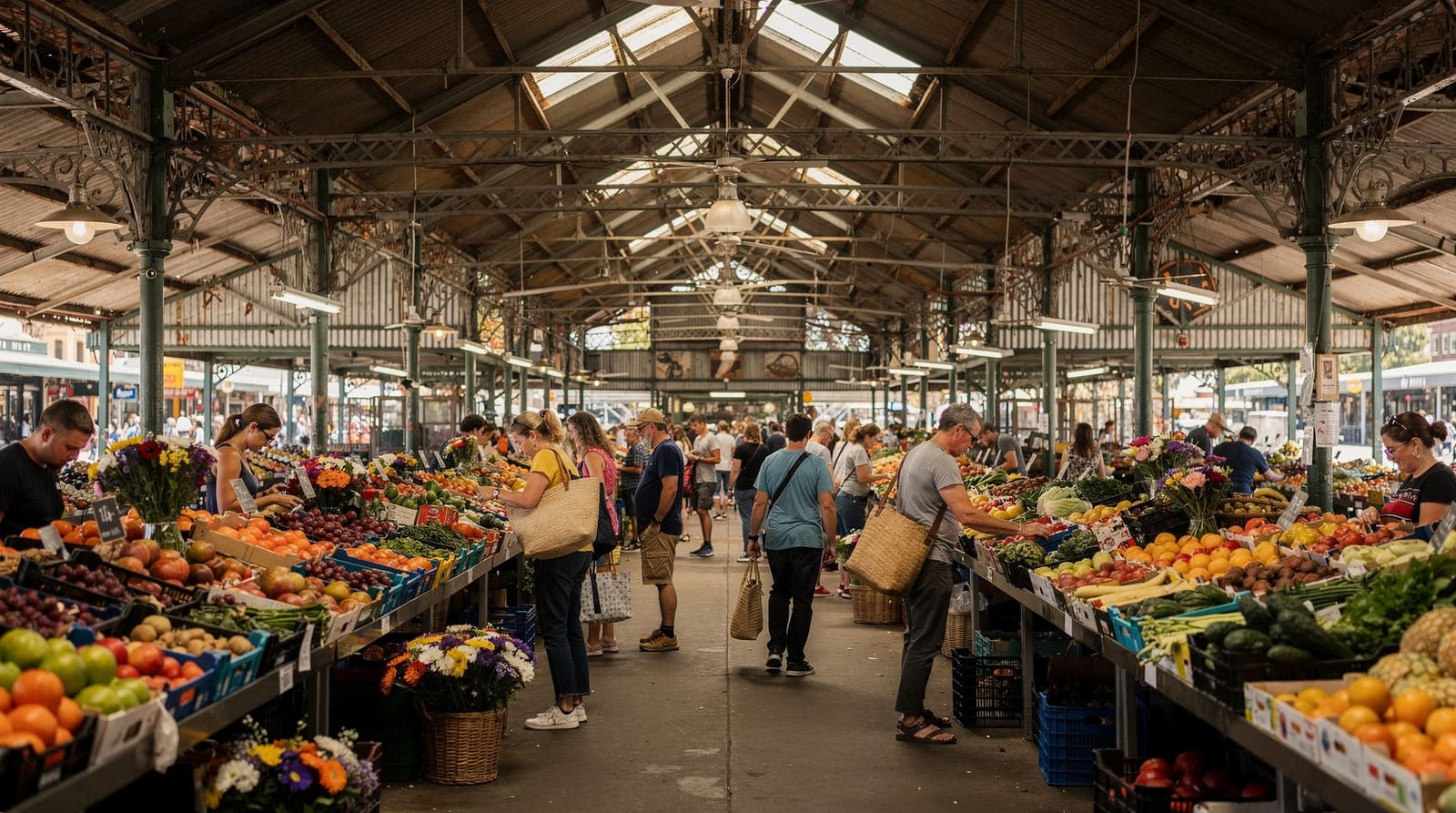
Footscray Market, a large indoor produce and general goods market, functions similarly to Queen Victoria Market but at a fraction of the tourist visibility and correspondingly sharper local pricing — a working market serving the surrounding community’s genuinely diverse shopping needs, from Asian and African grocery staples to fresh seafood and produce.
Honest framing: is Footscray worth the trip?
For visitors purely chasing headline Melbourne sights, Footscray is a lower priority than the CBD, St Kilda or the Great Ocean Road. For visitors genuinely interested in food and in seeing a less curated, more functionally multicultural side of the city than the inner CBD, it’s one of the better-value half-day trips available, and increasingly recognised as such by food writers and locals rather than being a purely insider tip.
An industrial and working-class history
Footscray’s development through the 19th and 20th centuries was shaped by heavy industry — wool stores, chemical works, meatworks and other manufacturing that took advantage of its riverside location and rail access, and which for much of the 20th century gave the suburb a reputation as one of Melbourne’s poorer, more polluted industrial areas. That industrial base attracted successive waves of migrant labour, from earlier European communities through to the Vietnamese refugee resettlement of the late 1970s and 80s and the more recent East African arrivals, each of which has left its mark on the suburb’s food and community institutions.
Deindustrialisation from the late 20th century onward, combined with the same broader inner-suburban gentrification pressure reshaping Fitzroy and Richmond, has brought new apartment development and rising prices to Footscray in recent years, though it has so far retained more of its working-class, genuinely multicultural character than most comparably located suburbs this close to the CBD.
The Maribyrnong River
The Maribyrnong River, forming Footscray’s eastern boundary with the rest of Melbourne, offers a quieter riverside walking and cycling path than the more heavily used Yarra trails closer to the CBD, along with occasional kayak hire for exploring the river itself. It’s a useful, uncrowded option for visitors wanting a river walk without the crowds of the CBD’s Yarra promenade.
Getting there
Footscray station, a straightforward 10-minute train ride from Southern Cross Station, is the simplest access point, putting the market and Hopkins Street within a short walk. Several tram and bus routes also serve the area from the western suburbs.
Budget for a Footscray visit
A Vietnamese meal here typically runs 12–18 AUD for a substantial serving, among the cheaper options in greater Melbourne. Footscray Market shopping is generally cheaper than equivalent CBD options. This is one of the most budget-friendly half-day trips covered in this guide.
Footscray compared with Fitzroy and Richmond for food
Melbourne has several strong multicultural food precincts, and visitors with limited time sometimes wonder which one to prioritise. Footscray’s edge is genuine value and authenticity for Vietnamese and East African food, at the cost of being further from the CBD and having fewer non-food attractions than Fitzroy and Collingwood or Richmond, both of which combine their own food scenes with more shopping, bars and street art within easy walking distance.
| Precinct | Food strength | Price level | Distance from CBD |
|---|---|---|---|
| Footscray | Vietnamese, East African | Cheapest | ~5 km west, 10 min train |
| Richmond | Vietnamese (Victoria St), Asian grocers | Budget-mid | ~3 km east |
| Fitzroy/Collingwood | Specialty coffee, eclectic global food | Mid-range | ~2–3 km northeast |
A sample Footscray food walk
A realistic half-day visit: arrive by train at Footscray station late morning, browse Footscray Market for produce and grocers, walk Hopkins Street for lunch (pho or banh mi), then a slower afternoon exploring the side streets around Nicholson Street for East African restaurants and specialty grocers, finishing with a walk along the Maribyrnong River path before heading back to the CBD. This pacing gets a genuine sense of the suburb’s food diversity without needing a full day.
How to eat well in Footscray without a plan
The best way to approach the suburb is to treat it as a grazing trip rather than a single sit-down meal. Because so many places are casual and serve generous portions, it makes sense to share dishes, stop for something small at one spot, then move on to the next. Following the queue is a reasonable rule: a busy counter at lunchtime usually means the kitchen turns over quickly and the food is fresh. Menus are often short and focused on a handful of specialties, which makes ordering easier than it looks, and staff are generally happy to point you toward the dish the place is known for.
If you are new to injera-based dining, the communal format is part of the pleasure. Dishes arrive together on a shared platter, and you tear off pieces of bread to scoop up each stew or salad. Go with at least one other person so you can try a wider spread, and ask the kitchen about anything unfamiliar. For Vietnamese food, the same approach applies: start with a noodle soup or a banh mi, then add a lighter dish to share. Cash and card habits vary between small family-run places, so it helps to carry a little of both.
What to look for at the market and grocers
Footscray Market rewards slow browsing. Beyond the fresh produce and seafood, look at the Asian and African grocers for ingredients that are hard to find in the inner city: fresh herbs, noodles, spice blends, sauces and snacks that make good edible souvenirs. Many visitors come away with a bag of pantry items as much as a full stomach. If you are staying in an apartment with a kitchen, the market is a genuinely useful place to stock up, and it pairs naturally with the broader picture of Melbourne’s markets.
Comparing it with Queen Victoria Market is instructive. Queen Vic is the market most visitors know, with its heritage sheds and tourist crowds; Footscray feels more like an everyday shop for the neighbourhood. Seeing both in the same trip gives a good sense of how differently Melbourne’s markets can feel. For more on the city’s best-known market, the Queen Victoria Market food guide covers what to eat there.
If you prefer a guided introduction to Melbourne’s food
Footscray is best explored independently, since the appeal is its walk-in, unscripted character. But if you would like a guided layer on top of a wider food-focused stay, there are options closer to the centre. A guided food tasting through the city’s hidden laneways is a good way to understand how the CBD’s food scene works before you head west to compare it with Footscray’s more everyday approach. Visitors who enjoy markets might also consider a tasting walk through the stalls of Queen Victoria Market, which makes a natural companion to a Footscray Market visit on another day. For a broader overview of the options, see our Melbourne food tours guide.
Building Footscray into a wider Melbourne trip
Because it is a half-day destination, Footscray slots easily into several itineraries. On a short stay, it works best as a food-focused afternoon after a morning spent in the centre; the 3-day food and coffee itinerary shows how to balance different food neighbourhoods without rushing. If you are travelling without a car, the train link makes it one of the easiest outings to manage, which fits well with the car-free 3-day plan. Getting around is simple once you understand the ticketing, so it is worth reading the Myki card guide before you set out.
For visitors who want a wider culinary picture, the best restaurants in Melbourne guide covers other parts of the city, while Chinatown offers another central point of comparison for Asian dining. Together they make it easy to decide how much of your food budget and time to spend in each part of town.
Respectful visiting
Footscray is a living neighbourhood, not a themed precinct. Many of the restaurants and shops are small, family-run businesses that serve the same regulars every day. Be patient at busy counters, ask before photographing people or stalls, and try to buy something when you browse. Leaving the strip a little better off than you found it is the simplest form of responsible travel, and it is also the best way to be welcomed back.
Frequently asked questions about Footscray
Is Footscray safe to visit?
Yes — it’s a well-established, densely populated inner-western suburb with a genuinely functioning local economy; standard city precautions apply as anywhere else.
Is Footscray or Richmond better for Vietnamese food?
Both are strong options — Richmond’s Victoria Street holds the historical “first” claim, while Footscray’s Hopkins Street strip has grown into an arguably larger and more diverse Vietnamese and broader Southeast Asian food scene.
How do I get to Footscray from the CBD?
Footscray station is a 10-minute train ride from Southern Cross Station, the simplest and most direct option.
Is Footscray touristy?
No — it remains a genuinely local, working suburb with relatively low visitor numbers relative to its food quality, which is part of its appeal for value-conscious travellers.
Can I combine Footscray with another destination in one day?
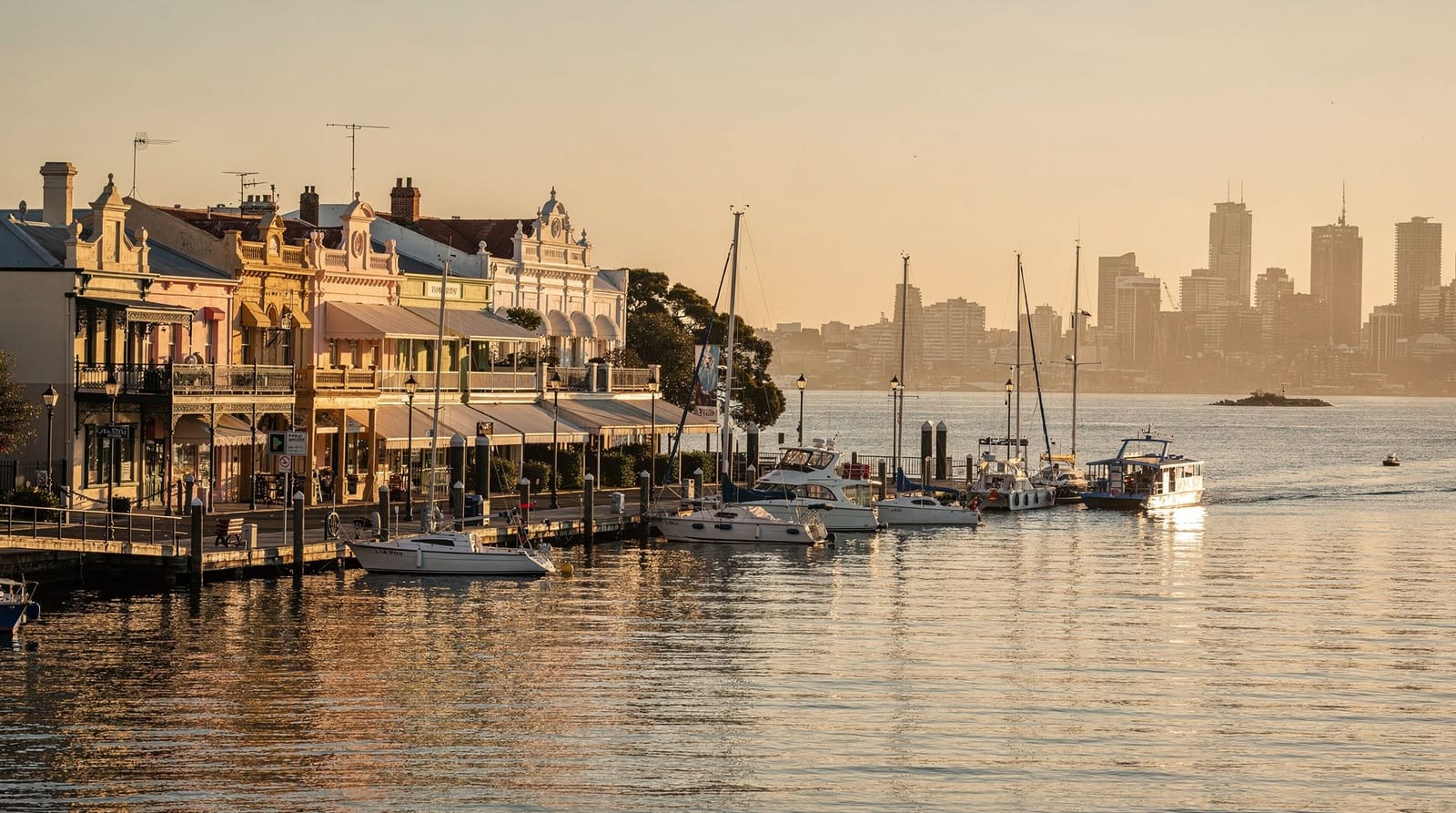
Yes — it pairs well with a river walk toward Williamstown, or as a food-focused half-day on either side of a CBD-based day, given its short 10-minute train connection to Southern Cross Station.
Is Footscray or Fitzroy better for a food-focused visit?
They serve different purposes — Footscray for genuinely cheap, authentic Vietnamese and East African food with less tourist markup, Fitzroy and Collingwood for specialty coffee and a more eclectic, mid-range dining scene closer to the CBD.