Royal Botanic Gardens Melbourne: hours, free entry and what to see
Royal Botanic Gardens Victoria Melbourne Gardens: Melbourne aboriginal heritage walk
Is the Royal Botanic Gardens Melbourne free to enter?
Yes, daytime entry is free every day of the year, with standard hours of 7:30am to 5:30pm extending to 7:30am-7:30pm from 1 October to 31 March. The only paid element is Lightscape, a separate after-dark light installation event running select evenings from 12 June to 2 August 2026, which requires its own ticket and is entirely optional.
| Where | Birdwood Ave, Domain parklands, St Kilda Road |
| Cost | Free entry (Lightscape evenings are ticketed) |
| Time needed | 1.5-2 hours for a relaxed loop |
| Getting there | Tram down St Kilda Road, or 20-25 min walk from Flinders St |
| Best time | Early morning for quiet; autumn for colour |
A free 38-hectare anchor to the arts precinct
The Royal Botanic Gardens sit on a bend of the Yarra River, a short walk from the Shrine of Remembrance and NGV International, and they’re free to enter every single day of the year — a fact worth stating plainly, because it’s easy to assume a garden of this scale and reputation must charge admission somewhere. It doesn’t. Established in 1846, the gardens are widely regarded as one of the finest examples of 19th-century landscape design anywhere in the world, and they hold more than 8,500 plant species across 38 hectares of lawns, lakes, specialty gardens and mature tree plantings that have had well over a century and a half to mature into their current form.
For a Melbourne itinerary built around the Southbank and arts precinct, the gardens function as both a destination in their own right and a genuine breathing space between denser cultural stops like the Shrine of Remembrance and NGV International — somewhere to slow down for an hour or two without needing to plan around opening times, tickets or crowds in the way most of the city’s other major attractions require.
This entry covers the gardens as a standalone attraction: hours, free entry, what’s inside and how to combine a visit with nearby sights. If you’re planning a longer, walk-by-walk exploration of the gardens’ specific trails and lesser-known corners, our separate Royal Botanic Gardens walking guide goes into that depth; this page is the practical overview.
Hours and free entry
Standard opening hours are 7:30am to 5:30pm, extending to 7:30am-7:30pm from 1 October to 31 March to take advantage of daylight saving and Melbourne’s longer summer evenings. Entry is free at all times during these standard hours, with no ticket, booking or gate to pass through — you simply walk in at any of the main entrances.
There is one important seasonal wrinkle worth planning around if you’re visiting in winter 2026. From 11 June to 2 August, the gardens close earlier — at 3pm — on Wednesday through Sunday, plus during school holidays, to allow set-up for Lightscape, a ticketed after-dark light installation event held on select evenings across that same window (12 June-2 August 2026). If your visit falls in this period, check the day’s specific closing time before planning a late-afternoon visit, since the standard 5:30pm closing does not apply on the affected days.
Lightscape: a separate paid evening event, not free entry after dark
This is the detail most worth being clear-eyed about, because it’s a common point of confusion. Daytime entry to the Royal Botanic Gardens is, and always has been, free. Lightscape is a different product entirely: a large-scale, ticketed walking trail of illuminated art installations set up through parts of the gardens after dark, running on select evenings during the 12 June-2 August 2026 season. It requires its own advance-purchased ticket, operates on its own separate hours in the evening, and gives access to a specific lit trail rather than general free-roam access to the whole 38 hectares after dark.
In practical terms: if you want to see the gardens for free, visit during standard daytime hours as usual. If you specifically want to see Lightscape, budget for a separate ticket and evening visit, and don’t assume that a regular free daytime visit during the Lightscape season includes any preview or informal access to the light installations — it doesn’t, and the earlier 3pm closing on affected days exists precisely to keep the two experiences separate.
What’s inside: the Ian Potter Foundation Children’s Garden
Near the visitor centre, the Ian Potter Foundation Children’s Garden is a purpose-built play and discovery space aimed at younger children, featuring water play elements, a rainforest walk, a kitchen garden and sculptural climbing features designed around plant and nature themes rather than standard playground equipment. It’s a genuinely well-designed addition for families visiting with kids too young to appreciate the wider gardens’ horticultural detail, and it’s included in the same free general entry as the rest of the grounds. For families building a broader day around it, our Melbourne with kids guide covers how to sequence this alongside other family-friendly stops in the precinct.
Guilfoyle’s Volcano
One of the more distinctive and photogenic features in the gardens is Guilfoyle’s Volcano — not a natural feature at all, but a heritage water-storage structure built into a raised, cone-shaped mound in the 1870s under then-director William Guilfoyle, designed to supply the gardens with water by gravity before modern irrigation existed. It fell out of active use over the following century and was restored as a heritage and lookout feature in a project completed in the 2000s, and it now functions as one of the better elevated vantage points within the gardens themselves, with plantings around its base and a walkway to the top.
It’s an easy, low-effort stop to add to a general walking loop and a good example of how much of the gardens’ current character comes from 19th-century engineering as much as horticulture.
The ornamental lake and Tennyson lawn
The gardens’ central ornamental lake, with its resident population of black swans and other waterbirds, is the most photographed and arguably most restful part of the grounds — a slow loop path circles the water, passing several vantage points and small bridges, and it’s a favourite spot for a quiet sit or a picnic on the surrounding lawns. The Tennyson lawn, a broad open grass area named for the English poet, is one of the more popular picnic and informal gathering spots in the gardens, particularly on weekend afternoons in the warmer months.
Neither of these areas require any planning beyond turning up — there’s no need to book a specific lawn or lakeside spot, and on all but the busiest weekends there’s ample space to find a quiet corner even during peak visiting hours.
Free guided walks
Free one-hour guided walks depart from the visitor centre on most days, led by trained volunteer guides who cover the gardens’ design history, notable plant collections and points of horticultural or historical interest along a set route. These walks don’t usually require advance booking — checking the schedule board at the visitor centre on the day, or the gardens’ own listings before you go, is generally enough to plan around one. They’re a genuinely useful way to get more out of a visit than wandering alone would deliver, particularly for visitors without a strong background in botany or garden history who might otherwise walk past significant specimens without realising their importance.
Aboriginal Heritage Walk
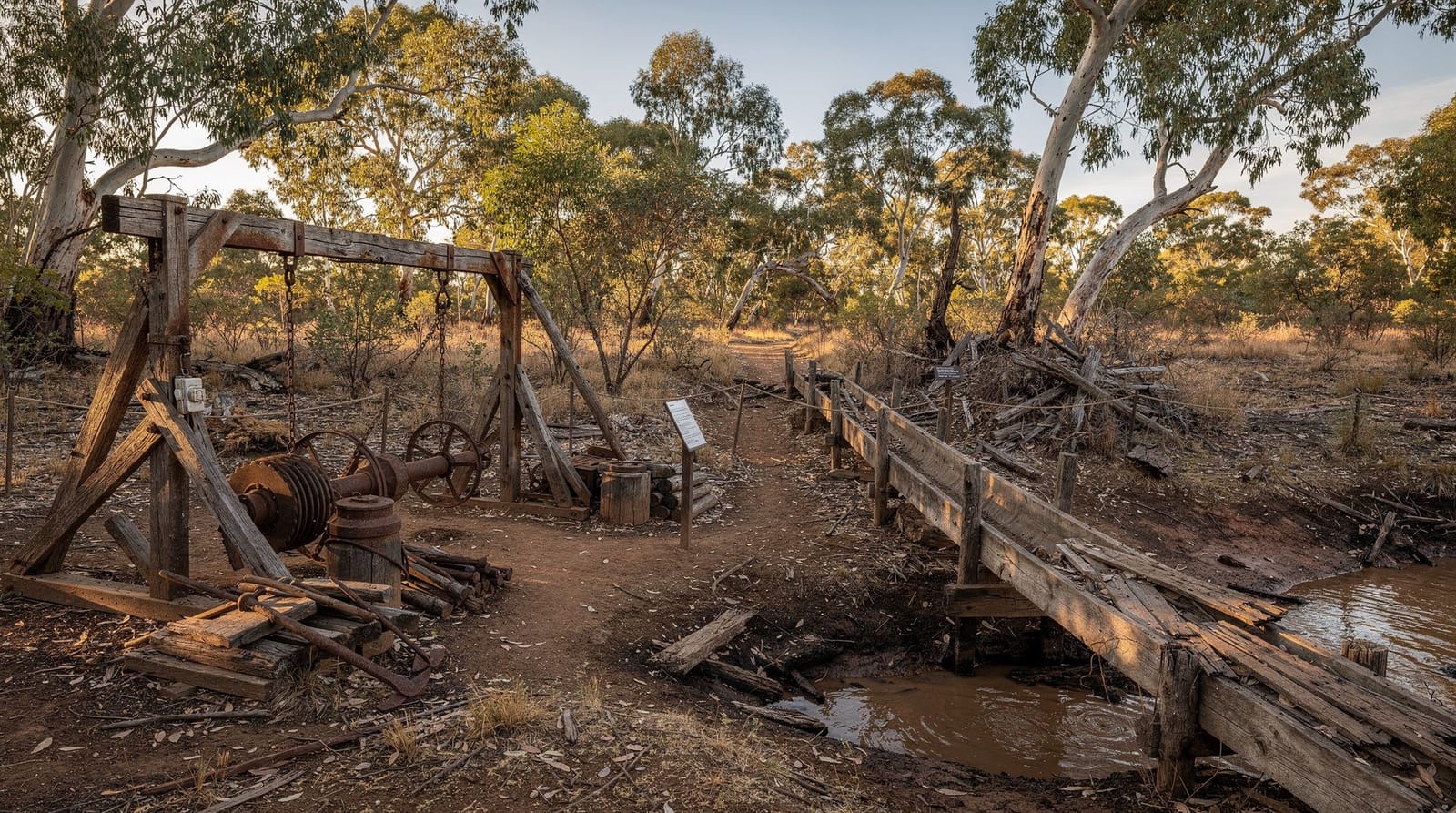
A more specific, paid guided experience available within the gardens is the Aboriginal Heritage Walk, which covers the site’s deep significance to the Boon Wurrung and Woiwurrung peoples of the Kulin Nation — whose connection to this stretch of the Yarra predates the gardens’ 1846 establishment by tens of thousands of years — alongside traditional uses of native plants still growing throughout the grounds today. It’s a genuinely worthwhile addition for visitors wanting a cultural and historical layer beyond the horticultural one, and it’s distinct from, and a paid complement to, the free general guided walks described above.
 Royal Botanic Gardens Victoria Melbourne Gardens: Melbourne aboriginal heritage walkCheck availability
Practical tips for a smooth visit
Pick the entrance that matches your route. The gardens have several entrances around their perimeter — from St Kilda Road near the Shrine, from the Observatory Gate area, and from the Anderson Street side near the Yarra — so it’s worth checking which is closest to wherever you’re coming from rather than defaulting to the main visitor centre gate if a closer entrance suits your day better.
Bring water and sun protection in summer. Much of the gardens’ central lawn area is open rather than shaded, and Melbourne’s UV levels can be intense even on a mild-feeling day.
Check the Lightscape closing times if visiting in June-August. As covered above, Wednesday-Sunday closing shifts to 3pm during the 2026 Lightscape season plus school holidays — don’t plan a 4pm arrival assuming standard hours apply.
Allow more time than you think. First-time visitors consistently underestimate how much ground 38 hectares actually covers; a “quick look” easily becomes 90 minutes once you factor in the lake loop and a stop at Guilfoyle’s Volcano.
Accessibility and facilities
The gardens are largely flat and well-paved along the main circuit paths, making them accessible for prams and most wheelchairs, though some of the smaller specialty garden paths have looser surfaces or gentle slopes. The visitor centre near the main entrance has accessible toilets, a café, and a gift shop, and acts as the natural starting point for both the free guided walks and general orientation via the maps available there. Seating is plentiful throughout the grounds, particularly around the lake.
Seasonal notes
The gardens genuinely change character across Melbourne’s four seasons rather than simply being “green year-round”. Autumn (March-May) brings strong colour from the deciduous tree collections, particularly around the lake, and is widely considered the most visually rewarding season for a visit, alongside being Melbourne’s mildest and most reliably pleasant weather window. Spring (September-November) brings flowering displays across many of the specialty beds. Summer (December-February) offers the longest opening hours (until 7:30pm) and warm evening picnic conditions, though midday heat can be intense with limited shade in the open lawn areas.
Winter (June-August) is quieter and cooler, and — as covered above — is also when the paid Lightscape evening event runs, with earlier daytime closing on the days it’s staged.
A brief history of the gardens’ design
The gardens were established in 1846 on a site chosen partly for its bend in the Yarra River, and their current landscape character owes most to William Guilfoyle, director from 1873 to 1909, who reworked earlier, more formal Victorian-era plantings into the sweeping, naturalistic lawns, curved lake edges and specimen tree plantings that still define the gardens’ layout today. Guilfoyle’s approach — grouping plants by form and texture rather than strict botanical taxonomy, and designing sightlines that reveal the landscape gradually rather than all at once — is part of why the gardens are still cited internationally as one of the best-preserved examples of 19th-century landscape design, rather than simply an old, well-funded park.
That design legacy is also why a first-time walk through the gardens can feel more considered than a typical city park: paths curve to open up specific views of the lake or a mature tree rather than running in straight utilitarian lines, and the specialty gardens — including a cacti and succulent collection, a fern gully, and native Australian plantings — are arranged to create distinct, self-contained moods rather than blending into one undifferentiated green space.
Photography and quiet corners
Beyond the well-known lake loop and Guilfoyle’s Volcano, the gardens reward slower exploration for anyone interested in photography or simply finding a quiet spot away from the main paths. The fern gully, tucked into a shaded, damp pocket of the grounds, offers a markedly different atmosphere from the open lawns nearby, and the native plant beds toward the gardens’ southern edge are usually far quieter than the central lake area even at busy times. Early morning, shortly after the 7:30am opening, is consistently the best window for both photography and solitude, well before school groups, guided walk participants and the general daytime crowd build up through the late morning and afternoon.
Combining with a longer Melbourne day or itinerary
Beyond the St Kilda Road loop with the Shrine and NGV, the gardens sit close enough to St Kilda and the broader bayside area that a longer walking or tram day connecting all three is entirely feasible for visitors staying south of the CBD. On a structured 1-day Melbourne itinerary, the gardens work best as a late-morning or early-afternoon stop rather than first thing, giving the morning dew time to clear and the light time to soften for photography.
Budget-conscious travellers piecing together a low-cost trip should also cross-reference our Melbourne on a budget guide, which treats the gardens as one of several free anchors alongside State Library Victoria worth building a day around.
Daytime visit versus Lightscape at a glance
| Daytime visit | Lightscape (12 Jun-2 Aug 2026) | |
|---|---|---|
| Cost | Free | Ticketed, paid |
| Hours | 7:30am-5:30pm (7:30pm Oct-Mar) | Evening only, select dates |
| What you see | Full gardens, plant collections, wildlife | Illuminated art trail |
| Booking | Not required | Required, in advance |
If you only have one visit: gardens or a nearby precinct highlight
Visitors with genuinely limited time sometimes ask whether the gardens are a better use of an hour than a nearby alternative like the Shrine of Remembrance lookout or the NGV. The honest answer depends on weather and interest: on a fine day, the gardens’ open-air, unticketed format suits a spontaneous stop better than a gallery visit, while on a wet day the NGV’s indoor galleries are the more comfortable choice. If you can only manage one, the gardens edge it for most first-time visitors purely because there’s no queue, no ticket and no fixed viewing time to plan around.
Free entry compared with paid Melbourne gardens attractions elsewhere
Unlike some ticketed botanical or heritage garden attractions in other Australian cities, the Royal Botanic Gardens Melbourne has never charged general admission, a deliberate policy choice that reflects its status as public parkland rather than a commercially operated attraction. This is worth knowing if you’re comparing it against a paid garden or heritage site elsewhere on your trip — the value proposition here is unusually strong precisely because there’s no entry fee eating into the comparison.
What sets these gardens apart from a typical city park
It’s worth being specific about why the Royal Botanic Gardens draw international horticultural attention rather than functioning as simply a large, pleasant green space. The 8,500-plus plant species are arranged into distinct collections by climate origin and growing conditions rather than scattered generically — a cacti and succulent collection on a dry, sun-facing slope sits a short walk from a shaded fern gully mimicking rainforest conditions, and both are entirely different again from the broad open lawns and lake area most first-time visitors default to. That deliberate variety, built up over more than 150 years of curation, is a meaningfully different experience from a standard municipal park, even a well-maintained one — and it’s part of why the gardens reward a second or third visit across different seasons rather than being a one-and-done tick-box stop.
A note on wildlife beyond the black swans
Beyond the lake’s resident black swans and ducks, the gardens’ denser plantings — particularly around the fern gully and native plant beds — support a genuine population of native birds that reward a quieter, slower walk away from the main lake loop. It’s not a dedicated wildlife attraction the way Healesville Sanctuary or the Melbourne Zoo are, but it’s a pleasant, unplanned bonus for anyone with even a casual interest in birdwatching during an otherwise horticulture-focused visit. Bringing a pair of binoculars isn’t necessary, but a slower pace through the denser plantings rather than a brisk lap of the lake gives noticeably better odds of a genuine sighting.
Getting there
The gardens sit on Birdwood Avenue, immediately adjacent to the Shrine of Remembrance, in the Domain parklands precinct on St Kilda Road. From Flinders Street Station, it’s roughly a 20-25 minute walk, or a short tram ride down St Kilda Road to the Domain Interchange stop, from which it’s a few minutes on foot. The whole route sits within or very close to the Free Tram Zone boundary depending on exactly where you board, so check your Myki won’t be charged if travelling from within the zone. Limited paid parking is available near some entrances, but walking or tram remains the more practical option for most visitors staying in the CBD or Southbank.
Combining with the Shrine and NGV
The Royal Botanic Gardens sit within easy walking distance of two of the other major St Kilda Road cultural anchors: the Shrine of Remembrance, directly across the Domain parklands, and NGV International, a little further north. Combining all three into a single half-day loop is one of the most efficient, largely free ways to spend a few hours in this part of Melbourne, and it works well in either direction — start at the gardens and finish at the gallery, or the reverse, depending on which end of St Kilda Road you’re approaching from.
If you’d rather have the city’s main sights stitched together for you than plan the tram legs yourself, a city highlights group tour by bus is a low-effort way to get your bearings before settling into the gardens on foot. Sports fans staying nearby can also pair the gardens with a guided tour of the MCG, then read our MCG guide for the stadium’s story and our Melbourne walking tours roundup for on-foot alternatives.
For a broader list of no-cost activities to pair with this loop, see our Melbourne free things to do guide.
Common mistakes to avoid
Assuming Lightscape is included in a normal visit. As covered above, it isn’t — it’s a separate paid ticket for a specific evening trail, and confusing the two leads to disappointed visitors turning up hoping for a free light show during a standard daytime visit.
Underestimating the walking distance. At 38 hectares, the gardens are considerably larger than most visitors expect from the phrase “botanic gardens”, and a genuine full loop with time to linger at the lake and Guilfoyle’s Volcano is closer to two hours than the 20-30 minutes some itineraries budget for it.
Skipping the guided walk out of habit. Free guided walks are easy to overlook because they require no booking and cost nothing, which paradoxically makes them feel less essential than a paid, pre-booked activity. In practice, they’re one of the better value additions to a Melbourne day precisely because they’re free and genuinely informative.
The honest planning verdict
The Royal Botanic Gardens Melbourne are free, extensive, well-maintained and genuinely worth a deliberate half-day rather than a rushed 20-minute walk-through — a rare combination for an attraction of this reputation. The one thing worth being clear about before you go is that Lightscape, the after-dark light installation running select evenings from 12 June to 2 August 2026, is a completely separate paid product from daytime entry, with its own ticket and its own hours, and it causes the gardens to close earlier on affected days.
Outside that specific seasonal wrinkle, this is one of the simplest, most reliably rewarding free stops on a Melbourne itinerary, and it pairs naturally with the Shrine of Remembrance and NGV for a full, low-cost St Kilda Road day.
Visiting solo, as a couple, or with older relatives
The gardens’ flat, well-paved main paths and abundant seating make them a genuinely comfortable choice for older relatives who might struggle with a longer walking itinerary elsewhere in the city, and the free guided walks offer a sociable, low-effort way for solo travellers to see the gardens with some company and context rather than wandering entirely alone. Couples looking for a relaxed, unticketed activity that doesn’t require advance booking will find the gardens one of the easiest wins on a Melbourne itinerary, particularly paired with a picnic on the Tennyson lawn.
Rainy day contingency
Light rain doesn’t rule out a gardens visit given how much of the site is open lawn and sealed path, but genuinely heavy or sustained rain is better spent elsewhere — see our rainy day Melbourne with kids guide for the strongest indoor fallback options if the forecast turns against an outdoor visit on the day you’d planned to come.
More tours on Viator
Top-rated experiences with verified reviews, bookable on Viator (a Tripadvisor company).


Frequently asked questions about Royal Botanic Gardens Melbourne
Are the Royal Botanic Gardens Melbourne free?
Yes, general daytime entry is free, every day of the year, with no ticket or booking required. The gardens generate revenue instead through the paid Lightscape evening event, the visitor centre café, and donations, not through an entry fee.What are the opening hours?
Standard hours are 7:30am to 5:30pm. From 1 October to 31 March, hours extend to 7:30am-7:30pm to make use of daylight saving and longer summer evenings. During the 2026 Lightscape event (11 June-2 August), the gardens close earlier, at 3pm, on Wednesday to Sunday plus school holidays, to prepare for the evening installation.What is Lightscape and is it free?
Lightscape is a paid after-dark walking trail of large-scale illuminated art installations set up through the gardens, running select evenings from 12 June to 2 August 2026. It requires a separate ticket purchased in advance and is entirely distinct from free daytime entry — visiting during the day does not include access to the Lightscape trail.How big are the Royal Botanic Gardens and how long does a visit take?
The gardens cover 38 hectares and hold over 8,500 plant species. A relaxed loop covering the main lake, the Ian Potter Foundation Children's Garden and Guilfoyle's Volcano takes about 1.5-2 hours; a full circuit with time to sit by the lake or join a guided walk can easily fill half a day.Are there guided walks at the Royal Botanic Gardens?
Yes, free one-hour guided walks depart from the visitor centre most days, led by trained volunteer guides covering the gardens' history, design and plant collections. No booking is usually required, though checking the day's schedule at the visitor centre on arrival is worthwhile.Is there an Aboriginal cultural tour of the gardens?
Yes, a guided Aboriginal Heritage Walk runs within the gardens, covering the site's significance to the Boon Wurrung and Woiwurrung peoples of the Kulin Nation and traditional uses of plants found throughout the grounds. This is a paid, bookable experience distinct from the free general guided walks.What is Guilfoyle's Volcano?
Guilfoyle's Volcano is a heritage water-storage feature built into a raised, cone-shaped mound in the gardens, originally constructed in the 1870s to supply water to the gardens by gravity. It's now a lookout point and a distinctive, photogenic spot rather than a functioning reservoir, restored as part of a heritage project completed in the 2000s.Can I bring a picnic to the Royal Botanic Gardens?
Yes, picnicking on the lawns is a normal and welcomed part of visiting, particularly around the Tennyson lawn and areas near the lake. The visitor centre also has a café for those who'd rather not bring their own food.
Top experiences
Bookable activities with verified prices and instant confirmation on GetYourGuide.