Melbourne with kids: a practical family visitor guide
Melbourne: Sea life melbourne aquarium
Is Melbourne a good city to visit with kids?
Yes — Melbourne is genuinely stroller-friendly with a compact, walkable CBD, extensive free tram coverage in the Free Tram Zone, several free family attractions (Melbourne Museum's kid-friendly galleries, Fitzroy Gardens, the Royal Botanic Gardens), and a manageable day-trip network reaching Phillip Island's penguins and the Dandenong Ranges' Puffing Billy steam train within about two hours.
What makes Melbourne different from other family city-break destinations
| Best base | CBD/Southbank (minimal transit) or St Kilda (beach + Luna Park) |
| Free highlights | Fitzroy Gardens, Royal Botanic Gardens, ACMI, Federation Square |
| Top rainy-day pick | ACMI (free), Melbourne Museum, Scienceworks, SEA LIFE Aquarium |
| Day trips within ~2hrs | Phillip Island penguins, Dandenong Ranges Puffing Billy, Healesville |
| Trip length | 3-4 days covers the CBD comfortably with one day trip |
Compared with many major city destinations, Melbourne’s specific combination of a compact, walkable centre, an unusually extensive and largely free tram network, and genuinely world-class free museums and gardens sets it apart from cities where a family day out inevitably means a string of separate ticket purchases and longer transit times between attractions. The trade-off, as with any Melbourne visit, is the weather variability — planning flexibility matters more here than budget flexibility for most families, since so many of the best options are free or low-cost, but few of them are fully weather-proof beyond the handful of genuinely indoor attractions covered later in this guide.
A genuinely manageable city for families
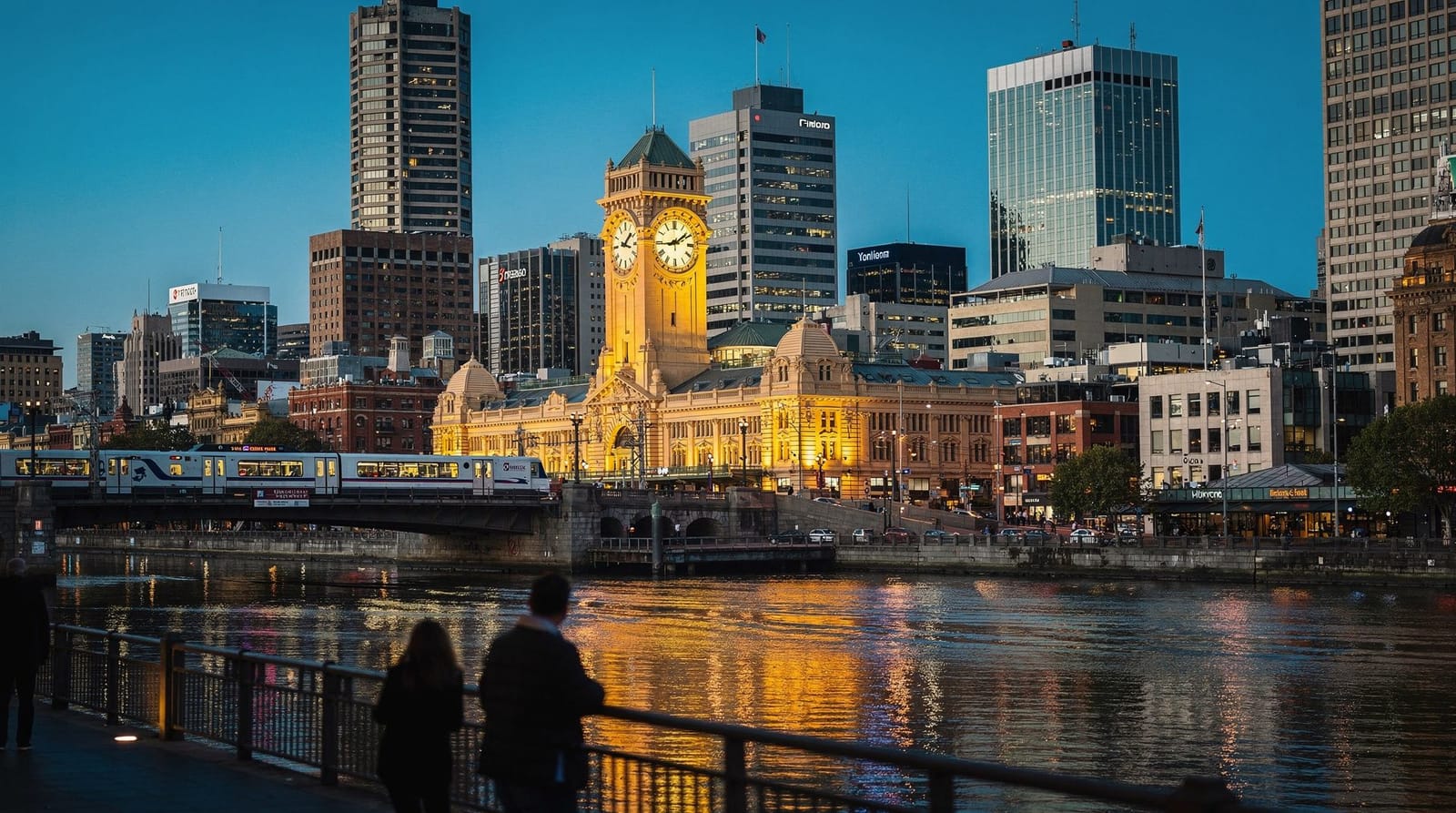
Melbourne works well as a family destination for reasons that aren’t always obvious from the outside: the CBD is compact and walkable, the tram network is stroller-friendly and largely free within the central Free Tram Zone, and several of the city’s best attractions — museums, gardens, laneway wandering — don’t require the careful timing and ticket-booking gymnastics that some family destinations demand. The honest caveat is Melbourne’s famously unpredictable weather, the “four seasons in one day” reputation that’s more literal description than tourism cliché, so packing and planning flexibility matter more here than in destinations with more settled climates.
Choosing between the CBD, St Kilda and the inner suburbs
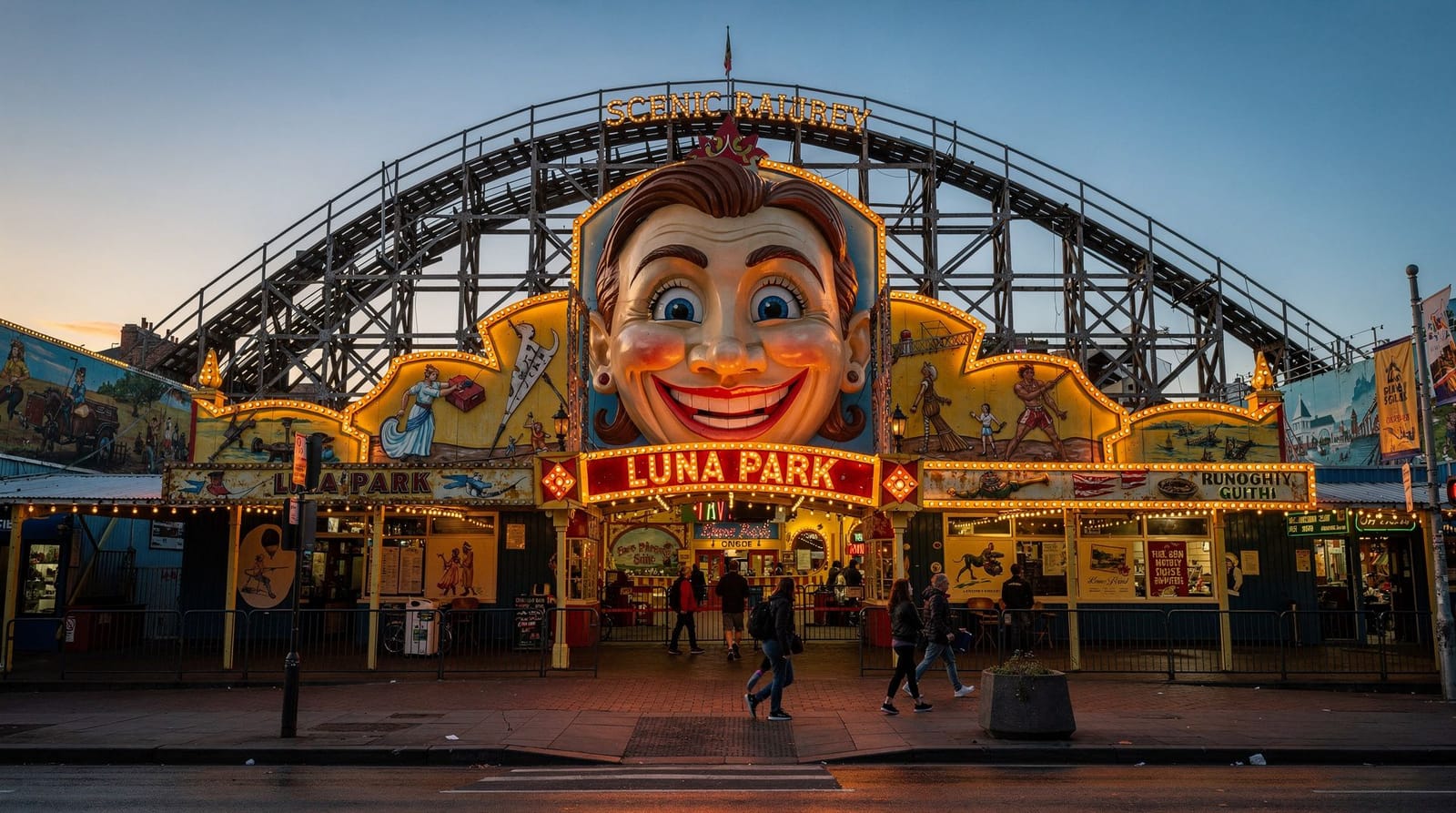
Where a family bases itself shapes the whole rhythm of a Melbourne trip more than almost any other single decision. A CBD or Southbank base minimises transit time to the aquarium, ACMI, the museums and the Botanic Gardens, at the cost of a busier, more built-up immediate environment for young children needing open space to run. St Kilda trades some of that central convenience for direct beach access, Luna Park, and a slightly slower, more suburban pace, while still offering a fast, direct tram connection back into the CBD for day trips into the centre.
Families prioritising open space and a beach for children to burn off energy often lean toward St Kilda; those prioritising minimal daily transit time to the widest range of attractions generally do better based centrally.
Getting around with kids
Trams are the easiest way to move a family around central Melbourne — prams are permitted on all trams, trains and buses, and the CBD’s Free Tram Zone means short hops around Southbank, Docklands and the central grid cost nothing at all. For trips further out, a Myki card covers the wider network; loading it with enough credit before setting off avoids fumbling with top-ups while managing children and luggage. Peak-hour trains (roughly 7:30-9am and 4:30-6pm on weekdays) can get genuinely crowded, so if timing allows, travelling outside those windows is more comfortable with a pram or younger children in tow.
Age-by-age recommendations for a Melbourne trip
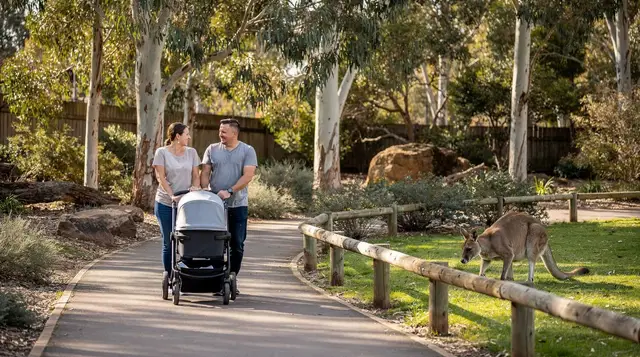
Toddlers and preschoolers generally get the most out of Scienceworks’ dedicated Kids Town area, the walk-through kangaroo and koala sections of the various wildlife parks, and open outdoor space like Fitzroy Gardens and the Royal Botanic Gardens’ children’s garden. Primary-school-age children tend to engage well with SEA LIFE Melbourne Aquarium, Melbourne Museum, LEGOLAND Discovery Centre and the full Puffing Billy experience, all of which combine enough visual and hands-on interest to hold attention for a longer visit.
Teenagers, who can find some of the more toddler-oriented attractions underwhelming, generally respond better to ACMI’s videogame history galleries, the Eureka Skydeck’s views, and more active outdoor options like the Great Ocean Road or a longer walking exploration of the CBD’s laneways and street art.
Matching attraction choice to the specific ages in a travelling family, rather than assuming a single itinerary suits every age evenly, tends to produce a smoother trip overall.
The big-ticket family attractions
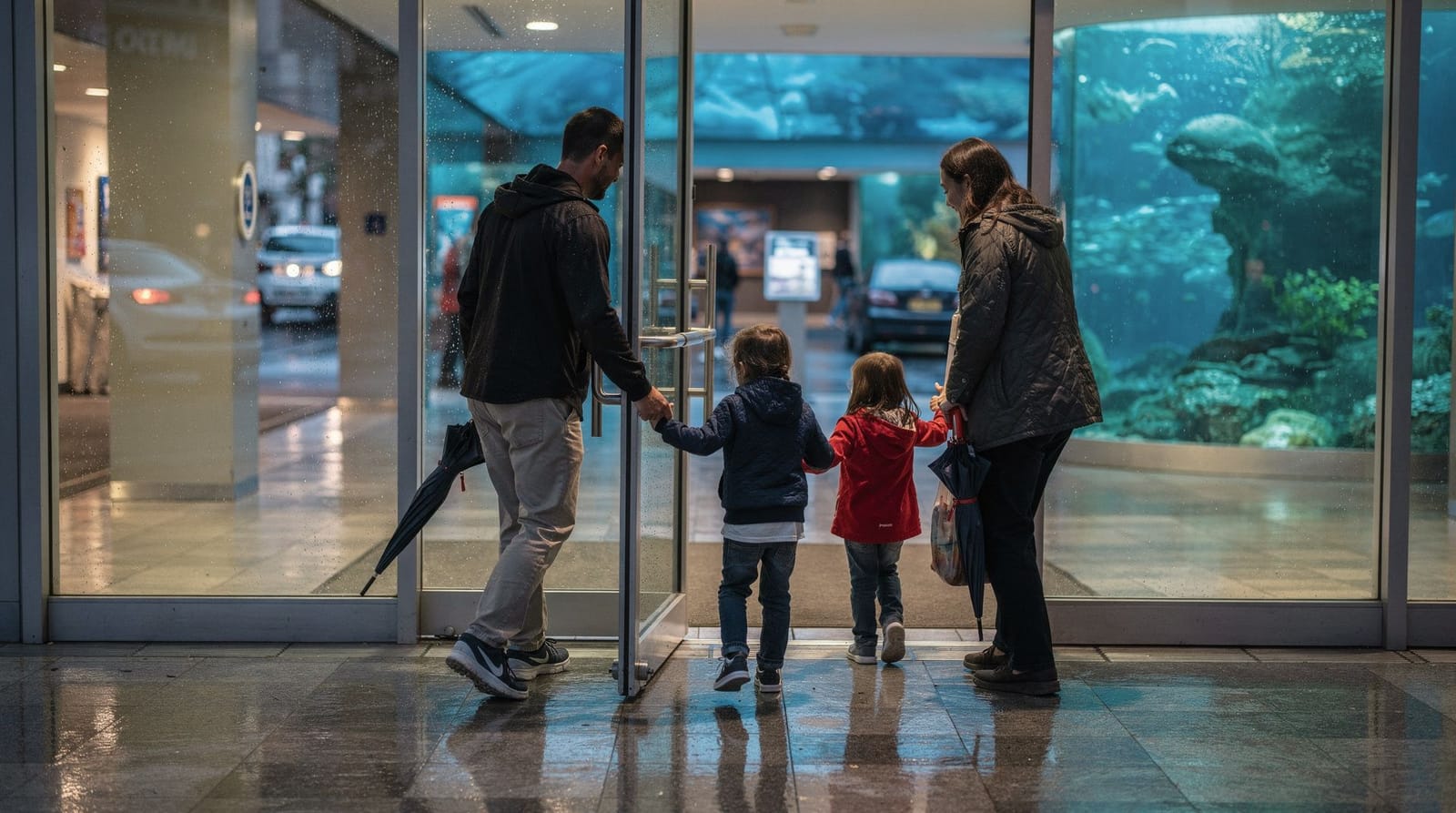
SEA LIFE Melbourne Aquarium, at the CBD’s southern edge near Southbank, is a reliable, fully indoor 90-minute visit built around an Antarctic-themed penguin exhibit and a shark walkway — genuinely one of the better wet-weather options in the city. Booking tickets online in advance secures the lowest price and avoids school-holiday queues. It sits in the same Southbank precinct as LEGOLAND Discovery Centre Melbourne, and the combined double-attraction pass is worth booking if doing both on the same trip.
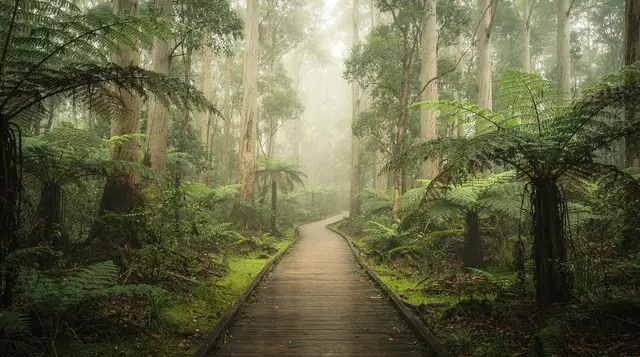
Beyond the CBD, the Dandenong Ranges’ Puffing Billy heritage steam train is one of the most memorable family day trips within reach of Melbourne — a genuine, century-old steam locomotive winding through fern gully forest about an hour from the city, with the option to dangle legs out the carriage windows on the open-sided cars. Puffing Billy day trip tickets typically bundle return transport from Melbourne with the train experience itself.
Choosing between a self-guided day and a bundled family tour
For families without a car, or those who’d simply prefer someone else handle transport logistics, several bundled tours cover Melbourne’s major family attractions with return transport included, particularly for day trips like Phillip Island and Puffing Billy where public transport is either impractical (Phillip Island) or works but adds complexity (Puffing Billy, though the direct Belgrave train line makes independent travel genuinely straightforward there).
Self-driving or independent public transport generally costs less and offers more flexibility over timing, while a bundled tour removes the logistics burden entirely — the right choice depends more on a family’s comfort with self-navigation in an unfamiliar city than on cost alone for most of Melbourne’s day-trip options.
Wildlife — the Penguin Parade and beyond
Phillip Island’s Penguin Parade, about 140 km and a 1h40-2h drive from Melbourne, is a genuinely distinctive family experience — watching a colony of wild little penguins cross open beach at dusk — though it suits families with children old enough to sit through a late-evening, strictly no-phone, no-flash viewing in cold, exposed conditions rather than very young toddlers. General viewing tickets should be booked ahead, especially for weekends and school holidays.
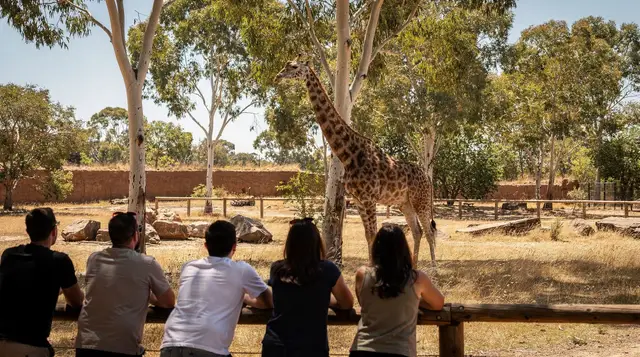
For families wanting closer, guaranteed daytime wildlife encounters that don’t depend on a late-evening event, Healesville Sanctuary and Melbourne Zoo both work well earlier in the day and suit a broader range of ages.
Budgeting a family trip to Melbourne
Melbourne’s family attractions span a wide price range, and a mixed itinerary of free options (Fitzroy Gardens, the Botanic Gardens, ACMI, Federation Square) alongside a handful of paid highlights (the aquarium, the zoo, one wildlife day trip) keeps overall costs manageable compared with a schedule built entirely around ticketed attractions. Advance online booking, wherever available, consistently saves a meaningful amount over walk-up pricing across nearly every paid attraction covered in this guide, from SEA LIFE Melbourne Aquarium to the Penguin Parade, making it worth building into trip planning regardless of how far in advance the rest of the itinerary is fixed.
Free things to do with kids
Fitzroy Gardens, just east of the CBD, is a genuine highlight for families thanks to its Fairies Tree — a carved tree stump decorated with fairy and native-animal figures dating to the 1930s — alongside Cook’s Cottage and wide, shaded lawns for younger children to run freely. The Royal Botanic Gardens’ children’s garden section offers a similar, no-cost outdoor option a short distance from Southbank. Federation Square’s public plaza regularly hosts free events, markets and screenings, and ACMI, right inside the square, has a free, genuinely interactive permanent gallery on film, television and videogame history that tends to hold children’s attention unusually well for a museum visit.
Rainy-day options
Melbourne’s changeable weather means every family itinerary benefits from at least one solid indoor backup plan. ACMI (free), Melbourne Museum, Scienceworks in Spotswood and SEA LIFE Melbourne Aquarium are the strongest options, all built around hands-on or highly visual exhibits rather than static displays that lose younger children’s attention quickly. For the full breakdown of every genuinely good wet-weather option in the city, see rainy day Melbourne with kids.
Where to stay with a family
Southbank and the CBD both put families within easy walking or tram distance of the aquarium, ACMI, Fitzroy Gardens and the Royal Botanic Gardens, minimising transit time with tired children at the end of a long day. St Kilda, a little further from the centre but directly served by tram, adds beach access and Luna Park to the mix, and suits families prioritising a slower, more beach-and-park-focused stay over a CBD-heavy itinerary.
Managing jet lag and time zone adjustment with children
International visitors, particularly those arriving from the Northern Hemisphere, should factor in genuine time zone adjustment for children before diving into a packed itinerary — Melbourne sits significantly ahead of European and North American time zones, and children often take several days to properly adjust their sleep schedule. Building a lighter first day or two into the itinerary, with shorter outings and more downtime than the rest of the trip, tends to make the following, more ambitious days run considerably more smoothly than attempting a full schedule from the moment of arrival.
Meal times and practicalities
Melbourne’s café culture means finding a family-friendly meal is rarely difficult, though the city’s smaller laneway cafes can be tight on space for prams — Queen Victoria Market’s food hall and the larger Southbank and Federation Square dining strips tend to have more room and a wider range of quick, kid-friendly options. Baby-change facilities are standard in shopping centres, major museums and the aquarium; smaller cafes are more variable, so it’s worth checking ahead if that’s a priority.
How many days to plan for
Three to four days gives a family enough time to properly cover the CBD’s core attractions — the aquarium, museums, gardens — with room left for one day-trip excursion such as Phillip Island or the Dandenong Ranges, without over-scheduling younger children who tire more quickly than adult travellers expect. Building in at least one unstructured half-day, simply for a park, a playground or downtime at accommodation, tends to make the rest of a family trip run more smoothly than a tightly packed itinerary.
Packing for Melbourne’s weather
Layer clothing for every family member regardless of season — Melbourne’s “four seasons in one day” reputation genuinely holds, and a warm layer plus a light rain jacket covers most of what a single day can throw at you, even in the middle of summer. Sun protection matters too: Victoria’s UV levels are intense even on cool or overcast days, so hats and sunscreen are worth packing alongside the layers, particularly for outdoor days at the Botanic Gardens, Fitzroy Gardens or any of the wildlife day trips.
School holiday timing and crowd management
Victorian school holidays fall roughly at the end of December through late January (the long summer break), a two-week window in early-to-mid April, another two weeks in late June to mid-July, and a final two-week break in late September to early October. Melbourne’s family attractions, from SEA LIFE Aquarium to Melbourne Zoo, see meaningfully heavier crowds during these windows, particularly the summer break, when both local families and interstate or international visitors overlap.
Families with flexible travel dates who prioritise a quieter experience should consider term-time visits specifically, ideally weekday mornings, while those constrained to school holiday travel should factor in longer queues and book timed-entry tickets further in advance than they might otherwise.
Public holidays and reduced hours
A handful of public holidays affect opening hours at some of Melbourne’s family attractions — Christmas Day sees many venues close entirely, while ANZAC Day (25 April) typically brings a later morning opening across museums and similar sites out of respect for the day’s commemorations. Checking specific venue opening hours around any public holiday that falls within a planned visit avoids the disappointment of arriving at a closed or later-opening attraction.
A sample first family day
A realistic first day for a family staying centrally: start with a relaxed morning at Fitzroy Gardens for the Fairies Tree and open lawns, walk or tram to Federation Square for lunch and a visit to ACMI’s free interactive gallery, then finish with a couple of unhurried hours at SEA LIFE Melbourne Aquarium before dinner nearby. This keeps transit minimal, mixes free and paid attractions, and avoids over-scheduling a first day when jet lag and unfamiliarity with the city are both still in play.
Toilets, baby-change facilities and everyday practicalities
Baby-change facilities are standard across Melbourne’s major family attractions, shopping centres and train stations, though smaller cafes and standalone shops are more variable, so checking ahead is worth doing if this is a specific priority during a day out with an infant. Public toilets are generally available at train stations, major parks including Fitzroy Gardens and the Royal Botanic Gardens, and throughout shopping precincts, making it straightforward to plan a day around a young child’s needs without excessive advance research.
Health, safety and sun protection specifics
Australia’s sun protection message is worth taking seriously even for visitors used to milder climates — the country’s position under a thinner ozone layer means UV levels reach damaging intensity considerably faster than in much of the Northern Hemisphere, even on cool or overcast days. Slip, slop, slap (protective clothing, sunscreen, a hat) is the standard local guidance, and applying it consistently for children during outdoor days at the Botanic Gardens, Fitzroy Gardens or any wildlife day trip is a genuinely important practical habit rather than an overcautious suggestion. Tap water throughout Melbourne is safe to drink directly, removing one common travel concern for families used to needing bottled water elsewhere.
Renting equipment and travelling light
Families travelling without their own pram, car seat or other bulky equipment can generally hire what’s needed locally rather than bringing it from home — several Melbourne-based baby equipment hire companies deliver prams, cots, car seats and other gear directly to accommodation, a practical option for visitors flying in from overseas who’d rather not manage bulky equipment through airports. This is worth arranging in advance of arrival rather than trying to source equipment on the day it’s first needed.
Melbourne Zoo vs Werribee Open Range Zoo
| Melbourne Zoo | Werribee Open Range Zoo | |
|---|---|---|
| Distance from CBD | Close, tram-accessible | Further out, best with a car or connecting bus |
| Time needed | Half a day | Full day |
| Style | Traditional zoo, walkable | Safari-style bus through open savannah |
| Best for | A shorter visit without a full day’s commitment | Families with a full day free and an interest in African wildlife |
See our Melbourne Zoo family guide and Werribee Open Range Zoo guide for the fuller comparison and current pricing.
Combining a CBD stay with day trips
Families based centrally can reach several of Victoria’s best-known excursions within about two hours — Phillip Island for the penguins, the Dandenong Ranges for Puffing Billy, and Healesville for Healesville Sanctuary’s platypus and koalas all sit within a manageable day-trip radius, though each involves a genuine half-day to full-day commitment given Melbourne’s outward-radiating road network. Picking one, rather than attempting several within a short stay, generally suits families better than an overly ambitious multi-excursion schedule.
More tours on Viator
Top-rated experiences with verified reviews, bookable on Viator (a Tripadvisor company).


Frequently asked questions about Melbourne with kids
What are the best free things to do in Melbourne with kids?
Fitzroy Gardens and its Fairies Tree, the Royal Botanic Gardens' children's garden, Federation Square's public plaza and ACMI's free permanent gallery, and simply riding the free trams within the CBD's Free Tram Zone are all no-cost options that work well for families.How do families get around Melbourne without a car?
Trams are the easiest way to move around with children — the CBD's Free Tram Zone costs nothing, and Myki cards cover the wider network for trips further out. Prams are permitted on all trams, trains and buses, though peak-hour crowding on trains can be tight, so travelling outside the 7:30-9am and 4:30-6pm rush windows is more comfortable with young children.What's the best rainy-day option for kids in Melbourne?
ACMI (free, interactive, at Federation Square), Melbourne Museum, Scienceworks and SEA LIFE Melbourne Aquarium are the strongest fully or mostly indoor options, all built around hands-on or highly visual exhibits that hold children's attention well regardless of weather.Is Phillip Island's Penguin Parade suitable for young kids?
Yes, though it's a late-evening event with strict no-phone, no-flash rules and cold, exposed viewing stands, so it suits families with children old enough to sit reasonably still and quietly for the viewing period — very young toddlers may find the late timing and cold more challenging than older children.How many days should a family spend in Melbourne?
Three to four days covers the CBD's family attractions comfortably with time to spare for one day-trip excursion, such as Phillip Island or the Dandenong Ranges' Puffing Billy railway, without over-scheduling younger children.What should families pack for Melbourne's changeable weather?
Layers, regardless of season — Melbourne's 'four seasons in one day' reputation is genuinely earned, and a warm layer plus a light rain jacket for each family member covers the range of conditions a single day can produce, even in summer.Is Melbourne Zoo or Werribee Open Range Zoo better for a family day out?
Melbourne Zoo, close to the CBD, suits families wanting a shorter, tram-accessible visit without a full day's commitment. Werribee Open Range Zoo, further out, offers a safari-style bus experience through open savannah habitats and suits families with a full day free and a car or willingness to use the connecting bus service.Do trams and trains in Melbourne have space for prams?
Yes — prams are permitted on all trams, trains and buses, with dedicated space near the doors on newer low-floor trams in particular. Travelling outside the roughly 7:30-9am and 4:30-6pm weekday peak windows makes boarding and finding space noticeably easier.
Top experiences
Bookable activities with verified prices and instant confirmation on GetYourGuide.