St Kilda
St Kilda guide: the beach and pier penguin colony, Luna Park's heritage rollercoaster, Acland Street cake shops, and how to get there by tram.
Melbourne: St kilda sunset penguin cruise
Quick facts
- Distance from CBD
- ~6 km south, 25–30 minutes by tram
- Tram
- Route 96 (East Brunswick–St Kilda Beach) or route 16
- Key sight
- St Kilda Pier's little penguin colony, dusk viewing
- Landmark
- Luna Park, operating since 1912
- Best for
- Beach, live music venues, Sunday market, cake shops
St Kilda is Melbourne’s best-known beachside suburb, about 6 km south of the CBD and a 25–30 minute tram ride down St Kilda Road and Fitzroy Street. It has spent more than a century cycling through reputations — genteel Victorian seaside resort in the 1880s, bohemian and slightly disreputable through the mid-20th century, and today a mixed bag of beach culture, live music heritage, backpacker hostels and a wild penguin colony living, improbably, under a breakwater a five-minute walk from a tram stop. It is one of the few places in inner Melbourne where you can genuinely spend a full day between a beach, a heritage amusement park and wildlife viewing without leaving a single suburb.
The honest starting point: St Kilda’s beach itself is pleasant rather than spectacular — calm bay water, decent sand, good for a swim or a walk, but not comparable to the surf beaches further down the Mornington Peninsula or along the Great Ocean Road. What makes St Kilda worth the trip is everything around the beach: the pier, Luna Park, Acland Street, and the live music and bar scene that has made the suburb a reference point in Australian music history.
| Where | ~6 km south of the CBD, on Port Phillip Bay |
| Cost | Beach and penguins free; Luna Park and food are the main paid extras |
| Time needed | Half a day for the beach and Acland Street; a full day with Luna Park and dusk penguins |
| Getting there | Tram 96 or 16 from the CBD, ~25–30 minutes |
| Best time | Dusk year-round for penguins; summer evenings for the beach |
The penguin colony at St Kilda Pier
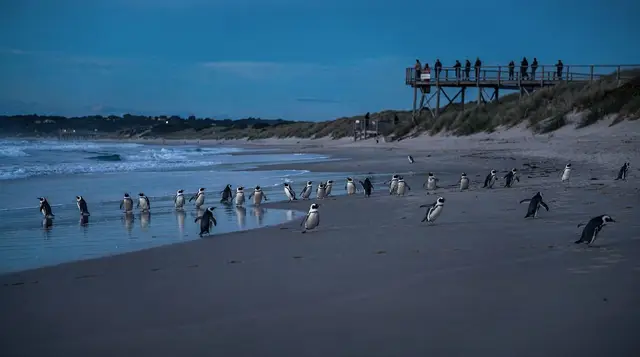
Since the late 1970s, a colony of little penguins — the world’s smallest penguin species, native to southern Australian and New Zealand coasts — has lived among the boulders of the breakwater beside St Kilda Pier, a genuinely wild colony rather than a managed attraction, in the middle of a capital city. The penguins spend the day out at sea feeding and come ashore at dusk to their burrows among the rocks, making early evening (roughly 30–60 minutes after sunset, adjusted seasonally) the reliable viewing window year-round.
Entry is free and unticketed — you simply walk out along the breakwater path at the right time and watch quietly from the marked viewing areas, ideally with a red-filtered torch or your phone’s screen dimmed, since white light disturbs the birds’ night vision.
Volunteers from the Earthcare St Kilda group are often present at dusk to answer questions and enforce no-flash-photography rules; please respect them, since flash genuinely does harm the colony’s ability to navigate in the dark.
This is one of Melbourne’s better “free and honest” wildlife experiences — no ticket, no queue, and a genuinely wild population, in contrast to the more curated (and excellent, but paid) Penguin Parade on Phillip Island. If you’d rather see the colony from the water, sunset boat cruises run from the pier itself.
St Kilda sunset penguin cruiseLuna Park
Luna Park St Kilda opened in 1912 and is one of the oldest continuously operating amusement parks in the world. Its Scenic Railway, a wooden rollercoaster built the same year, is the oldest surviving rollercoaster in the Southern Hemisphere and one of only a handful of this vintage still running worldwide — it’s a slower, gentler ride than a modern coaster by design, and much of its appeal is the heritage engineering rather than thrill-seeking. The park’s giant laughing-face entrance, “Mr Moon,” is one of Melbourne’s most recognisable landmarks, visible from the beach and the pier. Entry to the park grounds is free; rides are paid individually or via a day pass, which is better value if riding more than three or four attractions.
See Luna Park St Kilda for current ticket options and a ride-by-ride guide.
Acland Street and the cake shops
Acland Street, running inland from the beach past Luna Park, was historically the heart of Melbourne’s postwar Jewish community, and its European-style cake shops — display windows piled with strudel, cheesecake and elaborate pastries — are a direct legacy of that history, though the street has diversified considerably since. A handful of the original cake shops remain in operation alongside newer cafés, bars and restaurants; expect a slice of cake to run 8–12 AUD. Fitzroy Street, the other main strip running from the tram terminus down toward the beach, carries more of the restaurant and bar scene, including live music venues.
Live music heritage
St Kilda has an outsized place in Australian rock and pop history — the Esplanade Hotel (“the Espy”), a heritage pub on the beachfront that has hosted live music since the 1970s, remains one of the most storied venues in the country after a major 2010s restoration. The suburb’s bohemian, slightly down-at-heel reputation through the late 20th century made it a magnet for musicians, and that thread continues today across a scattering of small venues along Fitzroy Street and Barkly Street. See live music in Melbourne for current listings across the city, including St Kilda’s share of them.
The Palais Theatre
The Palais Theatre, a grand 1927 Art Deco building facing the beach beside Luna Park, is one of Melbourne’s most architecturally significant performance venues and hosts touring concerts, comedy and theatre in a room that seats close to 3,000. Its illuminated facade is as much a St Kilda landmark after dark as Luna Park’s Mr Moon entrance, and the two buildings together frame the beachfront’s most photographed stretch. Check current listings if you want to combine a St Kilda evening with a show rather than just the penguins and dinner.
The Esplanade Market
Most Sundays (weather permitting), the Esplanade — the beachfront reserve between the pier and Luna Park — hosts an arts and crafts market, a lower-key, more locally focused alternative to Queen Victoria Market’s food-driven Sunday trade. It’s a pleasant way to combine a beach walk with browsing, though it’s aimed more at visitors than at everyday shopping.
Melbourne bayside cycling tour with refreshmentsA brief history of St Kilda’s reinvention
St Kilda was Melbourne’s first fashionable seaside resort, developed from the 1850s as a genteel Victorian retreat for the city’s wealthier families, complete with grand hotels and formal gardens along the Esplanade. That reputation didn’t survive the 20th century intact: the Great Depression and postwar decades saw the suburb slide into a rougher, more bohemian phase, with cheap rents attracting artists, musicians, sex workers and a red-light strip along Grey Street that persisted into the 1990s.
Gentrification from the late 1990s onward — driven partly by the same small-bar and café culture reshaping the CBD laneways — pushed St Kilda back upmarket, though it has never fully lost the bohemian, slightly gritty edge that distinguishes it from more uniformly polished bayside suburbs like Brighton.
That layered history is part of why St Kilda still holds Melbourne’s most storied live music venues alongside its cake shops and boutique hotels.
Catani Gardens and the foreshore
Catani Gardens, the Edwardian-era parkland running along the Esplanade between the pier and the Upper Esplanade, is named for engineer Carlo Catani, who oversaw much of St Kilda’s foreshore reclamation and landscaping in the early 1900s. Its Moreton Bay fig trees, formal garden beds and sweeping lawns make it a popular spot for a picnic with a beach and pier view, and it hosts the St Kilda Festival (a large free outdoor music event, typically held in February) along with smaller markets and events through the year. Further along the foreshore path, the St Kilda Botanical Gardens hold a quieter, more traditional garden experience a short walk inland.
Where to eat beyond Acland Street
Fitzroy Street carries most of St Kilda’s restaurant density beyond the cake shops — a mix of Italian, Greek, modern Australian and casual dining options, generally priced a notch below the beachfront premium. Carlisle Street, running through the adjoining suburb of Balaclava a short walk or tram ride further inland, is a genuinely local, less touristy strip worth the detour for bagels, delis and a lower-key café scene tied to the area’s historic Jewish community, of which Acland Street’s cake shops are the best-known but not the only legacy.
Getting there
Tram route 96 runs from East Brunswick through the CBD (along Bourke Street and St Kilda Road) directly to St Kilda Beach and is the single most useful route for visitors, running frequently and covered by Myki (St Kilda itself sits outside the Free Tram Zone, so tap on). Route 16 is a similar alternative via St Kilda Road and Fitzroy Street. Journey time from Flinders Street is roughly 25–30 minutes. Driving is an option but street parking around the beach and Acland Street fills quickly on weekends; there are paid car parks near Luna Park.
If you are still working out how the tram network and Myki fit together, the Melbourne tram guide and the Myki card guide explain the basics, and getting around Melbourne covers the other options. Visitors landing at the airport can start with Melbourne Airport to the city before heading south to the bay.
Fitting St Kilda into a Melbourne itinerary
St Kilda works best as a relaxed counterweight to the more museum-heavy and laneway-heavy parts of a trip. On a short visit, the Melbourne 2-day itinerary and the Melbourne 3-day itinerary both leave room for a bayside afternoon that runs into a penguin dusk. Travellers without a hire car will find the Melbourne without a car itinerary a natural fit, since St Kilda is easy by tram, and families can look at Melbourne with kids for how a beach-and-amusement-park day sits alongside other child-friendly stops.
The suburb also pairs naturally with the city’s other neighbourhoods. The St Kilda neighbourhood guide goes deeper on where to wander, while Southbank and the arts precinct and Fitzroy and Collingwood offer very different moods for the other half of a day. If you are weighing where to base yourself, where to stay in Melbourne compares the main areas.
Wildlife beyond the pier
The St Kilda colony is a small, free glimpse of a species that is far more visible elsewhere in Victoria. For a bigger, more structured experience, the Penguin Parade guide and which Penguin Parade ticket to choose help you decide whether the trip to Phillip Island is worth adding, and the Melbourne wildlife and nature itinerary strings together several animal encounters across a few days. The Phillip Island day trip guide sets out how that excursion works as an alternative to the free colony at the pier.
For a longer read on the suburb itself, the blog post things to do in St Kilda and the penguin parade tips cover practical angles that complement this page.
Budget for a St Kilda day
The core attractions — the beach, the pier, penguin viewing and the Esplanade Market — are free. Luna Park charges per ride or via an unlimited day pass, generally better value if riding more than a few attractions; budget 50–70 AUD for an unlimited pass. Acland Street cake and coffee runs 15–20 AUD for two. A sunset penguin cruise typically costs 40–60 AUD per person. A casual dinner on Fitzroy Street runs 25–40 AUD per person. Overall, a St Kilda day is one of the cheaper half-day or full-day options among Melbourne’s inner suburbs, since its best-known feature — the wild penguin colony — costs nothing to see.
Cycling and the bay trail
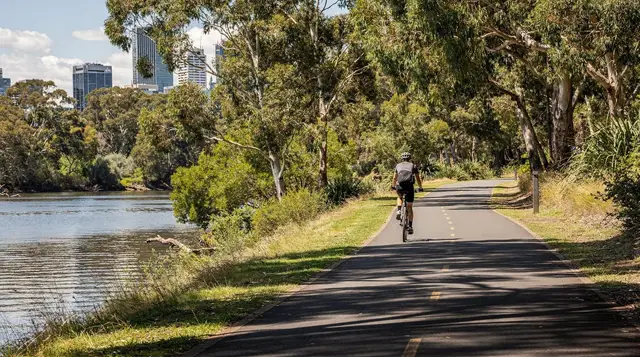
The Bay Trail, a shared cycling and walking path, runs south from St Kilda along the foreshore toward Brighton and beyond, and north toward the Docklands and Williamstown side of the bay via a longer inland route. Bike hire is available near the beach and pier, and a bay-trail ride is a genuinely pleasant alternative to the tram for anyone wanting to see more of Melbourne’s bayside suburbs in one outing rather than just St Kilda itself. Weekend mornings, before the beach path fills with foot traffic, are the most comfortable time to ride.
Private St Kilda tour with penguin viewingSt Kilda vs Brighton at a glance
| St Kilda | Brighton | |
|---|---|---|
| Distance from CBD | ~6 km, 25–30 min by tram | ~11 km, ~25 min by train |
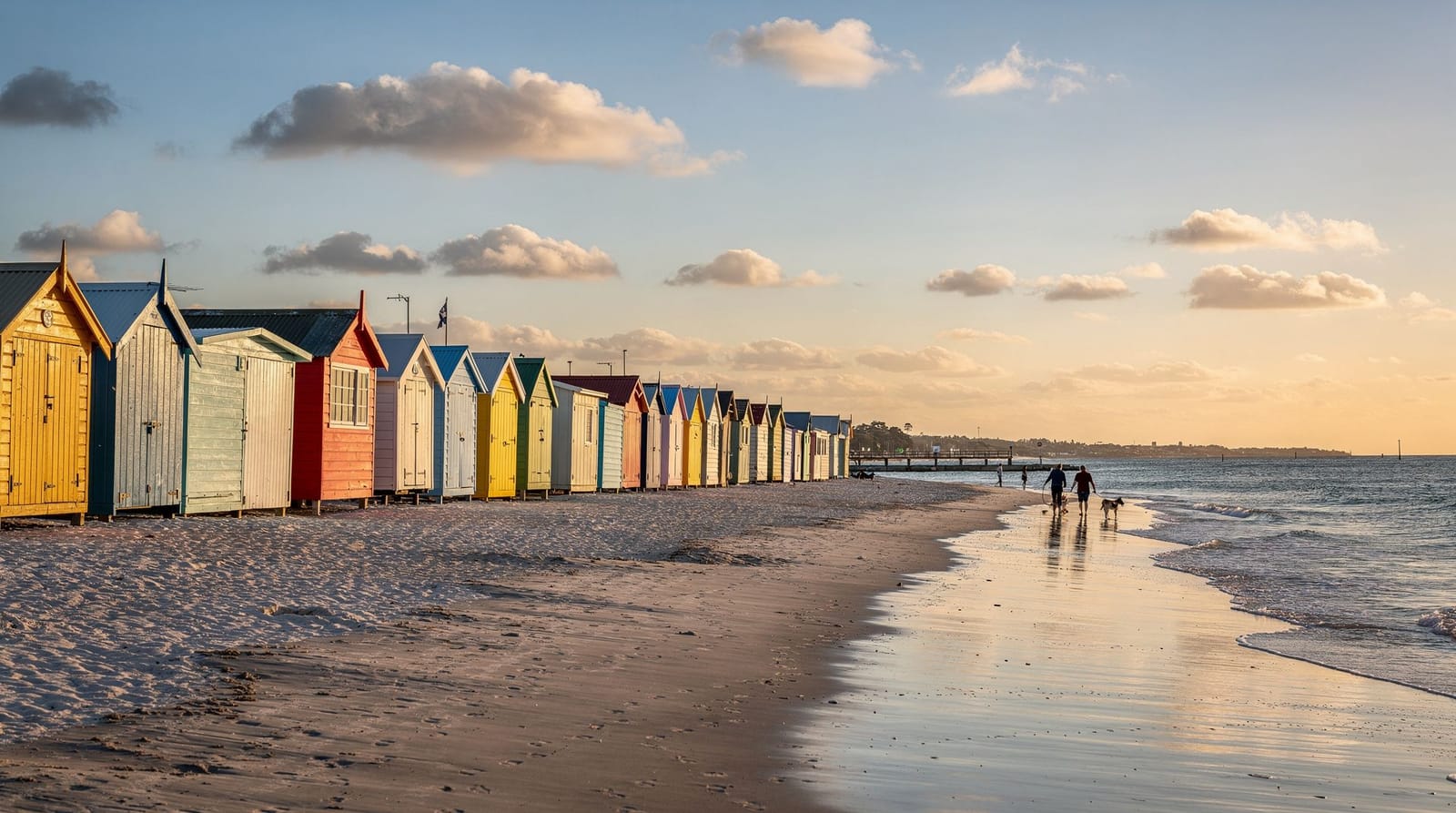
| Signature sight | Wild penguin colony, Luna Park | Bathing boxes |
| Atmosphere | Lively, beachy, more nightlife | Quiet, residential, upmarket |
| Best for | Nightlife, food variety, families | Photography, a calm swim |
| Transport | Tram (Free Tram Zone nearby) and train | Train only, no direct tram |
See the Brighton bathing boxes page for the fuller comparison if deciding between the two, or combining them into one bayside day.
Nightlife beyond the Espy
Beyond the Esplanade Hotel, St Kilda’s Fitzroy Street and the surrounding blocks hold a genuine concentration of bars and small venues, from casual pubs to later-opening clubs, making the suburb one of Melbourne’s more reliable options for an evening out beyond the CBD’s own bar scene. See Melbourne nightlife for a citywide rundown of where St Kilda fits alongside the CBD laneways and Fitzroy’s own scene. Weekend nights bring noticeably bigger crowds along Fitzroy Street than weeknights, worth factoring in if a quieter drink is the goal.
Frequently asked questions about St Kilda
What time should I go to see the St Kilda penguins?
Roughly 30–60 minutes after sunset, adjusted by season — check current sunset times before you go, since the window shifts by hours between summer and winter. Arrive a little early and stay quiet; the colony returns gradually rather than all at once.
Do I need to pay to see the St Kilda penguins?
No — viewing from the breakwater and pier is free and unticketed. Paid options exist only if you want to see the colony from a boat cruise on the water.
Is St Kilda Beach good for swimming?
Yes, though it’s a calm bay beach rather than a surf beach — pleasant for swimming and paddling, not comparable to ocean beaches on the Mornington Peninsula or Great Ocean Road for waves.
How do I get to St Kilda from the CBD?
Tram route 96 from the CBD (via Bourke Street and St Kilda Road) runs directly to St Kilda Beach in about 25–30 minutes and is the easiest option; it requires a tapped-on Myki since St Kilda is outside the Free Tram Zone.
Is Luna Park worth visiting if I’m not into rollercoasters?
The Scenic Railway is a genuine piece of amusement park history (built 1912, oldest in the Southern Hemisphere) rather than a typical thrill ride, and the park’s entrance and grounds are free to walk through even without riding anything.
What is St Kilda known for besides the beach?
Live music history (the Esplanade Hotel/“the Espy” in particular), Luna Park’s heritage rollercoaster, Acland Street’s cake shops, and the wild little penguin colony at the pier.
Is St Kilda safe at night?
The main tourist areas (beach, pier, Acland Street, Fitzroy Street) are generally fine and well-trafficked into the evening; standard precautions apply on quieter side streets late at night, as in any city nightlife precinct.
Can I combine St Kilda with Brighton in one day?
Yes — both are on the bay a short distance apart; St Kilda to Brighton is a pleasant coastal walk, cycle or short tram-and-walk combination, and pairs naturally with a Brighton bathing boxes visit later in the same day.
Is there bike hire near St Kilda beach?
Yes — several operators near the pier and foreshore hire bikes by the hour or day, and the Bay Trail running south toward Brighton makes for a pleasant, mostly flat ride along the coast.
Top experiences
Bookable activities with verified prices and instant confirmation on GetYourGuide.