Melbourne in two days: a weekend itinerary
Melbourne: Melbourne city highlights group tour by bus
Duration: 3.5 hours
What two days actually buys you in Melbourne
Quick answer: two days is the minimum for a genuinely rounded first visit — enough to cover the CBD’s laneways and big-ticket sights on day one, then get out to a proper neighbourhood (Fitzroy, plus a St Kilda sunset) on day two, without racing. It’s still not enough for a Great Ocean Road or Phillip Island day trip; those need a third day minimum once you factor in return drive time. If a regional excursion is non-negotiable, look at the 3-day itinerary or the dedicated Great Ocean Road 3-day plan instead.
This plan assumes a hotel or Airbnb somewhere within a 15-minute tram ride of the CBD, no rental car, and two full days plus arrival/departure evenings either side.
| Where | CBD, Southbank on day 1; Fitzroy, MCG and St Kilda on day 2 |
| Cost | around 235-300 AUD/person, excludes accommodation |
| Time needed | 2 full days plus arrival/departure evenings |
| Getting around | tram and foot, daily Myki cap around 10-18 AUD total |
| Best time | any season — weekday suits the MCG tour, weekend suits markets |
Day-by-day summary
| Day | Focus | Evening |
|---|---|---|
| Day 1 | CBD laneways, Queen Victoria Market, Eureka Skydeck | Dinner + laneway bar |
| Day 2 | Fitzroy/Collingwood, MCG or Botanic Gardens | St Kilda sunset |
Day 1: CBD, laneways and Southbank
Morning (9am-12:30pm): laneways and the market
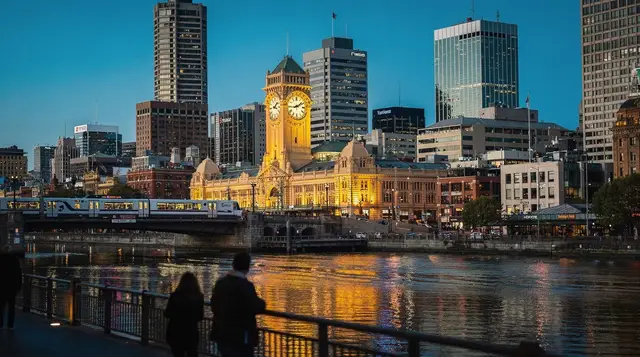
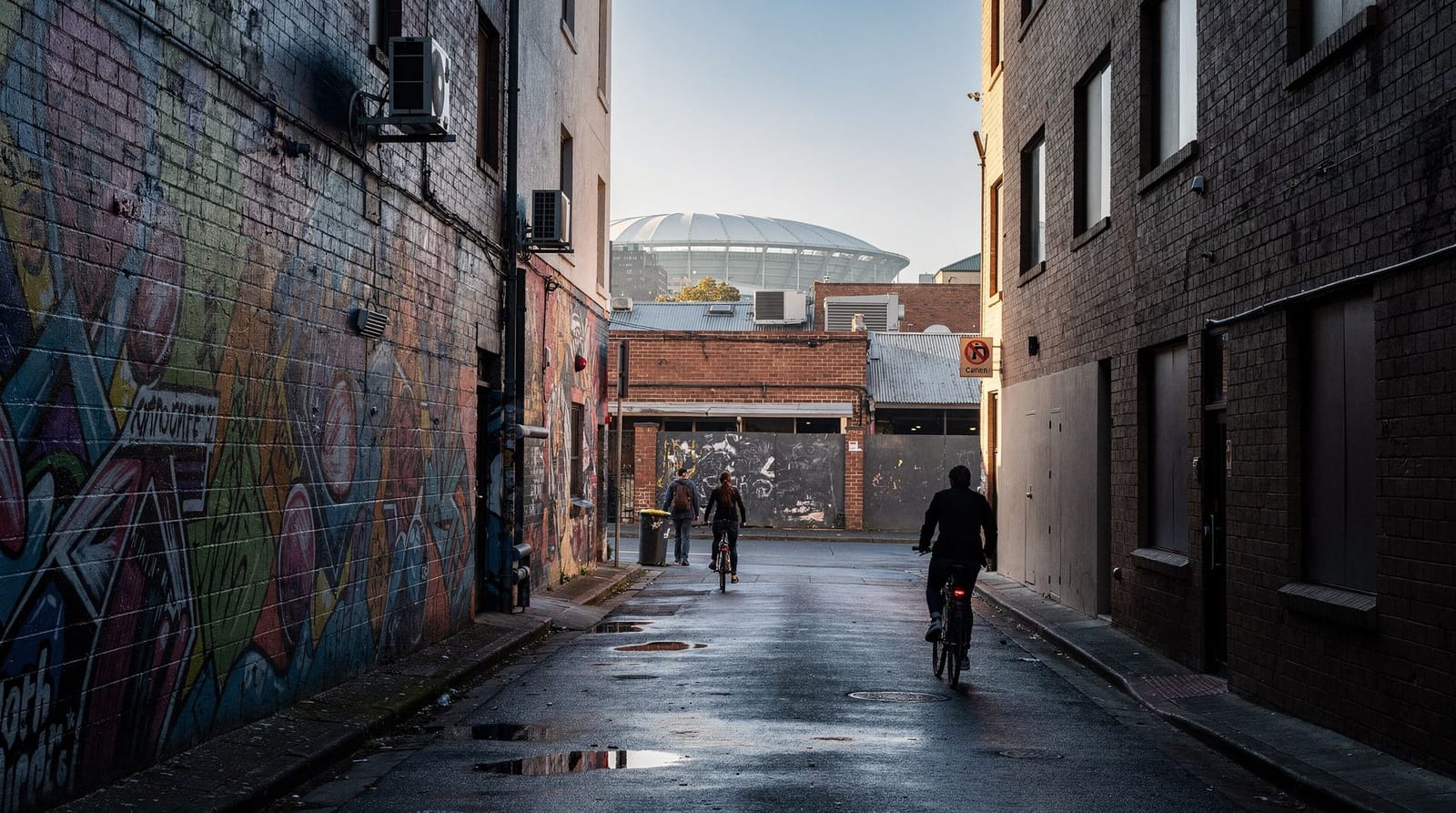
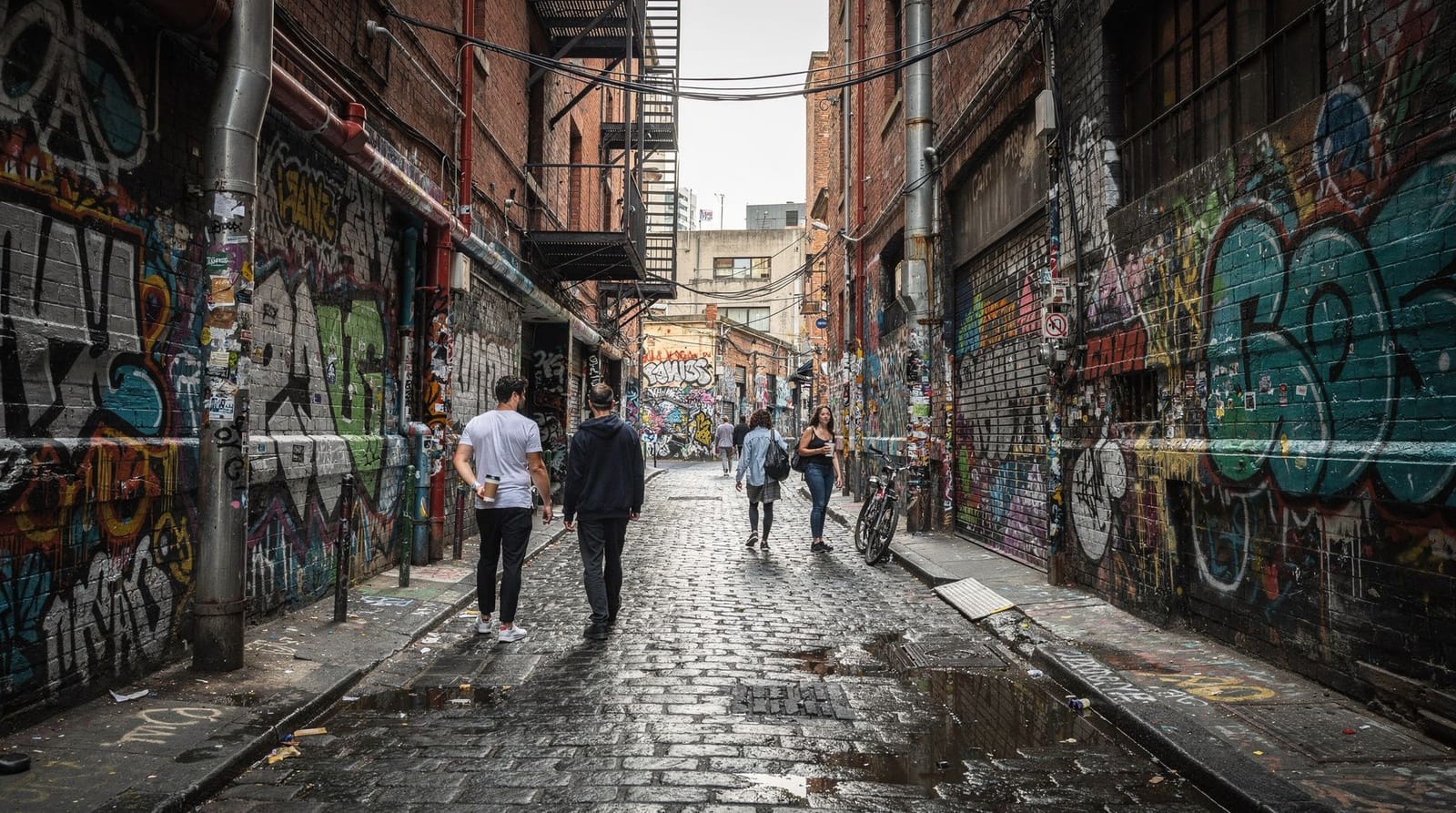
Start the same way most first-time visitors should: Flinders Street Station, then across to Federation Square and into Hosier Lane for the street art, before winding through Degraves Street and Centre Place. Budget 25-30 AUD for breakfast and coffee here rather than rushing. From the laneways, walk or take a free tram to Queen Victoria Market — the deli hall and fresh produce sheds are worth an hour on their own, and the food court (15-25 AUD) is a legitimate lunch option.
If you’d rather have a guide thread the laneway history and gold-rush architecture together for you, a free walking tour of the city centre covers this ground in about three hours (tip-based, 20-30 AUD is standard).
Afternoon (1pm-5pm): Southbank and Eureka Skydeck
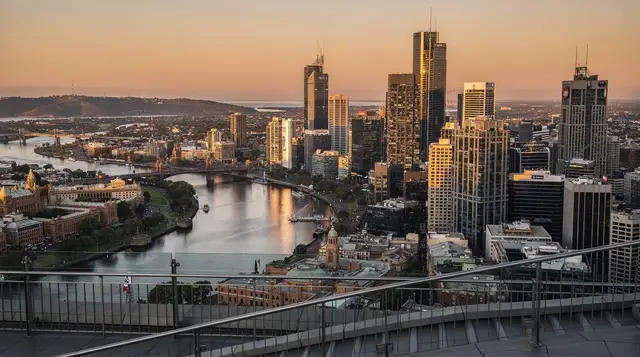
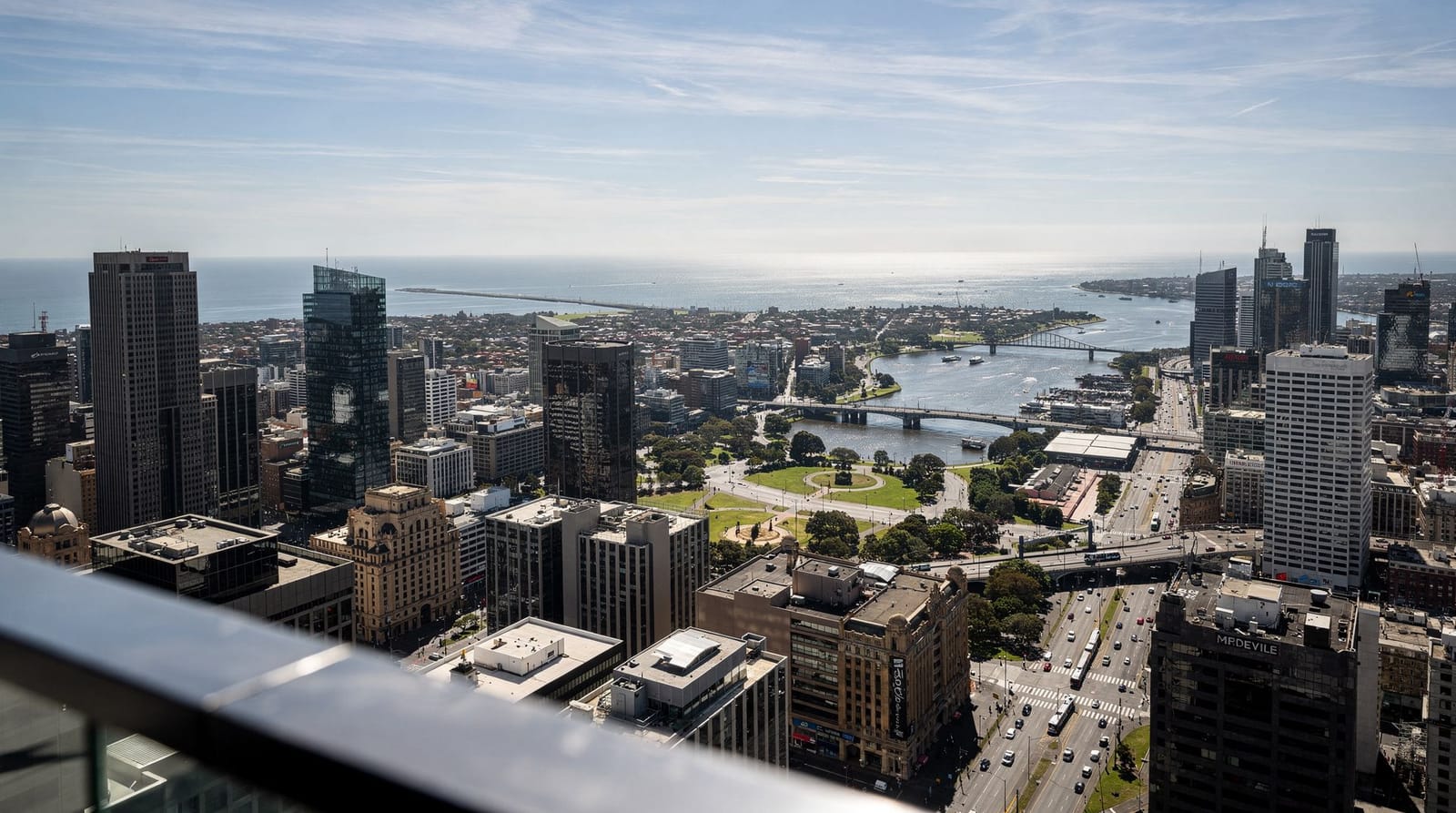
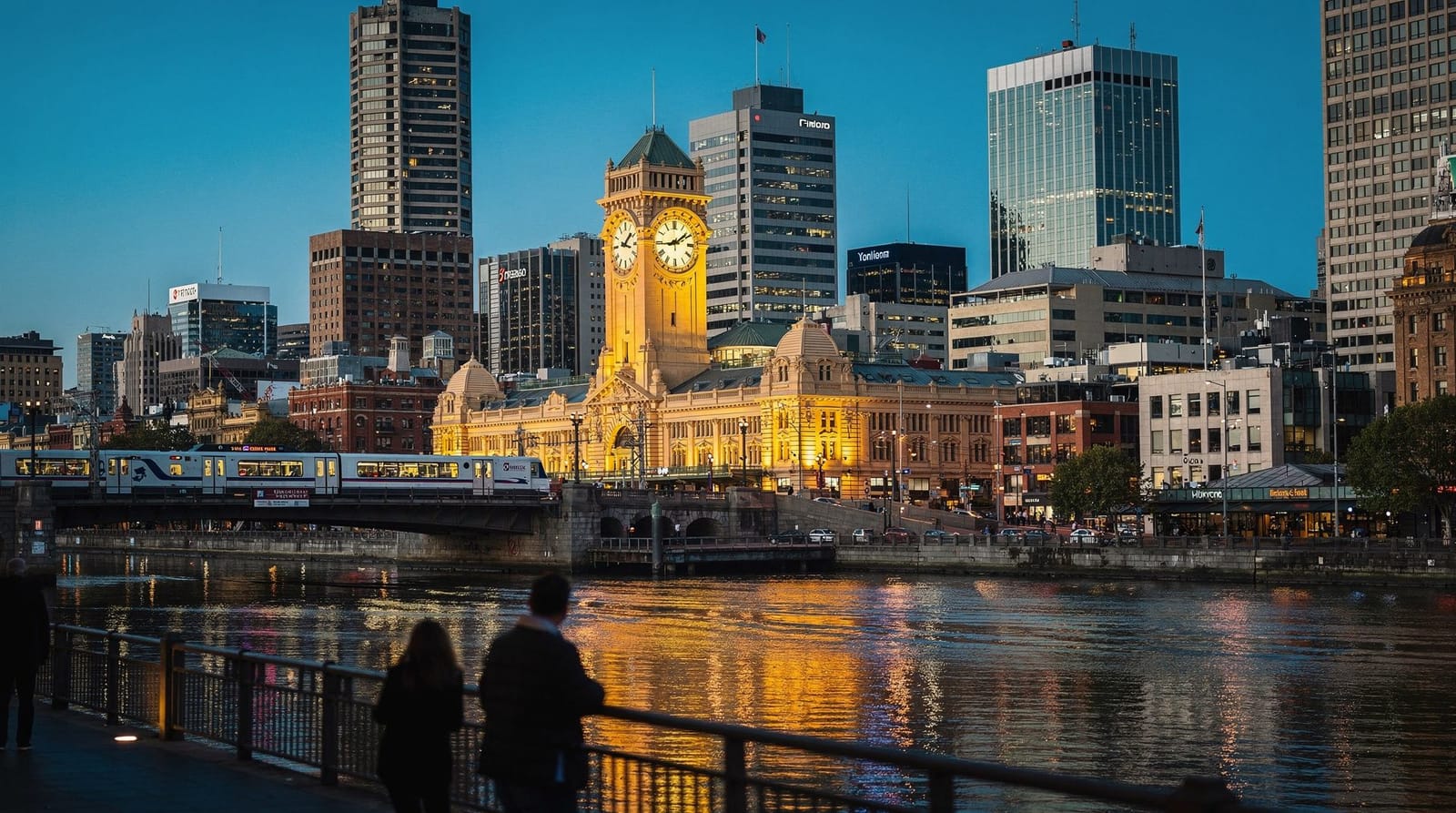
Cross to Southbank for lunch along the Yarra promenade, then take on Eureka Skydeck, the Southern Hemisphere’s tallest public viewing point at 285 metres (roughly 30-33 AUD online, more at the door).
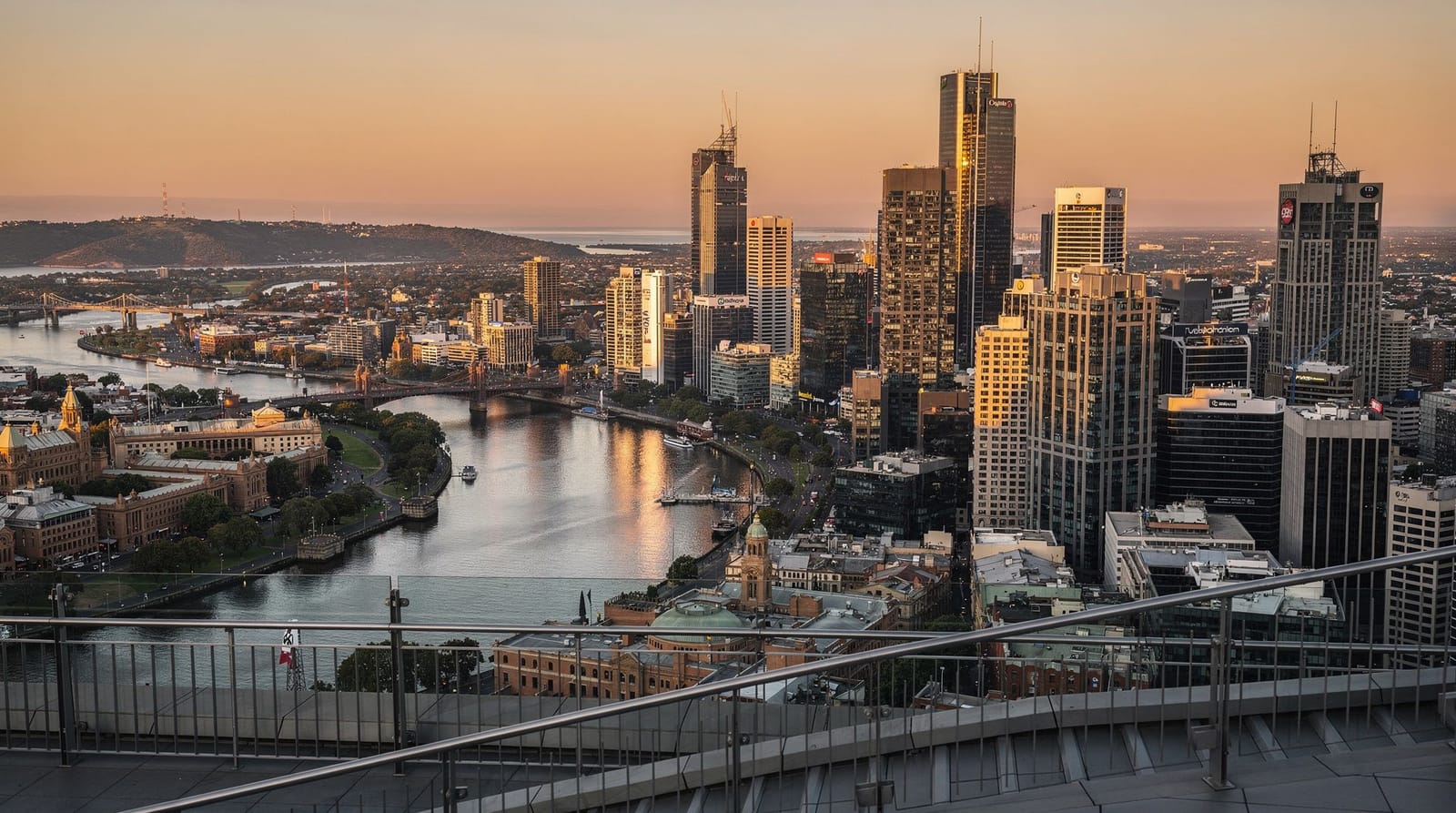 Melbourne eureka skydeck 88 entryCheck availability
Pair it with a walk to NGV International (free general admission) or the Arts Centre spire if you have energy left. This stretch of Southbank is compact enough to cover on foot in an afternoon without feeling rushed.
Evening (6pm onward): dinner and a laneway bar
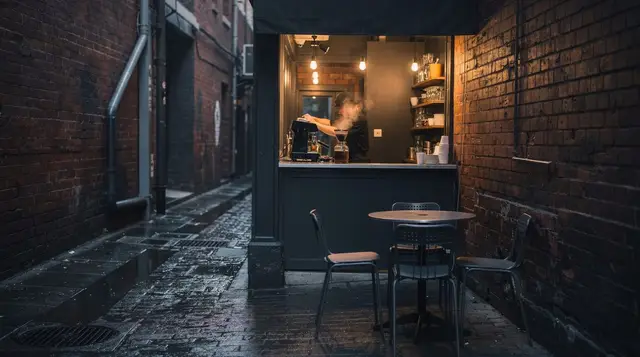
Melbourne’s laneway bar culture rewards wandering rather than booking ahead — many of the best small bars are genuinely hidden behind unmarked doors. A 3-hour culinary walking tour is a shortcut past the guesswork if this is your only evening free for it:
book a small-group food and laneway bar tourOtherwise, budget 40-60 AUD for a sit-down dinner in the CBD or Chinatown, then wander until something looks interesting — that’s genuinely how most locals find their favourite bars too.
Day 2: Fitzroy, Collingwood and St Kilda
Morning (9am-1pm): Fitzroy and Collingwood
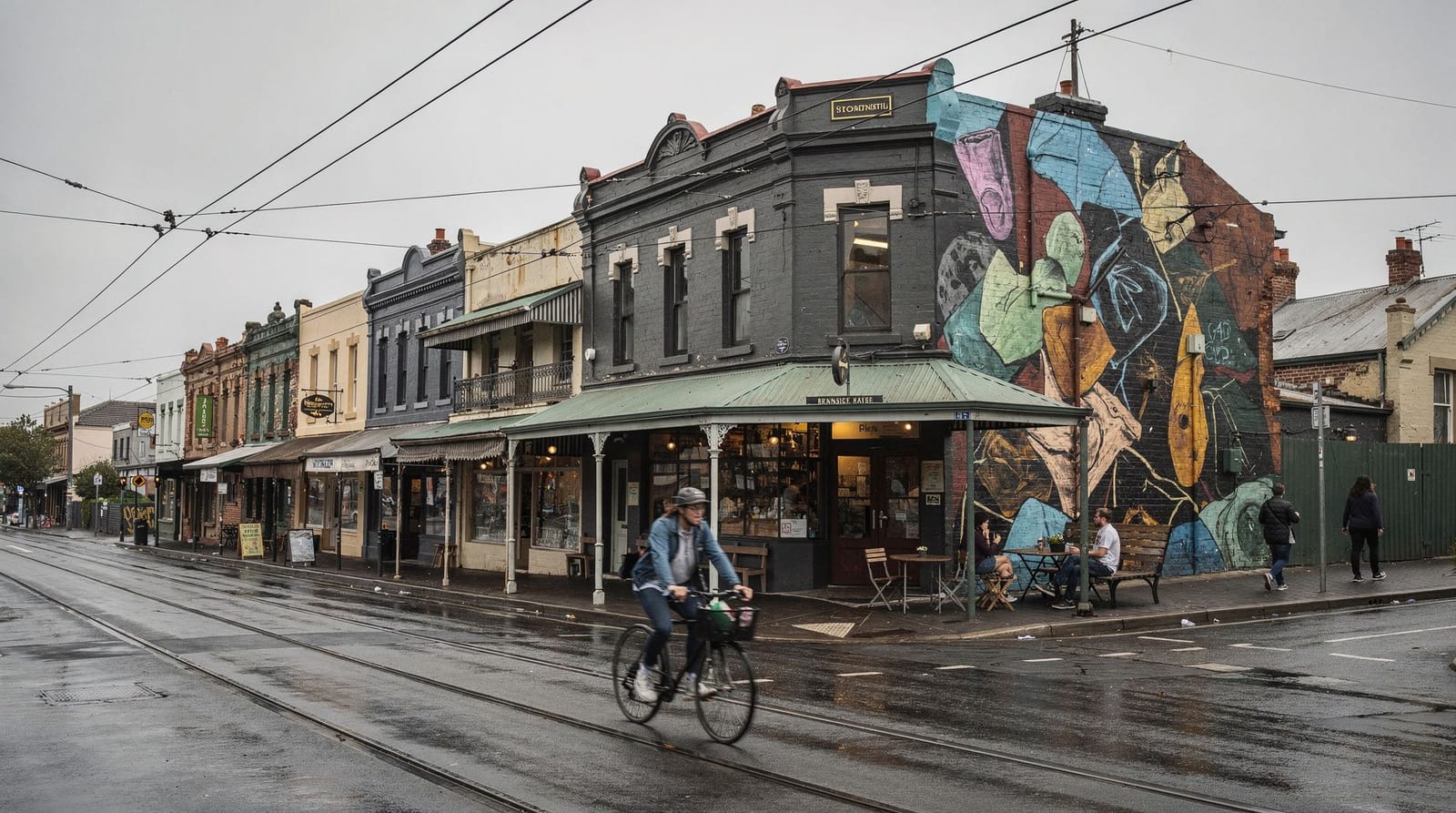
Tram or taxi to Fitzroy, Melbourne’s original inner-city bohemian quarter. Brunswick Street and Gertrude Street carry the highest density of independent cafés, vintage shops and small galleries in the city — this is where Melburnians send visitors who’ve “already done the CBD.” Budget 20-25 AUD for brunch (Melbourne brunch is a genuine institution, not an afterthought meal) and set aside an hour for browsing the vintage and record shops on Brunswick Street. Collingwood, immediately adjacent, has a similar feel with a slightly more industrial edge and some of the city’s better breweries.
Afternoon (2pm-5:30pm): MCG or Royal Botanic Gardens
Split here depending on interest. Sports fans should head to the Melbourne Cricket Ground (MCG), the spiritual home of Australian cricket and AFL, where a guided stadium tour (roughly 75 minutes) takes you into the changing rooms and onto the boundary line even outside match days.
book an MCG guided tourTravellers less interested in sport should instead head to the Royal Botanic Gardens Victoria, one of the world’s great botanic gardens and free to enter, a short tram ride south of the CBD along St Kilda Road.
Evening (6pm-9pm): St Kilda sunset
Finish, as with the one-day itinerary, with a tram out to St Kilda (route 16 or 96, 20-25 minutes) for sunset over Port Phillip Bay, a wander past Luna Park’s heritage entrance, and dinner along Acland Street or the beachfront (35-55 AUD). The little penguin colony under St Kilda Pier is worth a dusk detour if you have 30 minutes spare — free, no ticket needed, though sightings aren’t guaranteed.
Getting between it all
This entire two-day plan runs on foot and Melbourne’s tram network. The CBD sits inside the Free Tram Zone, so trams around Federation Square, Queen Victoria Market and Docklands cost nothing. Trips out to Fitzroy, the MCG or St Kilda cross out of the free zone and need a tapped Myki card or contactless bank card/phone (Zone 1 fares are capped at a daily maximum, so a two-day visitor rarely spends more than about 10-18 AUD total on transport across both days). See the Free Tram Zone guide and the Myki card guide for the exact boundaries and fare caps, or the Melbourne tram guide for a fuller network overview.
If you’d rather not think about routes at all on day one, a group bus tour covers the CBD highlights in one loop:
book a Melbourne city highlights bus tourTwo-day budget (AUD, per person)
- Coffee, breakfast, brunch (both days): 45-55 AUD
- Lunches (both days): 40-50 AUD
- Dinners (both days): 80-110 AUD
- Eureka Skydeck: 30-33 AUD
- MCG tour (if taken): roughly 30-35 AUD
- Trams: 10-18 AUD
- Total: roughly 235-300 AUD, before accommodation
Add 150-350 AUD per night for accommodation depending on standard — our budget calculator breaks this down by traveller style if you want a fuller estimate before booking.
Weekday versus weekend timing
This itinerary works either way, but the balance shifts. On a weekend, Queen Victoria Market’s Wednesday and weekend night market schedule (seasonal, typically running warmer months) can turn day one’s evening into a market-based food crawl instead of a sit-down dinner — check the current calendar before you travel, since night market dates shift year to year. Fitzroy’s Saturday morning has a slightly different energy than a Tuesday, with more foot traffic and a livelier café scene, but also longer waits for a table at the more popular brunch spots.
On a weekday, the MCG guided tour is more likely to run without a match-day schedule conflict — check the fixture calendar if cricket or AFL is in season, since stadium tours can be cancelled or rerouted on game days, sometimes with only a few days’ notice.
Packing and what to bring for two days
Melbourne’s changeable weather means a light jacket or packable rain shell earns its place in your day bag regardless of season — even a clear summer morning can turn overcast by lunch. Comfortable walking shoes matter more here than in most cities: two days covering laneways, market sheds, Fitzroy’s footpaths and a botanic garden loop adds up to genuine distance on foot, tram gaps included. A reusable water bottle saves money (tap water is safe everywhere) and most cafés will refill it without charge if you ask.
If you’re arriving from outside Australia, our packing list tool generates a fuller checklist adjusted for the season you’re visiting in, and the entry requirements guide is worth checking before you fly if you haven’t already sorted your ETA or eVisitor.
Extending into a third day
If your schedule has any flexibility at all, adding a third day is the single highest-value change you can make to this itinerary — not because two days is bad, but because it unlocks a genuine regional day trip (Yarra Valley wine, Puffing Billy steam train through the Dandenong Ranges, or a shortened Great Ocean Road run) without cutting anything from the city plan above. The 3-day itinerary keeps this exact two-day structure intact and adds that third day on top, which is a cleaner mental model than trying to compress everything into two.
Where to stay for this itinerary
Basing yourself in or near the CBD, Southbank or Fitzroy keeps every leg of this itinerary within a short tram ride. The CBD suits travellers who want to walk everywhere on day one and tram out on day two; Fitzroy suits travellers who’d rather wake up already in the neighbourhood they’re exploring that morning. Avoid basing yourself too far out (Docklands’ outer edges, or anywhere requiring two tram changes) unless the accommodation savings are significant, since it adds friction to an already tightly packed two days.
If the weather turns
Melbourne’s “four seasons in one day” reputation is not marketing — build in an indoor fallback. Swap an outdoor stretch (the Botanic Gardens, or lingering in Fitzroy’s outdoor seating) for the NGV, Melbourne Museum, or the covered sheds at Queen Victoria Market. None of the trams or trains stop running for rain, so the itinerary’s bones hold regardless of forecast.
Adjusting this plan for solo travellers, couples and groups
Solo travellers generally find this itinerary comfortable as-is — Melbourne’s café culture is built around sitting alone with a coffee and a book, and the laneway bars and Fitzroy’s café strip are genuinely solo-friendly rather than couple- or group-oriented spaces. Couples might trade the MCG tour for a quieter Botanic Gardens afternoon and add a proper dinner reservation rather than a casual meal on at least one night. Groups of four or more should book restaurant tables ahead for Friday and Saturday nights specifically — Melbourne’s best-regarded laneway restaurants are small by design, and walk-in seating for a group is far less reliable than for one or two people.
If you’re travelling with kids
This itinerary works for families with a few swaps: the MCG tour and Fitzroy’s vintage shops hold less appeal for younger kids than the Botanic Gardens or a stop at SEA LIFE Melbourne Aquarium instead of Eureka Skydeck’s queue. St Kilda’s Luna Park and the little penguin colony are genuine family highlights on day two’s evening. The Melbourne with kids guide has a fuller breakdown of which CBD attractions suit which ages if you want to rework either day around younger travellers.
Frequently asked questions about two days in Melbourne
Is two days enough for Melbourne?
Enough for a well-rounded first visit covering the CBD and one or two neighbourhoods, but not enough to add a regional day trip (Great Ocean Road, Phillip Island, Yarra Valley) without cutting something else. Treat two days as “the city itself, done properly.”
Should I do the MCG tour or the Botanic Gardens on day two?
Depends entirely on interest — the MCG suits sports fans and is a paid, timed experience (roughly 75 minutes, 30-35 AUD); the Botanic Gardens is free, self-paced, and suits travellers who want green space over stadium history. Neither is objectively “better,” and you can only realistically fit one alongside Fitzroy and St Kilda.
Do I need a Myki card for two days?
Useful but not essential — contactless bank cards and phones now work directly on Melbourne’s Zone 1 network, and daily fares are capped, so a short-stay visitor rarely benefits from buying a dedicated physical Myki card unless staying much longer.
Can I fit a day trip into a two-day Melbourne visit?
Not comfortably. Great Ocean Road and Phillip Island day trips typically run 10-13 hours round trip, effectively consuming an entire day and leaving nothing for the city itself. If a day trip matters more than a second city day, the 3-day itinerary is the better fit.
What’s the biggest mistake first-time two-day visitors make?
Trying to see both St Kilda and Fitzroy on the same day, or attempting a day trip on top of the city itinerary. Both moves lead to a rushed, transit-heavy trip rather than a relaxed one — splitting neighbourhoods across the two days, as above, avoids this.
Is Fitzroy or St Kilda better for a first visit?
Fitzroy for coffee, vintage shopping and laneway-adjacent culture; St Kilda for beach, Luna Park and a genuine wildlife sighting at dusk. This itinerary includes both across the two days precisely because they cover different sides of the city.
Where should I stay for a two-day Melbourne trip?
CBD, Southbank or Fitzroy all work well — see the where-to-stay section above for the trade-offs between walking everywhere on day one versus waking up already inside Fitzroy on day two.
Is the Eureka Skydeck or the MCG tour the better paid attraction to prioritise if I can only do one?
They’re not really comparable — Skydeck is a city view (285 metres, roughly 20 minutes), the MCG tour is a 75-minute behind-the-scenes stadium experience. Choose Skydeck for the skyline and laneways-from-above perspective; choose the MCG for sport history and access to the ground itself. Budget allowing, both fit across the two days as this itinerary lays out.
Top experiences
Bookable activities with verified prices and instant confirmation on GetYourGuide.