Melbourne for first-timers: a no-mistakes 3-day plan
Melbourne: Melbourne city highlights group tour by bus
Duration: 3.5 hours
Who this itinerary is for
Quick answer: this plan is built specifically around the mistakes first-time Melbourne visitors make most often — misjudging the airport transfer, touching a Myki card inside the Free Tram Zone by habit and getting charged, assuming a Great Ocean Road day trip fits into a short city stay, and underestimating how much the weather can shift in a single day. It covers three days of city content, structured so each mistake is flagged before you’d otherwise make it.
Unlike the plain 3-day itinerary, which assumes you already know the basics, this version spends more time on the “why” behind each recommendation and includes a genuine first-timer FAQ at the end. It leaves withCar open (some first-timers rent a car for a side trip, most don’t) rather than assuming either way.
| Where | CBD, laneways, Southbank, St Kilda |
| Time needed | 3 days, easy pace |
| Getting there | SkyBus (~23 AUD) or taxi/rideshare from Tullamarine |
| Best time | Any season — pack for four seasons in one day |
| Budget style | Mid-range, roughly 288-428 AUD/person excl. accommodation |
Before you land: the mistake most first-timers make
There is no direct train from Melbourne Airport (Tullamarine) to the city. Melbourne Airport Rail has been talked about for years and is still under construction — do not plan around a rail link existing. Your two realistic options are SkyBus (around 23 AUD one-way, running roughly every 10-15 minutes, about 30 minutes to Southern Cross Station) or a taxi/rideshare (55-70 AUD, similar or shorter travel time depending on traffic). Pre-booking a private transfer removes the decision entirely once you’ve landed and are tired:
book a private airport transfer to the cityIf you’re flying into Avalon Airport (AVV) instead of Tullamarine — a secondary airport served mainly by Jetstar — note that it’s a separate facility roughly 55 km southwest of the CBD with its own dedicated coach service; don’t confuse the two when booking transfers.
Day 1: laneways, the market, and the Free Tram Zone mistake
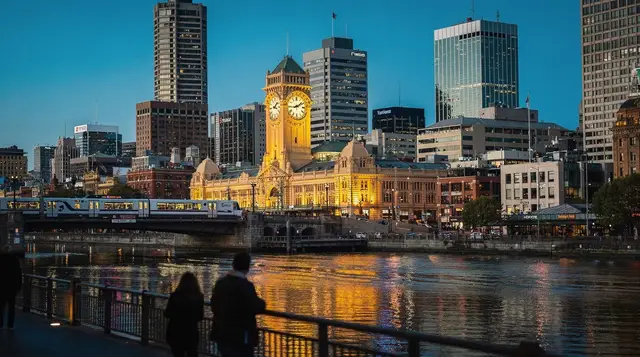
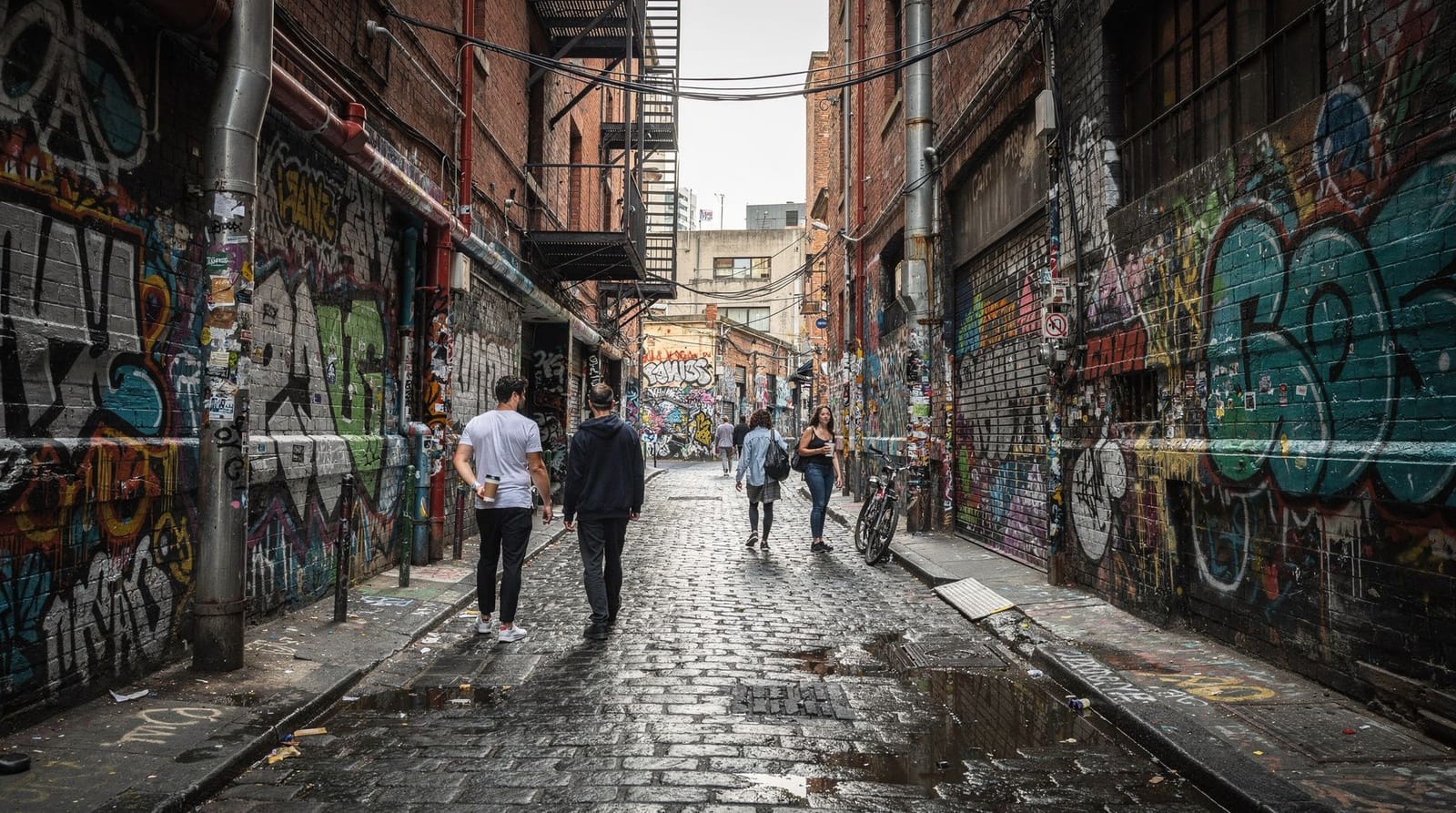
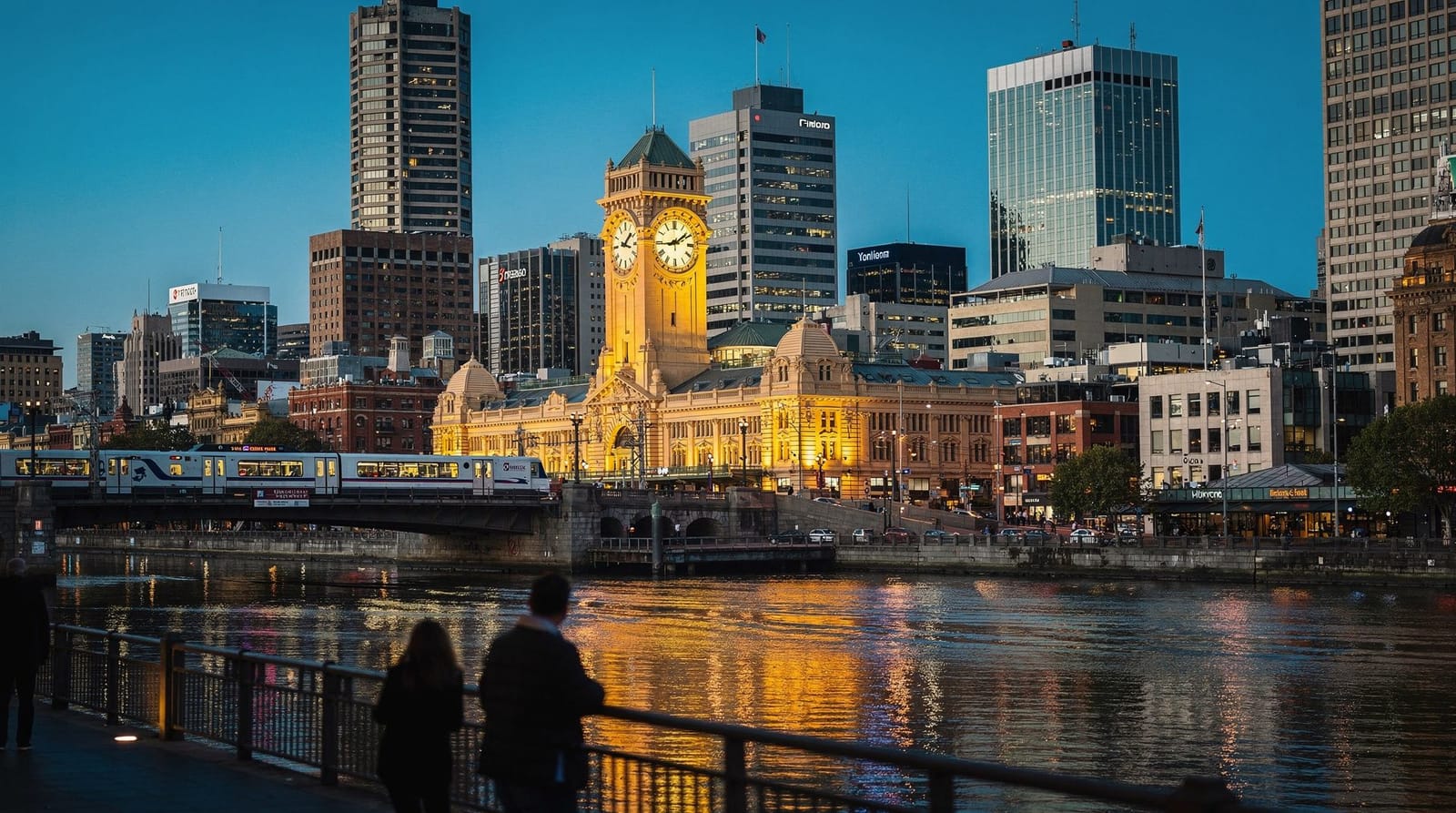
Start at Flinders Street Station and Federation Square, then into Hosier Lane for street art and Degraves Street/Centre Place for coffee (25-30 AUD). Continue to Queen Victoria Market for the deli hall and a market-food lunch (15-25 AUD).
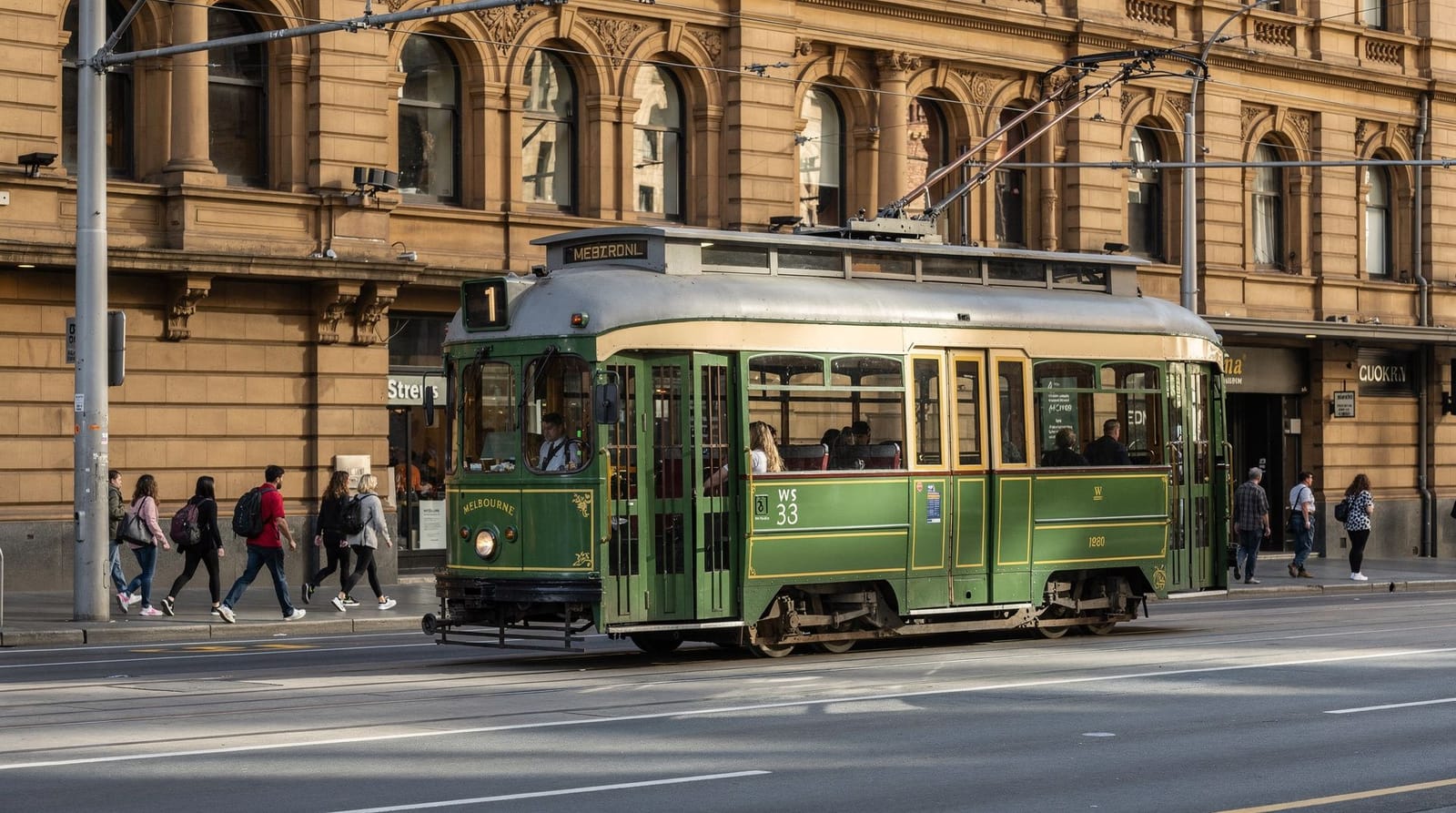
The mistake to avoid here: Melbourne’s CBD sits inside the Free Tram Zone, where trams are genuinely free — but if you tap your Myki card on and off inside the zone out of habit (the way you would in most cities), the system charges you as if you’d left the zone, since it can’t tell you stayed inside it. Only tap on if you’re travelling beyond the free zone boundary (roughly Spencer Street to Spring Street, Flinders Street to La Trobe Street, plus a Docklands extension) — check a current Free Tram Zone map before your first tram ride, since the boundary is easy to misjudge on foot.
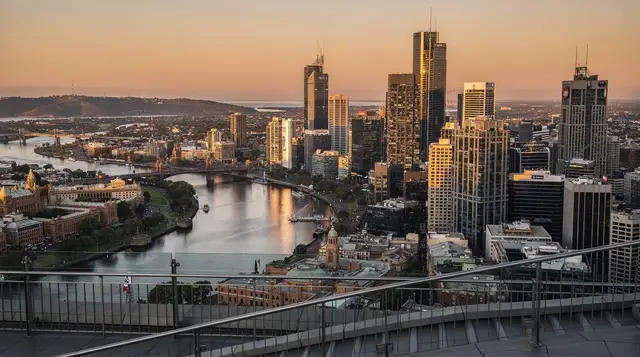
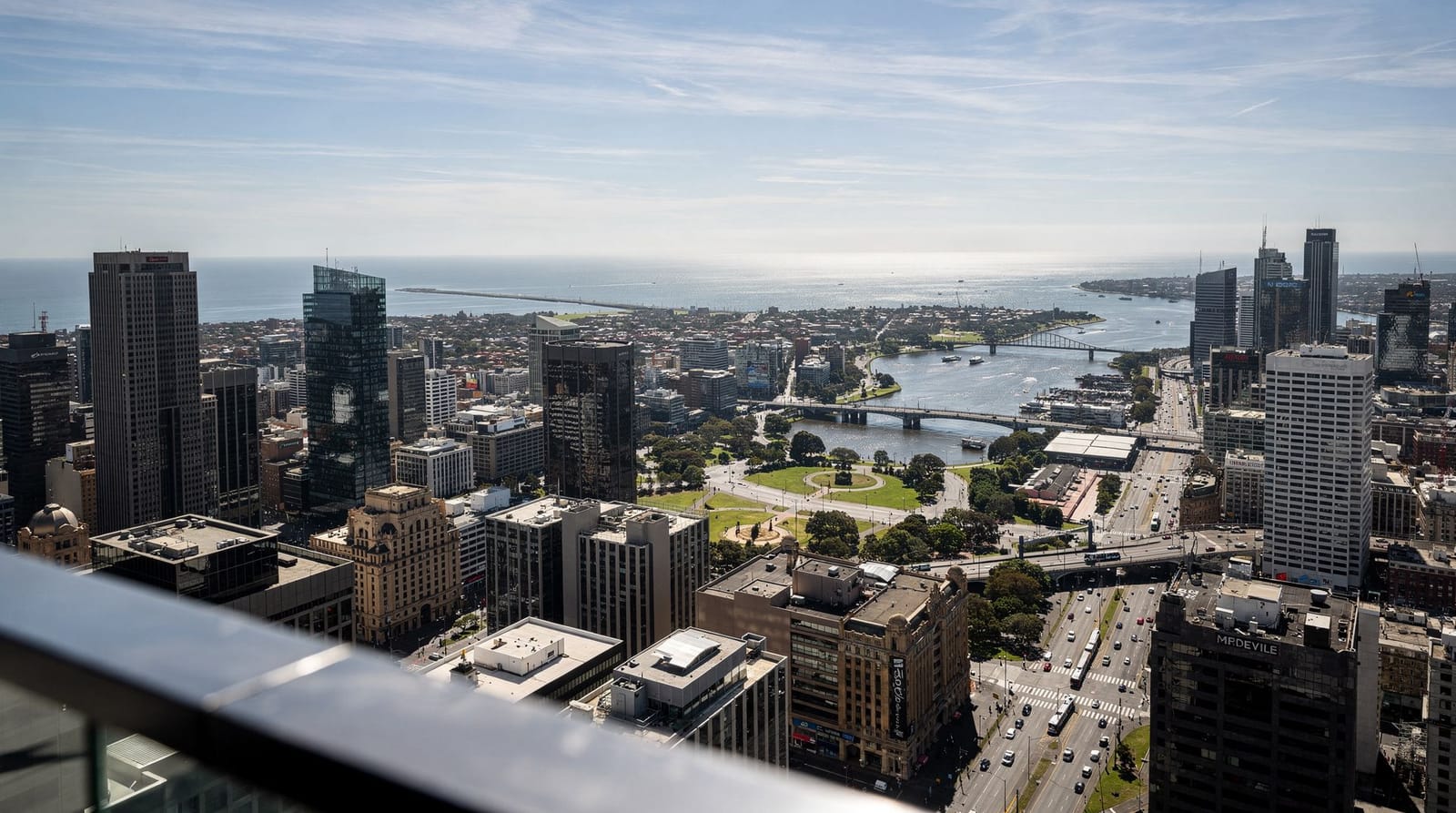
In the afternoon, take on Eureka Skydeck for the city’s best overview, or the free NGV International if you’d rather save the money.
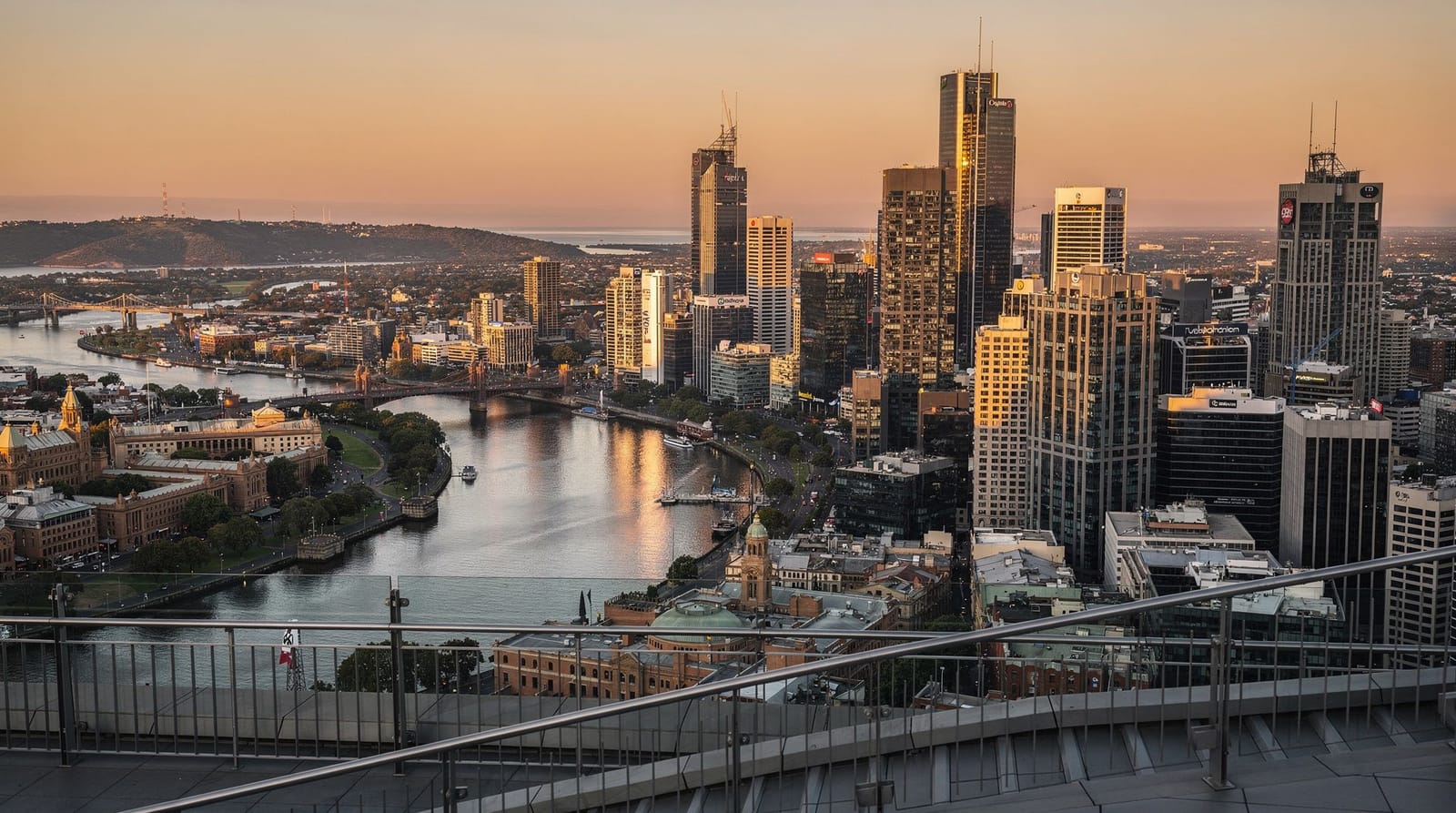 Melbourne eureka skydeck 88 entryCheck availability
If you’d rather have a guide explain the city’s layout and history rather than work it out from a map, a half-day city highlights bus tour is a genuinely useful first-day orientation, covering more ground than you’d manage on foot in the same time.
Day 2: Fitzroy, the MCG or gardens, and the second mistake
Morning in Fitzroy for brunch and vintage shopping, continuing into Collingwood. Afternoon splits between the MCG (sports fans) and the free Royal Botanic Gardens Victoria (everyone else).
The mistake to avoid here: assuming you can add a Great Ocean Road or Phillip Island day trip on top of this three-day city plan without cutting something else. Both are effectively full days (10-13 hours), and squeezing one in means sacrificing either day 1 or day 2’s city content — a trade that surprises first-timers who assumed Victoria’s regional highlights were closer than they actually are. If a day trip matters to you, the honest fix is a fourth day, not a rearranged three-day plan; see the 4-day itinerary for how that extra day slots in.
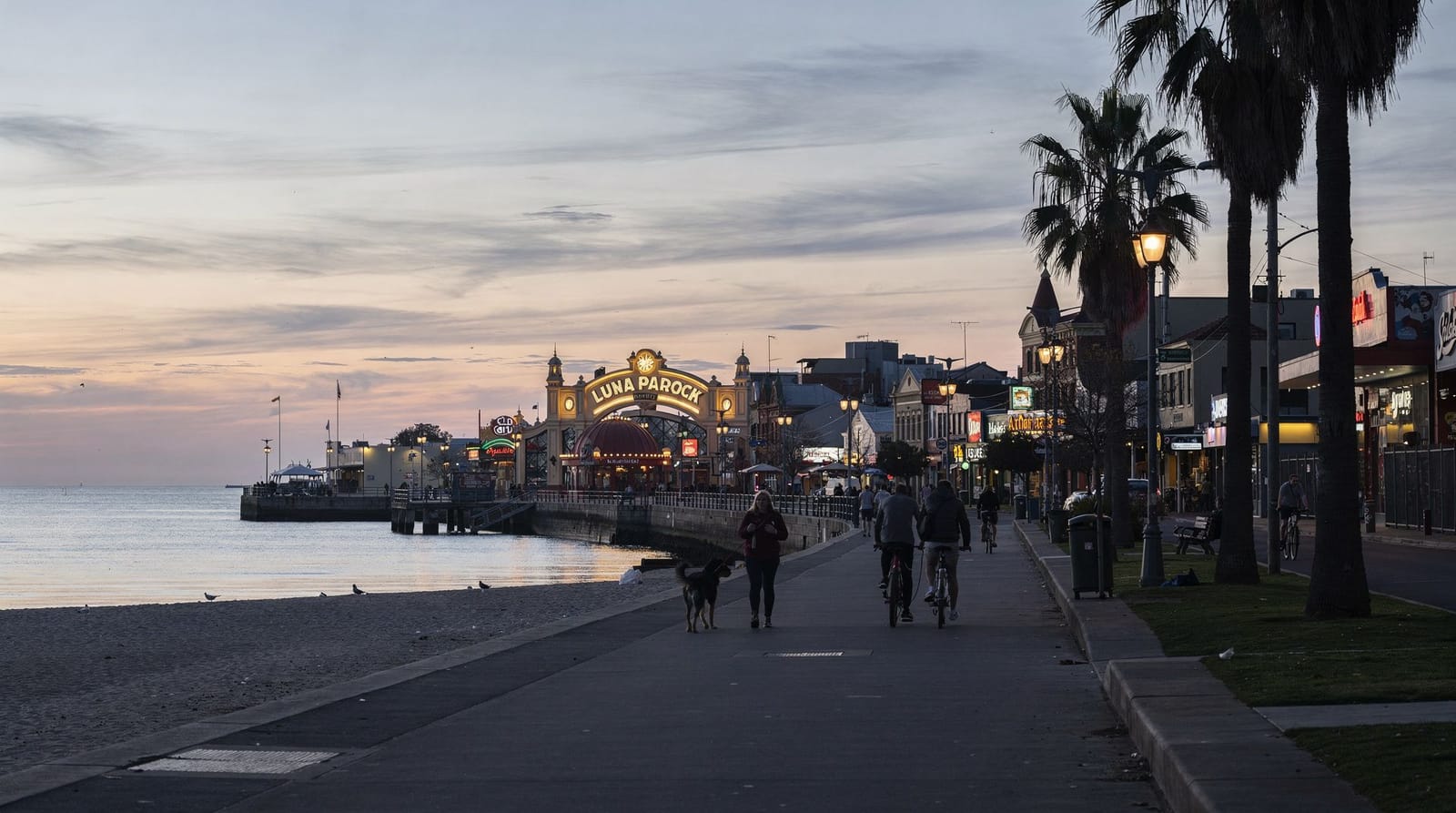
Evening: tram to St Kilda for sunset, Luna Park’s heritage entrance, and dinner along Acland Street (35-55 AUD), with a dusk check of the pier for the wild little penguin colony (free, no ticket, sightings not guaranteed).
Day 3: a proper “four seasons in one day” contingency
Melbourne’s weather is genuinely unpredictable within a single day, whatever the season — this is not tourist-board exaggeration. Build day 3 around flexibility: start with whichever outdoor activity you’re most keen on (a longer Botanic Gardens visit, Brighton’s colourful bathing boxes, or a St Kilda return for daylight photos you didn’t get on day 2), and keep an indoor fallback in mind — the State Library Victoria’s domed reading room, Melbourne Museum, or the NGV — that you can pivot to if the weather turns. Finish with a final laneway wander and dinner before your evening flight or overnight departure prep.
Common first-timer mistakes, addressed directly
Assuming Melbourne uses the same driving side as home. Australia drives on the left. If you’re renting a car for any part of your trip, this affects roundabouts, overtaking lanes and your instinct at every intersection for the first day or two.
Not checking entry requirements before flying. Most travellers need an ETA (subclass 601) or eVisitor (subclass 651, free for EU/UK passport holders) arranged before departure, not on arrival. Check the entry requirements guide well before your flight, since processing can take longer than expected close to your travel date.
Underestimating the UV index. Even a cool, overcast Melbourne day can burn skin faster than it looks like it should — Australia’s UV levels run high by European or North American standards year-round.
Tipping out of habit. Tipping is not expected in Australia; menu prices already include the 10% GST, and rounding up or leaving small change is appreciated but never assumed.
Realistic first-timer budget (AUD, per person)
- Airport transfer (one-way): 23-70 AUD depending on option
- Coffee, breakfast, brunch (3 days): 65-80 AUD
- Lunches (3 days): 40-55 AUD
- Dinners (3 days): 120-160 AUD
- Eureka Skydeck or city tour: 30-45 AUD
- Trams (2 days): 10-18 AUD
- Total: roughly 288-428 AUD, before accommodation
Run your own numbers, including currency conversion from your home currency, through the budget calculator.
Money and phone basics before you arrive
Australia uses the AUD (Australian dollar), and while contactless card payment is near-universal in Melbourne — cafés, trams, taxis, even some market stalls — carrying a small amount of cash is still sensible for the rare cash-only stall at Queen Victoria Market or a tip jar. Notify your home bank of your travel dates if you’re not on a fee-free international card, since foreign transaction fees add up fast across a multi-day trip; our budget calculator helps translate a daily AUD spend into a fuller trip total while you’re planning.
For phone connectivity, an eSIM activated before you land is the simplest option for most travellers, avoiding the need to find a physical SIM counter at the airport on your first tired evening — the travel essentials guide covers eSIM, insurance and other pre-trip basics in one place.
Jet lag and pacing for a first visit
If you’re arriving from Europe, North America or Asia, the time difference is substantial (Melbourne is often 8-11 hours ahead of Europe and up to 16 hours ahead of the US west coast, varying with daylight saving), and this itinerary is deliberately gentle on day 1 for that reason — laneways and a market are low-stakes if you’re running on four hours of sleep, unlike a tightly timed tour with a fixed departure. If you land genuinely exhausted, it’s entirely reasonable to compress day 1 into an afternoon and push some of its content into day 3’s flexible slot instead; the itinerary’s structure survives that kind of reshuffling without losing anything essential.
Should you add a day trip, and which one
If you’ve read this far and are wondering whether to extend beyond three days for a Great Ocean Road or Phillip Island add-on, the honest answer is that it depends on how you feel after day 2. Some first-timers land energised and want to keep moving; others are still adjusting to the time difference and genuinely benefit from a slower three-day city-only visit before considering more. If you do extend, the 4-day itinerary adds a single, gentler regional day (Puffing Billy in the Dandenong Ranges) rather than jumping straight to the longer Great Ocean Road or Phillip Island days, which is a reasonable way to test whether regional day trips suit your travel style before committing to a longer one.
This itinerary at a glance
| Day | Focus | Rough spend |
|---|---|---|
| Day 1 | Laneways, Queen Victoria Market, Free Tram Zone, Eureka Skydeck | 70-100 AUD |
| Day 2 | Fitzroy/Collingwood, MCG or Botanic Gardens, St Kilda sunset | 90-130 AUD |
| Day 3 | Flexible outdoor/indoor pick based on weather, final laneway dinner | 60-90 AUD |
Where to stay for this plan
Most first-timers do best based in the CBD laneways or nearby Southbank Arts Precinct — both put Day 1 and the tram network within easy walking distance, so the Free Tram Zone mistake above barely matters on foot. If you’d rather wake up somewhere with more neighbourhood character, Fitzroy and Collingwood trades a few minutes’ tram ride for better brunch options right outside your door, and St Kilda works well if beach mornings and Luna Park views matter more to you than being footsteps from Flinders Street Station. The where to stay in Melbourne guide breaks down all the inner-city options in more depth if you’re still deciding.
Getting around without overthinking it
Beyond the Free Tram Zone quirk above, Melbourne’s public transport is genuinely simple once you understand the basics: trams, trains and buses all run on the same Myki card, tapped on entry and (outside the free zone) on exit. The Myki card guide covers where to buy one and how top-ups work, and the free tram zone guide has the current boundary map so you don’t have to guess on foot. If you want the fuller picture — including when a car actually helps versus when it’s dead weight in the CBD — the getting around Melbourne guide and Melbourne tram guide cover trams, V-Line regional trains and everything in between.
Frequently asked questions for first-time Melbourne visitors
Do I need a visa to visit Melbourne?
Most travellers need an ETA (subclass 601) or eVisitor (subclass 651, free for eligible EU/UK passport holders), both arranged online before departure — Australia does not offer visa-on-arrival for most nationalities. Check the current requirements for your passport well ahead of your trip.
Is there a train from Melbourne Airport to the city?
No — Melbourne Airport Rail is still under construction as of this guide’s last review. SkyBus (around 23 AUD, ~30 minutes) or a taxi/rideshare (55-70 AUD) are the two realistic options from Tullamarine.
Do I need a car for a first Melbourne visit?
Not for the city itself — trams, trains and walking cover the CBD and inner suburbs comfortably. A car becomes useful only if you’re planning to self-drive a regional day trip like the Great Ocean Road.
What’s the biggest first-timer mistake in Melbourne?
Tapping a Myki card inside the Free Tram Zone out of habit (which triggers a charge), and assuming a Great Ocean Road or Phillip Island day trip fits comfortably into a short city-only itinerary without cutting anything else.
Is Melbourne safe for first-time visitors?
Yes — Melbourne is a very safe city by international standards, with normal city-travel precautions (watch belongings in crowds, standard nighttime awareness) being sufficient rather than anything unusual.
What should I pack that first-timers often forget?
A light rain layer regardless of season (Melbourne’s weather changes fast), sunscreen even on overcast days, and a reusable water bottle — tap water is safe everywhere and most cafés refill it free.
Top experiences
Bookable activities with verified prices and instant confirmation on GetYourGuide.