Melbourne's coffee culture, explained
It’s not hype — Melbourne’s coffee baseline really is higher
This matters practically for a visitor because it changes a default expectation: in many cities, a “good coffee” requires seeking out a specific recommended café, while in Melbourne the safer assumption is closer to the reverse — a genuinely bad coffee is the surprise, not the good one, wherever you happen to duck in.
| Where | CBD laneways, Fitzroy/Collingwood, Carlton |
| Cost | Around 4.50-5.50 AUD for a takeaway flat white or cappuccino |
| Time needed | No booking needed; a coffee walk runs about 3 hours |
| Order | Flat white or long black; oat milk is standard, not special |
| Best time | Weekday mornings for a quieter laneway café experience |
Melbourne’s reputation for coffee is one of the few pieces of city marketing that actually holds up on the ground. The reason isn’t a single famous café or roaster — it’s that a genuinely high standard of espresso is the everyday default across hundreds of independent cafés, rather than something you have to seek out. That baseline traces back to postwar Italian and Greek immigration from the 1950s onward, which built an espresso-drinking culture into the city decades before “third wave” coffee became a global trend elsewhere — Melbourne was already there.
Instant coffee and how attitudes have shifted
It’s worth noting Australia more broadly, including Melbourne, had a genuine instant coffee habit through much of the mid-20th century before the postwar café culture took hold — a detail that surprises visitors who assume espresso-first culture has always been the default here. The shift toward café-based espresso as the norm happened gradually across the second half of the century, and today instant coffee is largely confined to home use rather than café culture, which is entirely built around espresso-based drinks.
Why there’s (almost) no Starbucks
Melbourne is famously one of the few major cities where international chain coffee never gained real traction — Starbucks scaled back its Australian footprint significantly in the late 2000s, and it barely has a presence in the city today. The reason is straightforward: independent cafés already had the market covered with better, cheaper coffee, and locals had no reason to switch. If you’re used to chain coffee as the default, this is the biggest single adjustment — you’ll be ordering from an independent café for essentially every coffee in Melbourne.
What to actually order
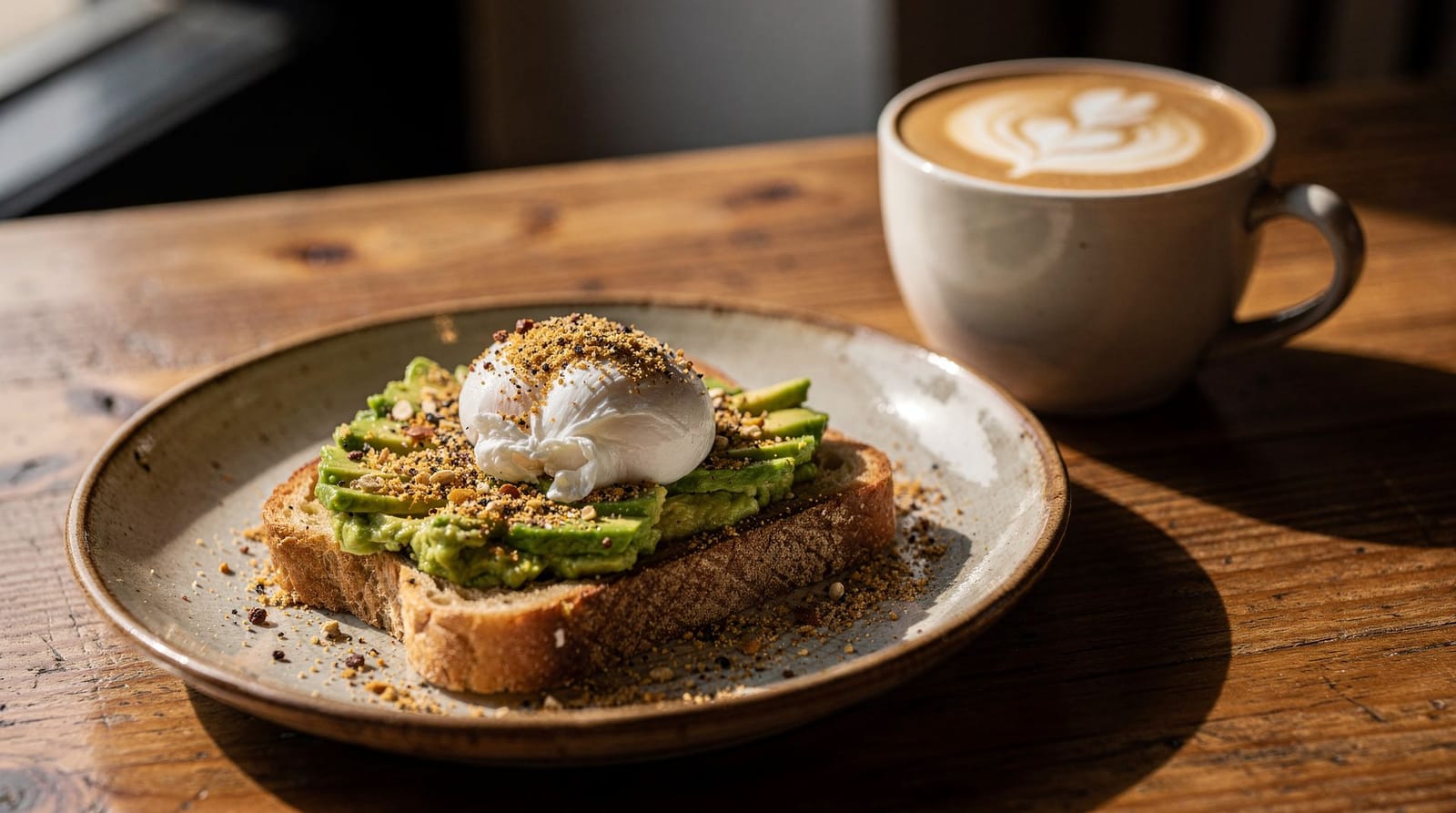
A flat white — espresso with steamed milk and a thin layer of microfoam — is treated as Melbourne’s signature order, alongside the long black (espresso topped with hot water, for those who want it stronger and less milky) and the standard cappuccino and latte. Ordering a “large” is less common here than in the US; Melbourne cafés typically serve one standard cup size unless you specifically ask about size options. Don’t expect flavoured syrups or oversized branded cups — the culture here is closer to traditional Italian espresso bars than the American café model, just served in a more casual, laneway setting.
a guided coffee and laneway tasting walkMilk, alternatives and how orders are customised
Melbourne cafés handle milk alternatives (oat, soy, almond) as a completely standard, unremarkable request rather than a special accommodation, reflecting broader dietary trends across Australian food culture generally. Oat milk in particular has become close to a default alternative choice at many cafés, sometimes at a small surcharge (50 cents to 1 AUD), and asking for it draws no particular attention from baristas used to the request dozens of times a day.
Where the culture actually lives
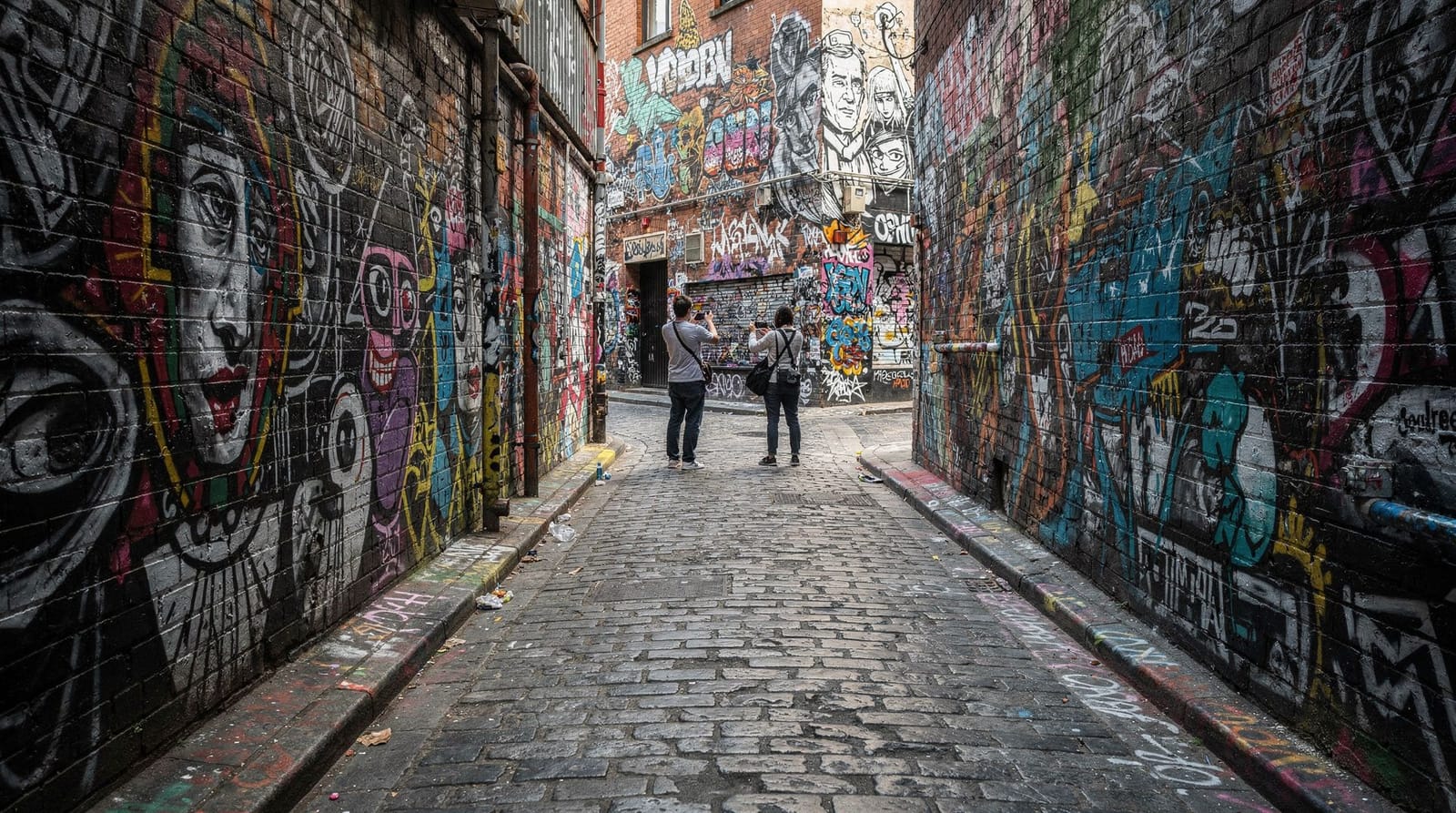
The CBD laneways — Degraves Street and Centre Place in particular — are the most photographed coffee strips, and while genuinely good, they’re also the most tourist-facing and can have a queue. Fitzroy and Collingwood have arguably the highest density of serious independent roasters and cafés per block, and less of a queue than the CBD. Carlton’s Lygon Street carries the older Italian café tradition the whole culture grew from. Richmond and Footscray both have strong, less touristy café scenes worth the short tram or train ride if you want the everyday version rather than the CBD’s more curated one.
 Melbourne coffee culture history of collingwood tourCheck availability
Third wave and specialty roasters
Beyond the everyday café baseline, Melbourne also has a genuinely serious specialty coffee scene — small-batch roasters focused on single-origin beans, transparent sourcing and lighter roast profiles more associated with the global “third wave” coffee movement. Several of these roasters run their own cafés alongside wholesale operations supplying other venues across the city, and tasting flights comparing different origins or roast styles are increasingly common at the more specialist spots, a step up in formality from the standard flat white order.
What a coffee actually costs
A standard takeaway flat white or cappuccino in Melbourne typically runs 4.50-5.50 AUD, with prices creeping toward 6 AUD at some CBD laneway locations and specialty roasters charging a modest premium for single-origin pour-overs or more elaborate preparation methods. This is broadly comparable to major cities elsewhere in the developed world, though the consistency of quality at that price point is where Melbourne’s reputation actually holds up — you’re rarely paying a premium price for a genuinely mediocre coffee here, which isn’t true everywhere.
A short guide to Melbourne café etiquette
Table service is the norm at sit-down cafés — you generally wait to be seated rather than order at a till and find your own table, though smaller laneway spots with bar-style seating are more casual. Tipping isn’t expected (a rounded-up total is plenty if you want to), and takeaway (“takeaway coffee,” not “to go”) comes as standard vocabulary. Cafés here also close relatively early by international standards — many wind down by early-to-mid afternoon rather than running an all-day service, since brunch and lunch, not dinner, are the peak trading hours for most.
Is a coffee tour actually worth it?
If you’re not particularly interested in coffee beyond drinking a decent cup, you don’t need a tour — just walk into any laneway café and you’ll get good coffee without planning. A guided walk earns its cost if you want the actual context: why the scene developed the way it did, which roasters are doing something distinctive right now, and a structured route through several neighbourhoods in a single morning rather than guessing.
Building a self-guided coffee crawl
If you’d rather explore independently than book a tour, a simple route works well: start in the CBD laneways (Degraves Street, Centre Place) for the classic postcard version, then tram or walk out to Fitzroy and Collingwood for the denser roaster scene, and finish on Carlton’s Lygon Street for the older Italian tradition the whole culture traces back to. Our laneways guide has a more detailed walking route through the CBD stretch, and the best laneway cafés guide picks out specific standouts if you want fewer decisions to make on the day. Pace yourself — three or four coffees is a genuinely good crawl; more than that becomes about caffeine tolerance rather than tasting.
Coffee as part of a wider food itinerary
Coffee rarely stands alone on a Melbourne visit — it’s usually the anchor for a morning that also includes brunch, since Melbourne’s brunch culture grew up alongside its café scene rather than separately. Our Melbourne food guide covers where brunch fits into a wider eating itinerary, and if coffee is genuinely one of your top reasons for visiting, it’s worth timing at least one morning around Richmond or Footscray’s less touristy café strips rather than sticking only to the CBD and Fitzroy.
a food and coffee walking tourFrequently asked questions about Melbourne’s coffee culture
Why is Melbourne famous for coffee?
Postwar Italian and Greek immigration from the 1950s built a genuine espresso culture into the city decades before “specialty coffee” became a global trend, and independent cafés kept international chains from gaining a real foothold — the result is a consistently high everyday standard rather than a few standout spots.
What should I order at a Melbourne café?
A flat white is the closest thing to a signature order, alongside the long black for a stronger, less milky option. Standard cappuccinos and lattes are available everywhere too.
Are there Starbucks in Melbourne?
There are a handful, but the chain scaled back significantly in Australia in the late 2000s after failing to compete with the existing independent café scene — you’ll rarely encounter one in everyday CBD or inner-suburb wandering.
Where is the best coffee in Melbourne?
There’s no single “best” — the strength of the scene is its consistency across hundreds of independent cafés. Fitzroy and Collingwood have the highest density of serious roasters, while the CBD laneways (Degraves Street, Centre Place) are the most convenient and most photographed.
How much does coffee cost in Melbourne?
A standard takeaway flat white or cappuccino typically runs 4.50-5.50 AUD, rising slightly at some CBD laneway locations and specialty roasters offering pour-overs or more elaborate preparation methods.
What is “third wave” coffee and does Melbourne have it?
Third wave refers to a specialty coffee movement focused on single-origin beans, lighter roasts and transparent sourcing. Melbourne has a genuinely strong third wave roaster scene, though it sits alongside, rather than replacing, the city’s older Italian-Greek espresso tradition.
Is Melbourne coffee more expensive than other cities?
No — prices are broadly comparable to other major developed-world cities. What distinguishes Melbourne is the consistency of quality at that price point across hundreds of independent cafés, rather than the price itself.