Melbourne's laneways, decoded
The laneways are Melbourne’s actual city centre, not a side attraction
Visitors who stick strictly to Melbourne’s main streets and miss the laneway network entirely often come away with a noticeably thinner impression of the city than those who spend even an hour deliberately ducking into the lanes running behind them.
| Where | CBD, roughly bounded by Flinders, Spencer, La Trobe and Spring Streets |
| Cost | Free to walk; coffee, food and bars cost as usual |
| Time needed | 2-3 hours at a relaxed pace for a full loop |
| Getting there | Walkable from Flinders Street Station, within the Free Tram Zone |
| Best time | Daytime for photography and arcades, 5-6pm+ for bars |
Melbourne’s CBD grid, laid out in the 1830s-40s, was built with a network of narrow service lanes running behind the main streets — originally for deliveries and rubbish collection, largely ignored for most of the 20th century, and reclaimed from the 1990s onward as cafés, bars and small shops moved in. The result is a second, hidden layer of the city that most first-time visitors don’t fully discover unless someone points them toward it — this guide is that pointer.
If you want the longer reference versions of this walk, the laneways walking tour guide and the CBD laneways destination page go into more detail, while the CBD neighbourhood guide puts the lanes in the context of the wider city centre.
Why the laneways matter more here than in most cities
Melbourne’s laneways aren’t a curated tourist add-on layered onto an otherwise conventional CBD — they’re genuinely where a large share of the city’s independent economy operates, from hospitality to fashion to art. Understanding this distinguishes a Melbourne visit from a city where the “hidden gems” marketing framing is mostly aspirational: here, skipping the laneways means skipping a meaningful share of what the CBD actually offers, not just a bonus curiosity layered on top of the main attractions.
Hosier Lane and the street art network
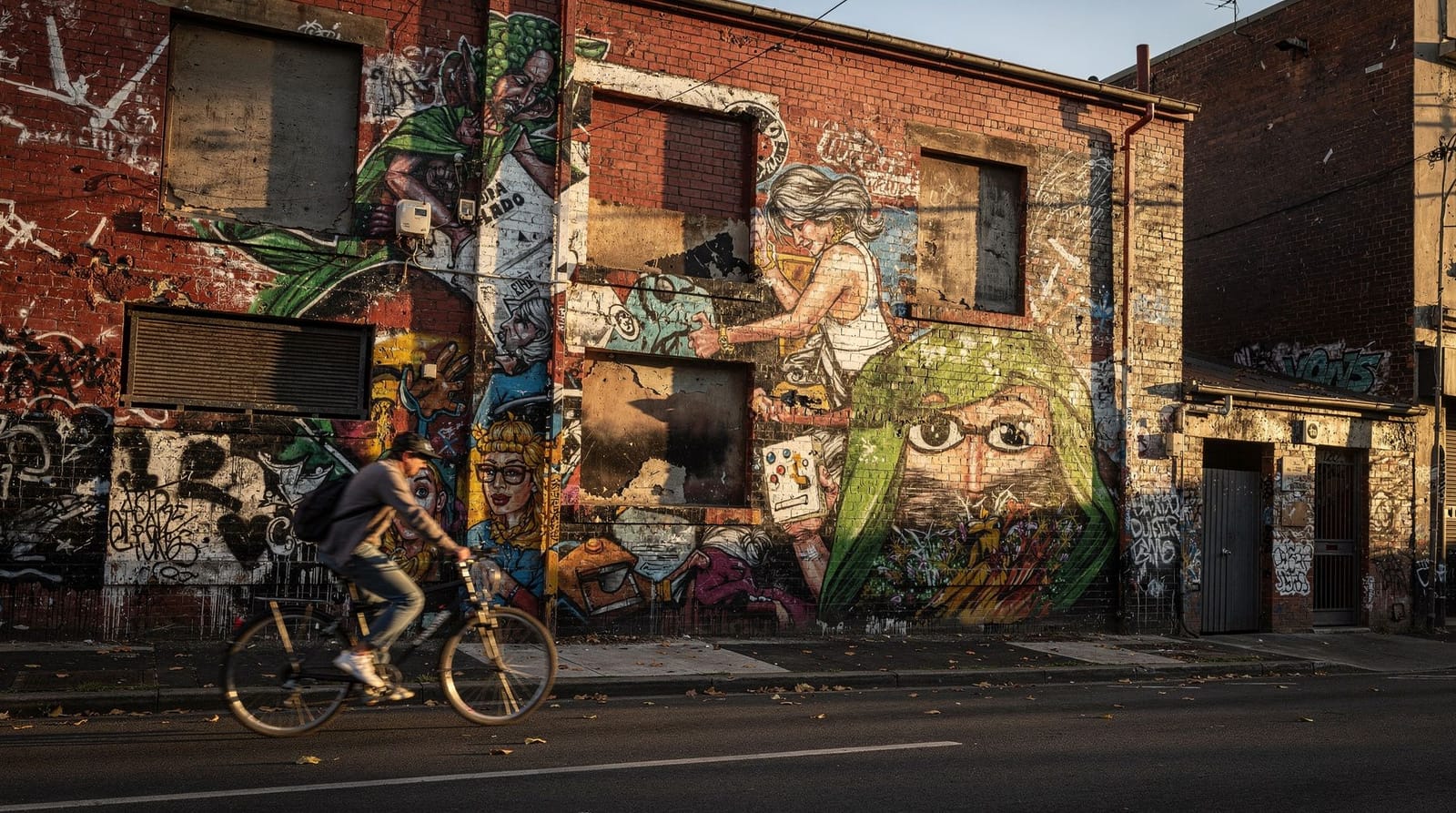
Hosier Lane, just off Flinders Street opposite Federation Square, is the best-known of the street art laneways — a legally sanctioned canvas that’s constantly repainted, meaning whatever you photograph today may be gone within weeks. It connects into Rutledge Lane behind it, extending the same open-air gallery feel. Our dedicated street art guide covers the wider network beyond Hosier Lane, including spots in Fitzroy and Collingwood that see far fewer tourists.
For a closer look at the lane itself, the Hosier Lane street art guide explains what you are looking at and how the scene works, and the broader Melbourne street art guide widens the picture.
a street art walking tour led by a working artistNaming quirks worth knowing
Several of Melbourne’s laneways carry names tied directly to what happens (or once happened) there — AC/DC Lane was officially renamed in 2004 in honour of the Melbourne-formed rock band, having previously been a nondescript service lane, while others carry older colonial-era names dating to the original 1830s-40s city survey. Knowing a few of these stories gives an easy way to add context to a self-guided walk without needing a formal tour — most are easy to find summarised on the City of Melbourne’s own laneway information panels installed at several lane entrances.
The arcade network
Distinct from the open-air laneways, Melbourne’s covered Victorian-era arcades — the Block Arcade (1893, with its ornate mosaic floor) and the Royal Arcade (1870, Melbourne’s oldest) — connect Bourke Street and Collins Street through the CBD’s interior. These are worth a dedicated wander for the architecture alone, quite apart from the shops inside them, and offer a very different, older-Melbourne character from the graffiti-heavy open laneways nearby.
Seasonal laneway events
Several laneways host pop-up markets, small festivals and seasonal decorations at different points in the year — a Christmas-themed laneway display through December, or design markets timed to coincide with Melbourne’s spring and autumn cultural calendar. These change year to year, so it’s worth a quick check of what’s currently running rather than assuming a specific past event will repeat exactly.
Coffee and food in the laneways
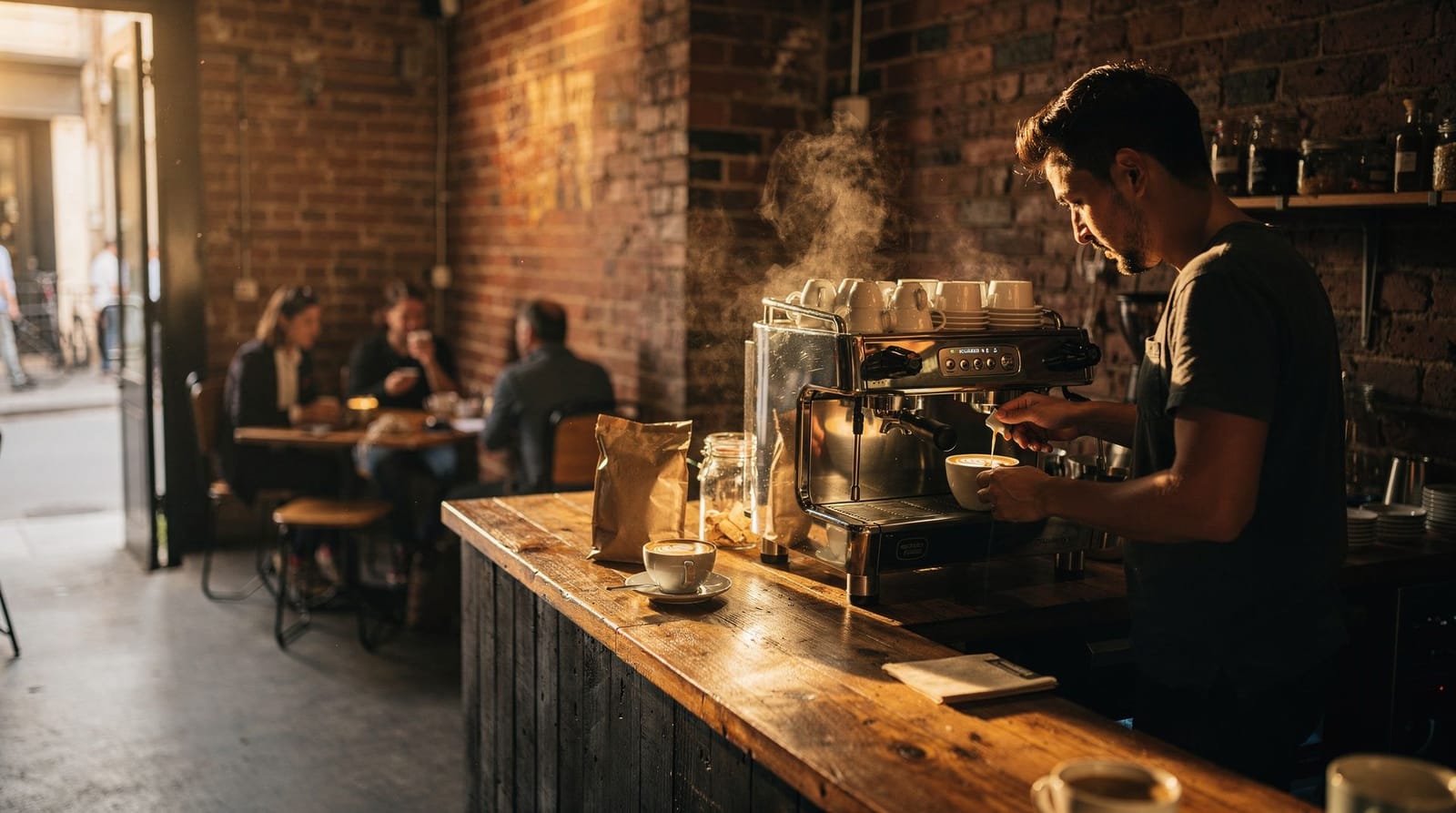
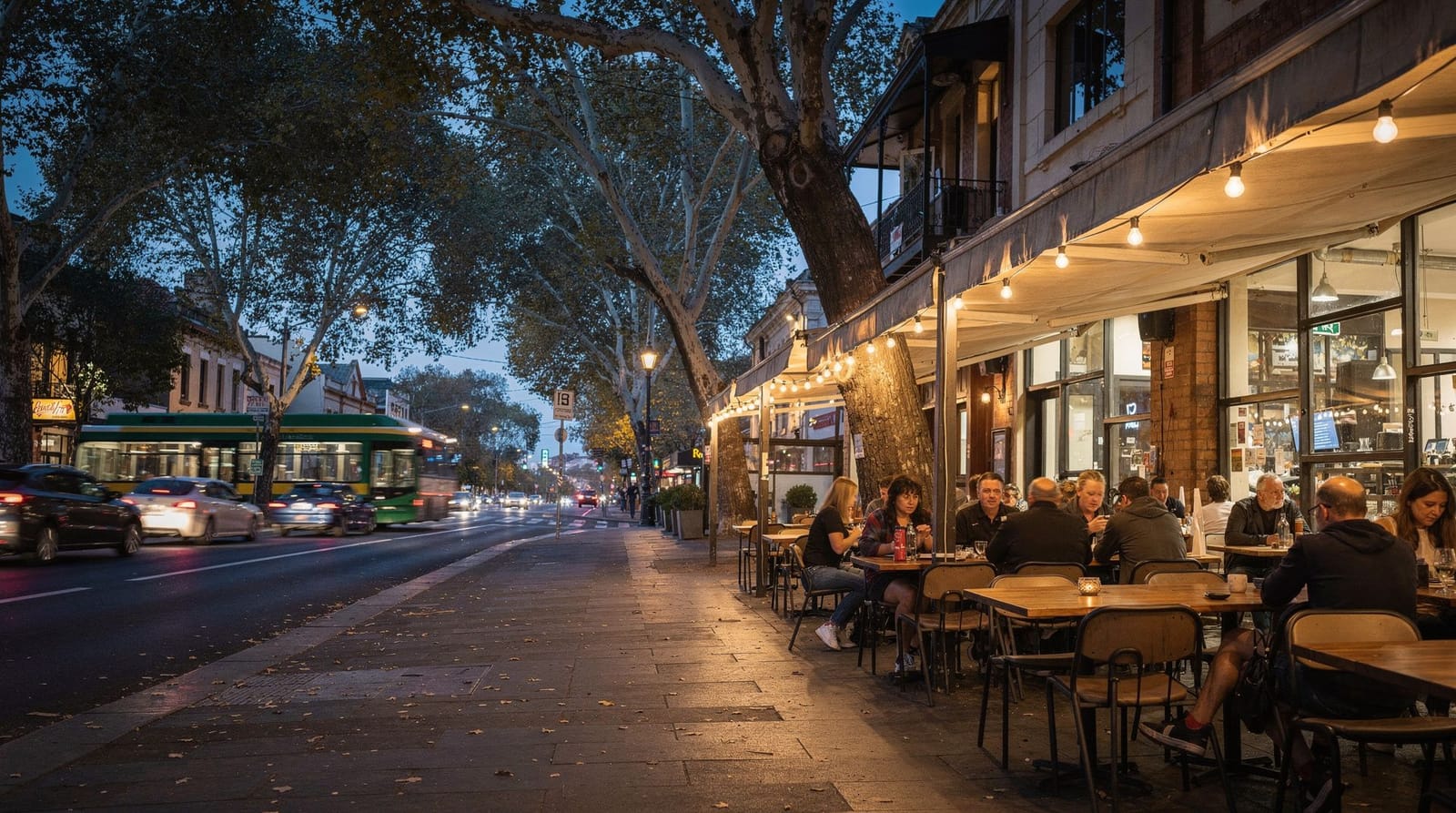
Degraves Street and Centre Place are the CBD’s most concentrated laneway café strips — genuinely good coffee, though also the most tourist-facing and prone to queues, particularly on weekends. Our coffee culture guide covers where the scene actually developed and where to find a less touristy version of the same experience. The best laneway cafés and the wider Melbourne coffee guide help you pick a spot, and where to eat in Melbourne is the next step once the caffeine has worn off.
 Melbourne secret food tourCheck availability
Hidden bars: the laneway’s other signature feature
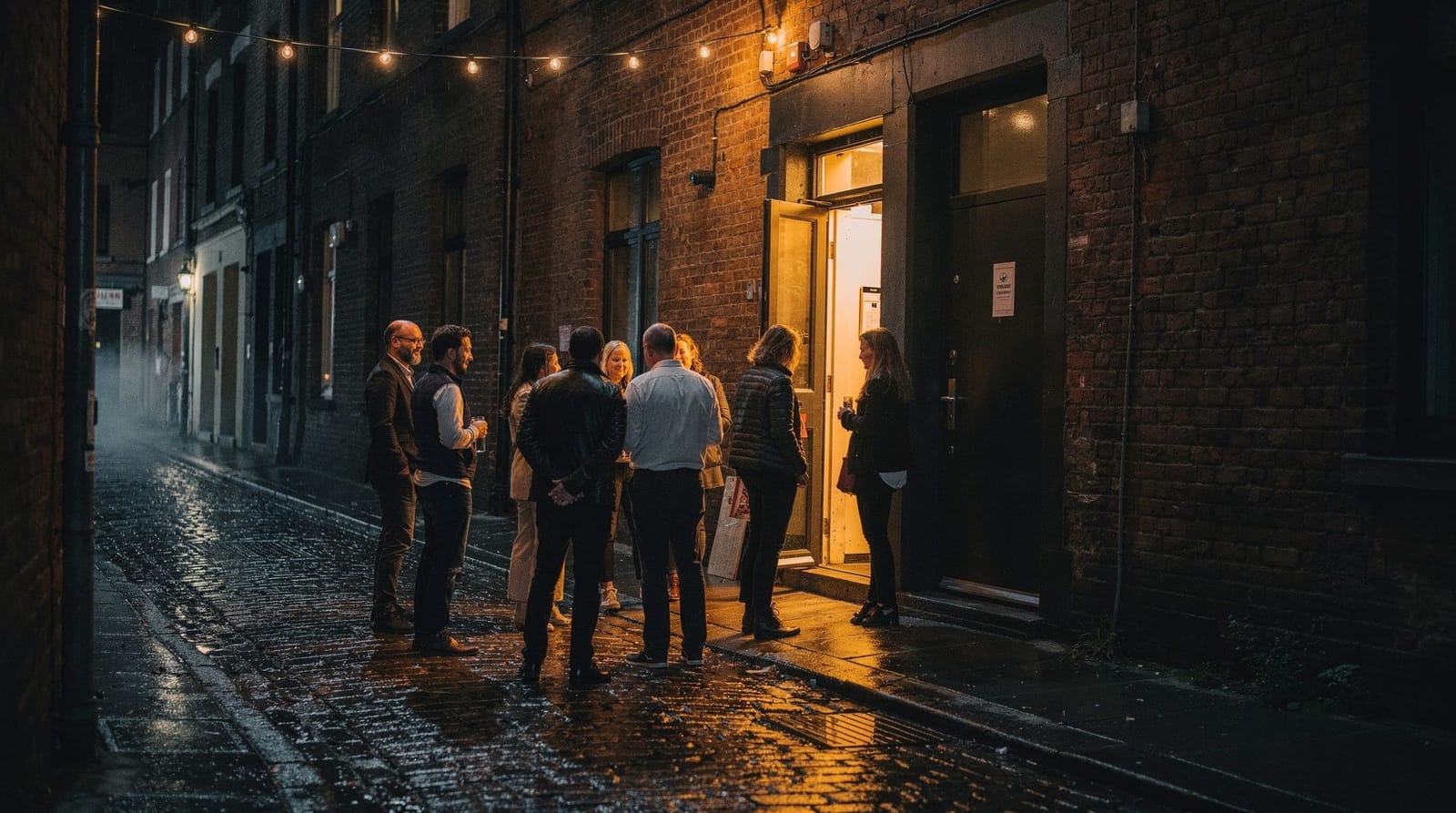
Beyond cafés, Melbourne’s laneways hide a genuinely deep small-bar culture — venues with unmarked doors, no signage, sometimes accessed through what looks like a service entrance or up an unlabelled staircase. Finding these without local knowledge is part of the appeal, but also genuinely frustrating on a first visit if you don’t know where to start; a guided evening walk solves that directly. For more on the scene, see the laneway bars guide, the wider Melbourne nightlife guide and our nightlife article.
Melbourne laneways larrikins and liquor tourCheck availability
Shopping in the laneways
Beyond bars and cafés, Melbourne’s laneways host a genuine concentration of independent fashion, design and vintage shops that don’t have the retail rents to survive on the main shopping strips. Little Collins Street and the smaller lanes running off it carry a mix of local designer boutiques and specialty stores — a good contrast to the chain-heavy Bourke Street Mall a few blocks over, and worth building into your walking route if shopping interests you as much as food and street art. The arcades and laneways guide and the Bourke Street Mall guide help you plan the shopping side.
The history behind the arcade network specifically
The Block Arcade and Royal Arcade both date from Melbourne’s gold rush-fuelled Victorian boom period, when the city briefly rivalled London as one of the wealthiest in the world and invested heavily in ornate civic and commercial architecture. The Block Arcade’s name comes from the historic practice of “doing the block” — a fashionable Victorian-era promenade along Collins Street and through the arcade to see and be seen — and its mosaic-tiled floor, imported from Europe, remains one of the best-preserved examples of the period’s decorative ambition anywhere in the city. If the architecture appeals, the Victorian architecture guide and the Flinders Street Station guide carry the same story further.
Rainy day laneway wandering
Because much of the arcade network is covered, and many laneway cafés and shops have awnings or partial cover, Melbourne’s laneways are a genuinely good rainy-day activity when outdoor plans (Royal Botanic Gardens, a beach visit) aren’t practical. Combining an arcade wander with a museum or gallery visit gives you a full day indoors, or under partial cover, without feeling like you’re settling for a lesser version of your original plans. The State Library Victoria guide and the NGV guide are good indoor partners, and Melbourne in winter has more ideas for wet days.
A realistic laneway walking route
Start at Federation Square, cross to Hosier Lane for the street art, then work north through AC/DC Lane (named for the band, another photo-worthy stop) toward the Block and Royal Arcades. Break for coffee in Centre Place or Degraves Street, then continue into the CBD’s northern laneways around Chinatown for a change of character. This loop takes two to three hours at a relaxed pace, longer if you stop often for coffee or shopping. Since the route starts at Federation Square and stays inside the Free Tram Zone, it is easy to combine with a ride from anywhere in the centre, and the Chinatown guide is useful for the northern end.
When to go
Daytime is best for photography and the arcade architecture; early evening (from around 5-6pm) is when the laneway bars come alive, making a late-afternoon-into-evening visit the most complete way to see both sides of the culture in one outing.
Laneways vs arcades: what to expect from each
| Laneways | Arcades | |
|---|---|---|
| Character | Open-air, street art, small bars | Covered, ornate Victorian architecture |
| Best for | Photography, hidden bars, food | Shopping, staying dry, architecture |
| Examples | Hosier Lane, AC/DC Lane, Centre Place | Block Arcade, Royal Arcade |
| When | Any time; bars come alive from 5-6pm | Daytime, or as rainy-day cover |
Combining laneways with the rest of the CBD
The laneway loop pairs naturally with other CBD essentials rather than needing its own dedicated day — many visitors fold it into day one of a Melbourne itinerary alongside Queen Victoria Market and Southbank, since the walking distances are short and the pace is naturally unhurried. If you’re short on time, prioritise Hosier Lane and the Block Arcade over the full loop described above; they’re the two stops that reward even a rushed 45-minute detour.
a hidden laneway bars evening tourFrequently asked questions about Melbourne’s laneways
Is Hosier Lane worth visiting?
Yes — it’s the most concentrated, legally sanctioned street art display in the CBD, and it’s constantly repainted, so it’s genuinely different on repeat visits. It’s a short, free stop rather than a half-day commitment.
How do you find Melbourne’s hidden bars?
Many have no signage and are accessed through unmarked doors or nondescript staircases — a guided evening laneway bar tour is the most reliable way to find several on a first visit without wasting time wandering.
What’s the difference between Melbourne’s laneways and arcades?
Laneways are generally open-air service lanes, often associated with street art and bars; arcades are covered, ornate Victorian-era shopping passages (like the Block Arcade) with a distinctly different, more formal architectural character.
Are the laneways safe to walk at night?
Yes, generally — they’re well used and reasonably well lit in the main CBD sections, though as with any city, the usual precautions (stick to the busier, populated lanes, be aware of your surroundings) apply after dark.
Are the arcades and laneways the same thing?
Not quite — laneways are generally open-air and associated with street art and small bars, while arcades (like the Block and Royal Arcades) are covered, ornate Victorian-era shopping passages with a distinctly more formal architectural character.
Can you shop in Melbourne’s laneways?
Yes — beyond cafés and bars, several laneways host independent fashion, design and vintage shops, particularly around Little Collins Street, offering an alternative to the chain retail on the main shopping strips.
Are the laneways good for a rainy day?
Yes — much of the arcade network is covered, and many laneway cafés have awnings, making a laneway wander a practical option when outdoor plans aren’t feasible.