Melbourne's nightlife, beyond the CBD strip
The scene is spread across the city, not concentrated in one strip
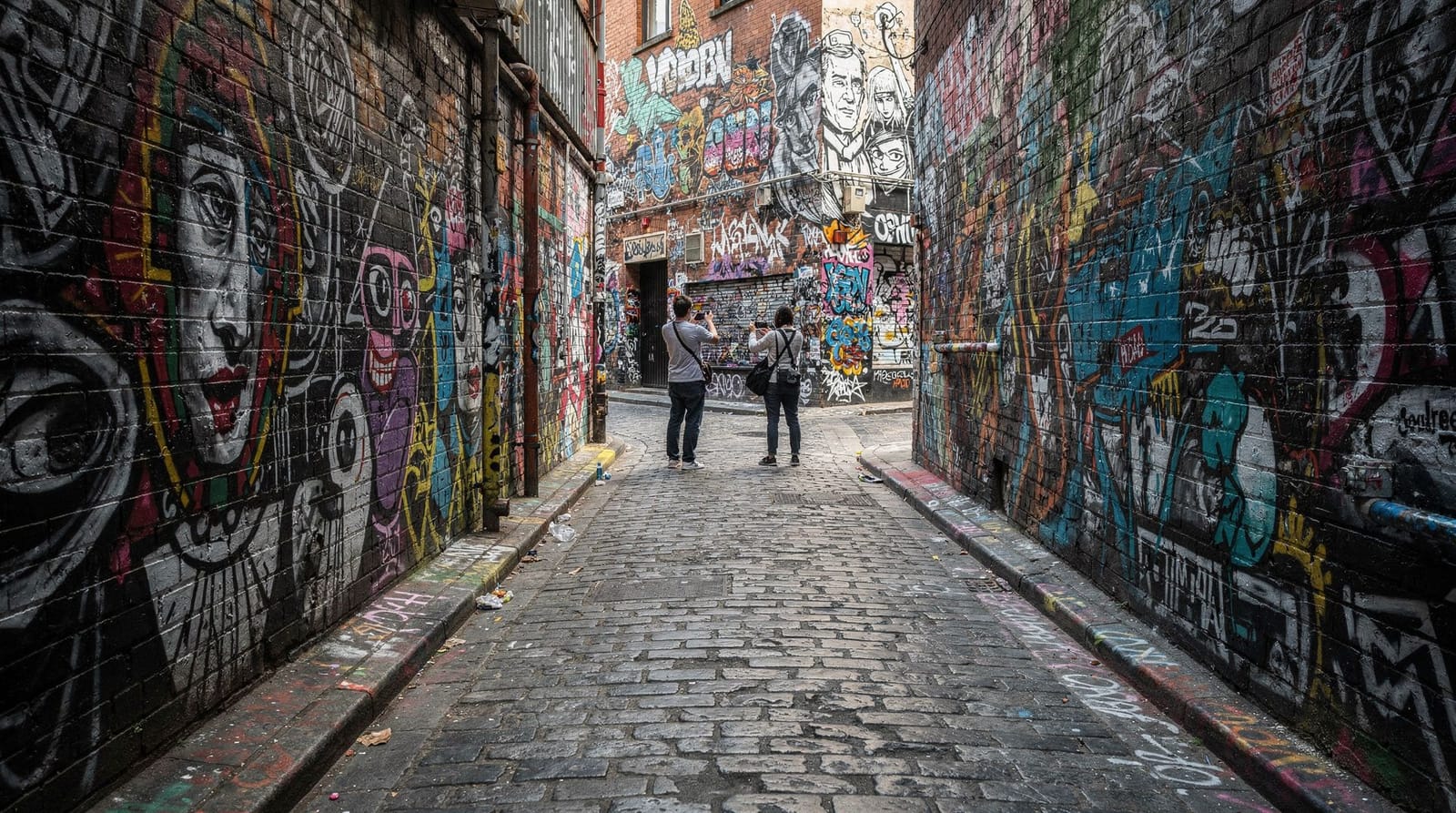
Melbourne doesn’t have a single obvious nightlife district the way some cities do — its bar and live music culture is genuinely distributed across the CBD’s hidden laneways, Fitzroy’s pub scene, Richmond’s live venues and St Kilda’s beachside strip. That decentralisation is part of the appeal, but it also means a first-time visitor benefits from a bit of a map rather than just picking the nearest obvious strip.
| Best area | CBD laneways (hidden bars), Fitzroy/Collingwood (pubs, live music) |
| Typical cocktail | around 18-25 AUD |
| Live music cover | around 10-25 AUD, often free on weeknights |
| Getting home | Night Network trams/trains Fri-Sat, or rideshare |
| Reservations | Rarely needed — arrive before 9-10pm on weekends |
How the scene developed
Melbourne’s small-bar culture owes a lot to a specific piece of licensing reform in the mid-1980s that made it commercially viable to open a small venue (loosely, under around 60 patron capacity) without the heavy licensing costs previously required — before that, Melbourne’s bar scene skewed heavily toward larger pubs and hotels. That single change is widely credited with unlocking the wave of small, distinctive laneway venues that opened through the 1990s and 2000s and still defines the city’s nightlife identity today, in a way that’s genuinely different from how most comparable cities’ bar scenes evolved.
The CBD’s hidden laneway bars
Melbourne’s small-bar scene, largely a product of licensing law changes from the 1990s onward that made small, unmarked venues viable, hides behind unlabelled doors, up unassuming staircases and through what look like service entrances throughout the CBD’s laneway network. Finding several of these on a single evening without local knowledge is genuinely difficult on a first visit — a guided evening tour solves this directly.
 Melbourne laneways larrikins and liquor tourCheck availability
Getting home safely
Melbourne’s Night Network and the general availability of rideshare apps make getting home after a night out straightforward across most of the inner city, but it’s worth planning your route home before you start drinking rather than figuring it out at 2am — some outer suburbs have thinner late-night transport coverage than the CBD and inner north. Splitting a rideshare with others heading in a similar direction is common practice and keeps costs down compared with a solo late-night fare.
Whisky, gin and craft beer specialists
Beyond the general hidden-bar scene, Melbourne has a genuine specialist bar culture — dedicated whisky bars with serious back-bar collections, small-batch gin specialists, and a strong craft beer scene with several breweries running their own taprooms.
 Melbourne whisky bars gin jointsCheck availability
an evening craft beer tour covering several independent breweries
Melbourne whisky bars gin jointsCheck availability
an evening craft beer tour covering several independent breweries
Fitzroy and Collingwood
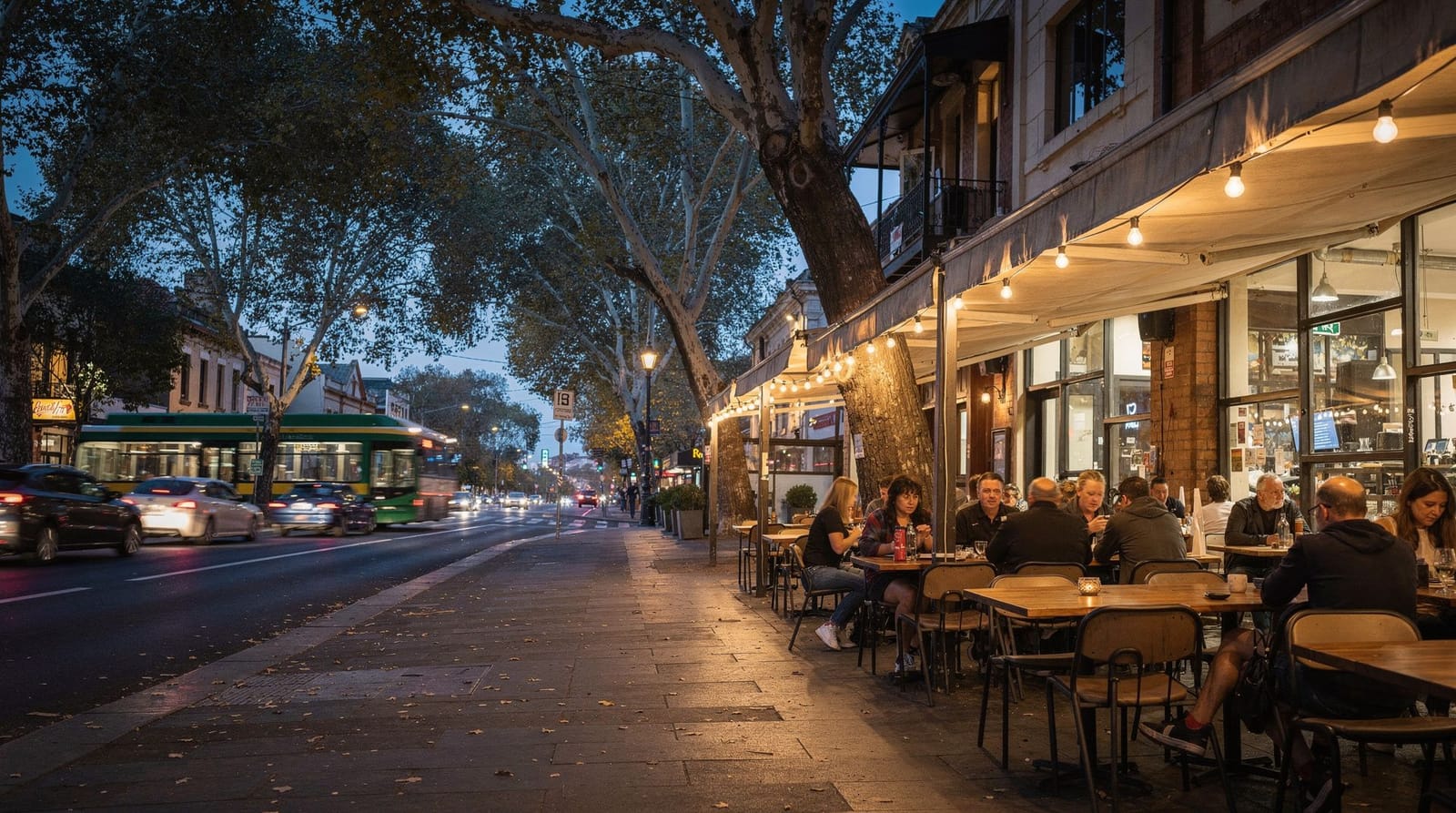
Fitzroy and Collingwood, a short tram ride from the CBD, have a more relaxed, less curated bar and pub scene than the CBD laneways — Brunswick Street and Smith Street in particular carry a genuine, long-standing live music and pub tradition alongside newer venues.
Richmond’s live music heritage
Richmond, particularly around Swan Street, has a strong live music venue tradition, including some of Melbourne’s most historically significant band rooms — worth a visit specifically if catching live original music matters more to your evening than a bar crawl.
St Kilda after dark
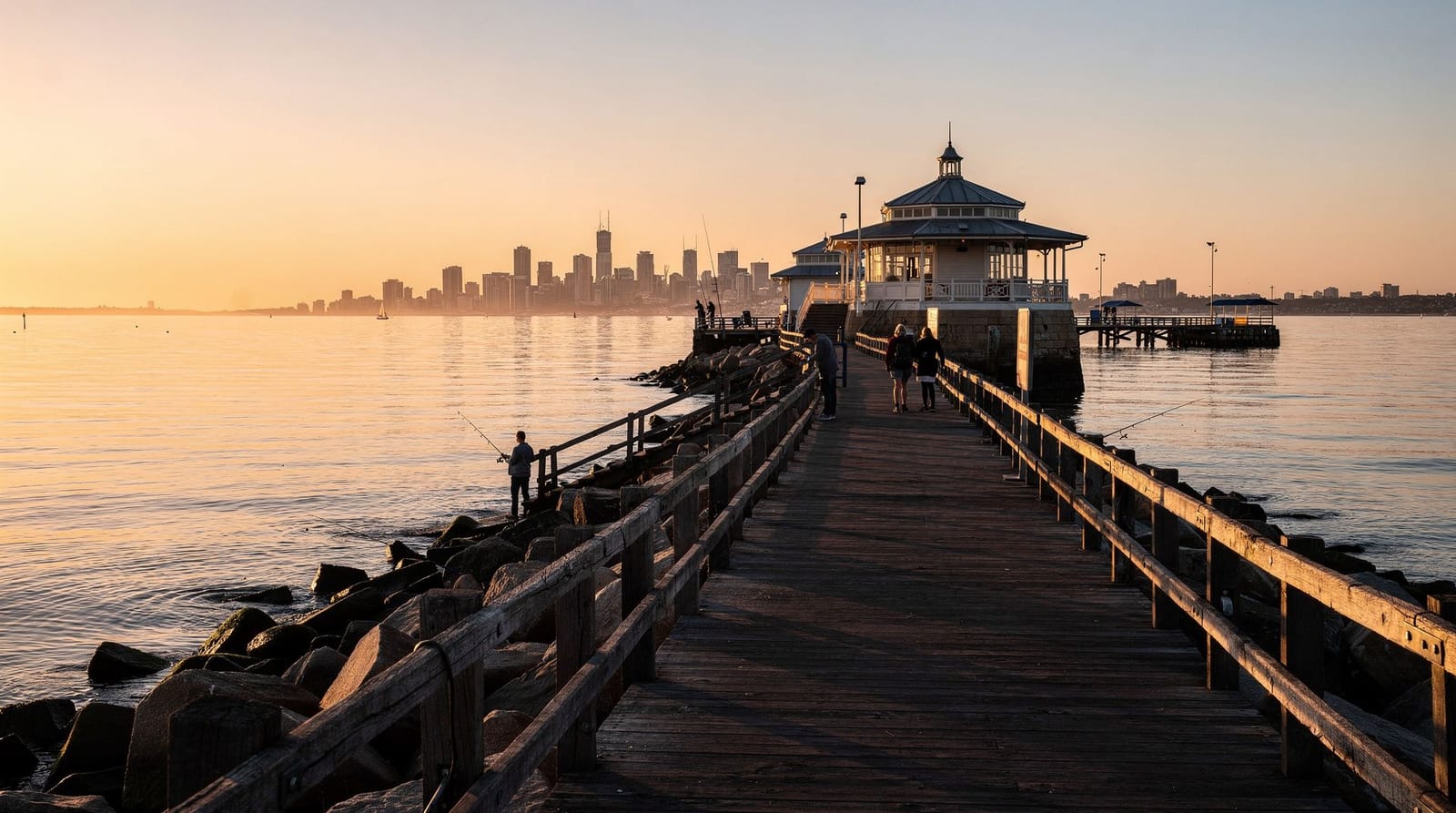
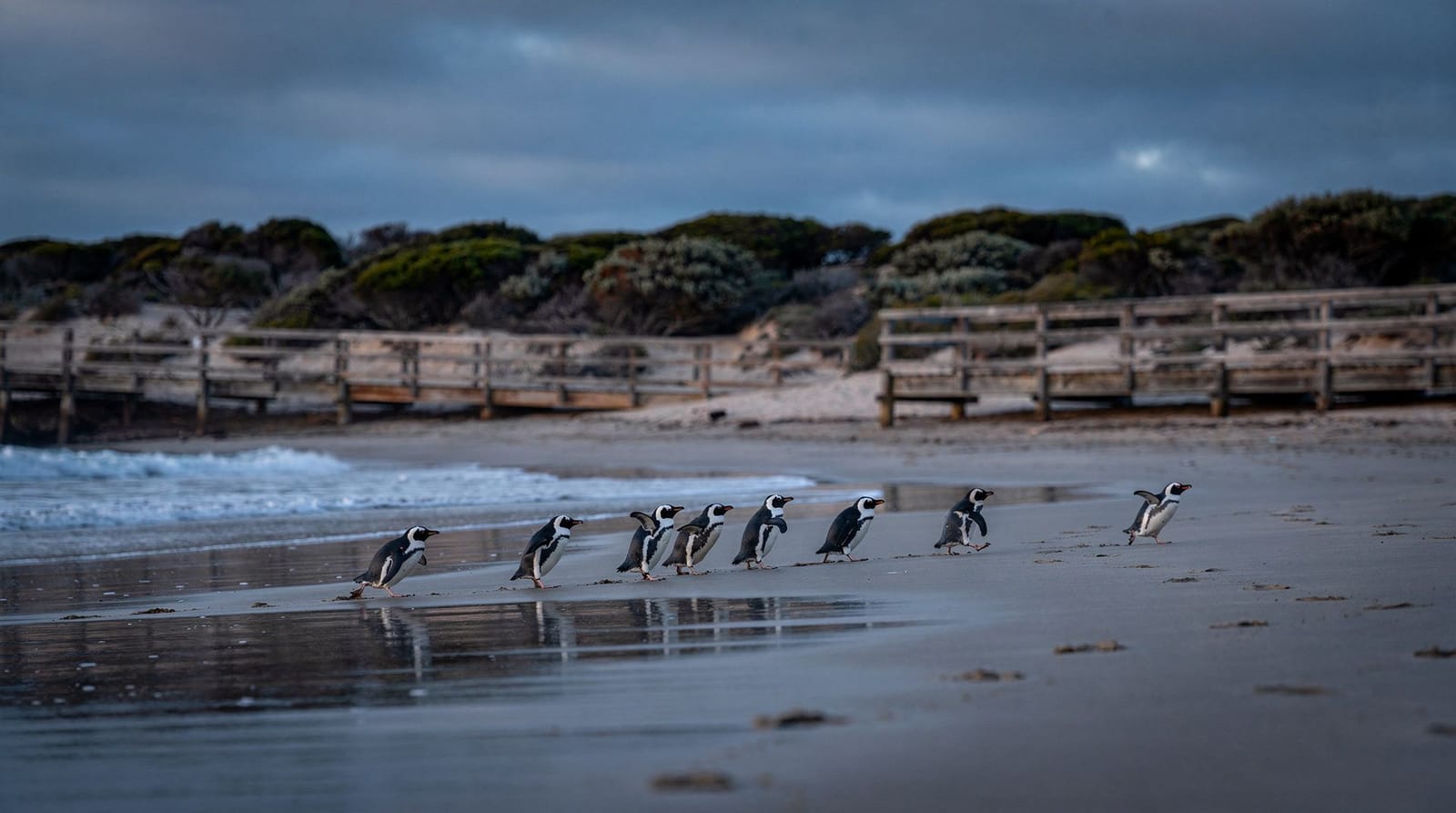
St Kilda has its own distinct evening scene along Fitzroy Street and Acland Street, with a mix of bars, live music venues and late-night food options, plus the option to catch the wild penguin colony at dusk before settling in for the evening — a genuinely good sequencing if you’re spending a full evening in the area.
Late-night food
Melbourne’s late-night food scene is genuinely useful to know about if your evening runs past midnight — Chinatown’s restaurant strip in the CBD has several venues serving until the early hours, a legacy of the area’s long-standing role as a post-work-and-nightlife dining destination for shift workers and revellers alike. Fitzroy and Collingwood have a handful of late-night kebab, pizza and noodle spots that fill up after the bars start closing, and it’s generally easy to find something decent within a short walk of most nightlife precincts rather than relying on a single well-known chain.
Cocktail culture and specialist venues
Beyond the hidden-bar novelty, Melbourne has built a genuinely serious cocktail scene over the past decade, with several venues recognised on international best-bar lists — these tend to sit toward the higher end of the price range (18-25 AUD for a well-made cocktail) but reflect a level of craft that goes well beyond a standard hotel bar. Specialist venues focused on a single spirit category (mezcal, rum, native Australian botanicals in gin) have also grown in number, giving visitors with a specific interest plenty to explore beyond generic cocktail lists.
A realistic evening plan
For a first Melbourne night out, start with dinner in the CBD or a short tram ride to Fitzroy, then move into the laneways for one or two hidden bars before midnight — trying to cover Fitzroy, the CBD and Richmond all in one night is generally overambitious and better split across separate evenings if your trip length allows.
Live music beyond Richmond
Melbourne’s live music heritage extends well beyond a single neighbourhood — the city was central to Australia’s pub rock scene from the 1970s onward, and that legacy is still visible in the number of small, independent venues running original live music most nights of the week, not just weekends. Beyond Richmond’s Swan Street strip, the CBD and Collingwood both host smaller rooms that regularly book touring international acts alongside local artists, and cover charges at these venues are generally modest (10-25 AUD) compared with larger ticketed shows at Melbourne’s arena venues.
Rooftop bars as an alternative evening
If a full bar crawl isn’t your style, Melbourne’s rooftop bar scene — concentrated in the CBD and Southbank — offers a lower-key evening option: a drink or two with a view rather than a multi-venue night out. These venues tend to take a more relaxed approach to reservations for smaller groups, making them a good fallback if the laneway scene’s no-bookings policy doesn’t suit your evening plans, particularly earlier in the night before the busier small bars fill up.
Dress codes and door policies
Most of Melbourne’s small bars and pubs have no formal dress code, in keeping with the city’s generally casual approach to nightlife — a genuine contrast to some other Australian cities’ more strictly enforced smart-casual door policies. A handful of higher-end cocktail bars and rooftop venues do apply more selective entry standards, particularly on weekend nights, so it’s worth checking a specific venue’s policy in advance if you’re planning a night around one particular spot.
Practical notes
Melbourne’s small bars often have limited capacity and no reservations for casual visits, so arriving reasonably early (before 9-10pm) improves your odds of getting in without a wait on weekends. Public transport (trams and the Night Network on Friday and Saturday nights, which runs some routes through the early hours) is generally the easiest way to move between areas rather than driving, given both the cost of parking and the obvious point about drinking and driving.
Pairing nightlife with dinner first
Most nights out here work better with a proper dinner as the anchor rather than grazing on bar snacks all evening — our Melbourne food guide covers the CBD and inner-north dining scene in more depth, and the laneways guide is worth reading alongside this one if you’re planning a single evening that moves between a few different laneway stops. If you’d rather compare Melbourne’s after-dark scene directly against another Australian city before committing your itinerary to it, see our Melbourne vs Sydney breakdown.
Rooftop and river options for a lower-key night
Beyond the laneway crawl, a rooftop drink with a Southbank view or an evening on the Yarra River is a genuinely good alternative if a multi-venue bar crawl isn’t the mood — see the rooftop section above for specifics, and pair it with an earlier St Kilda sunset if you want the whole evening to build toward the CBD skyline rather than starting there.
a hidden bar and cocktail tour through the CBD lanewaysFrequently asked questions about Melbourne’s nightlife
How do you find Melbourne’s hidden bars?
Many have no visible signage and are accessed through unmarked doors or nondescript entrances — a guided evening bar tour is the most reliable way to find several on a first visit.
What’s the best neighbourhood for nightlife in Melbourne?
There isn’t one single best option — the CBD has the hidden laneway bar scene, Fitzroy and Collingwood have a more relaxed pub and live music culture, and Richmond has a strong live music venue tradition.
Is there late-night public transport in Melbourne?
Yes — the Night Network runs extended tram, train and bus services on Friday and Saturday nights, making it practical to move between nightlife areas without driving.
Do Melbourne’s small bars take reservations?
Generally no for casual visits — arriving before 9-10pm on weekends improves your chances of getting a table or seat without waiting.
Is there a dress code for Melbourne bars?
Most small bars and pubs have no formal dress code, reflecting the city’s generally casual nightlife culture. A handful of higher-end cocktail bars and rooftop venues apply more selective entry, particularly on weekend nights.
What is the cover charge for live music venues in Melbourne?
Typically modest — around 10-25 AUD for smaller original-music venues, rising for bigger touring acts or larger arena shows. Many pub-based venues have no cover at all on quieter weeknights.
Is Melbourne’s nightlife concentrated in one area?
No — unlike some cities, it’s spread across the CBD’s laneways, Fitzroy and Collingwood’s pub scene, Richmond’s live music venues and St Kilda’s beachside strip, which is part of why a bit of planning helps on a short visit.
What’s the best area to base yourself for nightlife in Melbourne?
The CBD puts you closest to the hidden laneway bar scene and the widest tram connections for moving on to Fitzroy, Richmond or St Kilda later in the night, which is why most first-time visitors choose it as a nightlife base even if they explore other pockets on individual evenings.