The best markets in Melbourne
Queen Victoria Market is the obvious starting point, not the whole story
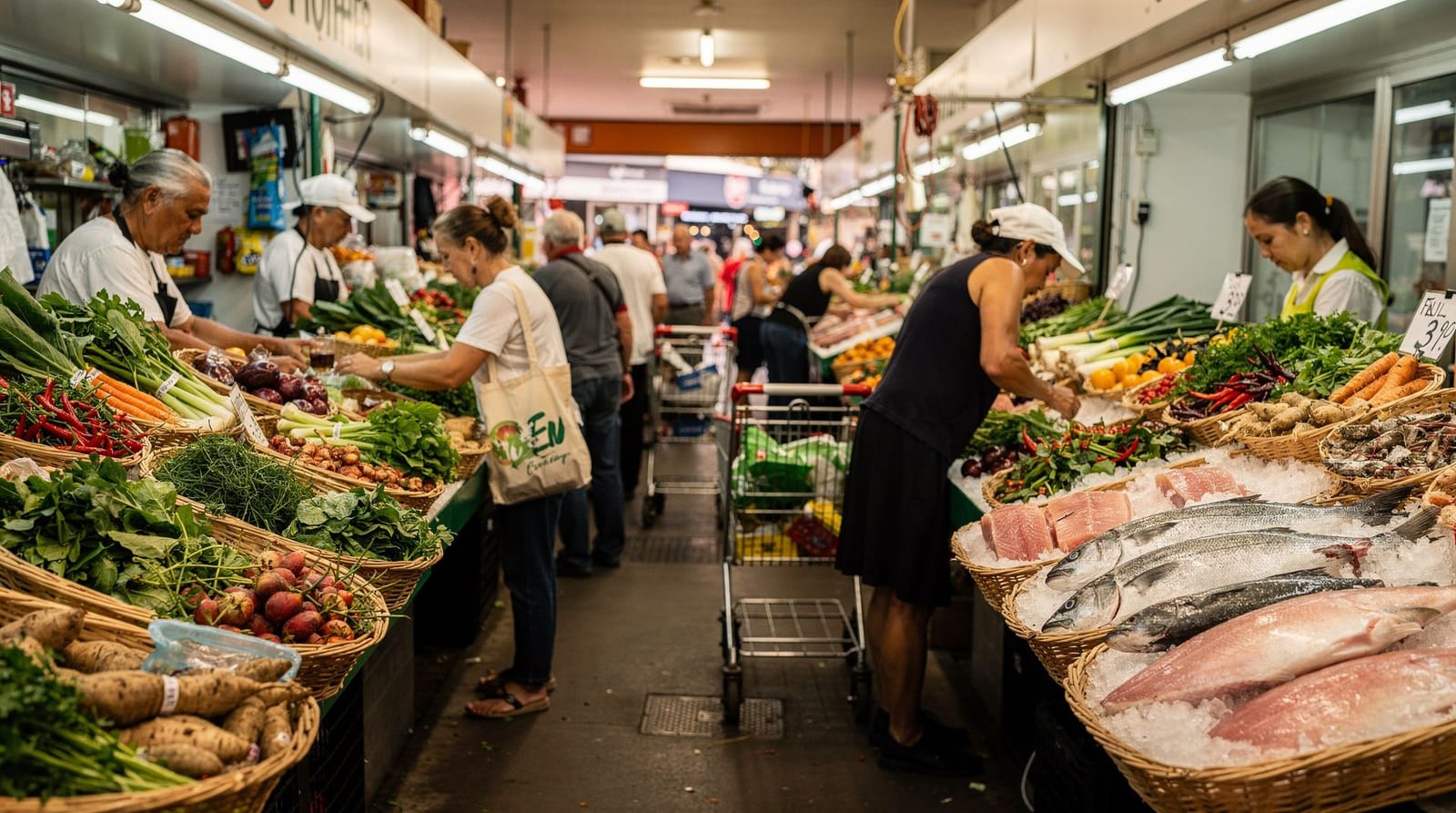
Queen Victoria Market, dating to 1878 and covering two full city blocks on the CBD’s northern edge, is Melbourne’s largest and best-known market, and it earns the reputation — a genuine working market with deli halls, produce sheds, and a general goods section, rather than a tourist-only reconstruction. But Melbourne’s market culture extends well beyond it, into working-class produce markets, design and craft markets, and specialist food halls.
| Where | Queen Victoria Market, CBD; others further out |
| Cost | free to browse; produce and food from around 5-15 AUD |
| Time needed | 2-3 hours for Queen Victoria Market alone |
| Getting there | tram to Elizabeth Street (QVM); train for the rest |
| Best time | before 10am for selection, or Wed evening in summer |
Queen Victoria Market in detail
The market’s deli hall houses cheese, smallgoods and specialty food stalls, while the open-air produce sheds sell fresh fruit and vegetables at prices consistently below CBD supermarkets. The Wednesday Night Market, running over the summer months, adds a festival-style layer of food stalls, live music and craft stands to the daytime market’s more practical, everyday character. Our Queen Victoria Market food guide breaks down which deli stalls and produce sheds are worth prioritising if you only have an hour or two.
Part of the market’s site also carries a difficult history worth knowing before you visit: sections of the market grounds sit above what was once part of Melbourne’s old cemetery, used from the 1830s before the city’s population outgrew it, and the site has been the subject of ongoing archaeological and community consultation work in recent years as redevelopment plans have been debated. It doesn’t change what you’ll actually do at the market — eat, browse, buy produce — but it’s a piece of context that adds some depth to what can otherwise read as just a large, atmospheric shopping stop.
 Melbourne multicultural markets culinary culture tourCheck availability
a guided foodie tour through the market’s deli and produce halls
Melbourne multicultural markets culinary culture tourCheck availability
a guided foodie tour through the market’s deli and produce halls
Footscray Market
West of the CBD via a short train ride, Footscray Market serves the area’s large Vietnamese and broader Asian community, and it’s noticeably less geared toward tourists than Queen Victoria Market — genuinely cheap, genuinely fresh, and a good complement to a visit to Footscray’s Little Saigon food strip nearby. If you want the fuller picture of the neighbourhood beyond the market itself, our Footscray Little Saigon guide and Footscray destination page cover the surrounding food strip in more depth.
Prahran Market
South of the CBD, Prahran Market is smaller and more upmarket than Queen Victoria Market, with a strong focus on quality produce, artisan bread and specialty grocers — a good option if you’re staying in the inner south (Prahran, South Yarra) and want a local market experience without travelling into the CBD.
Dandenong Market
Out toward the eastern suburbs, Dandenong Market is one of Melbourne’s most culturally diverse markets, reflecting the area’s large multicultural population with produce, spices and goods less commonly found at the more central markets — worth the trip if you’re specifically interested in a genuinely local, non-touristy market experience. Our Dandenong Market guide has more detail on the stalls and specific produce to look for.
Weekend design and craft markets
Rotating weekend markets — including regular design markets around Fitzroy, Southbank’s Arts Centre forecourt market, and various pop-up craft markets — showcase local designers, artists and makers, and schedules shift seasonally, so it’s worth checking specific dates before planning a visit around one. These markets tend to run monthly rather than weekly, so a visit needs a bit more advance checking than the daily-trading food markets, but they’re a genuinely good way to pick up locally made jewellery, ceramics, prints and clothing that you won’t find in CBD chain stores.
Rooftop and pop-up food markets
Beyond the established fixed-location markets, Melbourne runs a seasonal calendar of rooftop and laneway pop-up food markets, particularly through the warmer months (roughly October to April) — think street-food stalls, craft beer and cocktail vendors set up in car parks or under-used laneway spaces for an evening or a weekend. These are less predictable in location and timing than the permanent markets, changing from year to year, but they’re worth searching for if your visit coincides with the summer events calendar, since they tend to have a livelier, more social atmosphere than a daytime produce market.
What each market is best for
If you only have time for one, Queen Victoria Market is the right default — the widest range, the most historic setting, and the easiest to reach from central accommodation. If you’re specifically chasing better prices and a more local, less touristed atmosphere, Footscray Market is the better choice, particularly if you’re also eating in the area’s Vietnamese food strip. Prahran Market suits visitors staying in the inner south who want a smaller, higher-end grocery experience without the crowds of Queen Victoria Market, while Dandenong Market rewards a special trip specifically for its cultural diversity and produce you won’t find as easily elsewhere in the city.
| Market | Location | Best for |
|---|---|---|
| Queen Victoria Market | CBD northern edge | first-timers, widest range, easiest access |
| Footscray Market | west, short train ride | value, authentic Vietnamese/Asian produce |
| Prahran Market | inner south | upmarket, quieter, artisan produce |
| Dandenong Market | eastern suburbs, further out | cultural diversity, specialty produce |
What to buy as souvenirs
Queen Victoria Market’s general merchandise section, at the market’s Franklin Street end, sells everything from Australian wool products to leather goods and kitchenware, though quality and prices vary significantly between stalls, so it’s worth comparing a few before buying rather than settling on the first stall you pass. For food-based souvenirs that survive travel, look at the deli hall’s vacuum-packed cheeses and cured meats (check your destination country’s customs rules on meat and dairy before buying) or locally roasted coffee beans, which travel well and give a genuine taste of Melbourne’s café culture back home. If you’re watching spend more broadly across your trip, our Melbourne budget tips guide covers where markets fit into a low-cost itinerary.
Market etiquette and timing
Melbourne’s produce markets operate closer to how locals actually shop than how souvenir markets in more tourist-dependent cities work — bargaining isn’t really part of the culture at Queen Victoria Market or Footscray Market, though stallholders will sometimes offer a small discount on produce nearing the end of the day. Arriving early (before 10am) gets the best selection of fresh produce and the shortest queues at popular deli stalls; arriving in the final hour before closing sometimes gets marked-down prices on produce that won’t keep until the next trading day, at the cost of reduced selection.
Accessibility and getting between markets
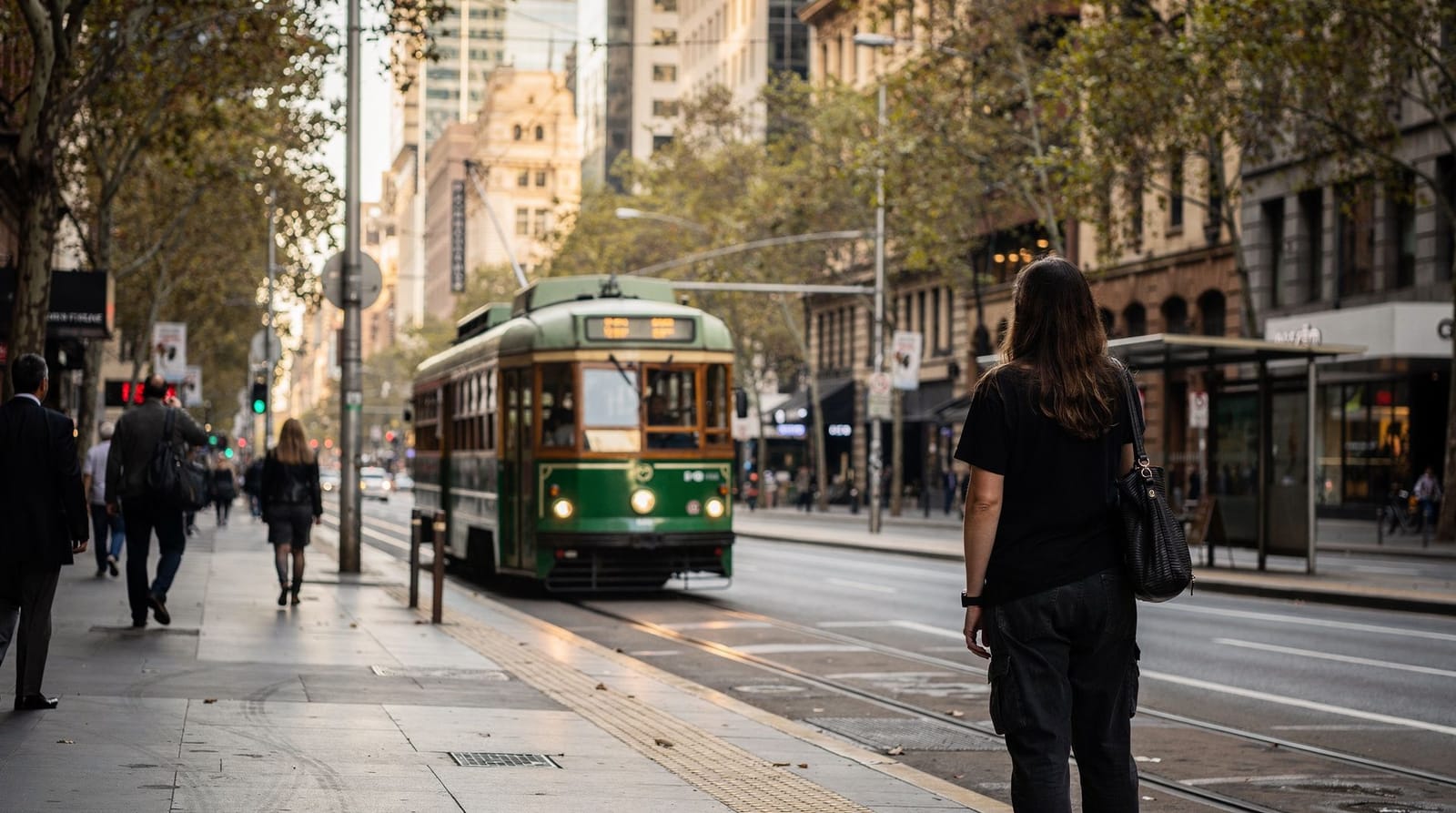
Queen Victoria Market sits an easy walk or short tram ride from the CBD, with several tram routes stopping directly outside on Elizabeth Street. Footscray Market is a short direct train ride from Southern Cross Station (around 10-12 minutes), while Prahran Market is best reached via tram or a short train ride to Prahran or South Yarra stations. Dandenong Market is furthest out, requiring a longer train trip (around 45-50 minutes from the city) or a car — factor this into your day if you’re planning to combine it with anything else, since it’s less of a quick add-on than the more central markets.
How to plan a market-focused day
Queen Victoria Market alone is easily a two-to-three-hour visit if you’re eating your way through the deli hall and produce sheds rather than just browsing. Pairing it with a laneway coffee stop beforehand or a Footscray visit afterward (a short train ride) makes for a genuinely full, food-focused day without needing a car. If you’re staying longer, add Prahran Market on a separate morning for a smaller, more relaxed comparison to Queen Victoria Market’s scale.
Combining markets with other Melbourne highlights
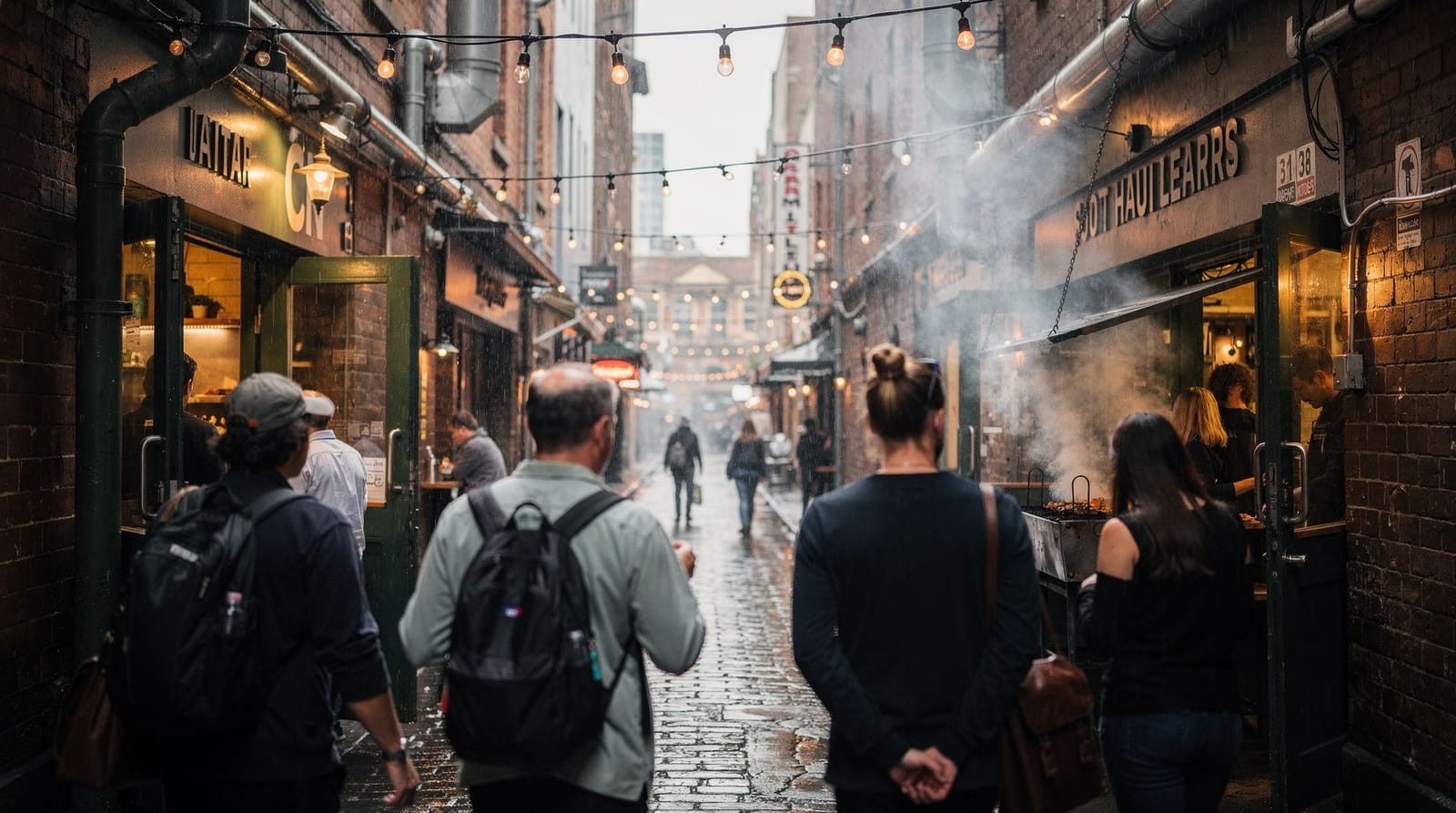
Queen Victoria Market sits close enough to the CBD’s laneway network that a morning market visit flows naturally into an afternoon spent wandering Hosier Lane and the surrounding laneways, without needing a separate trip across town. Footscray Market pairs just as naturally with lunch in the area’s Little Saigon food strip, effectively turning a market visit into a half-day food itinerary rather than a standalone stop. If you’re building a broader food-and-market day, our full food guide covers how to sequence markets, laneway cafés and neighbourhood dining across a single day without doubling back on yourself. A market morning also fits naturally into a day of free things to do, since browsing costs nothing even if you end up spending on lunch.
Frequently asked questions about Melbourne’s markets
What is Melbourne’s most famous market?
Queen Victoria Market, dating to 1878, is the largest and best known, covering two city blocks with deli halls, produce sheds and a general goods section on the CBD’s northern edge.
Is Footscray Market worth visiting?
Yes, particularly if you want a less touristy, more genuinely local market experience — it serves Footscray’s large Vietnamese and Asian community and pairs well with a visit to the area’s food strip.
When is the Queen Victoria Market Night Market?
The Wednesday Night Market runs over the summer months, adding food stalls, live music and craft stands to the market’s usual daytime offering — check current seasonal dates before planning around it.
Are Melbourne’s markets good value?
Generally yes, particularly Queen Victoria Market’s produce sheds and Footscray Market, both of which consistently undercut CBD supermarket prices for fresh produce.
Do Melbourne markets take cash or card?
Most stalls at Queen Victoria Market and the other major markets now accept card payments, though some smaller produce and craft stalls remain cash-preferred or cash-only — carrying a small amount of cash is a sensible backup regardless of which market you’re visiting.
Is Queen Victoria Market open every day?
No — it’s closed on Mondays and Wednesdays (outside the summer Wednesday Night Market season), so check current trading days before planning a visit around it, particularly if your Melbourne stay is short and you only have one opportunity to go.
Can you bargain at Melbourne’s markets?
Not really, outside of small end-of-day discounts on perishable produce that a stallholder offers unprompted. Bargaining isn’t part of the culture here the way it might be at markets in other countries, and pushing for a discount is generally not expected or well received.
Which market is best for a quick, low-cost morning?
Queen Victoria Market — it’s the easiest to reach from central accommodation, browsing is free, and you can eat well from the deli hall and produce sheds for the cost of a market breakfast.
Do I need to book anything for a market visit?
No — every market in this guide is walk-up, though a guided Queen Victoria Market food tour is worth booking if you want a curated introduction to the deli hall’s best stalls rather than browsing blind.