The Great Ocean Road in one day: is it worth it
Yes, but “in one day” means an 11-13 hour day, not a leisurely outing
Anyone researching this trip deserves a straight answer up front rather than marketing language dressing up a genuinely long day as effortless, so this guide leads with the honest time commitment before getting into how to make the most of it.
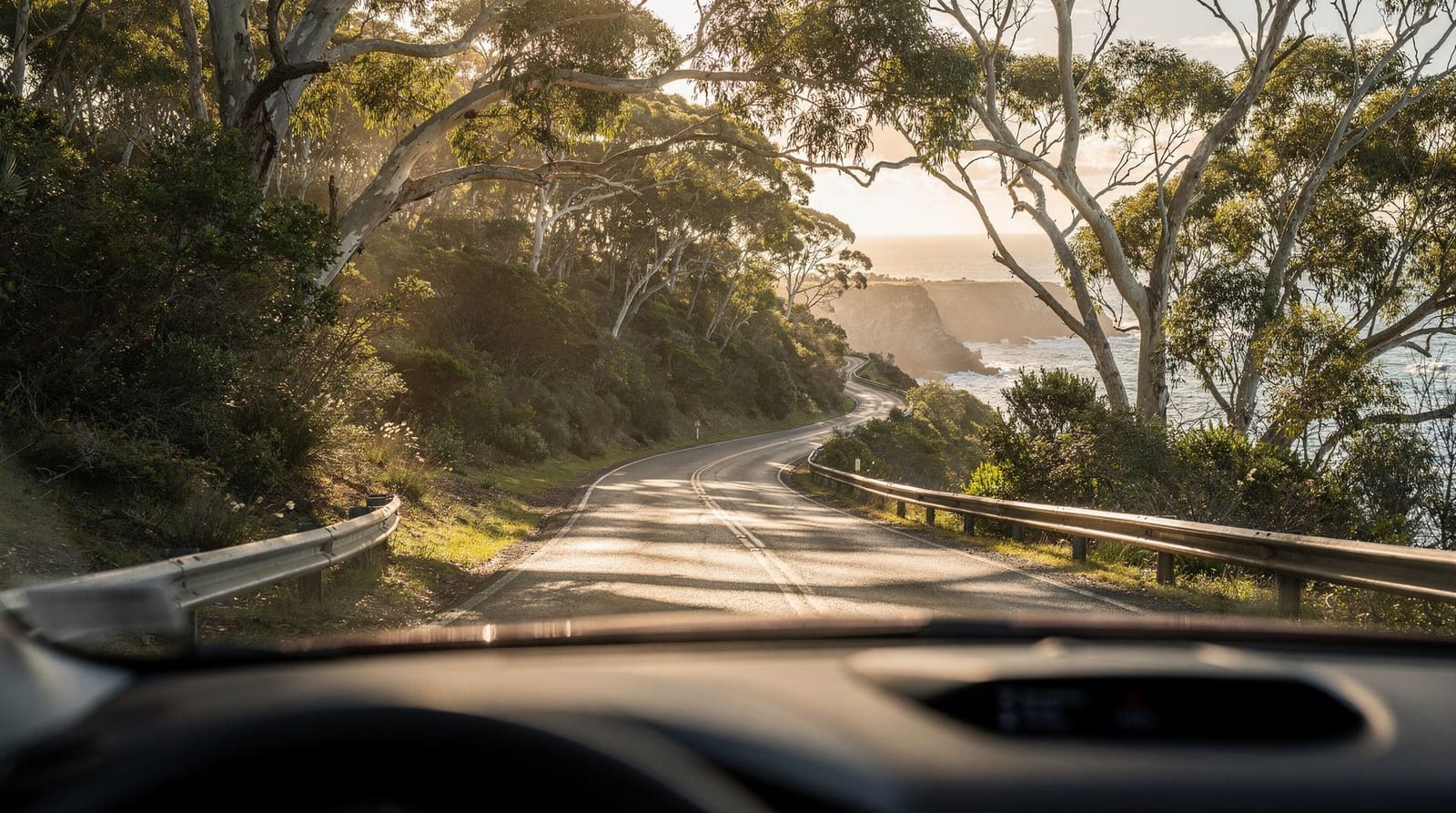
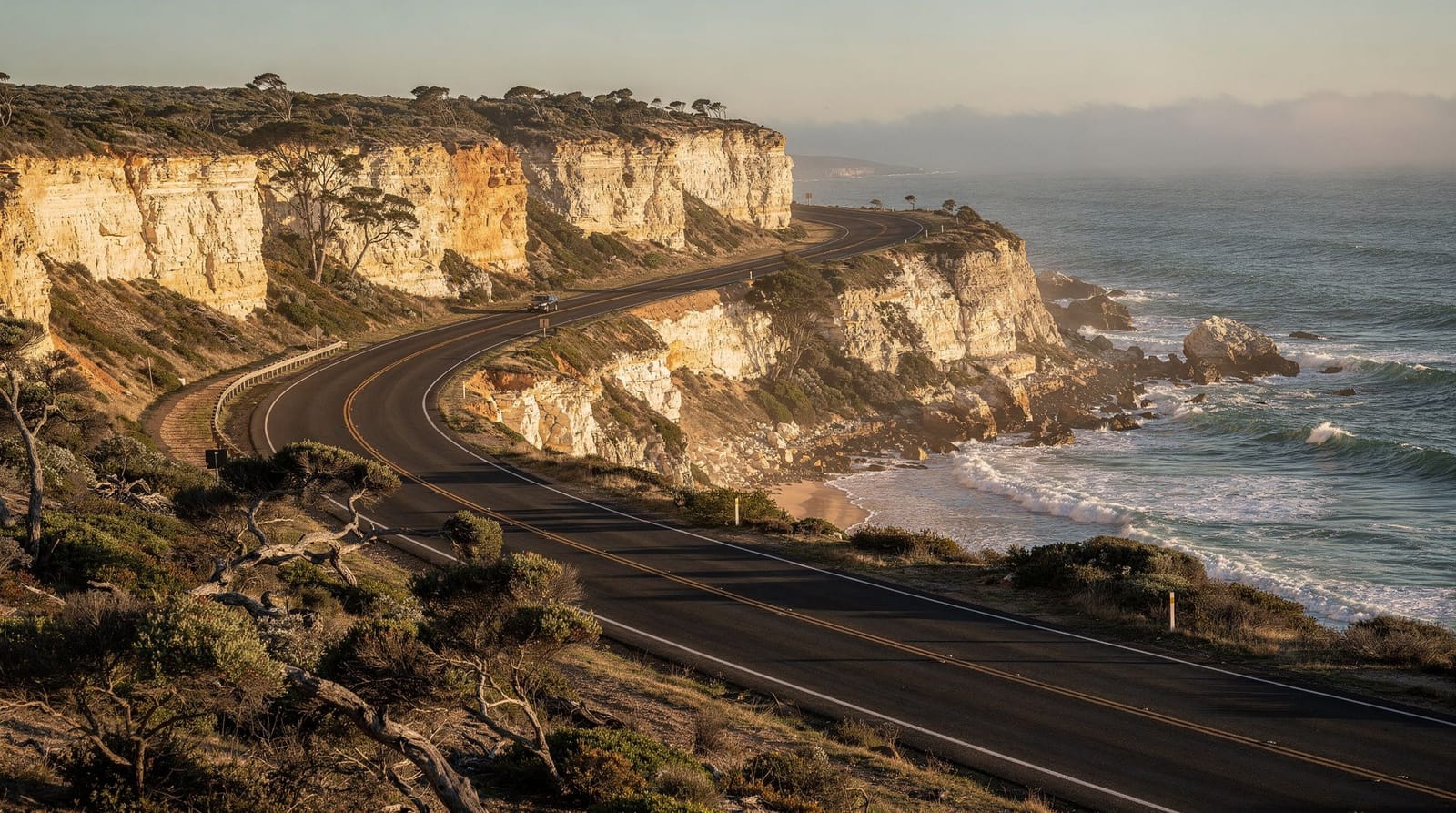
The Great Ocean Road runs roughly 240km along Victoria’s southwest coast from Torquay to Allansford, with the Twelve Apostles limestone stacks near Port Campbell as its best-known landmark — about 3 hours from Melbourne one way by the coastal route. A one-day round trip covering Melbourne to the Apostles and back realistically takes 11-13 hours door to door, most of it driving, with only a handful of proper stops. It’s worth doing once, and most visitors who do it don’t regret it, but go in knowing it’s a long day of driving with scenery breaks, not a relaxed coastal wander.
| Time needed | 11-13 hours door to door, round trip |
| Cost | tours around 150-220 AUD/person; self-drive cheaper split across a group |
| Departs | typically 7-8am, returns 7-9pm |
| Best light | late afternoon at the Twelve Apostles |
| Getting there | self-drive or a coach/minibus day tour |
Where the “one day” question comes from
The Great Ocean Road is consistently ranked among Australia’s most iconic drives internationally, comparable in reputation to California’s Pacific Coast Highway or Ireland’s Wild Atlantic Way, and much of the demand for a single-day version comes from travellers with a tight overall Australia itinerary who want to tick off the experience without committing a full separate multi-day road trip to it. That’s a legitimate way to approach it, provided the time trade-off (depth versus convenience) is understood going in rather than discovered partway through an exhausting day.
What a realistic one-day itinerary actually looks like
Most one-day trips (self-drive or organised tour) leave Melbourne between 7am and 8am and don’t return until 7pm-9pm. The typical stop sequence is: Geelong (bypass or brief stop), Bells Beach and Torquay (surf culture, a quick photo stop), Lorne (coffee or an early lunch), the Otways rainforest (a short detour to the Great Otway National Park’s Maits Rest boardwalk or the Otway Fly treetop walk if time allows), Apollo Bay (fuel and a break), and finally the Twelve Apostles and Loch Ard Gorge near Port Campbell — the payoff most people are actually doing the drive for.
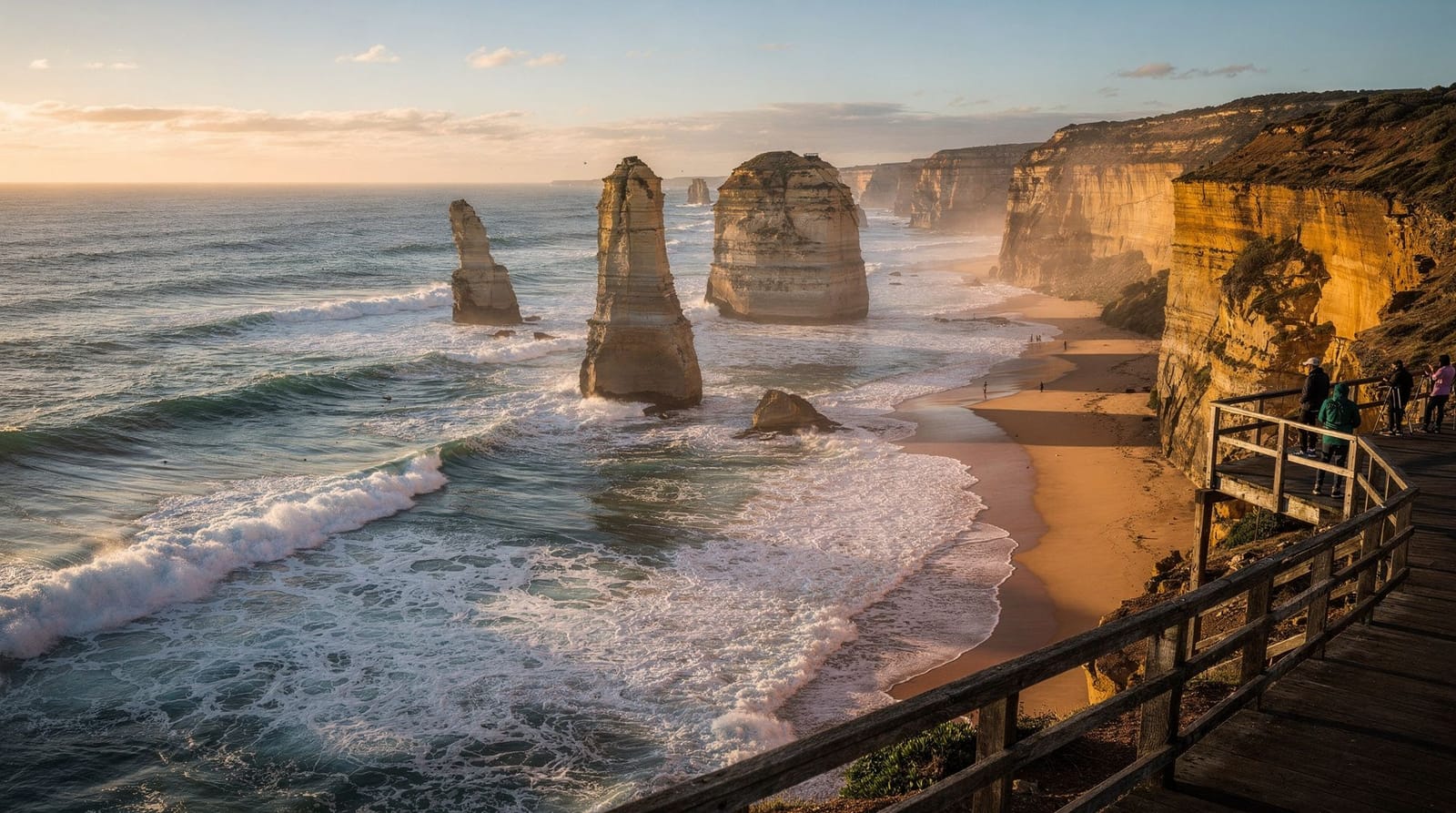 From melbourne great ocean road 12 apostles tourCheck availability
Tour vs self-drive for a single day
A guided full-day coach or minibus tour (roughly 150-220 AUD per person) removes the stress of narrow, winding roads and lets everyone actually look at the ocean rather than the driver watching the road, which matters more here than on most day trips — the coastal sections have tight bends and limited overtaking room. It also usually includes a fixed, efficient stop sequence designed around light and crowd timing at the Apostles. Self-driving costs less if you’re splitting fuel and a rental car three or four ways, and gives you flexibility to linger somewhere that catches your eye, but it demands a confident, rested driver on unfamiliar left-hand-drive roads for a very long day. Our full tour vs. self-drive comparison weighs this in more depth, and our self-drive guide and driving tips guide both cover the practicalities if you go that route.
| Guided tour | Self-drive | |
|---|---|---|
| Cost | ~150-220 AUD/person | cheaper split across a group of 3-4 |
| Stress | none — someone else drives | demanding on narrow coastal roads |
| Flexibility | fixed stop sequence | full control of pace and stops |
| Best for | solo travellers, first-time left-hand drivers | confident drivers wanting to linger |
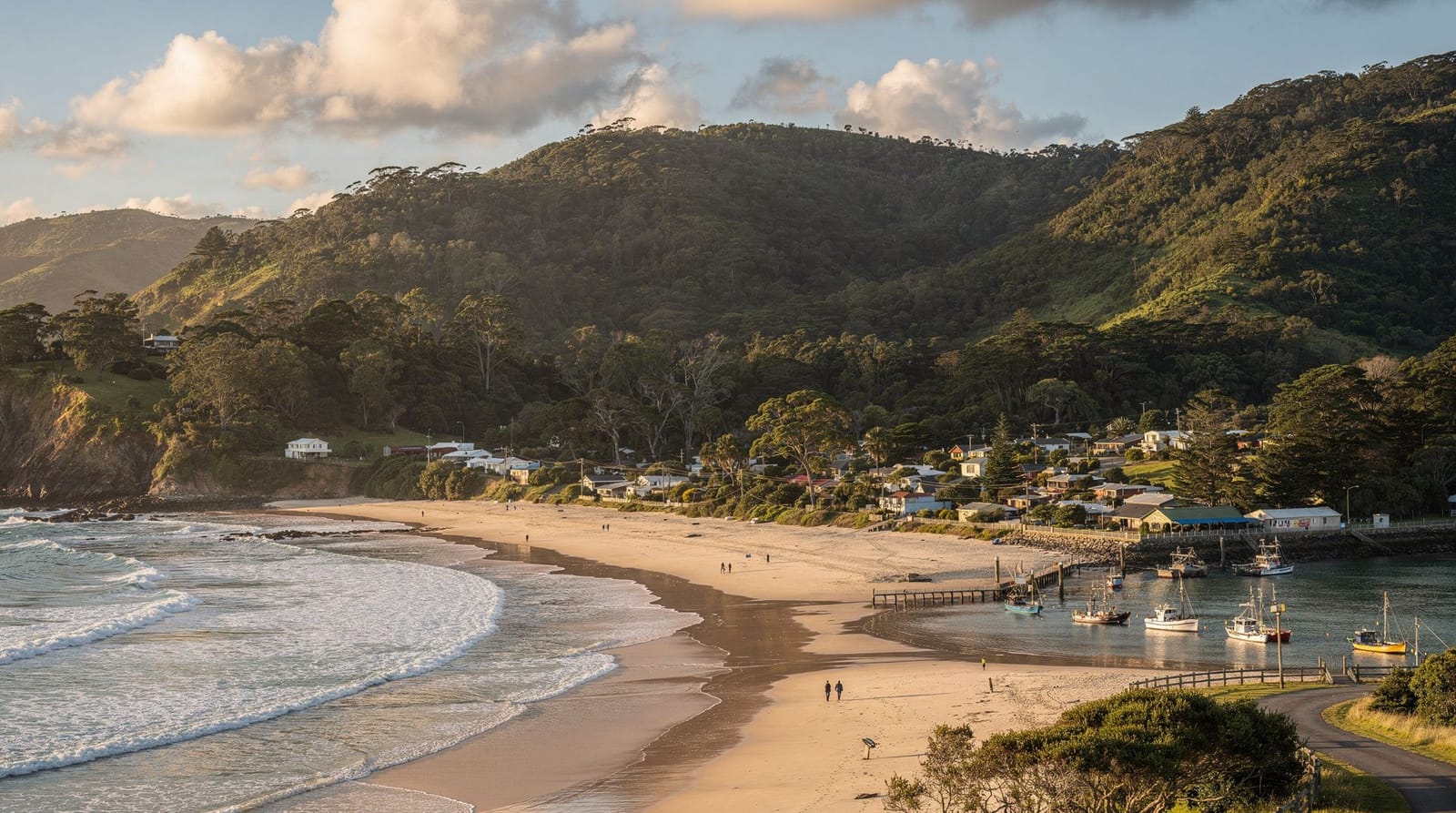 Great ocean road classic full day tour from melbourneCheck availability
What most people remember afterward
Ask past visitors what actually stuck with them from a one-day Great Ocean Road trip, and it’s rarely the driving itself — it’s a specific moment at the Apostles (the scale of the stacks against the ocean, a particular light condition) or an unplanned stop along the way (a koala spotted in a roadside tree, an unexpectedly good coffee in Lorne) rather than the itinerary as a whole. Going in expecting a few standout moments rather than a uniformly spectacular day tends to produce a more satisfying trip.
The “clockwise vs anti-clockwise” question
Most self-guided drivers instinctively go clockwise (Melbourne → Torquay → Twelve Apostles → return inland via the Princes Highway), which puts you at the Apostles in the early-to-mid afternoon under harsher light and among the thickest crowds, since every other tour and rental car is doing the same loop at the same time. Reverse-direction tours that go inland first and arrive at the Apostles in late afternoon or around sunset tend to hit noticeably thinner crowds and better light — worth specifically seeking out if photography matters to you.
a reverse-route Great Ocean Road tourWhat you’ll have to skip in a single day
Realistically, a one-day trip means you won’t have time to properly walk the Otway Fly treetop canopy, spend a full afternoon in Apollo Bay, visit Cape Otway Lighthouse, or explore Port Campbell beyond the main Apostles viewing platforms. If any of those specifically interest you, a two-day trip with an overnight in Apollo Bay or Port Campbell is a meaningfully better version of this trip — worth considering if your schedule has any flexibility at all. Our Great Otway National Park guide covers what a fuller rainforest visit actually involves if you decide the extra day is worth it.
Weather and seasonal considerations for a single day
Coastal weather along the Great Ocean Road can differ meaningfully from Melbourne’s forecast on the same day, given the route’s direct exposure to Southern Ocean systems — a mild, sunny Melbourne morning doesn’t guarantee the same conditions at the Apostles three hours away. Wind is a near-constant factor at the exposed viewing platforms regardless of season, so a windproof layer is worth packing even on a forecast-calm day. Winter (June-August) brings shorter daylight, meaning an earlier turnaround time is built into most tours, while summer’s longer days allow more flexibility but also bring the thickest crowds.
What a photographer should know
If photography is a priority, the reverse-route timing advantage compounds with a few other factors: the Apostles face roughly south, meaning the classic dawn or dusk light angles differ from what first-time visitors sometimes expect, and the main viewing platform gets genuinely crowded in the hour either side of any tour bus’s scheduled stop. Arriving slightly earlier or later than the bulk of clockwise day-trippers, even by 20-30 minutes, meaningfully reduces the number of people in a wide shot.
Is it actually worth doing in a single day?
Yes, with the right expectations. The Twelve Apostles and Loch Ard Gorge genuinely deliver on their reputation, and the coastal drive itself — cliffs, beaches and rainforest changing constantly — is worthwhile scenery even from a moving vehicle. What you’re trading for the convenience of a single day is depth: you’ll see the highlights and spend very little unhurried time at any one of them.
If you have any flexibility to add a second day, it consistently produces a better experience for a relatively modest extra cost. For a fuller take on whether the whole drive lives up to the hype, see our dedicated is the Great Ocean Road worth it guide, and if you’re weighing it against Melbourne’s other regional options, our best day trips from Melbourne guide puts it in context. It also slots naturally into a longer stay — see our 3-day Melbourne itinerary for how one day trip fits around city time.
Frequently asked questions about the Great Ocean Road in one day
How long does the Great Ocean Road take in one day from Melbourne?
Budget 11-13 hours door to door for a round trip to the Twelve Apostles and back, including stops. Most tours and self-drives leave by 7-8am and return by 7-9pm.
Is it better to drive the Great Ocean Road yourself or take a tour?
A tour is more relaxing on a single-day trip because of the narrow, winding coastal roads — you get to look at the scenery instead of watching the road. Self-driving costs less and offers more flexibility but demands a confident, rested driver for a very long day.
What’s the best time of day to see the Twelve Apostles?
Late afternoon or close to sunset gives softer light and thinner crowds than the early-to-mid-afternoon window most clockwise day trips arrive in. A reverse-route tour is the easiest way to get this timing without early-morning driving.
Can you do the Great Ocean Road without a car?
Yes — organised day tours from Melbourne cover the full route by coach or minibus, and are the most practical option if you don’t want to drive or don’t have an international licence valid in Victoria.
Does the weather at the Twelve Apostles match Melbourne’s forecast?
Not necessarily — the coast is directly exposed to Southern Ocean weather systems and can differ meaningfully from conditions in Melbourne on the same day. Wind in particular is a near-constant factor at the viewing platforms regardless of season.
What’s the best time of year for photography at the Twelve Apostles?
Any season works, but timing within the day matters more than the season itself — arriving outside the main clockwise tour bus window (early-to-mid afternoon) gives noticeably less crowded shots, whether that’s an early morning or a reverse-route late afternoon visit.
Is a two-day Great Ocean Road trip better than one day?
Generally yes, if your schedule allows — it adds proper time for the Otway Fly, Apollo Bay, and unhurried stops at each lookout, producing a meaningfully richer experience than the single-day version’s necessarily compressed pace.
Is the Great Ocean Road worth it if I only have one day?
Yes, with the right expectations — see our is it worth it guide for a fuller honest breakdown, but the short version is that the Twelve Apostles deliver even on a compressed single-day itinerary.
How does a one-day trip fit into a longer Melbourne itinerary?
It works well as one day within a longer stay — see our 3-day Melbourne itinerary for how to build a Great Ocean Road day around city time, or our best day trips guide if you’re still deciding between regional options.