Four seasons in one day: Melbourne's weather, explained
It’s not a slogan — Melbourne’s weather genuinely swings within hours
Understanding this pattern before you arrive, rather than discovering it the hard way on day one, changes how you pack and plan for the entire trip, which is why it’s worth treating as a genuine planning input rather than a quirky bit of local colour to mention in passing.
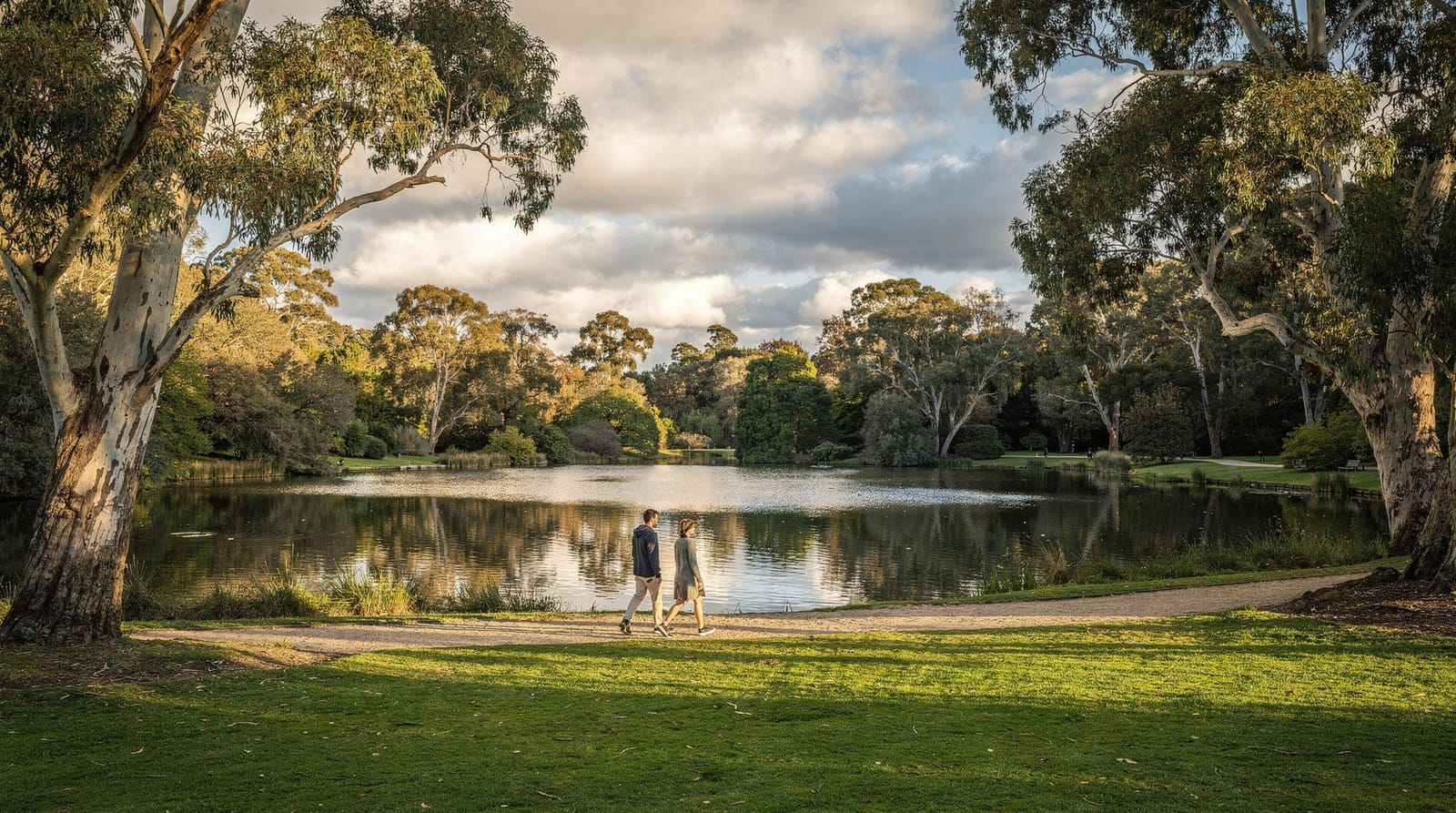
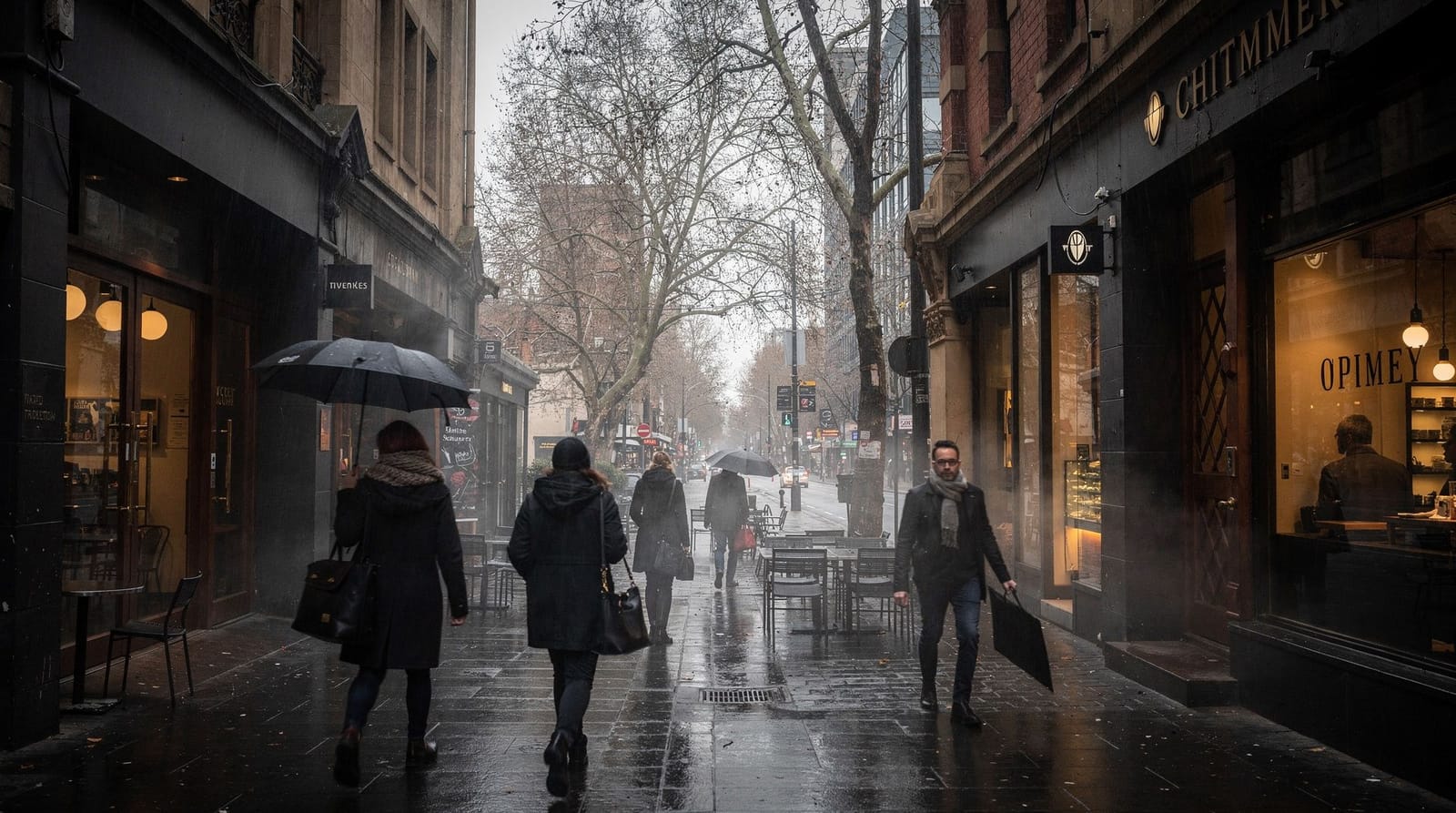
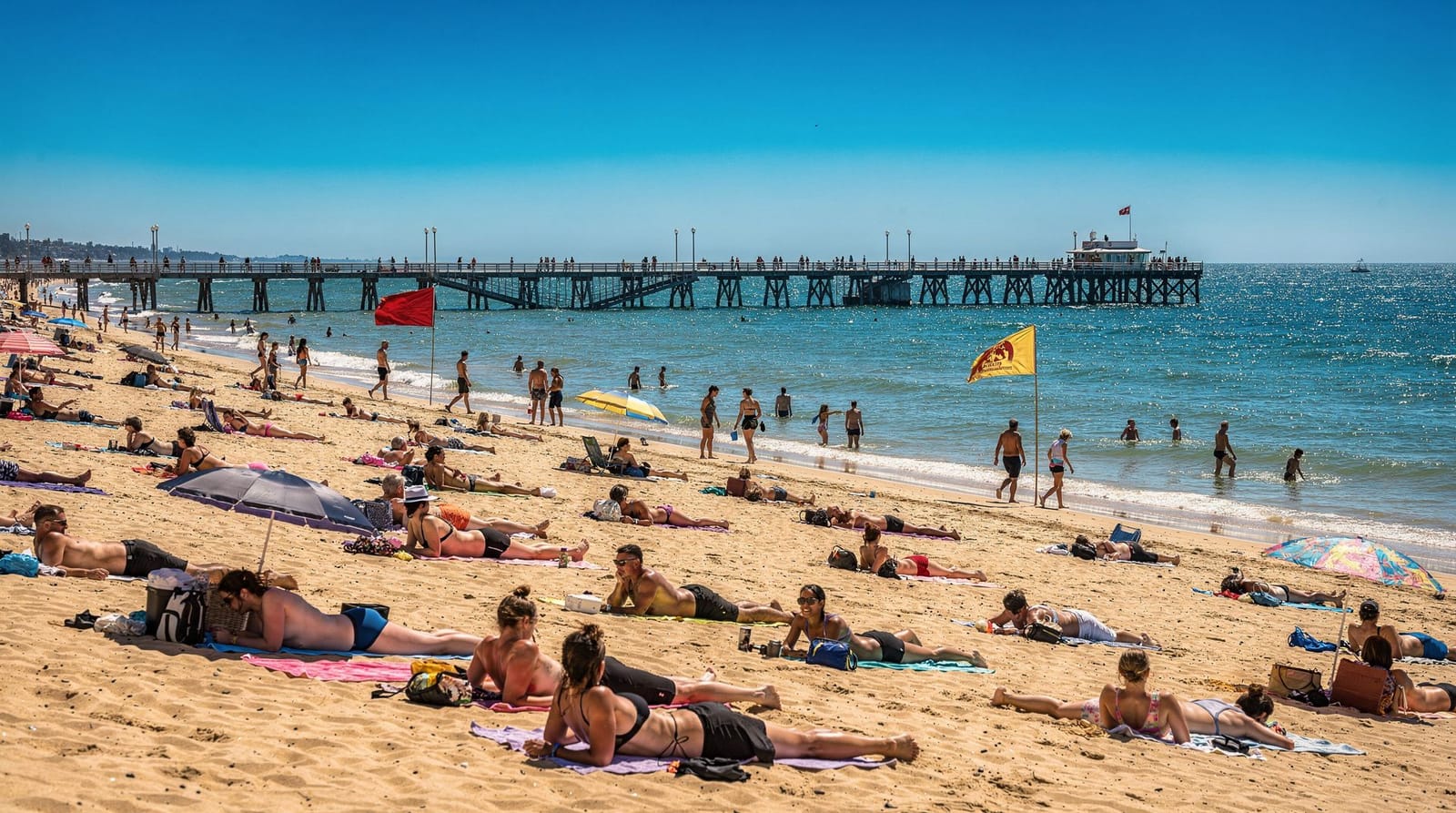
“Four seasons in one day” is one of the more accurate pieces of tourism cliché you’ll encounter — Melbourne’s weather really does shift dramatically within a single day, in every season, not just occasionally. A 25°C sunny morning can turn into a 12°C, windy, rain-soaked afternoon within a few hours, and it happens often enough that locals genuinely plan around it as routine rather than exceptional.
| Typical swing | 10-15°C within a couple of hours |
| Most extreme seasons | spring and summer |
| Most stable season | autumn |
| Pack | layers + a genuinely waterproof outer layer |
| Check | hourly forecast, not just the daily high/low |
A visitor’s first encounter with the pattern
Most first-time visitors experience this within their opening day or two — a bright, warm morning spent in a t-shirt at Queen Victoria Market can turn, by mid-afternoon, into a scramble for a jacket and shelter from sudden rain while walking through the CBD. This isn’t a sign of unusually bad luck or an atypical day; it’s simply how Melbourne’s weather behaves often enough that it barely registers as remarkable to residents, even as it catches unprepared visitors genuinely off guard.
Why it happens
Melbourne sits at the point where warm air moving down from inland Australia meets cold fronts sweeping up from the Southern Ocean and Antarctica, with Port Phillip Bay’s temperature adding its own local effect on top. When a cold front pushes through, temperatures can drop 10-15°C within an hour or two, often accompanied by a sudden wind change and rain. This pattern is most dramatic in spring and summer, when the temperature gap between the air masses colliding is largest, but it’s present year-round to some degree.
What this means for packing
The single most useful packing principle for Melbourne, in any season, is layers over a single “seasonal” outfit. A base layer, a jumper or fleece, and a genuinely wind- and water-resistant outer layer cover almost every scenario you’ll encounter. Don’t pack based on the forecast high or low temperature alone — pack based on the full daily range, which in Melbourne is routinely 10°C or more wider than cities with more stable climates. Our full Melbourne packing guide goes item by item if you want a complete list rather than just the general principle.
How it affects day trips
This matters more for outdoor day trips than for city wandering, since you can duck into a café or gallery in the CBD but you’re more exposed on a Great Ocean Road drive or a Grampians hike. Check the forecast the morning of, not the night before, and build in flexibility — if a trip is weather-dependent (a lookout view, a coastal walk), have a backup plan for a sudden change.
A note on humidity
Beyond temperature swings, Melbourne’s humidity also shifts noticeably through a changeable day — a muggy, close morning can turn dry and breezy within hours as a cool change moves through, which affects how the same air temperature actually feels on the skin. This is part of why relying purely on a temperature reading, rather than the fuller forecast, can be misleading here more than in climates with steadier humidity patterns.
The seasons where it’s most extreme
Spring (September-November) and summer (December-February) see the most dramatic single-day swings, since this is when hot, dry air from inland Australia most frequently collides with cool changes off the Southern Ocean. Winter (June-August) is more consistently cool and often just steadily grey rather than swinging as wildly, though sudden showers are still common. Autumn (March-May), widely considered Melbourne’s most stable season, still has occasional sharp changes but with a narrower overall range. Our best time to visit Melbourne guide goes deeper on choosing a season based on more than just weather stability, and the winter guide and summer guide each cover season-specific packing and planning in more depth.
| Season | Typical swing | Character |
|---|---|---|
| Spring (Sep-Nov) | most dramatic | hot/cold collisions common, pack for anything |
| Summer (Dec-Feb) | large, sudden cool changes | heatwave-to-cold within 24hrs possible |
| Autumn (Mar-May) | narrowest range | Melbourne’s most stable season |
| Winter (Jun-Aug) | steadier, consistently cool | grey and wet more than wildly swinging |
A few honest examples
A 40°C-plus heatwave day in Melbourne is frequently followed, within 24 hours, by a “cool change” that drops the temperature below 20°C and brings strong southerly winds — this pattern is common enough in summer that locals have a specific vocabulary for it. In winter, a bright, cold morning can turn to sleeting rain by lunch and clear again by evening, all within the same day.
Where the phrase actually comes from
The saying “four seasons in one day” is widely associated with Melbourne specifically, popularised in part by a well-known 1990s song of the same name by Melbourne band Crowded House, though the band themselves have noted the phrase existed as local shorthand for the city’s weather before the song. Locals use it constantly and without irony — it’s less a marketing slogan invented for tourists than a piece of genuine, long-standing local vocabulary that happens to also work well in tourism material because it’s simply accurate.
How Melbourne’s weather compares to the rest of Australia
Visitors combining a Melbourne trip with other Australian destinations sometimes assume the whole country shares this changeable pattern — it doesn’t. Sydney’s climate is considerably more stable and predictable across a given week, and tropical destinations further north (Cairns, Darwin) run on entirely different wet-season and dry-season patterns rather than Melbourne’s rapid daily swings. Melbourne’s particular volatility is a function of its specific geography — the collision point of inland and Southern Ocean air masses — rather than a general Australian trait, so don’t assume lessons learned packing for Melbourne apply automatically to the rest of a multi-city Australian itinerary.
Checking forecasts the smart way
Because a single-point forecast (today’s high, today’s low) hides Melbourne’s real risk — the swing within the day — it’s worth checking an hourly forecast rather than just the daily summary before heading out, particularly for an outdoor-heavy day. Several Australian weather services provide detailed hourly breakdowns that flag likely wind changes and rain windows more usefully than a single daily icon and temperature range.
Practical rules for visitors
Always carry a compact rain layer, even on a forecast-sunny day. Wear closed shoes rather than sandals for anything beyond a beach day, since sudden rain makes footpaths slippery. If you’re planning a single outdoor day trip with only one shot at good weather (a Great Ocean Road drive, a hot air balloon flight over the Yarra Valley), build in a backup date if your schedule allows, since a single day’s forecast here is a less reliable planning tool than in most cities.
a Yarra Valley hot air balloon flight (weather-dependent, so build in flexibility)Keeping a plan B in your pocket
The easiest way to live with a changeable day is to pair every outdoor plan with an indoor one nearby. In the CBD that is simple: the Free Tram Zone makes it easy to hop from a wet street to a dry gallery, and the National Gallery of Victoria, the State Library and the Melbourne Museum all give you a few unhurried hours under cover. Our rainy day ideas for families work just as well for adults who are caught out.
The arcades and laneways are another natural shelter. The arcades and laneways guide shows where a covered stretch can turn a downpour into part of the wander, and a good café is never far away if you would rather wait out a shower with a coffee in hand.
Seeing the city on foot, whatever the sky does
Guided walks are a good way to handle this weather, because a local guide can adjust the route, slow down, or duck into a doorway when the sky changes. If you like the idea, a guided walking tour of the city highlights is a gentle way to get your bearings on day one, and it pairs well with the laneways walking tour if you prefer to explore at your own pace. Whichever you choose, keep the compact rain layer from above in your bag.
If you are still shaping the trip, our one-day Melbourne itinerary and the getting around Melbourne guide help you build a day with enough flexibility to absorb a change in the weather.
Frequently asked questions about Melbourne’s weather
Why does Melbourne have such changeable weather?
It sits where warm inland air masses meet cold fronts from the Southern Ocean, with Port Phillip Bay adding a local temperature effect — the collision of these systems can shift conditions by 10-15°C within a couple of hours.
What season has the most dramatic weather swings in Melbourne?
Spring and summer see the sharpest single-day changes, since the temperature gap between colliding air masses is largest then. Autumn is generally the most stable season.
How should I pack for Melbourne’s weather?
Pack in layers regardless of season — a base layer, a warm mid layer, and a genuinely waterproof (not just water-resistant) outer layer cover the vast majority of what you’ll encounter.
Does Melbourne’s changeable weather affect outdoor day trips?
Yes, more than city-centre plans, since you’re more exposed on trips like the Great Ocean Road or Grampians. Check forecasts the morning of departure and build in flexibility where the schedule allows.
Where does the phrase “four seasons in one day” come from?
It’s long-standing Melbourne shorthand for the city’s changeable weather, popularised further by a 1990s Crowded House song of the same name, though locals were already using the phrase before the song existed.
Does the rest of Australia have the same changeable weather as Melbourne?
No — Melbourne’s rapid daily swings are a function of its specific geography, where inland warm air meets cold Southern Ocean fronts. Sydney’s climate is considerably more stable, and tropical northern Australia runs on entirely different wet and dry seasons.
Should I check an hourly or daily weather forecast in Melbourne?
Hourly, if possible — a single daily high and low hides the within-day swings that actually catch visitors out. Several Australian weather services provide detailed hourly breakdowns that are more useful for planning an outdoor day here.
What should I pack for Melbourne given the changeable weather?
Layers, always — a base layer, a warm mid layer, and a genuinely waterproof outer layer. See our full packing guide for a complete item-by-item list beyond just the general principle.
Does the weather pattern affect activities like hot air ballooning?
Yes — weather-dependent activities like a Yarra Valley balloon flight can be affected by a sudden change, so operators build flexibility into bookings and it’s worth doing the same with your schedule if this is a must-do.