Best time to visit Melbourne
Melbourne runs on the opposite calendar to Europe and North America
If you’re used to planning around a Northern Hemisphere calendar, the first adjustment is mental: December is summer in Melbourne, June is winter, and the “shoulder seasons” of March-May and September-November swap places too. There is no single best month — the right answer depends on what you’re chasing. Autumn (March-May) gives the most reliably pleasant weather and the best light for photos in the Yarra Valley. Summer (December-February) is when the city is loudest, busiest and most expensive, with the Australian Open filling every hotel room in January.
| Best overall | autumn (March-May) — pleasant weather, moderate prices |
| Cheapest | winter (June-August) |
| Busiest/priciest | summer (December-February), especially January |
| For AFL | winter, March-September season |
| For Yarra Valley colour | autumn |
Winter (June-August) is the cheapest and quietest, and — because Melbourne’s identity leans hard on indoor culture, coffee and live sport — arguably the season the city itself is built for.
Summer: December to February
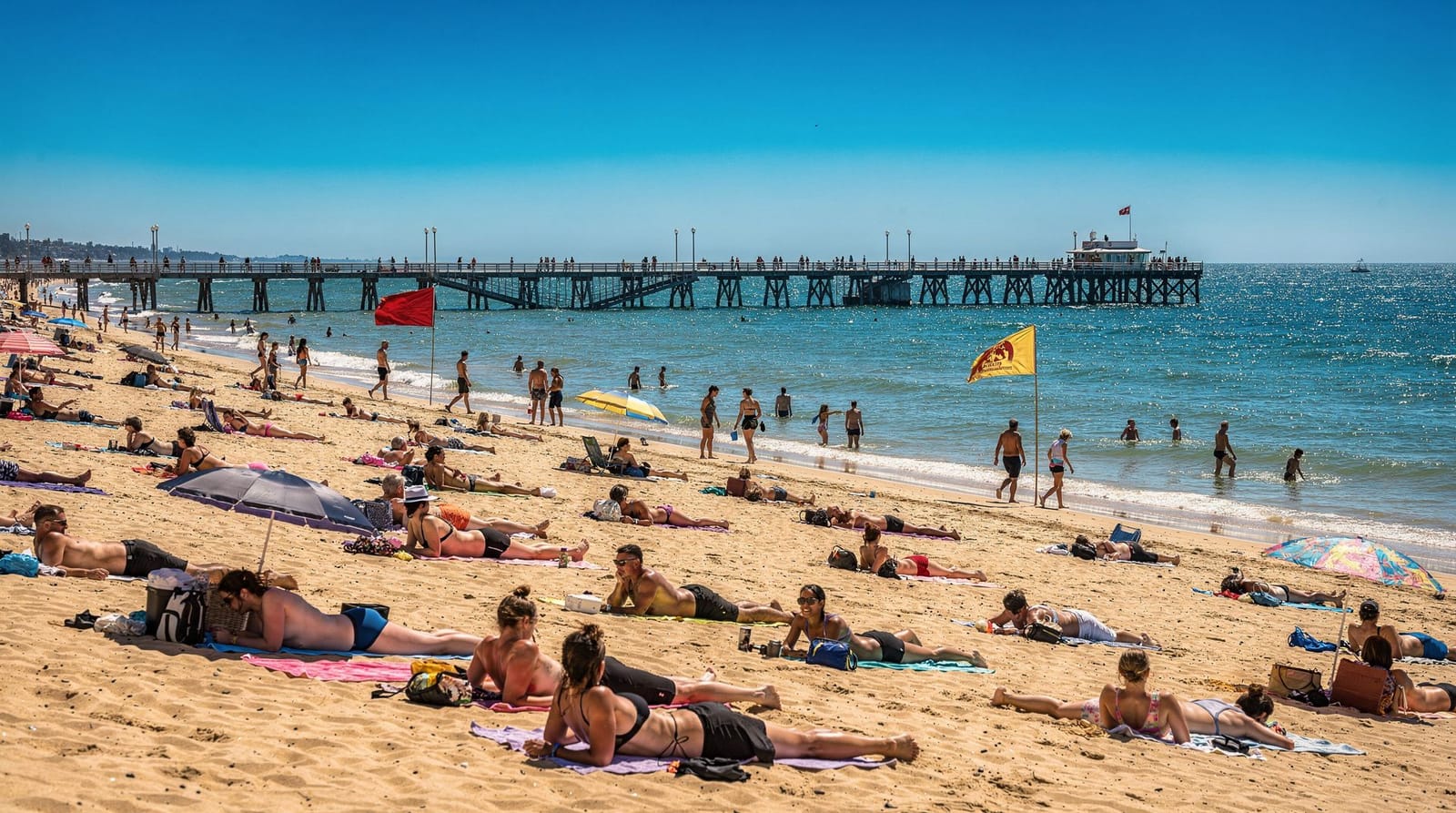
Summer is Melbourne’s peak season, and the reasons are obvious once you’re there: long daylight (sunset past 8:30pm in late December), beach weather at St Kilda and Brighton, and a packed events calendar. The Australian Open runs the last two weeks of January at Melbourne Park, and hotel rates across the city climb noticeably for that fortnight — book three to four months out if you want anything central under 250 AUD a night.
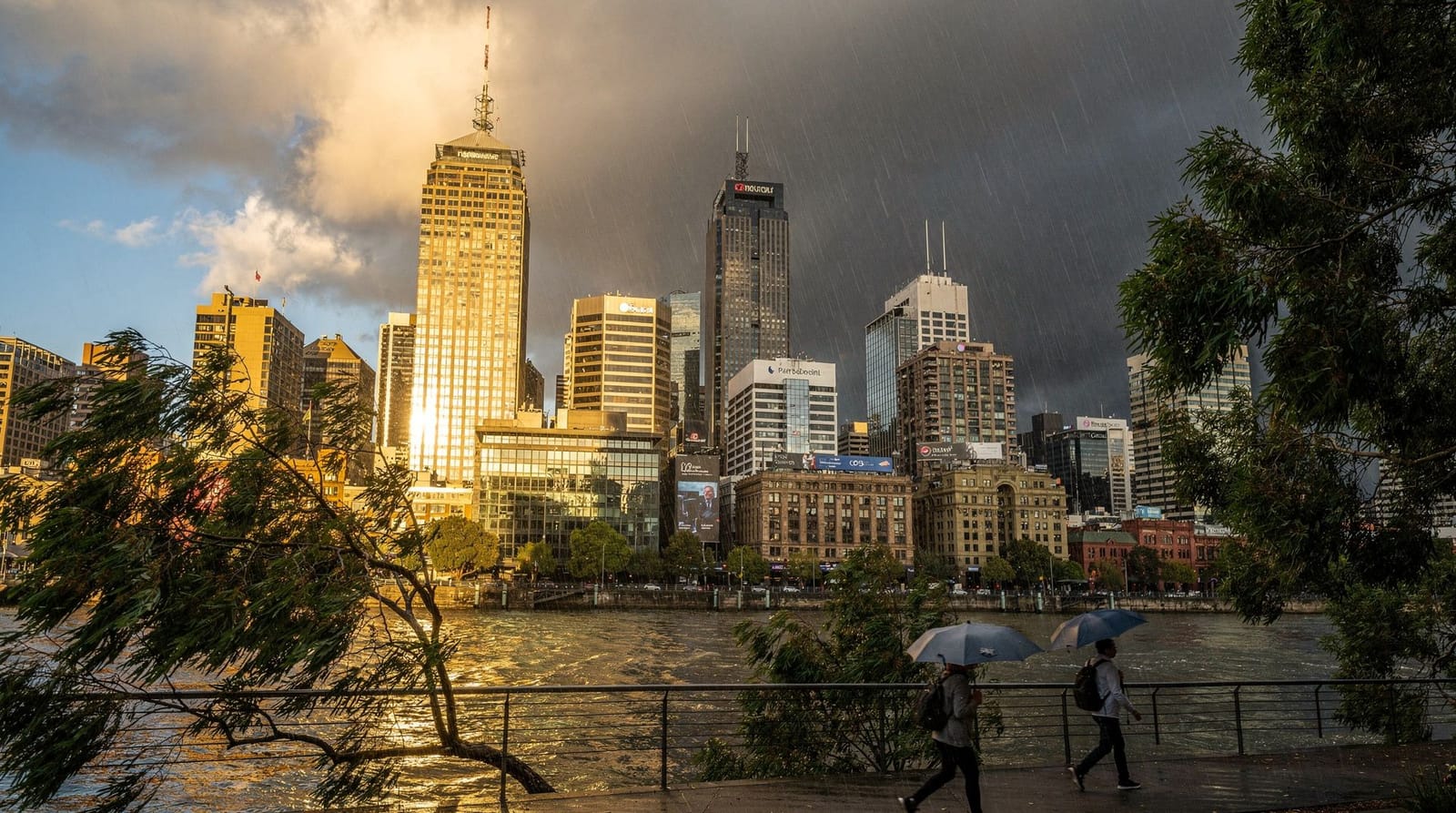
Temperatures average 14-25°C but Melbourne’s summer is genuinely erratic: a 40°C-plus heatwave day can be followed by a 10°C drop and rain within 24 hours, which is the same “four seasons in one day” pattern that defines the city’s weather in every season, just with higher stakes in summer (total fire ban days affect regional Victoria, including some Great Ocean Road and Grampians trails).
Late December through January is also the most crowded stretch for the Great Ocean Road and Phillip Island, since it overlaps school summer holidays. If you’re set on summer dates, book Penguin Parade tickets and any Great Ocean Road tour at least two to three weeks ahead.
Autumn: March to May
Most Melburnians and repeat visitors will tell you autumn is the best season, and the case is strong: daytime temperatures settle into a comfortable 15-25°C range, rainfall is moderate, and the notorious weather swings calm down slightly compared with spring and summer. It’s also when the Yarra Valley vineyards turn gold and red, and Melbourne’s food and wine calendar (Moomba in March, the Formula 1 Australian Grand Prix in March, the Comedy Festival in April) lines up without summer’s heat or crowd levels. Hotel prices sit below summer peaks but above winter lows, making March-May the value sweet spot for travellers who want good weather without paying peak-season rates.
a city highlights walking tour is a genuinely good autumn activity — comfortable walking temperatures without summer’s midday heat.
Winter: June to August
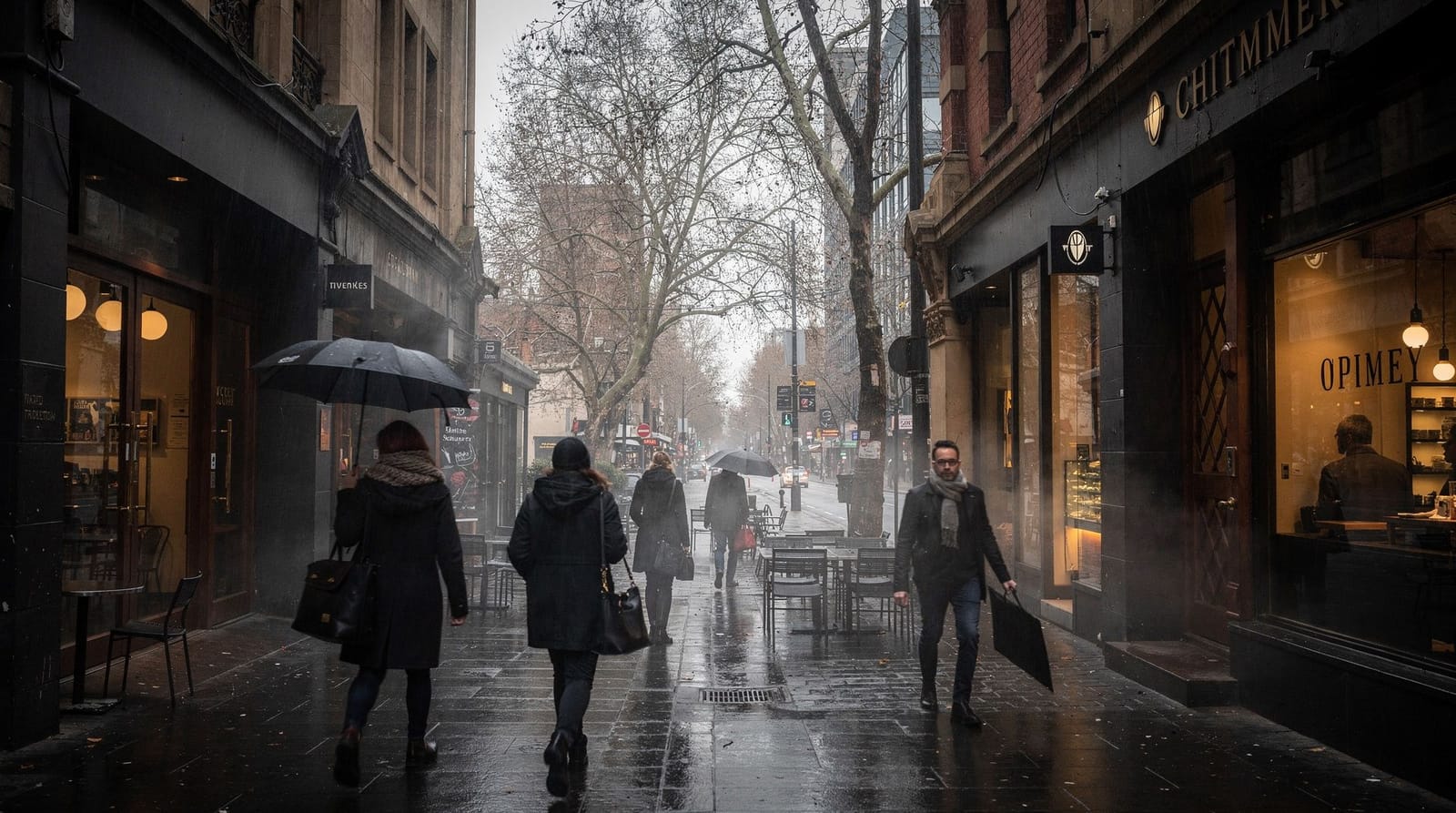
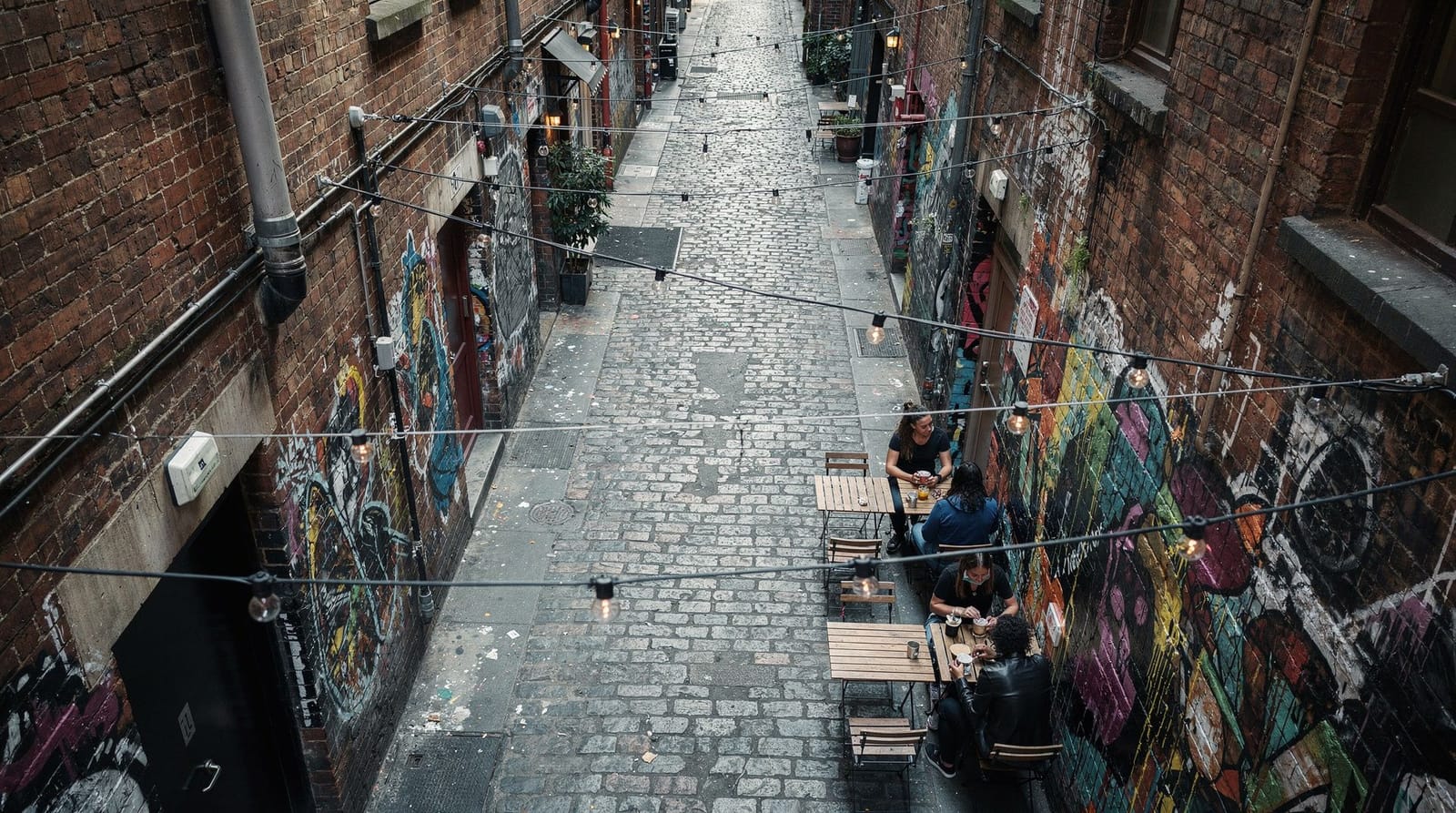
Winter is cool (daily highs 8-15°C), often grey and drizzly, and by far the cheapest and least crowded time to visit. It’s also, honestly, when Melbourne makes the most sense as a destination: this is a city built for laneway cafés, gallery afternoons and long dinners rather than beach days, and winter is when Australian Football League (AFL) season is in full swing — a Saturday afternoon at the MCG with 60,000-plus people is one of the more distinctive things you can do here, and it only happens April to September. Whale watching also picks up along the Victorian coast from around June.
Pack proper layers; Melbourne buildings are not always well-heated, and “cold and wet” outdoors can mean “still a bit chilly” indoors.
Spring: September to November
Spring brings the AFL Grand Final (last Saturday of September, a de facto public holiday in Melbourne) and the Spring Racing Carnival, headlined by the Melbourne Cup on the first Tuesday of November — genuinely a public holiday in metropolitan Melbourne. Weather is changeable and can swing from 12°C and rainy to 30°C within the same week, so this is the season to pack for every possibility rather than trust a single forecast. Crowds and prices sit between autumn and summer.
Month-by-month quick reference
| Month | Weather | Events / notes |
|---|---|---|
| January | hot | Australian Open — book everything early |
| February | still summer-hot | slightly quieter than January |
| March | cooling | F1 Grand Prix, Moomba Festival |
| April | reliably pleasant | Comedy Festival, good value |
| May | cool evenings | Yarra Valley autumn colour near its peak |
| June | cold, wet starting | AFL season underway, whale watching starts, cheapest rates |
| July | coldest month | school holiday bump mid-month |
| August | still cold, daylight lengthening | quiet for tourism |
| September | turning | AFL finals, Grand Final last Saturday |
| October | unpredictable, often warm | spring blooms at the Royal Botanic Gardens |
| November | warming toward summer | Melbourne Cup, Spring Racing Carnival |
| December | summer begins | school holidays from mid-month push prices up |
Choosing a season based on what you want most
If a specific interest is driving your trip more than general sightseeing, let it guide the season directly: wine lovers should lean toward autumn for the Yarra Valley’s harvest colours, sports fans toward winter for AFL season, families toward the school-holiday-free stretches of autumn or winter for a quieter city without the summer crowd surge, and anyone chasing warm beach days toward January and February despite the higher prices and heat risk that come with them.
How seasonal pricing actually plays out
Beyond the headline seasonal pattern, a few specific pricing quirks are worth knowing: the week around the AFL Grand Final (late September) sees a genuine price spike despite falling in the generally cheaper shoulder season, and Melbourne Cup week (early November) does the same despite spring not otherwise being peak season. Booking around, rather than during, these specific weeks can meaningfully reduce costs even within an otherwise mid-priced season.
What this means for a Great Ocean Road or Phillip Island trip
Outdoor day trips are workable year-round, but conditions change what you’ll actually see. The Great Ocean Road is at its greenest in spring and least crowded in winter, though winter days are shorter, meaning tour buses turn around earlier. Penguin Parade tickets exist every night of the year regardless of season — penguins come ashore nightly — but summer evenings mean a later start time (following sunset) and thicker crowds, while winter evenings start as early as 5:30pm.
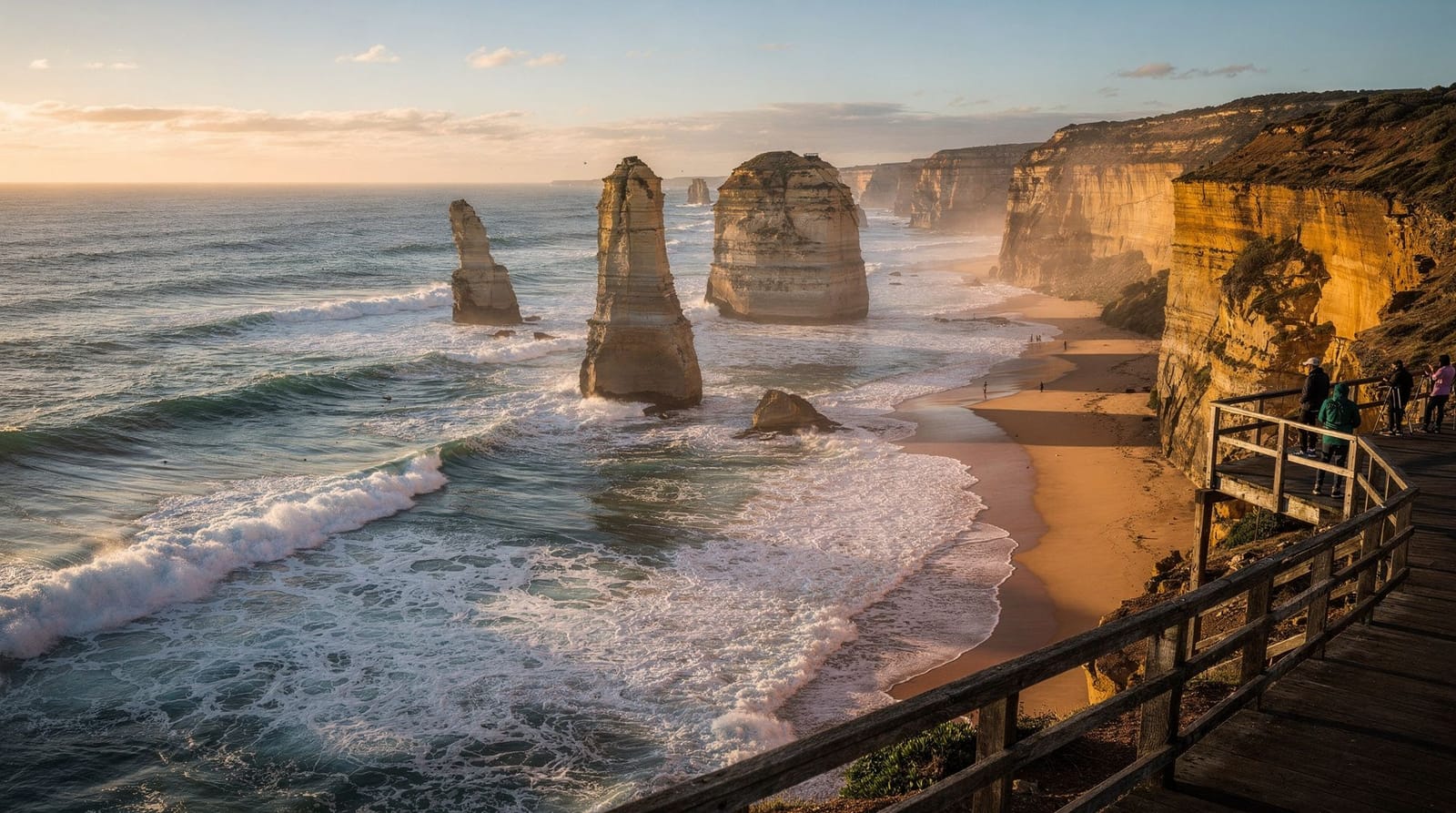 From melbourne great ocean road 12 apostles tourCheck availability
If your trip window is flexible, our how many days in Melbourne guide is worth reading alongside this one — the right season and the right trip length are decisions best made together rather than separately, since a shorter winter trip and a longer summer one can end up costing about the same.
Frequently asked questions about the best time to visit Melbourne
Is Melbourne worth visiting in winter?
Yes — winter (June-August) is when AFL football, indoor galleries and the laneway café scene are all running at full tilt, hotel prices are lowest, and there are no queues at major attractions. The trade-off is cool, often wet weather (8-15°C) and shorter daylight hours.
What is the cheapest month to visit Melbourne?
June and July typically have the lowest hotel rates and flight prices, outside of any specific event weekend. Avoid the AFL Grand Final weekend (late September) and Melbourne Cup week (early November), which spike prices even though they fall in shoulder seasons.
Does it rain a lot in Melbourne?
Melbourne gets moderate, fairly evenly distributed rainfall year-round (around 500-650mm annually) rather than a defined wet season — a light raincoat is more useful than an umbrella, since wind is frequent.
When is the Great Ocean Road least crowded?
Winter (June-August) sees the fewest coach tours and rental cars on the road, though some coastal walks and lookouts can be closed after storms. Weekday visits year-round are quieter than weekends regardless of season.
Is January too hot to visit Melbourne?
It can be — heatwave days above 35°C do happen, sometimes several in a row, though they’re usually broken by a sudden cool change. Most January days sit in a comfortable 20-26°C range; it’s the occasional extreme that catches visitors out.
Are there specific weeks to avoid for high prices?
Yes — the AFL Grand Final week (late September) and Melbourne Cup week (early November) both see genuine price spikes despite falling in otherwise moderately priced shoulder seasons. Booking just outside these specific weeks can save meaningfully.
What season is best for wine lovers visiting the Yarra Valley?
Autumn (March-May) is widely considered the best season, bringing harvest colours across the vineyards and comfortable outdoor lunch weather at cellar doors.
Is spring a good time to visit Melbourne?
Yes, generally — spring (September-November) brings the AFL Grand Final and Spring Racing Carnival, with changeable but often pleasant weather, though prices rise around those specific event dates.
How many days should I plan for a Melbourne trip?
It depends on the season and pace you want — see our how many days in Melbourne guide for a fuller breakdown, but three to four days is a realistic minimum to see the CBD, a day trip, and a neighbourhood or two properly.
Does the season affect which day trips are realistic?
Yes — winter’s shorter daylight hours mean tour buses on Great Ocean Road trips turn around earlier, and Penguin Parade evenings start as early as 5:30pm in winter versus after sunset in summer. Both trips run year-round, but the timing shifts with the season.