Summer in Melbourne: what to expect
Summer runs December to February, and it’s genuinely unpredictable
For visitors coming from the Northern Hemisphere, the mental adjustment of Christmas falling in the middle of summer is one of the more disorienting parts of planning a December Melbourne trip — expect warm-weather Christmas markets, outdoor carols events, and a noticeably different festive atmosphere from a snow-associated Northern Hemisphere holiday season.
Melbourne’s summer sits opposite the Northern Hemisphere calendar — December through February — and while it brings long daylight (sunset past 8:30pm in late December) and the city’s peak tourism season, it’s also the most weather-volatile stretch of the year. Days average 14-25°C, but heatwave spells above 35-40°C do happen, sometimes for several days running, usually broken by a sudden “cool change” that can drop the temperature 10-15°C within an hour.
| Temps | 14-25°C average, heatwaves above 35-40°C possible |
| Daylight | Sunset past 8:30pm in late December |
| Big event | Australian Open (last two weeks of January) |
| Bay water | around 19-21°C mid-to-late summer |
| Booking | Tours/accommodation 2-3 weeks ahead, more for the Open |
Outdoor cinema and evening events
Long summer evenings support a genuine outdoor entertainment culture that isn’t practical in cooler months — rooftop and park-based open-air cinemas run through the CBD and inner suburbs from around December through March, and the Royal Botanic Gardens hosts a seasonal outdoor theatre program most years. These events are generally BYO-blanket, ticketed affairs rather than free public screenings, and tend to sell out for popular film or performance dates, so booking a few days ahead is sensible if a specific outdoor screening interests you.
The Australian Open
The single biggest event of Melbourne’s summer is the Australian Open, held over the last two weeks of January at Melbourne Park — one of tennis’s four Grand Slam tournaments, and genuinely central to the city’s identity during that fortnight. Hotel rates across the city rise noticeably for the duration, and booking accommodation and any Great Ocean Road or Phillip Island tours well ahead (three to four months, ideally) is worth doing if your trip overlaps this period.
Water temperatures and swimming
Port Phillip Bay’s water temperature peaks around 19-21°C in mid-to-late summer — pleasant for swimming but noticeably cooler than tropical Australian destinations further north, since Melbourne’s bay is a temperate rather than tropical body of water. Ocean-side beaches accessible on a Great Ocean Road or Mornington Peninsula day trip tend to run slightly cooler again, given more direct exposure to Southern Ocean currents, so don’t expect Queensland-style warm-water swimming even in the height of summer.
Beach days at St Kilda and Brighton
Summer is when St Kilda and Brighton’s bathing boxes beaches genuinely come into their own — calm bay water, busy promenades, and the closest thing Melbourne has to a proper summer beach scene without leaving the city. Weekends get genuinely crowded, particularly on hot days, so a weekday visit is noticeably more relaxed if your schedule allows it.
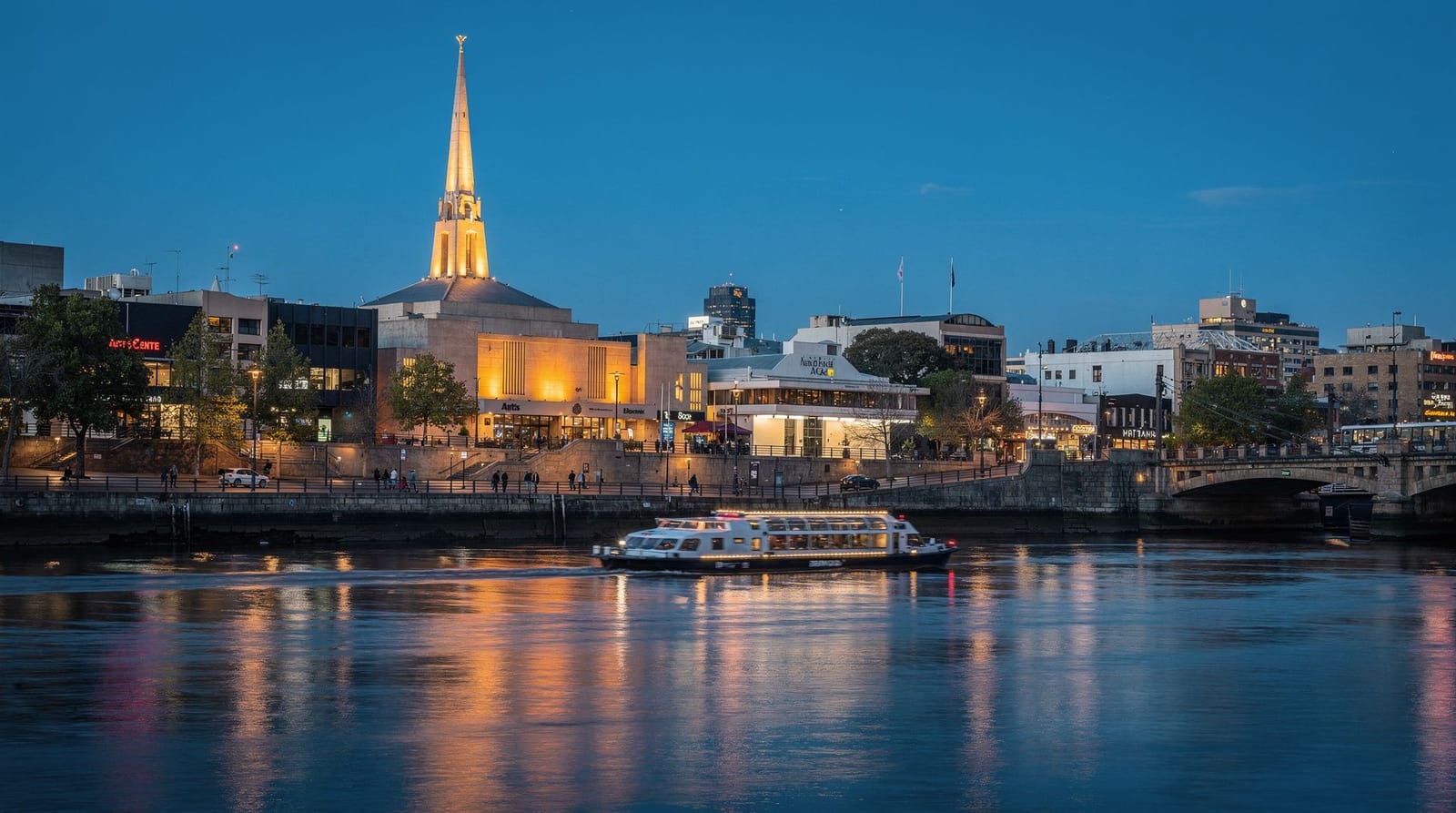 Yarra river 15 hour scenic sunset public cruiseCheck availability
Total fire ban days and regional trips
On the hottest, driest days, Victoria declares total fire ban days across various regions, which can affect access to some Great Ocean Road walking trails, Grampians hiking routes, and other regional bushland areas as a precaution — check current conditions before a summer day trip into these areas, since closures are announced with relatively short notice on genuinely extreme days.
Events beyond the Australian Open
Summer also brings a busy outdoor events calendar — open-air cinema screenings, the Sidney Myer Music Bowl’s summer concert series, and various food and wine festivals timed to make the most of long evenings. The Yarra Valley and Mornington Peninsula wine regions are both pleasant in summer, though a cooler-weather visit in autumn is generally considered the region’s better season for a relaxed outdoor lunch.
What summer means for day trips
The Great Ocean Road and Phillip Island are both at their busiest in summer, particularly during the school summer holidays running from mid-December into late January — book tours and Penguin Parade tickets two to three weeks ahead rather than assuming last-minute availability. On the plus side, longer daylight hours mean more time at each stop, and Phillip Island’s Penguin Parade start time (tied to sunset) shifts to as late as 9pm-plus, meaning a later, more relaxed evening schedule.
Bushfire season and what it means for visitors
Summer in Victoria coincides with the state’s bushfire season, typically running from around November through March depending on conditions in a given year. This rarely affects the central city directly, but it’s genuinely relevant to planning regional day trips — total fire ban days can trigger the closure of specific walking trails in the Grampians, parts of the Great Ocean Road hinterland, and other bushland reserves as a precautionary measure, and on the worst days, smoke haze from regional fires can drift into Melbourne itself, affecting air quality and long-distance visibility from viewpoints like Eureka Skydeck.
Checking the Country Fire Authority’s current warnings before a summer day trip into bushland areas is a genuinely sensible habit, not an overreaction.
Cricket and the Boxing Day Test
Beyond the Australian Open, summer also brings Test cricket to the MCG, most notably the Boxing Day Test starting December 26 each year — a fixture nearly as embedded in Melbourne’s sporting calendar as the AFL Grand Final is in spring. Attending even a single day of Test cricket is a genuinely different experience from a T20 or one-day match, with a slower pace and an all-day, bring-a-esky (cooler) picnic atmosphere for many local attendees in the outer stands.
Sunscreen, UV and sun safety
Australia’s position under a relatively thin part of the ozone layer, combined with generally clear summer skies, means the UV index in Melbourne frequently reaches “extreme” ratings (11+) on clear summer days — genuinely higher than equivalent air temperatures would suggest in many Northern Hemisphere countries. Locals apply sunscreen as a matter of course before spending any real time outdoors between 10am and 3pm, regardless of how hot or mild the day feels, and it’s worth adopting the same habit rather than judging sun exposure risk by temperature alone.
Planning a hot day in the city
On a hot day the trick is to treat the schedule like a local would: do the outdoor walking early, retreat indoors through the middle of the day, and come back out once the heat eases. The CBD is well suited to this. Spend the cooler hours on the laneways walking tour or an early wander through Hosier Lane’s street art, then duck into the National Gallery of Victoria, the Melbourne Museum or the State Library for the afternoon. If you would rather have someone else handle the route, a guided option such as a walking tour of the city highlights keeps the pace easy and lets you slot the heaviest walking into the morning.
Trams help too. The Free Tram Zone and the Myki card make it simple to hop between shade, air-conditioning and the water without planning a complicated route, and our Melbourne tram guide explains which lines are worth riding when you just want to sit down and cool off.
Getting out on two wheels
Summer’s long evenings are also the best excuse to see the bay side of the city by bike. The flat, mostly sheltered routes along the water are far more pleasant in the early morning or the late afternoon, and a guided cycling tour along the bayside is an easy way to cover the shoreline without having to work out the route yourself. For more detail on the options, see our bike tours in Melbourne guide and the Capital City Trail write-up, and pair either with a swim at the beaches mentioned above. Whatever you choose, carry water, start early and keep the sunscreen routine going.
If you are building a wider plan around the season, the Melbourne in summer guide, the December in Melbourne guide and the events calendar are good companions, and the packing guide covers what to bring. Sports fans should look at the Australian Open guide and the cricket at the MCG page before booking dates.
What to pack
Sun protection matters more than most visitors expect — Australia’s UV index is genuinely higher than in most Northern Hemisphere summer destinations at equivalent air temperatures, so sunscreen, a hat and sunglasses are non-negotiable even on a mild-feeling 24°C day. Pack for sudden cool changes too — a light jacket for an evening that can drop 10°C or more from the afternoon peak.
How summer compares with Melbourne’s other seasons
If the volatility described above sounds like more risk than you want on a short trip, it’s worth reading our best time to visit Melbourne guide before locking in December-February dates — many repeat visitors actually prefer autumn for steadier weather at lower prices. Melbourne’s famous “four seasons in one day” reputation is at its most literal in spring and summer, so packing layers regardless of the forecast is a genuinely sensible habit rather than overcaution.
Regional day trips in summer
Summer is the busiest season for Great Ocean Road and Phillip Island Penguin Parade tours, but it also brings the year’s longest daylight and latest, most relaxed evening parade start times. If total fire bans affect a specific trail or reserve on your planned day, our best day trips from Melbourne comparison has alternatives that don’t rely on bushland access during a high-risk period.
Frequently asked questions about summer in Melbourne
How hot does it get in Melbourne in summer?
Average days run 14-25°C, but heatwave periods above 35-40°C occur most summers, sometimes for several consecutive days, typically ending with a sudden cool change.
Is summer the best time to visit Melbourne?
It’s the most popular and most expensive season, driven partly by the Australian Open in January. Many locals and repeat visitors actually prefer autumn (March-May) for more consistent, comfortable weather without peak-season prices.
Do I need to book Great Ocean Road tours ahead in summer?
Yes — summer, particularly the school holiday period from mid-December to late January, is the busiest season for regional day trips. Book at least two to three weeks ahead.
Is Melbourne’s summer weather reliable?
No — it’s genuinely one of the more volatile seasons for weather here, with sudden temperature swings of 10-15°C common even within a single day. Pack layers regardless of the forecast.
Does bushfire smoke affect Melbourne in summer?
On the worst fire-risk days, smoke haze from regional Victorian bushfires can drift into the city, reducing air quality and long-distance visibility. It doesn’t happen every summer or every week, but it’s worth checking conditions before a regional day trip during a total fire ban period.
What is the Boxing Day Test?
An annual Test cricket match at the MCG starting December 26 each year, one of Melbourne’s most significant sporting fixtures alongside the AFL Grand Final and the Australian Open, drawing large crowds across its multi-day format.
How strong is the sun in Melbourne summer?
Genuinely strong — UV index readings frequently reach “extreme” (11+) on clear summer days, higher than equivalent air temperatures suggest in many other countries. Sunscreen, a hat and sunglasses are essential rather than optional.
Is autumn a better time to visit Melbourne than summer?
For many locals and repeat visitors, yes — autumn (March-May) offers more consistent, comfortable weather without summer’s heatwave risk or peak-season prices, though summer wins on daylight hours and the Australian Open.