Moonlit Sanctuary: a small, close-up wildlife park on the Mornington Peninsula
Melbourne: Moonlit sanctuary conservation park entry ticket
What is Moonlit Sanctuary and how is it different from Healesville Sanctuary?
Moonlit Sanctuary Wildlife Conservation Park, near Pearcedale on the way to the Mornington Peninsula, is a smaller, more intimate wildlife park roughly an hour from Melbourne, known for its walk-through kangaroo enclosure where hand-feeding is permitted and its guided nocturnal night tours. Healesville Sanctuary is considerably larger with a stronger research and breeding-program profile; Moonlit trades scale for a closer, more hands-on visitor experience with fewer crowds.
A smaller, closer, more hands-on wildlife park
Moonlit Sanctuary Wildlife Conservation Park, near Pearcedale on the mainland side of the Mornington Peninsula, deliberately trades the scale of somewhere like Healesville Sanctuary for a smaller, more intimate visitor experience built around closer contact with the animals rather than viewing them from a boardwalk or through glass. At roughly an hour from Melbourne, it’s also one of the more convenient wildlife park options for a half-day trip that doesn’t require the longer commitment of a full Phillip Island or Yarra Valley day.
| Where | Pearcedale, roughly 55-60km southeast of the CBD |
| Cost | General admission plus a separately ticketed night tour |
| Time needed | Around 2-3 hours daytime; 1.5-2 hours for the night tour |
| Getting there | Self-drive or bundled tour — no practical public transport |
| Best time | Spring or autumn for daytime comfort; any season for the night tour |
The walk-through kangaroo enclosure
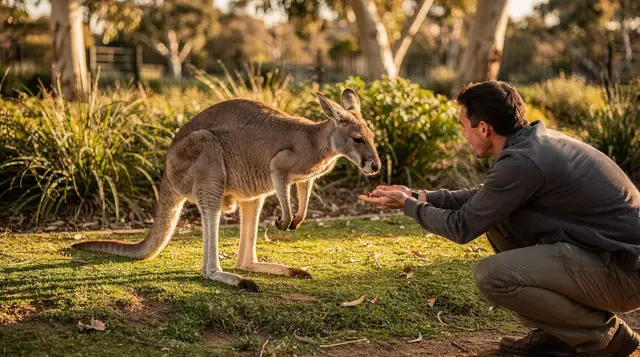
The sanctuary’s best-known feature is a large walk-through enclosure where kangaroos and wallabies roam freely at ground level, and hand-feeding is genuinely permitted (feed is available for purchase on site) — a materially different, more tactile experience than the observation-only format used at most other Victorian wildlife sites, including Phillip Island’s koala boardwalks. For families or anyone whose main goal is an up-close kangaroo encounter rather than watching from a distance, this is the single strongest reason to choose Moonlit Sanctuary specifically. See kangaroo spotting in Victoria for how this compares with other reliable kangaroo-viewing spots across the state.
The nocturnal night tour
Moonlit Sanctuary’s guided night tour, run after dark using dim red lighting that doesn’t disrupt nocturnal animals the way ordinary white light would, is the sanctuary’s other signature offering — a genuinely different visit to daytime admission, since many of the park’s nocturnal species (owls, sugar gliders and various small native mammals) are largely inactive or hidden during standard opening hours. General admission tickets cover the standard daytime visit; the night tour is a separately bookable, limited-capacity guided experience, so reserve it ahead rather than turning up expecting a same-day slot.
Tickets and getting there
Moonlit Sanctuary sits about 55-60 km southeast of central Melbourne, roughly a 55-65 minute drive via the Mornington Peninsula Freeway. There’s no practical public transport route for a same-day visit, so self-driving or a bundled tour are the realistic options. The Moonlit Sanctuary and Brighton beach boxes tour combines a sanctuary visit with a stop at Brighton’s colourful bathing boxes on the same day trip, useful for visitors without a car wanting to cover both without separate bookings.
What else is on site
Beyond the kangaroo enclosure, Moonlit Sanctuary holds a range of other native species across smaller, walkable enclosures — dingoes, various birds of prey, reptiles and a selection of nocturnal mammals that become more active and visible during the dedicated night tour. The site is compact enough to explore thoroughly in 2-3 hours during a standard daytime visit, making it a genuinely manageable half-day trip rather than requiring a full day the way Healesville Sanctuary or Phillip Island typically do.
How long to budget
A standard daytime visit, including time at the kangaroo enclosure and a walk through the other exhibits, takes roughly 2-3 hours. The night tour runs as a separate evening session with its own timeframe (typically 1.5-2 hours), so if doing both in one day, plan for a break between the daytime visit and the evening tour rather than trying to run them back to back.
Combining with the Mornington Peninsula
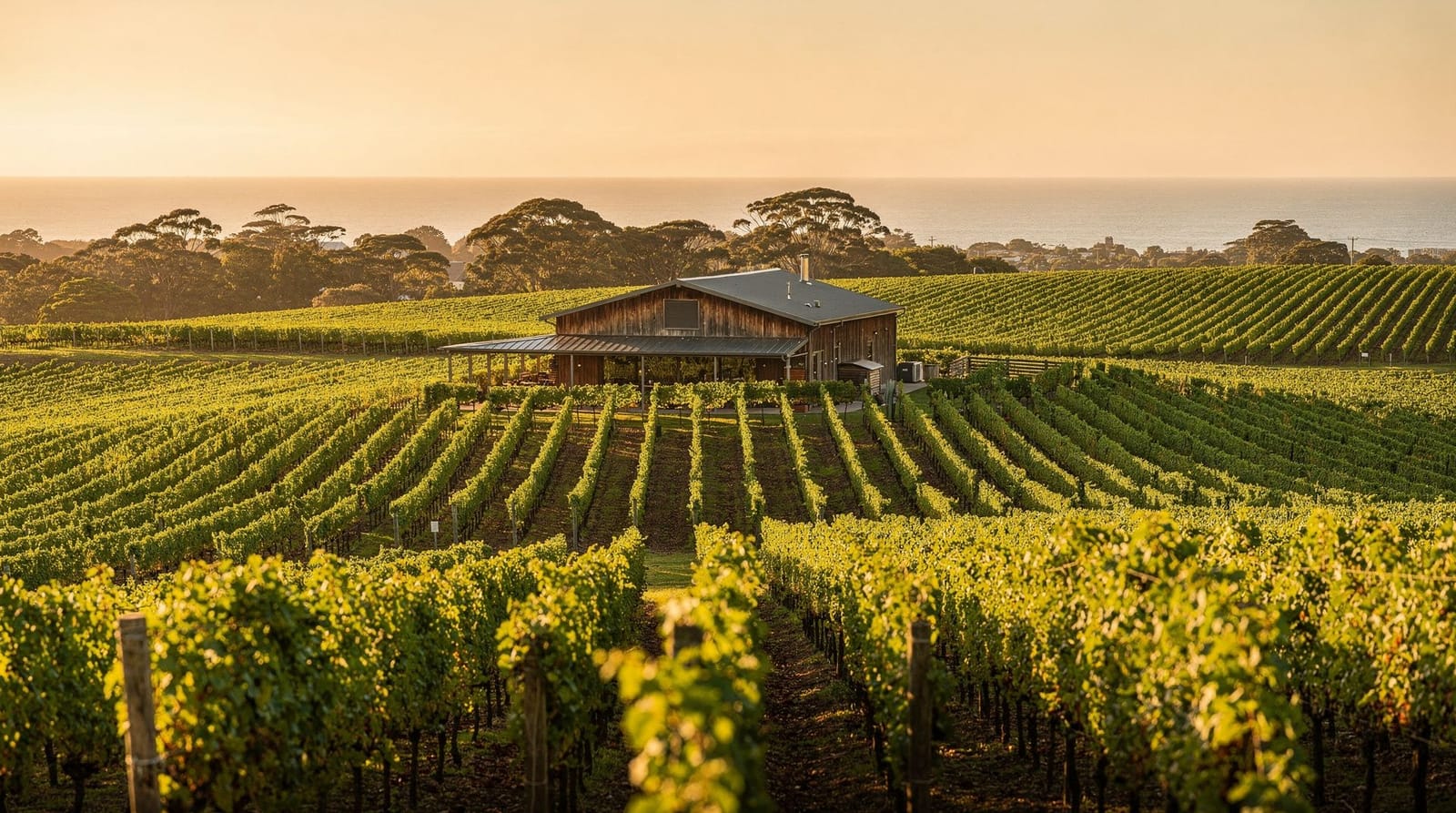
Moonlit Sanctuary sits on the route toward the broader Mornington Peninsula, making it a natural stop for self-drivers continuing on to the peninsula’s wineries, hot springs or coastal towns like Sorrento and Portsea later the same day. It’s also a reasonable alternative for travellers who want a wildlife stop but don’t want to commit to the considerably longer round trip out to Phillip Island for the Penguin Parade.
Moonlit Sanctuary versus Healesville Sanctuary
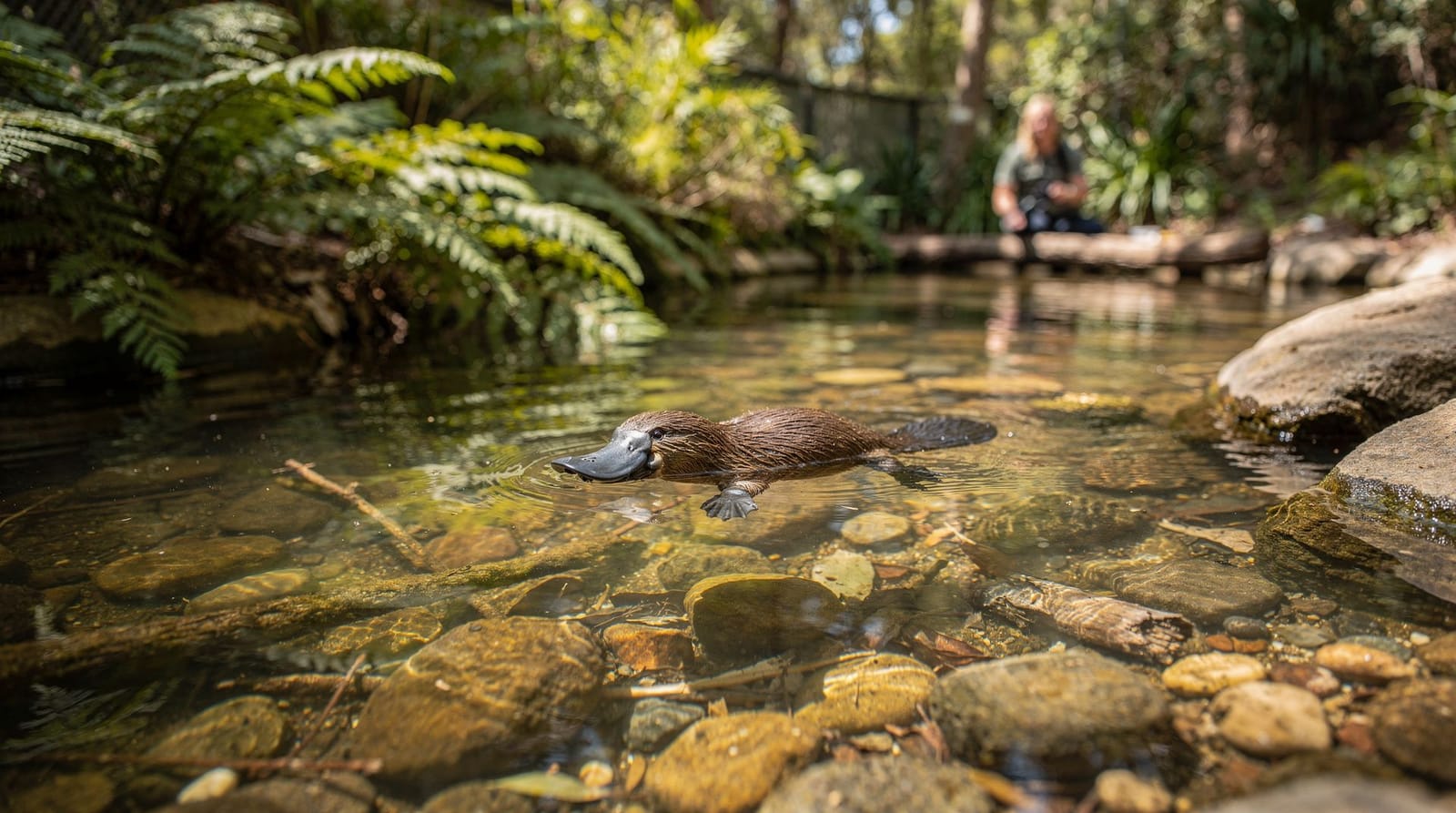
The core difference comes down to scale and format: Healesville Sanctuary is a considerably larger site with a stronger conservation research and breeding-program profile (including its historic platypus program), while Moonlit Sanctuary is smaller, closer to Melbourne, and built around more hands-on visitor interaction, particularly the walk-through, hand-feeding kangaroo enclosure. Neither is strictly better — Healesville suits travellers wanting the fuller wildlife-park experience and a wider range of species including platypus and Tasmanian devils; Moonlit suits those wanting a shorter, closer, more interactive visit or specifically the night tour format that Healesville doesn’t offer in the same way.
What visitors say holds up best on a return visit
Repeat visitors to Moonlit Sanctuary consistently point to the night tour as the experience that most rewards a second visit, since daytime highlights like the kangaroo enclosure are relatively similar each time, while the nocturnal tour’s roster of active animals can vary noticeably depending on season, weather and which individual animals happen to be out and about on a given night. For anyone who has already done a standard daytime visit and enjoyed it, the night tour represents the most genuinely different follow-up experience the sanctuary offers, rather than a repeat of the same daytime content after dark.
Comparing Moonlit Sanctuary with Maru Wildlife Park
Both Moonlit Sanctuary and Maru Wildlife Park near Grantville offer walk-through, hand-feeding kangaroo experiences, but they sit in different directions from Melbourne and suit different itineraries — Moonlit fits naturally with a Mornington Peninsula day, while Maru sits directly on the route to Phillip Island and works best as a driving-break stop rather than a dedicated destination. Families deciding between the two should generally let their broader itinerary direction decide rather than treating either as clearly superior, since the core kangaroo-feeding experience is broadly comparable at both.
What to feed and how the feeding stations work
Feed for the walk-through kangaroo enclosure is purchased at designated stations near the enclosure entrance, typically a small paper bag or cup of an appropriate commercial kangaroo feed mix rather than any food brought from outside — bringing your own food to feed the animals isn’t permitted, both for the animals’ health and to maintain consistent nutritional standards across the managed population. Staff or signage near the feeding stations explain the correct technique (generally an open, flat palm rather than pinching food between fingers), which reduces the small risk of an accidental nip during enthusiastic feeding by an eager kangaroo.
Toilets, shelter and other visitor facilities
Moonlit Sanctuary provides standard visitor facilities including toilets and a small kiosk selling drinks and light snacks, though facilities are more modest in scale than the larger cafes found at Healesville Sanctuary or Melbourne Zoo, reflecting the sanctuary’s smaller overall footprint. Covered shelter areas are available near the main enclosures for a break from sun or light rain, though as with most of Victoria’s wildlife parks, a significant portion of the grounds remains genuinely outdoors and exposed to whatever the day’s weather brings.
Photography at Moonlit Sanctuary
Unlike the strict no-photography rule enforced at Phillip Island’s Penguin Parade, photography is welcomed throughout Moonlit Sanctuary’s daytime enclosures, including the kangaroo feeding area, making it a popular stop for visitors specifically wanting close-up wildlife photographs without the restrictions in place elsewhere. The night tour is a partial exception — flash photography is generally discouraged or restricted during the nocturnal tour specifically, since bright flash can startle or disorient nocturnal animals in the same way it does penguins at the parade, though non-flash photography in the tour’s dim red lighting is typically still possible with an appropriately capable camera or phone.
Weather and seasonal notes
Most of Moonlit Sanctuary’s enclosures are outdoors, so weather affects the visit similarly to other Victorian wildlife parks — spring and autumn offer the most comfortable conditions, while summer heat (December-February) can make animals, including the kangaroos in the walk-through enclosure, less active during the middle of the day. The night tour runs year-round regardless of season, though winter evenings (June-August) are noticeably colder, so dress warmly if booking an evening session outside summer.
Extending a day trip beyond the sanctuary
Because Moonlit Sanctuary sits on the route toward the broader Mornington Peninsula rather than at a dead-end destination, self-drivers rarely treat it as a full day on its own. A common structure combines a morning or early-afternoon sanctuary visit with a continuation further onto the peninsula for lunch at one of the wineries around Red Hill, or a stop at one of the peninsula’s beaches if time and weather allow. Visitors coming from the opposite direction, having already spent a day on the Mornington Peninsula proper, sometimes schedule a Moonlit Sanctuary stop on the return leg toward Melbourne, using it as a wildlife-focused final stop before the drive back into the city.
Three wildlife parks compared
| Park | Distance from Melbourne | Signature experience | Best for |
|---|---|---|---|
| Moonlit Sanctuary | ~55-60km southeast | Walk-through, hand-feeding kangaroos + night tour | Close, hands-on encounters, half-day trips |
| Healesville Sanctuary | ~55km northeast | Platypus program, free-flight bird show, breadth of species | Widest range of species, research/conservation focus |
| Maru Wildlife Park | On the route to Phillip Island | Walk-through, hand-feeding kangaroos | Driving-break stop en route to Phillip Island |
A realistic verdict for first-time visitors
For anyone deciding between Moonlit Sanctuary and a larger wildlife park like Healesville Sanctuary, the honest distinction comes down to priorities: choose Moonlit if a close, hands-on kangaroo-feeding encounter and the option of a genuinely different night tour matter more than seeing the widest possible range of native species in one visit. Choose Healesville if breadth — platypus, Tasmanian devils, a wider bird and reptile collection — matters more than the specific hands-on kangaroo format. Many longer Victoria itineraries have room for both, given they sit in different directions from Melbourne and offer genuinely different visitor experiences rather than overlapping content.
Accessibility
The main walking paths are largely flat and suitable for prams and most wheelchairs, though some sections of the walk-through kangaroo enclosure have a more natural, less formal surface. Check current accessibility details when booking the night tour specifically, since evening conditions and lower lighting can affect ease of movement for visitors with mobility needs.
Shaded seating is available at intervals along the main circuit, useful for visitors who need to pace a visit over a longer period, and the compact overall footprint of the site means distances between major exhibits are shorter than at a larger park like Healesville Sanctuary, reducing the total amount of walking required for a full visit.
The sanctuary’s history and conservation focus
Moonlit Sanctuary was established as a privately run wildlife conservation park with a specific focus on Australian native species, positioning itself deliberately as a smaller, more intimate alternative to the larger, government-linked Zoos Victoria sites. Its conservation program includes breeding efforts for several threatened native species, alongside a rescue and rehabilitation component for injured wildlife brought in from the surrounding Mornington Peninsula and Casey-Cardinia region.
Because it operates independently of Zoos Victoria, it isn’t covered by the shared membership that spans Melbourne Zoo, Healesville Sanctuary and Werribee Open Range Zoo, so a Moonlit Sanctuary visit is always a standalone ticket purchase regardless of any other Victorian wildlife park memberships held.
This independence also shapes how the sanctuary funds itself: unlike the government-linked Zoos Victoria sites, Moonlit Sanctuary relies more directly on admission revenue, feed sales and the night tour to support its rescue and breeding work, which is part of why the walk-through feeding format and the separately ticketed night tour both remain central to how the park operates day to day.
What makes the kangaroo enclosure different from other Victorian sites
The walk-through, hand-feeding format at Moonlit Sanctuary’s kangaroo enclosure sits at one end of a spectrum of kangaroo-viewing experiences across Victoria — considerably more tactile than the boardwalk-based observation used at Phillip Island’s koala centre, and more consistently accessible than relying on wild sightings along the Great Ocean Road or in the Grampians.
The enclosure’s design allows kangaroos and wallabies to move freely in and out of the feeding area throughout the day, meaning the animals present are participating voluntarily rather than being confined specifically for visitor interaction, an important welfare distinction that separates this kind of managed feeding from less scrupulous, purely commercial hands-on wildlife attractions found in some parts of Australia.
Birds of prey and reptile displays
Beyond the kangaroo enclosure and nocturnal species, Moonlit Sanctuary holds a solid collection of Australian birds of prey, including various owl and eagle species, displayed in walk-past enclosures rather than the free-flight demonstration format used at Healesville Sanctuary. A reptile house rounds out the daytime offering, covering a range of native snakes, lizards and other reptiles in climate-controlled indoor enclosures, useful as a partly weather-proof component of an otherwise mostly outdoor visit.
Group bookings, school holidays and special events
Moonlit Sanctuary periodically runs seasonal special events and holiday-program activities during school holiday periods, often built around specific themes or extended keeper interactions, worth checking for if visiting during a school holiday window specifically. Group bookings for larger parties, including birthday celebrations, are also available, typically requiring advance notice given the sanctuary’s more limited scale compared with the larger Zoos Victoria sites.
Comparing the cost against other Victorian wildlife parks
Moonlit Sanctuary’s general admission pricing sits below Healesville Sanctuary’s, reflecting its smaller scale and narrower range of species, making it a genuinely budget-conscious option for families wanting a wildlife encounter without the higher cost of the larger parks. The night tour, as a separately ticketed add-on, does add meaningfully to the overall cost if both experiences are booked on the same visit, so budget-conscious visitors focused purely on the daytime kangaroo feeding experience can reasonably skip the night tour without missing the sanctuary’s main drawcard.
Driving directions and what to expect on arrival
The drive from Melbourne to Moonlit Sanctuary runs via the Mornington Peninsula Freeway before turning off toward Pearcedale on smaller rural roads, giving a genuine sense of transitioning from suburban Melbourne into semi-rural Mornington Peninsula countryside along the way. On-site parking is free and typically has ample capacity outside peak weekend and school holiday periods, when arriving a little earlier than planned is worth doing to secure convenient parking close to the entrance.
A sample half-day plan
A workable structure for a self-drive half-day starts with an early departure from Melbourne, arriving at Moonlit Sanctuary by mid-morning to make the most of cooler temperatures and quieter enclosures before weekend crowds build. Budget the first hour for the walk-through kangaroo enclosure, since queues for feed purchases can form later in the day, then use the remaining time for the birds of prey, reptile house and smaller native mammal exhibits. Visitors continuing on to the broader Mornington Peninsula typically leave Moonlit Sanctuary by early afternoon, leaving enough daylight for a winery lunch or a stop at one of the peninsula’s beach towns before heading back to Melbourne.
For those specifically booking the night tour, a common pattern is to skip the daytime visit entirely and time arrival for the pre-tour meeting point instead, avoiding the cost and time of two separate sessions in one day. Others prefer splitting the visit across an afternoon arrival, a dinner break in a nearby township, and then the evening tour, which spreads the day out more comfortably than trying to fit both sessions back to back with no rest in between.
What the night tour shows you across the seasons
The specific animals encountered on a given night tour vary meaningfully by season and even by weather on the night itself, which is part of why repeat visitors rate it as the sanctuary’s most rewarding follow-up experience. Warmer months typically bring more active insect and small-mammal behaviour, while cooler winter nights can mean some species are less visible, though the resident owls and other nocturnal birds tend to remain reliably active year-round regardless of temperature. Guides adjust the walking route and pacing based on which animals are showing activity on a given night, so no two night tours follow an identical script even for repeat visitors on separate occasions.
Because the tour relies on genuinely nocturnal behaviour rather than a fixed presentation, managing expectations matters: it rewards patience and quiet observation over a guaranteed checklist of sightings, and guides are generally upfront if a particular species isn’t showing itself on a given night rather than manufacturing an encounter.
Practical tips
Bring cash or a card for feed purchases at the kangaroo enclosure, wear closed shoes given the semi-natural ground surface in the walk-through areas, and book the night tour well ahead if it’s a priority, since group sizes are limited and it doesn’t run every night of the week. If combining a daytime visit with the night tour, plan a meal or rest break at one of the nearby Mornington Peninsula townships in between rather than trying to fill the gap on-site, since the sanctuary’s own food facilities are modest compared with larger wildlife parks.
A torch or phone flashlight (used sparingly and with permission, since red-filtered lighting is the standard on the tour) is sometimes useful for the walk back to the car park after a night tour finishes, particularly outside the main visitor areas where lighting is deliberately kept low to protect the nocturnal animals. Booking confirmation printed or downloaded ahead of arrival is worth doing given patchy mobile reception in the semi-rural surrounds, and arriving 10-15 minutes before a booked night tour session allows time to park and walk to the meeting point without rushing in the dark.
Book Moonlit Sanctuary general admissionMore tours on Viator
Top-rated experiences with verified reviews, bookable on Viator (a Tripadvisor company).


Frequently asked questions about Moonlit Sanctuary
Can you actually hand-feed kangaroos at Moonlit Sanctuary?
Yes — the walk-through enclosure allows visitors to hand-feed and gently interact with free-roaming kangaroos and wallabies at close range, a genuinely different and more tactile experience than the boardwalk-viewing format used at most other Victorian wildlife parks.What is the Moonlit Sanctuary night tour?
The guided nocturnal tour, run after dark with dim red lighting (which doesn't disturb nocturnal animals the way white light would), lets visitors see species that are far less active or entirely hidden during standard daytime hours, including owls, sugar gliders and other nocturnal Australian natives, alongside keeper commentary on their behaviour.How far is Moonlit Sanctuary from Melbourne?
About 55-60 km southeast of the CBD, roughly a 55-65 minute drive via the Mornington Peninsula Freeway, making it one of the closer wildlife park options for a half-day trip without committing to the longer drive out to Phillip Island.Is Moonlit Sanctuary good for young children?
Yes, and the hand-feeding kangaroo enclosure in particular tends to be a highlight for younger visitors, giving a much closer and more interactive encounter than watching animals from behind glass or a boardwalk rail.Do I need to book the night tour separately from general admission?
Yes, the nocturnal tour runs as a separate, bookable experience outside standard daytime opening hours, with limited group sizes, so booking ahead is worth doing rather than assuming it's included in a standard daytime ticket.Can Moonlit Sanctuary be combined with Brighton's bathing boxes or other Mornington Peninsula stops?
Yes, some day tours bundle Moonlit Sanctuary with Brighton's iconic bathing boxes given both sit broadly on the route southeast of Melbourne, and self-drivers can easily continue on into the Mornington Peninsula proper for wineries or hot springs after a Moonlit Sanctuary visit.
Top experiences
Bookable activities with verified prices and instant confirmation on GetYourGuide.