Melbourne nightlife: a complete guide to going out
Melbourne: Hidden bars tour
What is Melbourne's nightlife like?
Melbourne's nightlife centres on small, characterful laneway bars rather than large clubs, a direct product of 1980s-90s liquor licensing reform, alongside a strong live music scene and a growing rooftop bar circuit. The CBD, Fitzroy/Collingwood, Richmond and St Kilda each offer a genuinely different night-out character.
| Where | CBD laneways, Fitzroy/Collingwood, Richmond, St Kilda |
| Cost | Around 8-11 AUD beer, 18-24 AUD cocktail |
| Closing time | Most venues ~1am, some CBD venues to 3am weekends |
| Getting there | Free Tram Zone covers the CBD circuit; trains run later Fri/Sat |
| Best for | Bar-hopping between small venues rather than one big club |
Neighbourhood comparison
| Neighbourhood | Character | Best for |
|---|---|---|
| CBD laneways | Dense, central, some tourist-facing venues | First-timers, convenient location |
| Fitzroy/Collingwood | Local, less touristy, live music-adjacent | A more authentic, low-key night |
| Richmond | Pub culture, mid-size live music venues | Gig nights, cheaper drinks |
| St Kilda | Beachside, later-running, historic | A different vibe from the CBD |
A nightlife scene built on small bars, not big clubs
Melbourne’s nightlife identity is genuinely distinct from most Australian and international cities: rather than a handful of large nightclub venues anchoring the scene, it’s built on a dense network of small, characterful bars — many holding fewer than 50 patrons — spread across the CBD’s laneways and the inner-north suburbs. That’s a direct legacy of Victorian liquor licensing reform through the 1980s and 90s, which created a lower-cost, lower-capacity licence category that made genuinely tiny venues commercially viable for the first time, covered in more depth in our laneway bars guide.
The result, three decades on, is a night-out culture built around bar-hopping between distinct, idiosyncratic small venues rather than committing to one large club for the night.
How licensing reform created this specific scene
It’s worth understanding the regulatory history behind Melbourne’s distinctive small-bar culture, since it explains why the city’s nightlife looks so different from, say, Sydney’s larger club-and-pub-dominated scene of the same era. Before the mid-1980s, opening a licensed venue in Victoria generally required the kind of capital investment and floor space that made large pubs and clubs the only commercially viable model. A specific licensing reform created a lower-cost, lower-capacity category aimed at small venues, and Melbourne’s planning authorities embraced it more enthusiastically and consistently through the 1990s and 2000s than most other Australian cities did with equivalent reforms.
The result three decades later is a night-out culture built around discovery and variety — moving between several small, distinctly different venues over a night — rather than committing to one larger venue’s crowd and cover charge for the whole evening. It’s a genuinely different rhythm from club-culture cities, and part of why Melbourne’s nightlife reputation skews toward “best bars” lists rather than “best clubs” ones internationally.
Pub culture versus bar culture
Alongside the newer small-bar scene, Melbourne retains a strong older pub culture, particularly in suburbs like Richmond, Collingwood and Fitzroy, where long-running pub venues predate the 1990s bar boom by decades and carry their own distinct social role — bigger rooms, cheaper drinks, live sport on screens, and often live music on a stage rather than a DJ booth. The two scenes overlap more than they compete: many Melburnians move between a pub for an early dinner and casual drinks, then a smaller cocktail bar or gig venue later in the evening, treating the city’s nightlife as a single connected ecosystem rather than separate pub and bar cultures.
The CBD laneway circuit
The CBD’s recognised laneway precincts — AC/DC Lane, Hardware Lane’s evening scene, and dozens of smaller, less-marked lanes — hold Melbourne’s densest concentration of small bars, ranging from unmarked speakeasy-style venues to open, welcoming rock pubs. It’s the most convenient starting point for most visitors, sitting within walking distance of most CBD and Southbank accommodation, and pairs naturally with Hosier Lane’s street art if you want to combine an evening walk with a daytime laneway visit to the same area.
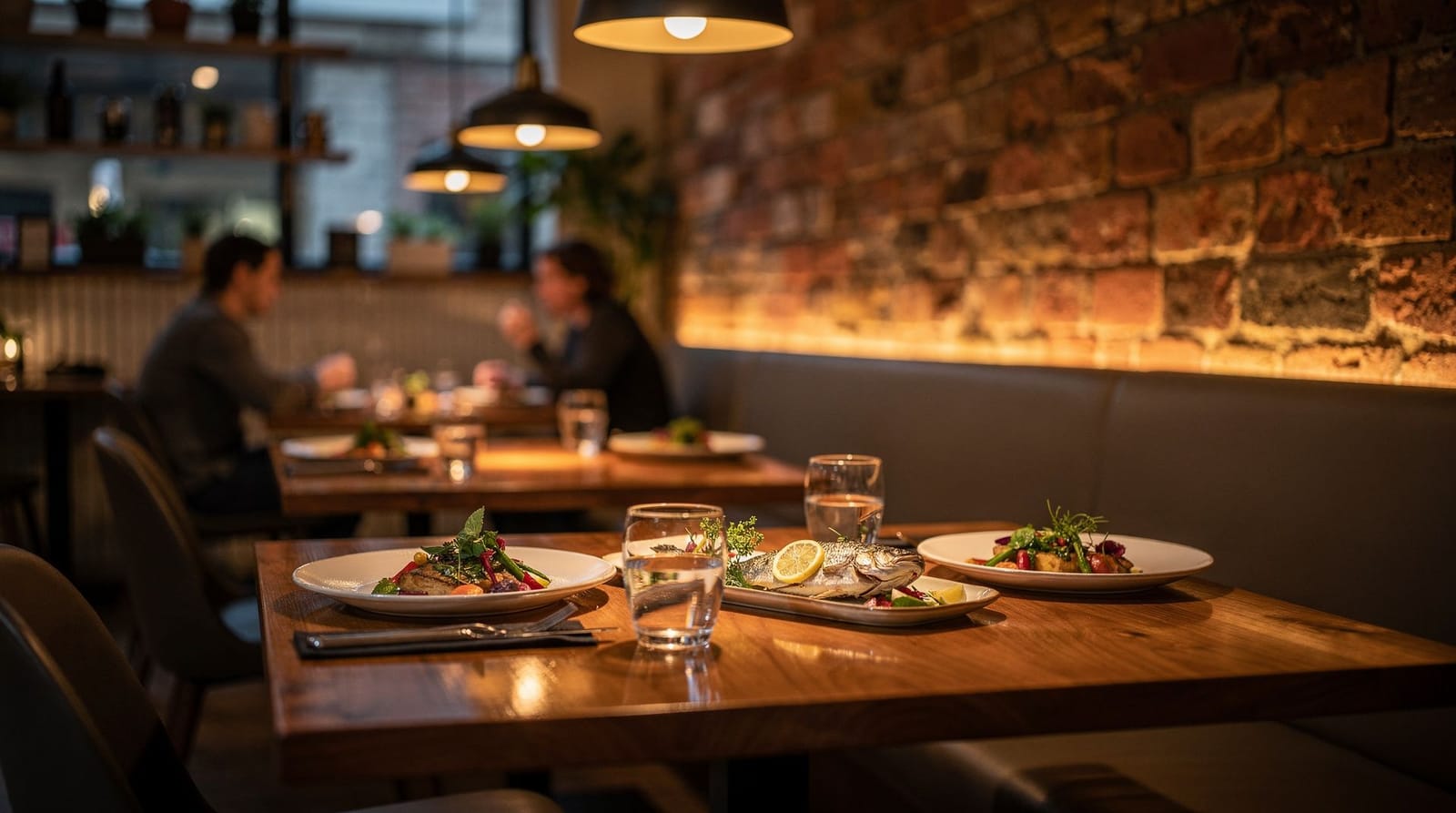 Hidden bars tourCheck availability
Rooftop bars: the newer addition
Melbourne’s rooftop bar scene has grown substantially over the past decade, adding elevated CBD and Southbank terraces to the traditional laneway bar circuit — a genuinely different experience prioritising skyline views and open-air seating over the laneway bars’ more intimate, hidden-away character. Covered in full in our dedicated rooftop bars guide, these venues work particularly well for early-evening drinks before a later laneway bar crawl, since most rooftop terraces get busiest right after work hours and thin out by mid-evening.
book a hidden bars and cocktail walking tourLive music venues
Beyond bars specifically, Melbourne’s live music scene — UNESCO-recognised as a City of Music since 2017 — adds another dimension to a night out, whether that’s Cherry Bar’s rock pedigree in AC/DC Lane, the Corner Hotel’s mid-size touring acts in Richmond, or Fitzroy and Collingwood’s dense network of smaller pub venues. A night built around a specific gig, rather than purely bar-hopping, is a genuinely different and equally valid way to experience Melbourne after dark.
Craft beer and whisky bars
Alongside cocktail-focused laneway bars, Melbourne carries a strong independent craft beer scene, with several dedicated beer bars and brewery taprooms scattered through the CBD and inner-north suburbs pouring an extensive rotating selection of Victorian and interstate craft beer. A parallel whisky and gin bar scene has grown alongside it, reflecting Australia’s own developing craft spirits industry alongside imported selections.
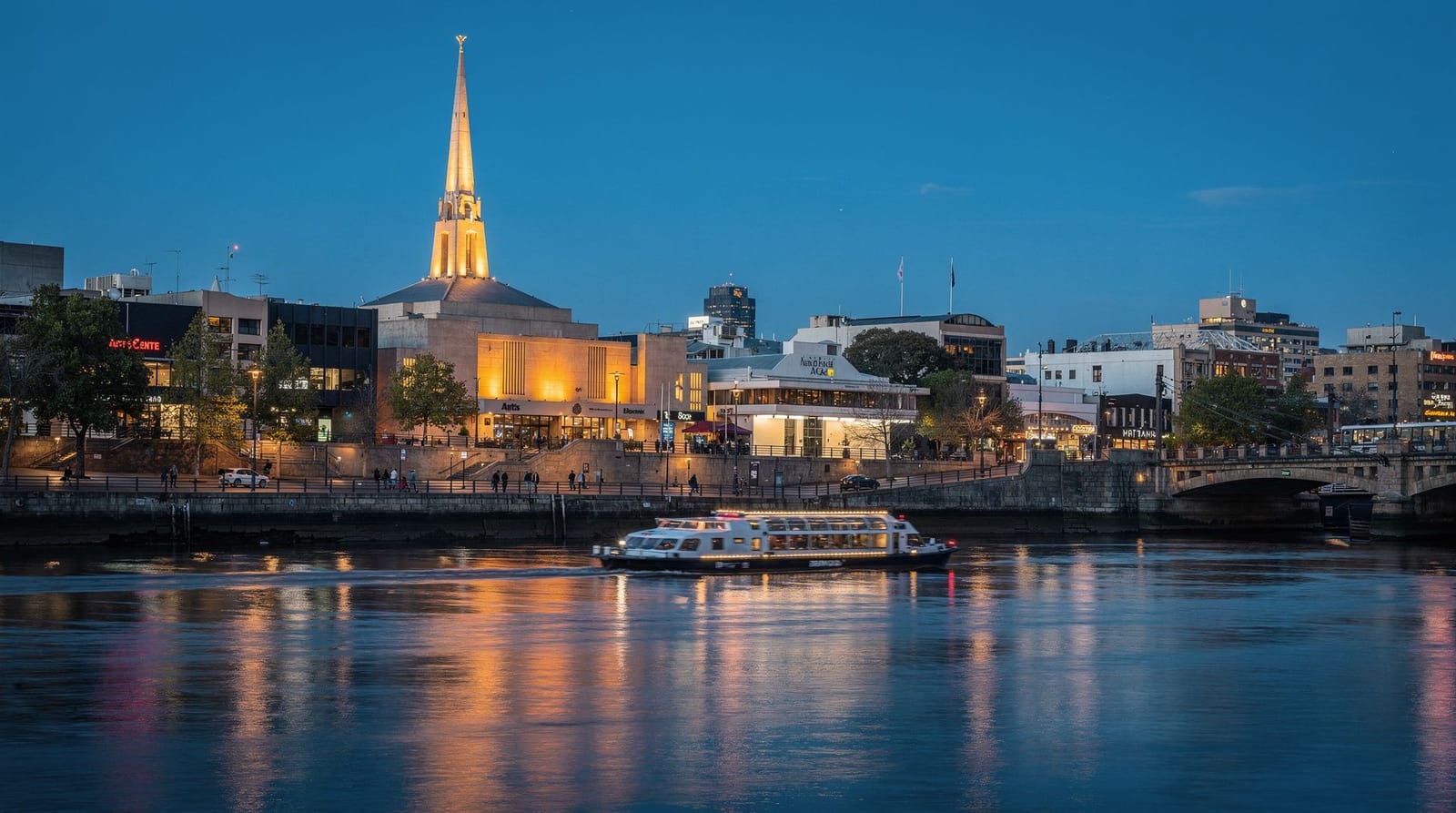 Melbourne evening craft beer tourCheck availability
book a whisky bars and gin joints tour
Melbourne evening craft beer tourCheck availability
book a whisky bars and gin joints tour
Fitzroy and Collingwood: the inner-north alternative
For a less CBD-centric, more locally-flavoured night out, Fitzroy and Collingwood carry their own dense small-bar network along and around Brunswick Street and Smith Street, generally less tourist-trafficked than the CBD’s laneway circuit and closely tied to the same neighbourhoods’ street art and live music identity.
St Kilda: beachside nightlife
St Kilda’s Fitzroy Street strip offers Melbourne’s most concentrated beachside nightlife scene, historically one of the city’s most significant entertainment precincts, with a livelier, later-running atmosphere than most inner-city alternatives — worth the 20-25 minute tram ride from the CBD if a beachside night out specifically appeals.
Opening hours and licensing
Most Melbourne bars operate under standard licences closing around 1am, with a smaller number of CBD venues holding extended licences to 3am or later on weekends specifically. Licensing has tightened somewhat in recent years compared with Melbourne’s more permissive 2000s-2010s peak, so it’s worth checking a specific venue’s current hours rather than assuming blanket late-night access across the whole scene.
Cost of a night out
Expect roughly 8-11 AUD for a beer, 18-24 AUD for a cocktail, and 12-16 AUD for a glass of wine at most Melbourne bars, broadly consistent across the CBD, Fitzroy/Collingwood and Richmond, with St Kilda’s beachside venues occasionally pricing at a slight premium during peak summer weekends. Cover charges are uncommon at most small bars but standard at larger club venues and some live music shows.
Honest planner notes: avoiding tourist traps
Some CBD venues, particularly larger ones with aggressive street-level touting or drinks menus advertised heavily in multiple languages right at the door, lean toward a more tourist-oriented, higher-margin model than the genuinely local small-bar scene a block or two further into the laneway network. If a venue’s staff are actively calling out drink specials to passersby, or if a bar’s decor reads as generic “Melbourne laneway aesthetic” rather than something with a specific, distinct identity, it’s usually worth walking a little further to find a less obviously visitor-targeted option — the genuine variety and quality of Melbourne’s small-bar scene means you rarely need to settle for the first door you find.
Nightlife with a mixed-age group
If you’re travelling with people who can’t or don’t want to drink — including anyone under 18, since Victoria’s legal drinking age applies strictly at all licensed venues — Melbourne’s live music scene and rooftop bars generally offer better food and non-alcoholic drink options than a purely bar-focused laneway crawl, and several venues (particularly larger live music rooms) run genuinely enjoyable shows without requiring everyone in your group to be drinking to have a good night.
Safety and practical tips
Carry photo ID even if you’re clearly over 25 — Victorian venues are required to check ID for anyone who could plausibly be under 25, and some don’t accept a photo of your ID on a phone.
Use public transport rather than driving if you’re drinking — Melbourne’s tram and train network runs later on weekend nights specifically to support the nightlife scene, and ride-share options are widely available as a backup.
Stick to well-populated main strips late at night — the CBD’s core laneways, Brunswick Street, and St Kilda’s Fitzroy Street all stay busy into the early hours, while quieter side streets warrant normal city awareness.
Book ahead for popular venues on weekends, particularly smaller bars with limited capacity, which can turn away walk-ins once at capacity.
A suggested first-night itinerary
For a first night out that samples several sides of Melbourne’s nightlife without overplanning, start with an early rooftop drink for the skyline view while it’s still light, move into the CBD laneway circuit for a cocktail or two as the sun sets, and finish either at a live music venue if a gig lines up with your dates, or a later laneway bar if it doesn’t. This roughly three-stop structure mirrors how many locals actually structure a night out, moving from open-air to intimate to (optionally) a show, rather than committing to a single venue or neighbourhood for the whole evening.
Solo travellers and meeting people
Melbourne’s small-bar culture is genuinely well suited to solo travellers — bars built for fewer than 50 people tend to encourage conversation with staff and fellow patrons in a way a large club doesn’t, and it’s not unusual to strike up a conversation at the bar itself rather than sitting alone at a table. Live music venues offer a similar dynamic with a shared point of focus (the band) that makes conversation with strangers feel less forced. A guided hidden bars tour is also a genuinely efficient way for a solo visitor to meet other travellers on a first night, since the small-group format naturally encourages interaction.
Dry and low-alcohol options
Melbourne’s bar and cocktail culture has kept pace with growing demand for dry and low-alcohol options — most cocktail bars now run at least one well-made non-alcoholic cocktail on the menu rather than treating it as an afterthought, and mocktail-focused venues have grown in the CBD and inner-north over recent years. If you’re not drinking but still want the social atmosphere of a night out, rooftop bars and live music venues generally offer the widest food and non-alcoholic drink range, making them a more comfortable fit than a purely cocktail-focused laneway bar crawl.
Seasonal differences in Melbourne’s nightlife
Rooftop bars are at their best in summer, when warm evenings and long daylight hours make an early-evening terrace session genuinely appealing, while winter shifts the emphasis toward the CBD’s covered laneways and Fitzroy’s cosier pub venues — see our Melbourne in summer and Melbourne in winter guides for the fuller seasonal picture. Major events like the Australian Open, the AFL Grand Final or the Melbourne Cup Carnival also noticeably lift the CBD’s nightlife energy for their surrounding weeks, worth factoring in if your visit overlaps one of these windows.
Where this fits in your Melbourne trip
Melbourne’s nightlife rewards exploring more than one neighbourhood rather than committing to a single area for your entire stay — the CBD’s laneways, rooftop bars, Fitzroy and Collingwood’s inner-north scene, and St Kilda’s beachside strip each offer a genuinely different night out. Combined with the city’s live music venues and laneway bars covered in more depth elsewhere on this site, a few well-chosen nights across different neighbourhoods gives a far more complete picture of Melbourne after dark than a single CBD bar crawl.
More tours on Viator
Top-rated experiences with verified reviews, bookable on Viator (a Tripadvisor company).


Frequently asked questions about Melbourne nightlife
What time do bars close in Melbourne?
Most laneway and suburban bars operate to a standard licence closing around 1am, with some CBD venues holding extended licences to 3am or later on weekends. Late-night licensing has tightened somewhat in recent years, so checking a specific venue's hours before a big night is worthwhile.Is Melbourne nightlife expensive?
Moderately — a beer typically runs 8-11 AUD, cocktails 18-24 AUD, broadly in line with other major Australian cities. Laneway bars and Fitzroy/Collingwood venues tend to price slightly below CBD rooftop bars and larger club venues.Where do locals actually go out in Melbourne?
Locals split fairly evenly between the CBD's laneway bar network for a central night out, Fitzroy and Collingwood for a more relaxed, less touristy scene, and St Kilda or Richmond for live music specifically — there's no single 'locals only' area, since Melbourne's nightlife is genuinely spread across several neighbourhoods.Do I need ID to get into Melbourne bars?
Yes — photo ID is required at the door for anyone who could plausibly be under 25 at most licensed venues, standard practice across Victoria regardless of how old you actually are. A passport or driver's licence is accepted; some venues don't accept photos of ID on a phone.Is Melbourne nightlife safe?
Yes, generally, by international standards — main entertainment strips (CBD laneways, Brunswick Street, Fitzroy Street St Kilda) stay well-populated and reasonably well-lit into the early hours, though normal precautions apply on quieter side streets late at night, as in any city.
Top experiences
Bookable activities with verified prices and instant confirmation on GetYourGuide.