Melbourne's laneway bars: the small-bar scene explained
Melbourne: Melbourne laneways larrikins and liquor tour
What are Melbourne's laneway bars?
Small, often hidden bars tucked into the CBD's laneway network — sometimes behind unmarked doors or up narrow staircases — that emerged from 1980s-90s liquor licensing reform making tiny, low-capacity venues commercially viable for the first time. AC/DC Lane and the streets around Hardware Lane hold Melbourne's densest concentration.
The licensing reform that built a nightlife identity
Melbourne’s laneway bar scene didn’t emerge organically from pure creative impulse — it was substantially enabled by a specific piece of Victorian liquor licensing reform through the mid-1980s and refined over the following decade, which created a lower-cost, lower-capacity licence category aimed at genuinely small venues. Before that reform, opening a licensed venue in Australia generally required the kind of capital investment and floor space that made a tiny 20-30 seat laneway bar commercially unviable; afterward, entrepreneurs could open small, characterful spaces profitably for the first time.
Melbourne embraced this reform more consistently and enthusiastically through the 1990s and 2000s than most comparable Australian cities, and the result three decades later is the CBD’s now-signature laneway bar density — a defining piece of the city’s identity that urban planners from other cities regularly visit specifically to study.
| Where | AC/DC Lane, Hardware Lane and dozens of smaller CBD laneways |
| Cost | Around 8-11 AUD beer, 18-24 AUD cocktail |
| Time needed | An evening; 3-4 venues is a realistic bar-hop |
| Getting there | Walk within the CBD or the Free Tram Zone |
| Best time | From 6-7pm; smallest bars busiest earlier in the evening |
From service alleys to nightlife destinations
It’s worth understanding what these laneways were before they became bars. Melbourne’s CBD grid, laid out in 1837 on the Hoddle Grid pattern, included a secondary layer of narrower streets and laneways originally intended for service access, stables and rear-of-building deliveries — practical infrastructure rather than public destinations in their own right, covered in more depth in our arcades and laneways guide. These spaces sat mostly derelict and ignored through much of the 20th century, used for parking and rubbish collection, until the 1980s-90s licensing reform gave entrepreneurs a commercial reason to convert them into something people would deliberately seek out.
That transformation — from unwanted service infrastructure to some of the city’s most sought-after nightlife real estate — happened within roughly two decades, and it’s part of why Melbourne’s laneway bars carry a slightly different character from purpose-built nightlife precincts elsewhere: the buildings and spaces weren’t designed for this use, and the resulting bars often retain quirky, awkward or genuinely tiny footprints that a purpose-built venue would never replicate.
Where the scene concentrates
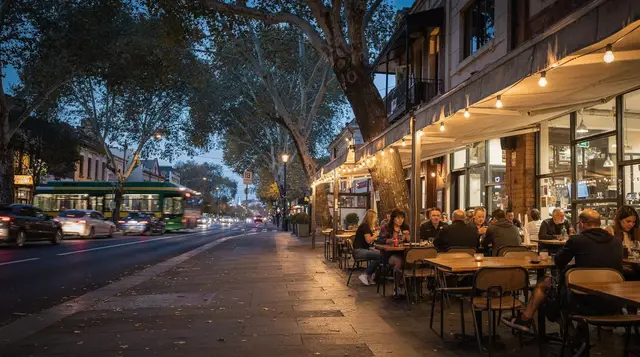
AC/DC Lane, off Flinders Lane, carries some of the CBD’s most recognisable small bars alongside its street-art and live-music identity, renamed in 2004 partly in tribute to the band’s Melbourne roots. Hardware Lane and its surrounding streets hold a denser, larger-scale version of the same model, though skewing more toward restaurant-bar hybrids than the tiniest hidden venues. Dozens of smaller, less-marked lanes throughout the CBD grid hold individual small bars that don’t fit neatly into any single named precinct, discoverable more through word of mouth or a guided tour than casual wandering.
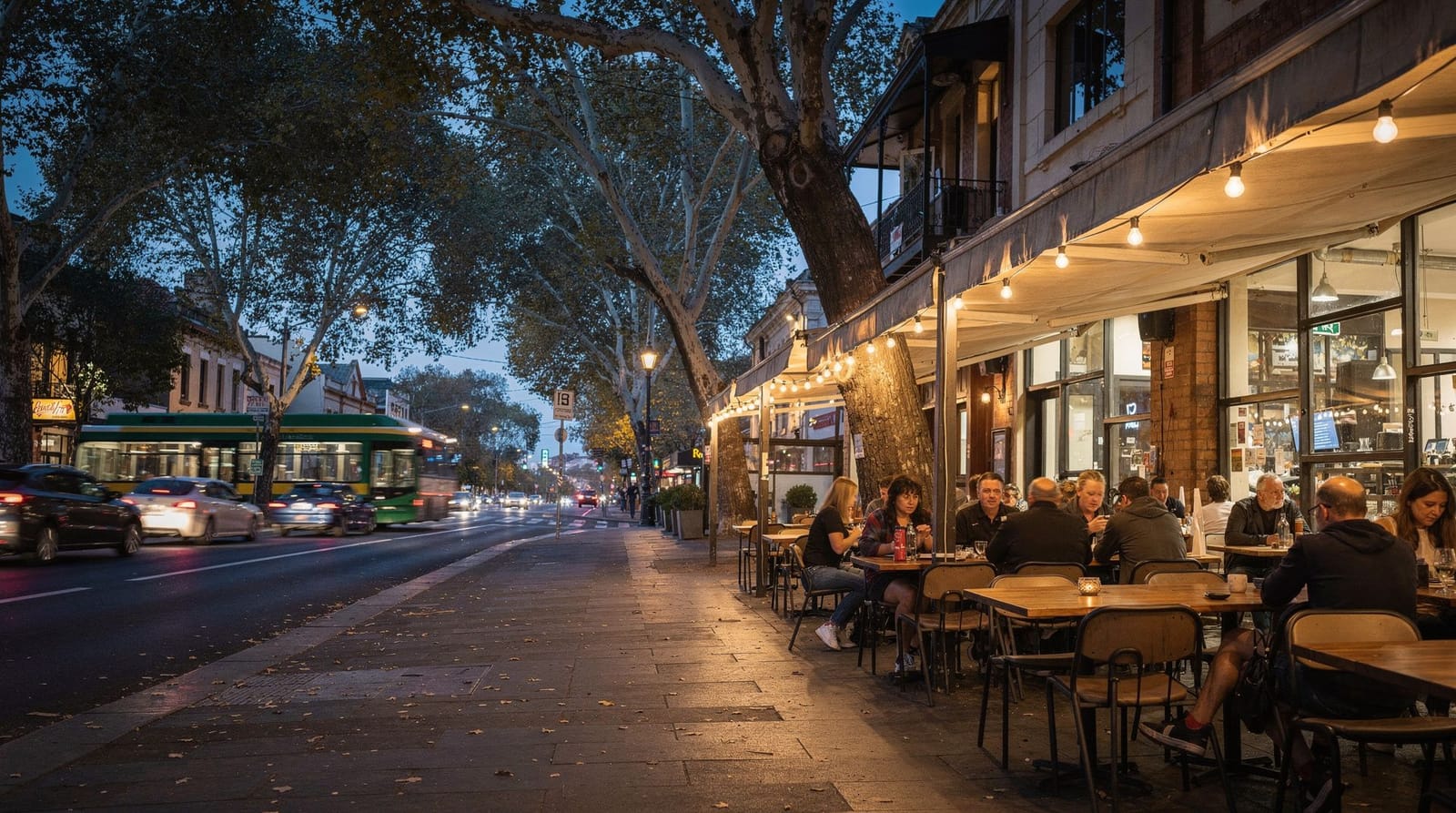 Melbourne laneways larrikins and liquor tourCheck availability
Finding the hidden ones
Part of the laneway bar scene’s deliberate character is minimal or absent street signage — some venues sit behind unmarked doors, up narrow staircases, or through what looks like a service entrance, a design choice that reinforces the “discovery” feeling central to the scene’s appeal rather than a genuine attempt to stay secret from paying customers. This makes a guided small-bar tour a genuinely useful investment for a first visit, since a guide who knows the current scene can walk you directly to several venues you’d likely never find by chance, while explaining which bars have real history versus which are newer arrivals riding the “hidden bar” trend.
book a hidden laneway bars and stories tourWhat makes a laneway bar distinctive
Beyond small capacity and hidden entrances, Melbourne’s laneway bars tend to commit hard to a specific theme or identity rather than aiming for broad, generic appeal — a bar might specialise entirely in a particular spirit, run a consistent design aesthetic tied to a specific era or subculture, or build its whole identity around one signature cocktail list. That specificity, multiplied across dozens of individually distinct venues within a compact area, is what gives Melbourne’s laneway bar-hopping experience its variety — moving between three or four venues in an evening feels like visiting genuinely different places rather than the same formula repeated.
book a laneway bars and dark history walking tourLaneway bars versus laneway cafes: same streets, different scenes
Many of the CBD’s laneways carry both daytime cafe culture and evening bar culture without a clean handover between the two — Degraves Street and Centre Place run heavily as cafe strips through the morning and lunch rush, then quieten before some of the same physical spaces (or venues a few doors down) pick up as evening bars. It’s worth knowing this overlap exists rather than assuming a laneway is exclusively one or the other; the same physical alley can feel like an entirely different place at 9am versus 9pm.
Laneway bars and the street art connection
Several of Melbourne’s most recognised laneway bar precincts, particularly AC/DC Lane, sit directly alongside or within the same recognised street art zones covered elsewhere on this site — a natural overlap given both scenes emerged from the same broader shift in how the city treated its laneway network from the 1990s onward. A walking loop that takes in Hosier Lane’s street art during the day and returns to the same general area for laneway bars in the evening is one of the more efficient ways to experience this connected history in a single visit.
Opening hours and how the evening unfolds
Most laneway bars open from late afternoon, roughly 4-5pm, running through to a standard 1am closing, with a smaller number of CBD venues holding extended licences to 3am or later on weekends specifically. Few operate for daytime trade, in contrast to the CBD’s laneway cafes (Degraves Street, Centre Place) that share the same physical laneway network but serve an entirely different daytime crowd. The natural evening rhythm tends to start around 6-7pm with an early crowd, building through the evening, with the smallest, most specialty-focused bars often busiest earlier before larger, later-licensed venues take over past 11pm.
Pricing
Expect roughly 8-11 AUD for a beer and 18-24 AUD for a cocktail at most laneway bars, broadly consistent with Melbourne’s wider bar pricing and generally a few dollars below the CBD’s newer rooftop bar scene. Specialty cocktail bars with an elaborate, bespoke drinks program sometimes price above this range, reflecting genuinely more involved preparation rather than pure location premium.
Solo visits versus group bookings
Laneway bars generally suit solo visitors and small groups better than large parties, given how little floor space most venues have — a group of eight or more may struggle to find seating together at the smallest bars, and some venues simply don’t take bookings at all, operating strictly on a first-come basis. If you’re travelling as a larger group, checking in advance whether a specific venue accepts reservations, or choosing a slightly larger laneway bar over the tiniest hidden ones, avoids an awkward standing-room-only night split across multiple corners of a small room.
Etiquette and practical tips
Carry photo ID regardless of your age — Victorian venues check ID for anyone who could plausibly be under 25, standard practice across the laneway bar scene.
Don’t expect table service everywhere — many of the smallest venues operate bar service only, given how little floor space they have for staff to navigate between tables.
Respect the one-out-one-in system at capacity, common at the tiniest venues on busy weekend nights — it’s a genuine capacity limit rather than manufactured exclusivity.
Book a guided tour for your first night if you want to see several venues efficiently rather than spending an evening searching for unmarked doors.
How this connects to Melbourne’s live music scene
The same licensing reform that built the laneway bar scene runs in parallel with Melbourne’s live music venue culture — several laneway bars, including Cherry Bar in AC/DC Lane, combine the small-bar model with regular live music programming, blurring the line between a bar built for drinking and one built for a gig. Understanding this overlap helps explain why so much of Melbourne’s nightlife identity gets discussed as a single connected scene rather than separate “bars” and “music venues” categories.
Where to base yourself for laneway bar access
Staying in the CBD puts you within walking distance of the densest concentration of laneway bars, avoiding a late-night tram or taxi trip home. Southbank is a close second, a short walk across Princes Bridge. Visitors staying further out in Fitzroy, St Kilda or Richmond can still enjoy the CBD laneway scene for an evening, but should factor in tram or train timing for the trip home, particularly on weeknights when services run less frequently late at night.
Where this fits in your Melbourne trip
Melbourne’s laneway bars are arguably the single most distinctive, least replicable piece of the city’s nightlife identity, and a night spent moving between three or four small, genuinely different venues delivers a more authentically Melbourne experience than almost any other single activity after dark. They pair naturally with the broader nightlife guide, an earlier rooftop bar drink for the view, and a stop at one of the live music venues covered elsewhere on this site if a gig lines up with your visit — together giving a genuinely complete picture of how Melbourne actually spends its evenings.
A realistic first-night bar-hopping route
For a first-timer wanting to sample the scene efficiently without a guided tour, a workable evening starts around 6pm at a smaller AC/DC Lane venue while it’s still quiet, moves toward Hardware Lane for a second drink alongside dinner if hunger sets in, then finishes with a stop at one of the less-marked lanes discovered along the way — half the appeal of a self-guided night is the genuine discovery of stumbling onto an unmarked door you weren’t specifically looking for. Budget roughly 45-60 minutes per venue rather than rushing between four bars in two hours, since much of the appeal is the specific atmosphere of each individual space rather than simply ticking off a list.
Craft beer and whisky specialists within the scene
Not every laneway bar is a cocktail specialist — a meaningful subset of the scene focuses on craft beer, with rotating tap lists from Victoria’s craft beer and brewery scene, while others lean into whisky and spirit specialism with extensive bottle lists rather than an elaborate cocktail program. This variety matters for visitors who find cocktail bars less appealing than a simple, well-curated beer or whisky list — the laneway network genuinely accommodates both preferences within a short walk of each other, rather than the scene being purely cocktail-focused as some marketing suggests.
How the scene compares to Sydney and other Australian cities
Visitors arriving from Sydney or Brisbane sometimes ask why Melbourne’s small-bar scene feels noticeably denser and more varied than equivalent precincts elsewhere in Australia — the honest answer traces back to how enthusiastically and consistently Victoria’s licensing reform was adopted locally compared with other states’ slower or more restrictive equivalents. Sydney in particular maintained tighter, more expensive licensing requirements for longer, meaning its own small-bar scene, while genuinely good in its own right, developed later and never reached quite the same density within a single compact CBD grid that Melbourne’s laneway network offers.
More tours on Viator
Top-rated experiences with verified reviews, bookable on Viator (a Tripadvisor company).


Frequently asked questions about Melbourne's laneway bars
Why does Melbourne have so many laneway bars?
A specific Victorian liquor licensing reform in the mid-1980s, refined through the 1990s, created a lower-cost, lower-capacity licence category that made genuinely small venues commercially viable for the first time. Before that reform, opening a licensed venue generally required capital and floor space that made tiny bars unviable.How do I find Melbourne's hidden laneway bars?
Many have deliberately unmarked or minimal signage as part of their character, so word of mouth, a guided small-bar tour, or a dedicated laneway bar guide app or website tend to work better than simply walking the laneways hoping to spot a door. Once you know a few names and rough locations, subsequent visits get much easier.What time do Melbourne laneway bars open and close?
Most open from late afternoon, around 4-5pm, through to a standard 1am closing, with some CBD venues holding extended licences to 3am or later on weekends specifically. Few laneway bars open for daytime trade, unlike some cafes that share the same laneway space.Are laneway bars expensive in Melbourne?
Moderately, but not dramatically above other Melbourne nightlife venues — expect roughly 8-11 AUD for a beer and 18-24 AUD for a cocktail, similar to broader CBD pricing and generally a few dollars below rooftop bar equivalents.Can I just walk into any Melbourne laneway bar?
Most, yes, without a reservation, though very small venues (some hold fewer than 30-40 patrons) can reach capacity on busy weekend nights, at which point staff may operate a one-out-one-in system until space frees up.
Top experiences
Bookable activities with verified prices and instant confirmation on GetYourGuide.