Fitzroy neighborhood guide: Melbourne's bohemian heart
Collingwood Victoria Australia: Melbourne coffee culture history of collingwood tour
Is Fitzroy a good place to stay in Melbourne?
Yes, for travellers who want cafes, bars, street art and vintage shopping over CBD convenience — Fitzroy is Melbourne's oldest and most bohemian inner suburb, a 10-15 minute tram ride or 25-35 minute walk from the city centre, with a genuinely different, less touristy atmosphere than staying in the CBD itself.
Melbourne’s oldest, most bohemian suburb
Fitzroy is Melbourne’s oldest suburb, established in the 1840s just north of the original city grid, and it’s carried a countercultural, artistic identity for decades — a reputation that predates its current wave of independent cafes, vintage shops and bars by generations, tracing back through successive waves of migrant communities, artists and students who found cheap rent and creative freedom in its narrow terrace-house streets.
| Where | Inner north, ~2-3km from the CBD |
| Getting there | 10-15 min tram, or a 25-35 min walk |
| Best for | Cafes, bars, vintage shopping, street art |
| Coffee | Around 4.50-5.50 AUD flat white |
| Best time | Weekday for quieter browsing; evenings for bars & live music |
That layered history is still visible today: Victorian-era cast-iron lacework terraces (covered in more depth in our Victorian architecture guide) sit alongside contemporary murals and a dense concentration of independent hospitality that’s made Fitzroy one of Melbourne’s most-loved, if occasionally most self-consciously “cool,” inner suburbs.
Brunswick Street: the main artery
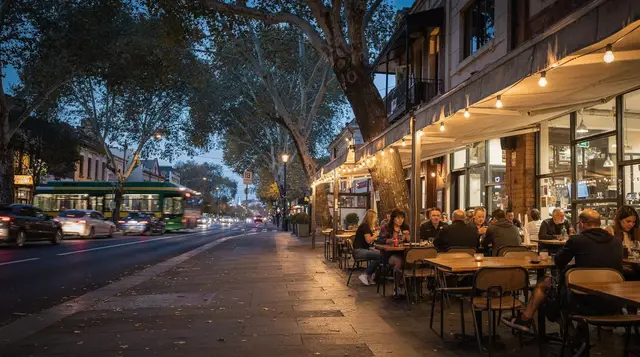
Brunswick Street runs the length of Fitzroy from the CBD-adjacent southern end up toward Alphington, and it’s the neighbourhood’s dense, unbroken commercial spine — cafes, bars, live music venues, vintage clothing stores, bookshops and record shops packed shoulder to shoulder for the better part of a kilometre. It’s genuinely one of the best streets in Melbourne for an aimless wander, since the retail mix skews so heavily independent that browsing rather than beelining is the natural way to experience it.
Evening brings out Brunswick Street’s other identity as one of the city’s live music and bar strongholds, with venues ranging from long-running rock pubs to newer wine bars occupying the same stretch of street.
Gertrude Street: the quieter, more polished cousin
A few blocks south, Gertrude Street carries a shorter but increasingly well-regarded run of higher-end dining, small independent galleries and design-conscious retail — a noticeably more polished, less rough-around-the-edges strip than Brunswick Street’s denser, scruffier energy. It’s worth the short detour if you want a specific dinner reservation or gallery-hopping afternoon rather than Brunswick Street’s browse-everything approach.
 Melbourne coffee culture history of collingwood tourCheck availability
Street art and creative culture
Fitzroy’s back streets and laneways carry some of Melbourne’s most extensive street art, spread across residential fences, shop shutters and industrial walls in a way that dwarfs the CBD’s more famous but more compact laneway scene. Rose Street and the network of smaller lanes off Brunswick and Gertrude streets reward a slow, unhurried walk with genuinely varied stencil work, large-scale murals and rotating smaller pieces that change on a similar informal-tolerance basis to the CBD’s recognised precincts.
Brunswick Street versus Gertrude Street at a glance
| Brunswick Street | Gertrude Street | |
|---|---|---|
| Character | Dense, unbroken, browse-everything energy | Shorter, quieter, more polished |
| Best for | Vintage shopping, live music, casual bars | Dinner reservations, small galleries |
| Price level | Generally lower | Generally higher |
| Crowds | Busiest, especially weekends | Noticeably quieter |
A brief history: from tenements to Melbourne’s coolest suburb
Fitzroy’s transformation from working-class 19th-century tenement housing to one of Melbourne’s most sought-after inner suburbs happened in distinct waves. Through the late 1800s and early 1900s, it housed successive waves of working-class residents in dense terrace housing, much of it built quickly and cheaply during the gold-rush-era population boom without the ornamentation of Carlton’s grander terraces a few streets over.
By the mid-20th century, Fitzroy had become one of Melbourne’s poorer, more run-down inner suburbs, its cheap rents attracting Italian and Greek migrant communities in the postwar decades, followed by a wave of artists, students and counterculture figures through the 1970s and 80s who found the same low rents appealing for entirely different reasons.
That artistic and countercultural wave laid the groundwork for Fitzroy’s current identity, and the suburb has since gentrified substantially — rents are no longer cheap by Melbourne standards, and the same terrace houses that once housed migrant families now command some of the city’s higher inner-suburban property prices. What’s remained consistent through all these waves is a resistance to homogenisation: chain retail and generic hospitality have made comparatively little inroad on Brunswick Street and Gertrude Street compared with most equivalent strips in other Australian cities, a genuine point of local pride.
Getting oriented: Fitzroy’s key cross streets
Beyond Brunswick and Gertrude streets, a handful of cross streets help orient a first visit. Johnston Street marks Fitzroy’s southern edge, transitioning into Collingwood and, further west, into the CBD-adjacent grid. Alexandra Parade forms a busier, wider boundary to the north, beyond which the character shifts toward Clifton Hill and quieter residential streets. Smith Street, running along the Fitzroy-Collingwood border, has its own distinct grittier retail scene worth a look if you’ve covered the two main strips and want a third option nearby.
Markets and weekend shopping
Fitzroy hosts periodic weekend markets, including a well-known artisan and vintage market on Rose Street that draws local designers, craftspeople and secondhand sellers rather than the mass-produced souvenir stalls common at more tourist-oriented markets. These run on a rotating schedule rather than daily, so check current dates if a specific market visit is part of your plan — they’re a genuinely good source for locally made goods distinct from what you’d find in CBD retail.
Coffee and cafe culture
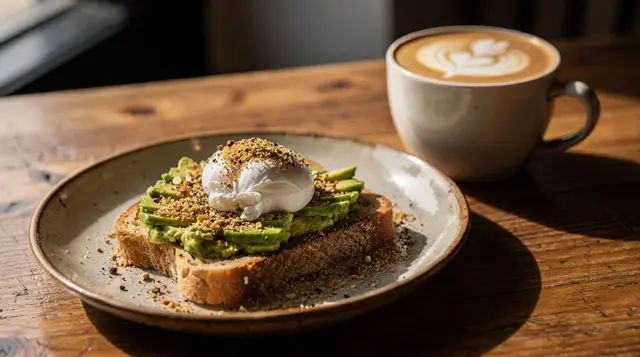
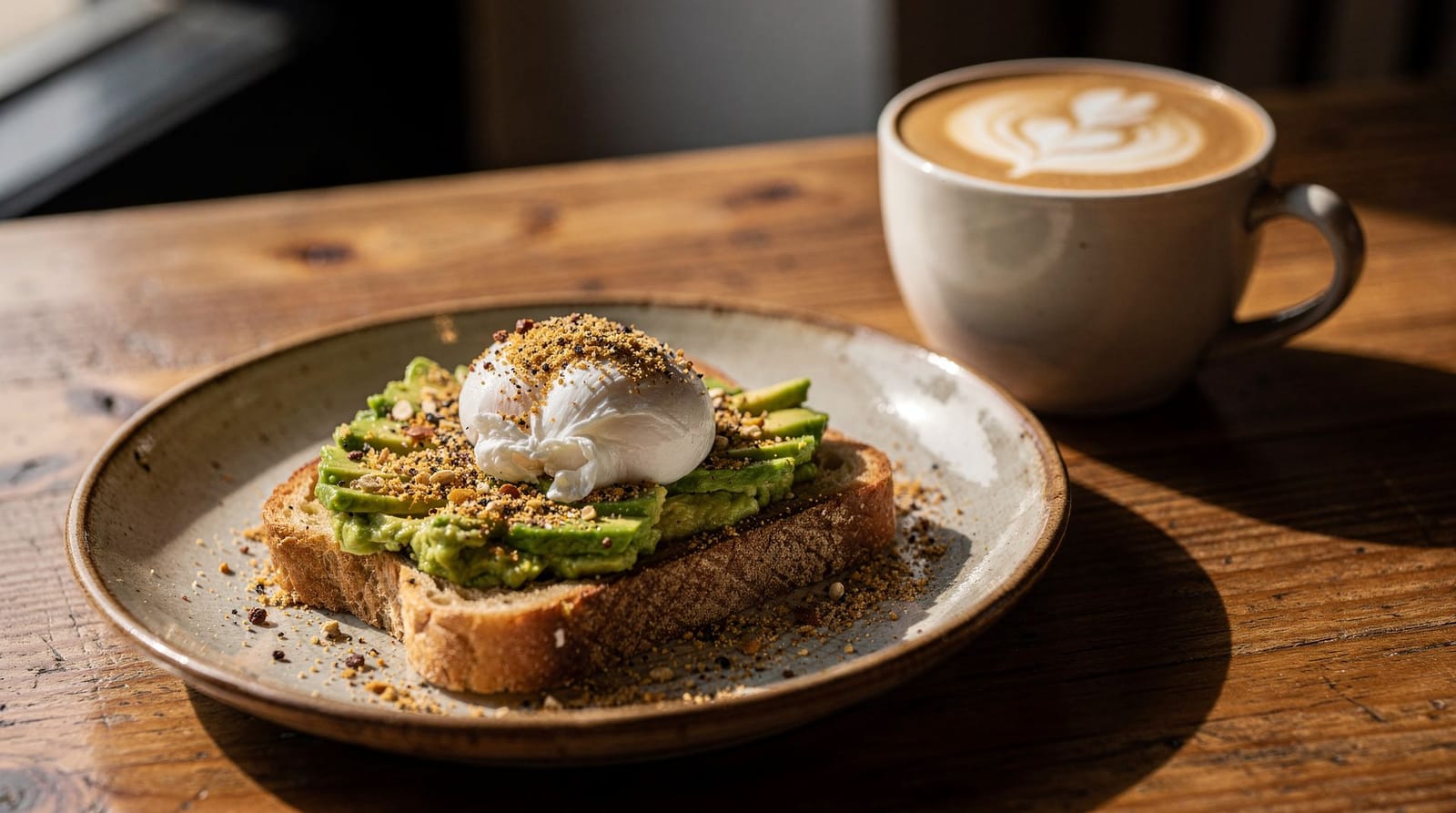
Fitzroy is frequently cited among Melbourne’s best suburbs for coffee specifically, home to several roasters and cafes that helped define the city’s broader specialty coffee reputation well before it became an internationally recognised export. Expect to pay roughly 4.50-5.50 AUD for a flat white or long black at most Fitzroy cafes, broadly in line with Melbourne’s citywide coffee pricing, with the neighbourhood’s density of independent operators giving genuinely more variety than a similarly sized CBD stretch.
Bars and nightlife
Beyond Brunswick Street’s live music pubs, Fitzroy and neighbouring Collingwood carry a strong small-bar and cocktail scene distinct from the CBD’s laneway bar network — generally more relaxed, less tourist-trafficked, and skewing toward a mix of long-running local institutions and newer, design-forward openings. It’s a natural complement to a night that also takes in Melbourne’s broader nightlife scene if you’re comparing inner-north versus CBD options for an evening out.
book a Fitzroy hidden bars walking tourFood beyond coffee
Fitzroy’s dining scene runs from long-established, unpretentious pub kitchens to some of Melbourne’s more ambitious independent restaurants, with a genuinely diverse spread across price points — a solid Brunswick Street pub meal can run 20-25 AUD, while Gertrude Street’s higher-end dining rooms push well past 50-60 AUD per main. The suburb’s migrant history is still reflected in its food scene, with long-running Italian, Greek and Vietnamese establishments sitting alongside newer, more design-conscious openings, giving Fitzroy a food identity that reads as layered history rather than a single trend-driven wave.
An honest take on Fitzroy’s reputation
It’s worth being upfront that Fitzroy’s “cool, bohemian” reputation is now well-established enough to have become its own kind of tourist draw, and some visitors arrive expecting an undiscovered, purely local secret only to find a neighbourhood that’s been on “best of Melbourne” lists for years. That doesn’t make it not worth visiting — the cafes, bars and street art are genuinely good — but go in understanding you’re seeing a well-known, somewhat curated version of bohemian Melbourne rather than stumbling on something undiscovered.
For a genuinely quieter, less visited version of similar inner-city character, some of Fitzroy’s own back streets away from Brunswick and Gertrude still deliver that experience, as does neighbouring Collingwood’s more industrial, less polished stretch.
Getting there from the CBD
By tram, routes running up Brunswick Street or Nicholson Street from the CBD take roughly 10-15 minutes and run frequently throughout the day and evening. On foot, it’s a comfortable 25-35 minute walk from Flinders Street Station, passing through the CBD’s northern edge and into Fitzroy’s terrace-house streets — a genuinely pleasant walk in good weather rather than a purely functional commute. By car, street parking in Fitzroy is limited and subject to strict permit zones in residential streets, making the tram the more practical choice for most visitors regardless of whether you’re staying in the neighbourhood or just visiting for an afternoon.
Where to stay in Fitzroy
Accommodation in Fitzroy skews toward boutique hotels and short-term apartment rentals rather than large international chains, generally with more character but less standardised service than a comparable CBD hotel. Prices tend to run slightly below equivalent CBD quality, making Fitzroy a reasonable value choice as well as an atmospheric one, provided you’re comfortable with the short tram or walk into the city centre for CBD-based sightseeing.
Fitzroy by season
Melbourne’s changeable weather affects a Fitzroy visit more than some CBD attractions, given how much of the experience is outdoor walking and cafe browsing. Summer (December-February) days can turn hot enough that a midday stretch of unshaded Brunswick Street becomes uncomfortable — mornings and evenings are more pleasant, with outdoor cafe seating genuinely appealing once the heat eases. Winter (June-August) brings shorter days and a real chance of rain, though Fitzroy’s density of indoor bars and cafes means a wet afternoon is easily spent ducking between venues rather than being stuck outdoors.
Autumn (March-May), Melbourne’s generally best season, offers the most reliably comfortable conditions for an extended walking exploration of the neighbourhood’s back streets.
Fitzroy with families
Fitzroy isn’t primarily marketed as a family destination, but it works reasonably well for families travelling with older children and teenagers who’ll appreciate the street art, vintage shopping and relaxed cafe culture — it’s less suited to families with very young children or prams given the narrower footpaths and higher density of bars compared with a more purpose-built family neighbourhood like Southbank or St Kilda. If you’re staying in Fitzroy with a family, Carlton Gardens and Melbourne Museum are a short tram ride away for a more explicitly kid-oriented day.
Fitzroy for solo travellers
Fitzroy works genuinely well as a solo base — its cafe culture is naturally suited to sitting alone with a coffee and a book, several bars have communal or bar-height seating that makes solo drinking feel normal rather than conspicuous, and the neighbourhood’s walkability means you can explore extensively on foot without needing to coordinate transport with anyone else. Evening safety is generally good along the main strips given consistent foot traffic, though the usual inner-city common sense — sticking to well-lit main streets late at night rather than quiet side streets — applies here as much as anywhere.
Practical tips
Visit on a weekday if you want a quieter browsing experience — Brunswick Street gets genuinely busy on weekend afternoons and evenings, when both locals and visitors converge on the same strip.
Bring cash for smaller vintage shops and market stalls, some of which still prefer cash for lower-value purchases despite Melbourne’s broadly card-first payment culture.
Combine with Collingwood for an extended afternoon — the two suburbs blend into each other without a clear dividing line, and Collingwood’s larger commissioned murals add to the street art you’ll already be seeing in Fitzroy.
Check opening hours before a specific cafe visit. Fitzroy’s independent operators sometimes keep more variable hours than chain cafes, occasionally closing early or on quieter weekdays.
Where this fits in your Melbourne trip
Fitzroy is one of the best single neighbourhoods for understanding Melbourne’s creative, independent identity beyond the CBD’s more polished, visitor-oriented core, and it rewards an unhurried half-day or full day over a rushed hour. It pairs naturally with Melbourne’s street art scene, the city’s live music and laneway bars culture, and — for a longer inner-north loop — a walk through to neighbouring Carlton for a contrasting, more Italian-dining-focused finish to the day.
For visitors weighing up where to stay in Melbourne more broadly, Fitzroy suits anyone prioritising neighbourhood character and independent hospitality over maximum proximity to the CBD or Southbank’s major sights.
More tours on Viator
Top-rated experiences with verified reviews, bookable on Viator (a Tripadvisor company).


Frequently asked questions about Fitzroy neighborhood guide
How far is Fitzroy from Melbourne's CBD?
Roughly 2-3km, translating to a 10-15 minute tram ride along Brunswick Street or Nicholson Street, or a comfortable 25-35 minute walk if you'd rather see the streets in between.What's the difference between Brunswick Street and Gertrude Street?
Brunswick Street is Fitzroy's longer, busier main strip, dense with cafes, bars, vintage shops and live music venues end to end; Gertrude Street, running roughly parallel a few blocks over, is shorter and skews toward higher-end dining, small galleries and a slightly more polished, design-conscious retail scene.Is Fitzroy safe at night?
Yes, generally — Brunswick Street stays lively and well-populated well into the evening given its bar and restaurant density, though some quieter side streets a block or two off the main strips are less busy after dark, as in most inner-city neighbourhoods.Is Fitzroy good for vintage shopping?
Yes, it's one of Melbourne's best areas for it — Brunswick Street in particular carries a dense run of vintage and secondhand clothing stores, alongside independent bookshops and record stores, distinct from the CBD's more mainstream retail offering.Can I walk from Fitzroy to the CBD laneways?
Yes, it's a genuinely comfortable 25-35 minute walk down Brunswick Street or Gertrude Street into the CBD grid, passing through Melbourne's inner-city terrace-house streets along the way — a good option if you want to see the neighbourhood transition rather than taking the tram directly.Is Fitzroy walkable to Melbourne Museum and Carlton Gardens?
Yes, roughly a 15-20 minute walk or a short tram hop connects Fitzroy to Carlton Gardens and Melbourne Museum, making it realistic to combine a Fitzroy morning with an afternoon at the museum, or vice versa, without needing a taxi or rideshare for what's genuinely a comfortable inner-city distance.What's a realistic budget for a day in Fitzroy?
A relaxed day covering coffee, a pub lunch, some vintage shopping browsing and an evening drink runs roughly 60-90 AUD per person excluding accommodation — coffee around 5 AUD, a pub meal 20-25 AUD, a couple of drinks 15-25 AUD, plus whatever you spend on vintage finds, which varies enormously by what catches your eye.
Top experiences
Bookable activities with verified prices and instant confirmation on GetYourGuide.