Melbourne vs Sydney: which one should you visit
There’s no universally correct answer, but there is a correct answer for you
This comparison deliberately avoids declaring an overall winner, because the travellers asking this question tend to have quite different priorities hiding behind the same surface-level question — and the honest, useful answer depends entirely on surfacing those priorities first.
| Category | Melbourne | Sydney |
|---|---|---|
| Scenery/landmarks | Handsome, not iconic | Wins clearly (Harbour, Opera House) |
| Food and coffee | Wins clearly | Strong, pricier at the top end |
| Nightlife | Wins narrowly | Good, more precinct-based |
| Live sport | Wins clearly (MCG) | Good (SCG, rugby league) |
| Day trips | Wins on variety | Fewer but excellent |
| Airport access | SkyBus/taxi, 25-30 min | Direct train, ~15 min |
Melbourne and Sydney are Australia’s two biggest cities and its oldest rivalry — Australians pick a side reflexively, and most of the arguments are only partly useful to a visitor. The honest version: Sydney has the scenery (the Harbour, the Opera House, Bondi Beach), and Melbourne has the culture (coffee, food, live sport, laneways). If you can only visit one on a short trip, the right choice depends on what you actually want from the visit, not which city “wins” in the abstract.
A note on the rivalry itself
The Melbourne-Sydney rivalry runs deep in Australian culture, dating back to the 1800s competition between the two colonies, and it’s partly why Canberra ended up as the compromise national capital rather than either city. Visitors sometimes find locals in each city eager to make the case for their own — take this with a grain of salt, since much of the rivalry is good-natured civic pride rather than a genuinely objective assessment of which city serves visitors better.
Scenery and landmarks: Sydney wins clearly
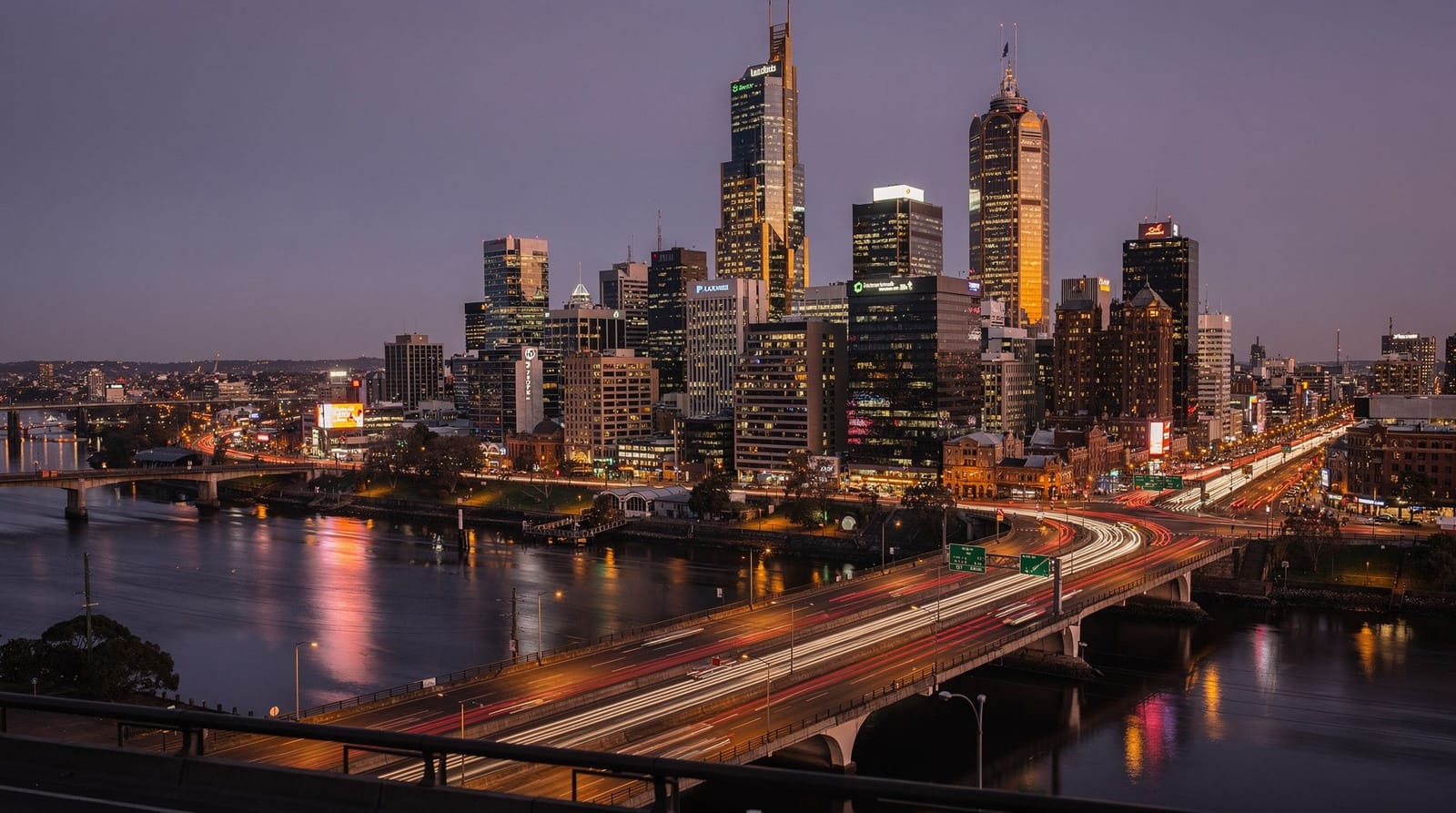
Sydney Harbour, the Opera House and the Harbour Bridge form one of the most photogenic city set-pieces anywhere, and Bondi and Manly give Sydney beach access that’s genuinely inside the city rather than a day trip away. Melbourne has no equivalent single landmark — its skyline (Eureka Tower, the CBD grid) is handsome but not iconic in the same way, and while St Kilda and Brighton have beaches, they’re suburban bay beaches rather than Bondi-scale surf beaches.
Food and coffee: Melbourne wins clearly
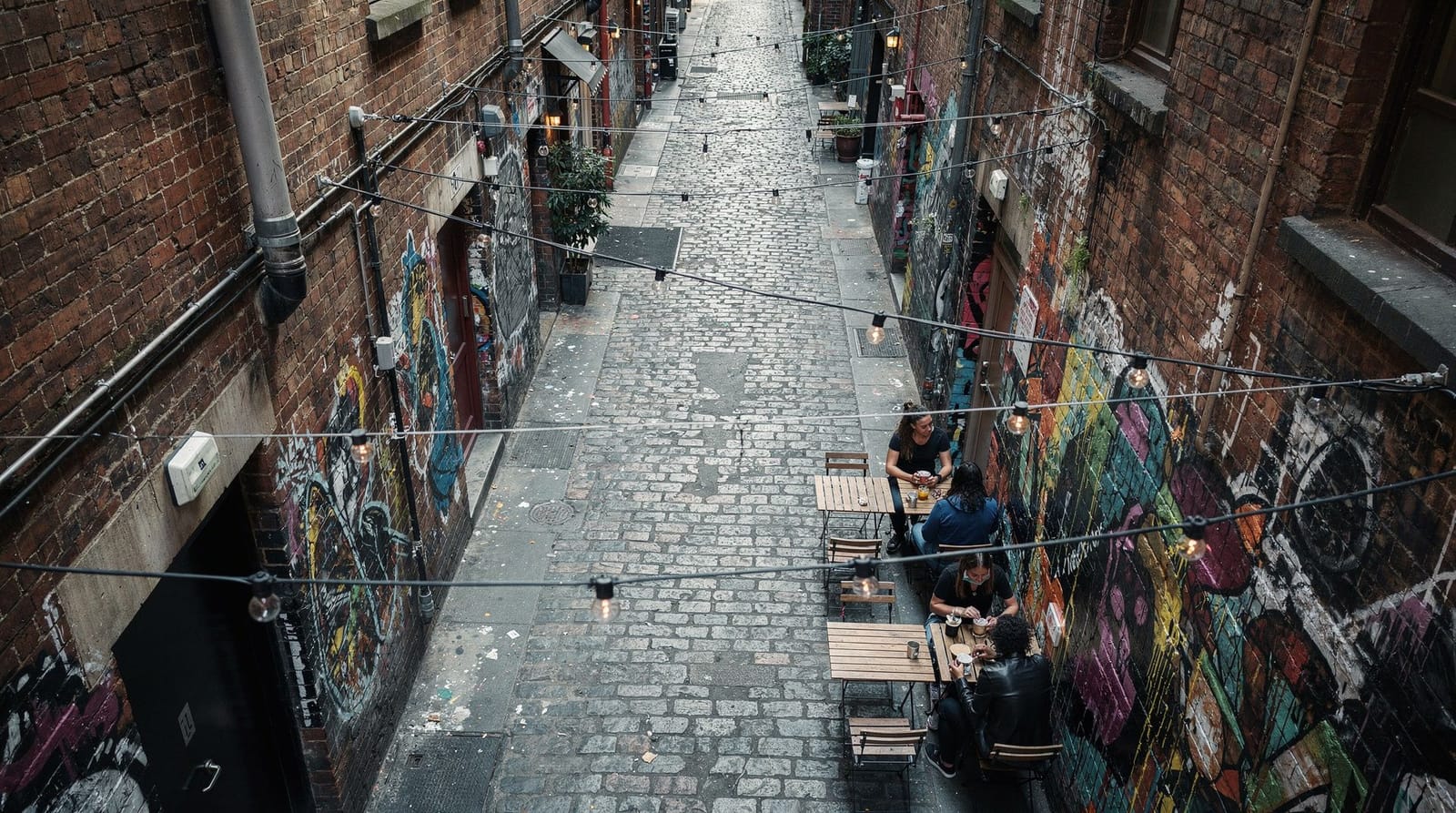
Melbourne’s café culture runs deeper as an everyday baseline — a decent flat white is the norm rather than a highlight — and its immigrant-shaped food scene (Vietnamese in Footscray, Italian on Lygon Street, Greek in the CBD, Chinese in Chinatown) is dense and genuinely excellent at low price points. Sydney’s dining scene is strong too, particularly at the higher end and around the harbour, but Melbourne’s is broader and cheaper at the everyday level, and its laneway café culture is a genuinely different daily experience.
If you want to understand that difference rather than just read about it, the quickest way in is to see the laneways with someone who knows them. A guided bus tour through the city, suburbs and laneways covers more ground, while a walking tour of the city’s history, laneways and culture suits people who would rather go slowly and ask questions. Our laneways walking guide and street art guide cover the self-guided route.
Nightlife and small bars: Melbourne wins narrowly
Melbourne’s hidden laneway bars — often unmarked, tucked behind nondescript doors — are one of its more distinctive features, and the city’s live music scene (from small pub venues to the Corner Hotel in Richmond) is deep. Sydney has good nightlife too, concentrated more around specific precincts (Newtown, the CBD’s smaller bar scene since lockout laws eased), but Melbourne’s bar culture is more woven through everyday life.
Live sport: Melbourne wins clearly
The MCG is the spiritual home of Australian sport, hosting AFL and cricket at a scale (100,000-plus capacity) that has no real Sydney equivalent, and the Australian Open (January) brings world-class tennis to Melbourne Park. Sydney has the SCG and good rugby league culture, but Melbourne’s sporting calendar and stadium scale are the stronger pull for a sports-interested traveller.
Day trips: Melbourne wins on variety
Melbourne’s regional surroundings — the Great Ocean Road, Phillip Island’s penguins, Yarra Valley wine country, the Dandenong Ranges — offer a genuinely wide range of day trips within one to two hours. Sydney’s best day trips (the Blue Mountains, Hunter Valley) are excellent but narrower in variety, and generally take longer to reach.
Because the regional trips are so varied, many visitors want a simple way to get their bearings in the city before heading out. a city highlights tour by bus is an easy first-day option, and if you prefer to travel on two wheels, an electric bike sightseeing tour takes the effort out of the hills and lets you cover more neighbourhoods. For the full range of options, see our bike tours guide and the Great Ocean Road tour vs drive comparison.
Getting between the two cities
Beyond the roughly 1.5-hour direct flight, Melbourne and Sydney are also connected by long-distance coach and, for travellers with more time than urgency, a rail service that takes considerably longer (around 10-11 hours) but offers a scenic overland alternative for those wanting to see regional New South Wales and Victoria along the way rather than flying over it.
Cost: roughly comparable
Both cities sit in a similar mid-to-high price bracket by Australian standards; neither is meaningfully cheaper. Accommodation in central Sydney can run slightly higher than equivalent Melbourne CBD hotels during peak season, but the gap is not large enough to be a deciding factor.
Weather: neither wins outright
Sydney has a milder, more consistent climate with more reliable sunshine; Melbourne is famous for its changeable “four seasons in one day” weather in every season. If consistent, predictable weather matters to your plans, Sydney has the edge — though Melbourne’s unpredictability is at least honestly well known, so you can pack for it.
If you can only pick one
Pick Sydney if: you want iconic scenery and photogenic landmarks, beach culture is a priority, or you have a very short stopover (one to two days) and want maximum visual impact fast.
Pick Melbourne if: you care more about food, coffee and live sport than postcard views, you’re staying three-plus days and want a genuinely varied regional day-trip base, or you’re the kind of traveller who prefers wandering unplanned over ticking off a checklist.
Airport and city access compared
Sydney Airport sits noticeably closer to its CBD than Melbourne’s, with a direct train link (the Airport Link) reaching the city centre in around 15 minutes — a genuine convenience advantage over Melbourne, where there is currently no train connection and SkyBus or a taxi is required instead, typically taking 25-30 minutes. This is a small but real point in Sydney’s favour for travellers prioritising arrival convenience, particularly on a short stopover where every hour matters.
Neighbourhood character compared
Sydney’s neighbourhoods tend to be defined more by geography and water views (the eastern beaches, the harbour-side suburbs, Manly across the harbour), while Melbourne’s are defined more by cultural character and food identity (Fitzroy’s bohemian creative scene, Footscray’s Vietnamese community, Carlton’s Italian heritage). Neither approach is objectively better, but it does mean Sydney rewards a traveller who wants scenery within each neighbourhood visited, while Melbourne rewards one more interested in each neighbourhood’s specific cultural flavour.
If you have time for both
Most multi-week Australia itineraries include both cities, connected by a roughly 1.5-hour direct flight. A reasonable split for a two-week trip is three to four days in each, though Melbourne rewards a longer stay more than a rushed one.
If Melbourne wins your priorities, where to start
If food, coffee, live sport and regional day trips tipped the balance toward Melbourne, our 3-day itinerary is a reasonable starting template, and the best time to visit guide helps you pick dates that avoid the coldest, wettest stretch of the calendar. First-timers specifically should also read our common first-timer mistakes piece before locking in an itinerary.
What locals actually say about the rivalry
Ask a Melburnian and a Sydneysider the same question and you’ll get two confidently opposite answers, both delivered with total certainty — that’s a genuine feature of the rivalry rather than a sign either side is being dishonest with you. Treat local opinion as colour rather than a reliable data point; the category-by-category breakdown above is a more useful basis for your own decision than anyone’s civic pride.
Frequently asked questions about Melbourne vs Sydney
Which city is better for first-time visitors to Australia?
Sydney is the more conventional first choice for a very short visit because of its landmark density; Melbourne rewards visitors who have three or more days to let its culture unfold rather than a fast 24-48 hour stopover.
Is Melbourne cheaper than Sydney?
The two cities are broadly comparable on cost. Sydney’s accommodation can run slightly higher during peak periods, but day-to-day costs like food and transport are similar.
Which city has better weather, Melbourne or Sydney?
Sydney’s climate is milder and more consistent year-round. Melbourne is known for sudden, unpredictable weather swings in every season — pack layers regardless of the forecast.
Can you visit both Melbourne and Sydney in one trip?
Yes, easily — they’re connected by a roughly 1.5-hour direct flight with frequent daily services, making a split multi-city itinerary straightforward.
Which airport is more convenient, Melbourne or Sydney?
Sydney’s airport has a direct 15-minute train link to the CBD, a genuine convenience advantage over Melbourne, which currently has no airport train and relies on SkyBus or taxi transfers taking 25-30 minutes.
Are Melbourne and Sydney’s neighbourhoods similar?
Not really — Sydney’s neighbourhoods tend to be defined by geography and water views, while Melbourne’s are defined more by cultural and food identity. This shapes which city rewards which kind of neighbourhood-hopping traveller.
Is Melbourne or Sydney better for a short 2-day stopover?
Sydney generally suits a very short stopover better, given its landmark density and easier airport access. Melbourne’s appeal unfolds more gradually and rewards a longer stay more than a rushed 48-hour visit.
Which city has better day trips, Melbourne or Sydney?
Melbourne wins on variety — the Great Ocean Road, Phillip Island’s penguins, Yarra Valley wine country and the Dandenong Ranges all sit within one to two hours. Sydney’s Blue Mountains and Hunter Valley are excellent but narrower in range and generally take longer to reach.
Do locals in Melbourne and Sydney actually dislike each other?
Not seriously — the rivalry is largely good-natured civic pride dating back to 1800s colonial competition, rather than genuine animosity. Expect confident, opinionated answers from locals on either side, and treat them as colour rather than fact.