Richmond
Richmond guide: the MCG's home suburb, Bridge Road factory outlet shopping, Victoria Street's Vietnamese restaurants, and Cremorne's converted warehouses.
Melbourne: Melbourne melbourne cricket ground mcg guided tour
Duration: 75 minutes
Quick facts
- Distance from CBD
- ~3 km east, 10 minutes by train or tram
- Landmark
- Borders the Melbourne Cricket Ground (MCG)
- Key street
- Victoria Street — Melbourne's original Little Saigon
- Shopping strip
- Bridge Road — factory outlet and discount fashion
- Best for
- Match-day pubs, Vietnamese food, outlet shopping
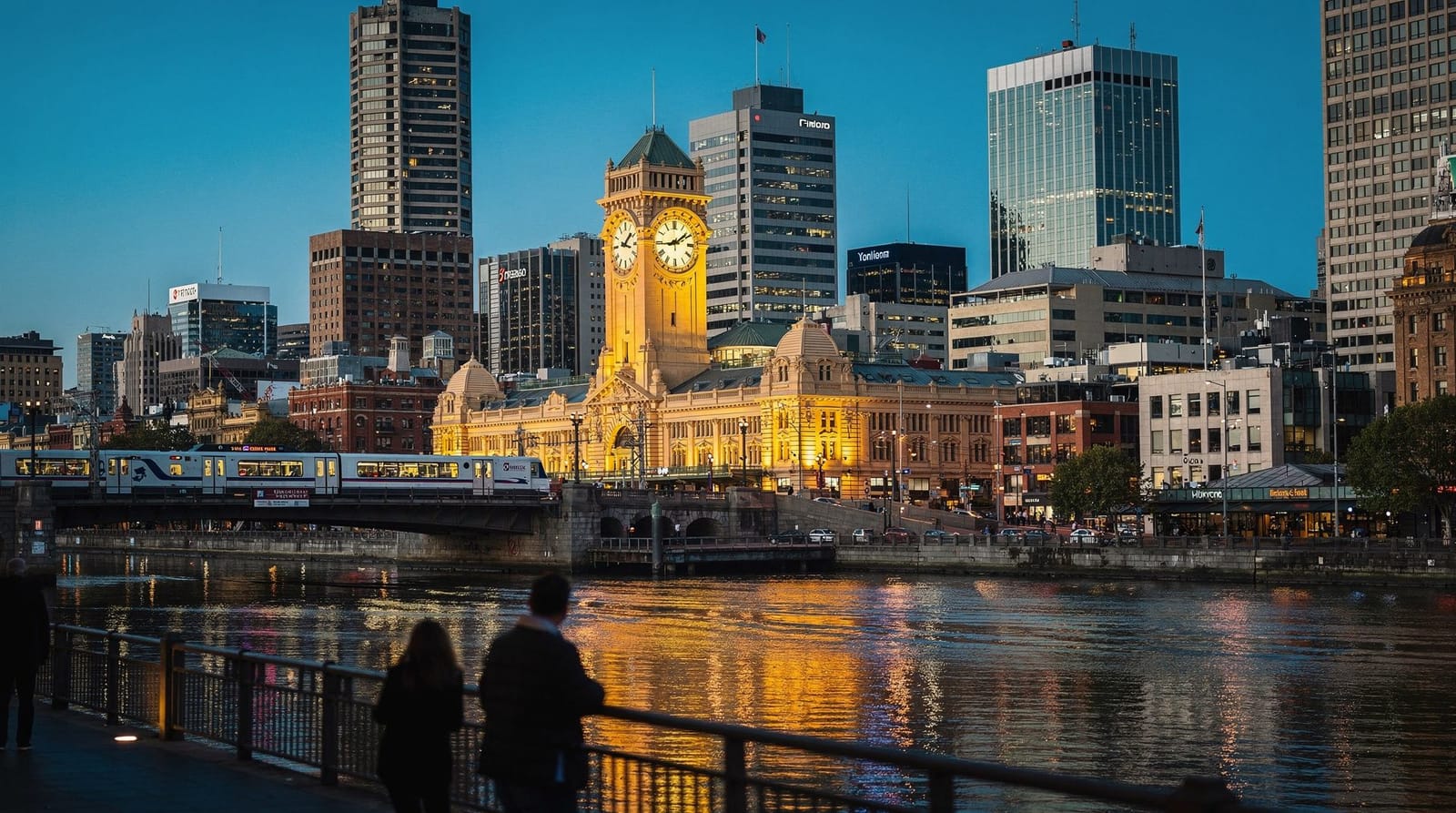
Richmond sits immediately east and southeast of the CBD, across the Yarra and the rail lines from Southbank, and its defining feature for most visitors is simply proximity: it shares its northern boundary with the Melbourne Cricket Ground, making it the default suburb for pre- and post-match pubs, and its main streets carry two distinct identities that rarely overlap — Bridge Road’s factory-outlet fashion strip and Victoria Street’s dense run of Vietnamese restaurants, Melbourne’s original “Little Saigon.”
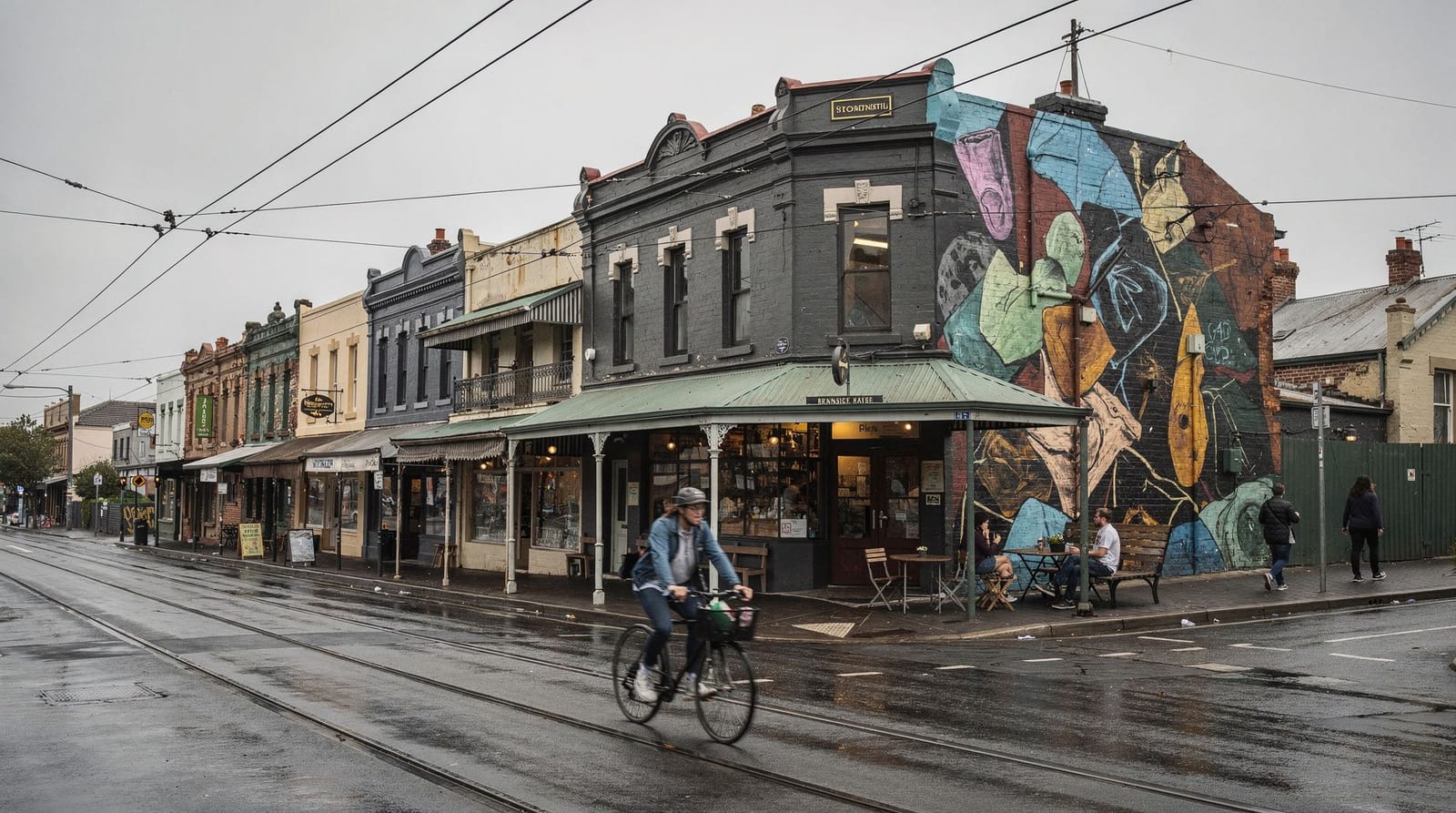
Richmond’s history is working-class and industrial — it grew through the 19th and early 20th centuries around textile mills, breweries and factories, several of which have since been converted into apartments, offices and the creative/tech precinct now branded as Cremorne at Richmond’s southern edge. That layered industrial history is still visible in the suburb’s mix of Victorian terrace housing, converted warehouses and the occasional surviving factory chimney, most notably the Nylex clock tower — a long-running, occasionally malfunctioning illuminated clock and thermometer sign on a former textile mill silo, visible from the Monash Freeway and something of an accidental Richmond landmark in its own right.
| Where | ~3 km east of the CBD, bordering the MCG and Yarra Park |
| Cost | Free to walk; a Victoria Street meal runs around 12–20 AUD |
| Time needed | Half a day for Bridge Road and Victoria Street; longer on match days |
| Getting there | Richmond station (multiple lines) or tram from the CBD, ~10 minutes |
| Best time | Weekday for shopping and food; match days for MCG pub atmosphere |
The MCG connection
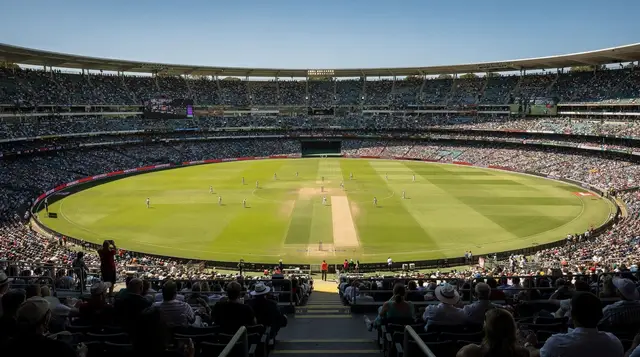
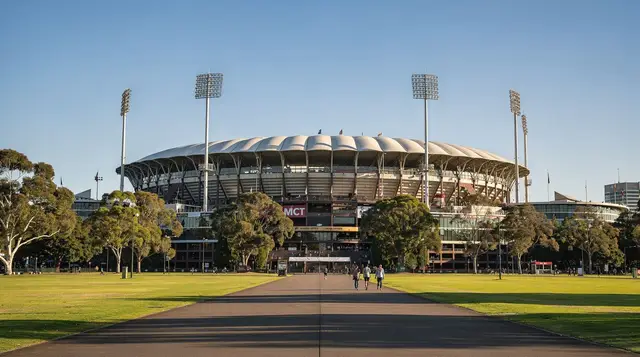
The Melbourne Cricket Ground sits on Richmond’s northern boundary (technically within Yarra Park, administratively separate from the suburb proper but functionally part of its identity), and on match days Richmond’s pubs — particularly along Swan Street and Bridge Road — fill with supporters before and after AFL and cricket matches. Several of these venues have decades of history as match-day institutions, and the walk from Richmond station to the MCG is one of the most heavily trafficked pedestrian routes in the city on game days. See our MCG guide for match-day logistics.
MCG guided tour: behind the scenes at the Melbourne Cricket GroundBridge Road shopping
Bridge Road built its reputation from the 1980s onward as Melbourne’s factory-outlet fashion strip, with local and international clothing brands selling seconds, samples and last-season stock directly from shopfronts rather than through department stores. That reputation has softened somewhat as online shopping has reduced foot traffic to physical outlet stores generally, and the strip today is a mixed bag of surviving outlets, cafés and some vacant shopfronts — worth a visit for bargain hunters but no longer the unambiguous shopping destination it once was.
Victoria Street and Little Saigon
Victoria Street, running along Richmond’s northern edge toward Abbotsford, became Melbourne’s first significant Vietnamese restaurant and grocery strip following refugee resettlement from the late 1970s onward, and it remains one of the most authentic, least tourist-adjusted Vietnamese dining strips in the city — pho, banh mi and a wide range of regional Vietnamese dishes at prices generally well below the CBD’s restaurant scene. It has since been joined by Footscray as a second, arguably now larger Vietnamese food destination, but Victoria Street’s historical claim as the original remains well established locally.
MCG and National Sports Museum guided visitCremorne and the creative precinct
Richmond’s southern pocket, increasingly branded Cremorne, has become a hub for tech companies, advertising agencies and design studios operating out of converted warehouse buildings, alongside a newer wave of cafés and small bars serving that daytime working population. It’s a useful example of Richmond’s broader pattern — industrial building stock repurposed for new uses rather than demolished, giving the suburb a visibly layered rather than uniformly gentrified feel.
Swan Street and Church Street
Swan Street, running east from the MCG through the heart of Richmond, mixes match-day pubs, Greek and Vietnamese restaurants and a stretch of car dealerships and trade retail reflecting the suburb’s older industrial character. Church Street, a separate strip further south (not to be confused with Brighton’s Church Street on the other side of the city), carries a similar mixed-use identity of cafés, homewares stores and converted warehouse retail, generally quieter and less visited by tourists than Bridge Road or Victoria Street.
Richmond vs Fitzroy: which inner-east suburb to visit
Richmond and Fitzroy are both inner-city suburbs with an industrial past and a food-driven main strip, but they suit different trips. Richmond’s identity is anchored by the MCG and a genuine Vietnamese food destination; Fitzroy leans harder into street art, indie bars and vintage shopping.
| Richmond | Fitzroy | |
|---|---|---|
| Signature draw | MCG match-day pubs, Victoria Street Vietnamese food | Street art, Brunswick Street bars and boutiques |
| Best for | Cheap authentic food, sports fans | Nightlife, vintage shopping, gallery-hopping |
| Getting there | Train (Richmond station) or tram | Tram along Brunswick or Smith Street |
| Atmosphere | Mixed industrial/residential, quieter outside match days | Busier, younger, more bar-and-café dense |
Many visitors treat the two as separate half-day trips rather than combining them in one outing, since both reward unhurried time on foot. For a broader sense of how Richmond fits into the wider inner east, see the Richmond neighbourhood guide.
Where Richmond fits in a Melbourne trip
Richmond rarely tops a first-timer’s must-see list the way the CBD laneways or Southbank’s arts precinct do, and that’s broadly fair — it’s a suburb defined by specific draws (the MCG, Victoria Street) rather than a single unmissable sight. It works best as a half-day add-on for visitors already planning an MCG match or tour, or for anyone chasing genuinely good, inexpensive Vietnamese food away from the CBD’s pricier restaurant scene. Getting there is straightforward on the Melbourne tram network or by train, and it sits outside the Free Tram Zone, so tap on for the full journey — see the getting around Melbourne guide for fare basics.
A working-class and industrial past
Richmond’s 19th and early 20th-century economy was built on textile mills, boot and clothing factories, and breweries taking advantage of the suburb’s proximity to the Yarra and rail links to the port. This industrial base drew successive waves of working-class migration — Irish and English in the 19th century, followed by Greek and Italian communities after the Second World War, and Vietnamese refugees from the late 1970s who established the Victoria Street strip.
Many of the suburb’s factory buildings have since been converted to residential lofts, offices or the Cremorne creative precinct, but the pattern of adaptive reuse rather than demolition has kept much of Richmond’s industrial-era streetscape intact, distinguishing it from more thoroughly redeveloped precincts like Docklands.
Planning a match-day Richmond visit
If the point of your trip is the football or the cricket, Richmond is where the day actually happens around the ground. Our AFL match guide explains how a game day unfolds, and the cricket at the MCG guide does the same for the summer game. The wider sports precinct guide shows how the stadium, the park and the surrounding streets connect on foot.
A sensible rhythm is to arrive early, eat on Swan Street or Victoria Street before the crowds build, and leave the pubs for the walk back rather than trying to squeeze into one just before the first bounce. Whichever pub you choose, expect it to be loud and full. After the game, give the station a while to clear; a slow stroll back toward the river is often quicker than joining the first crush.
How to spend a Richmond food afternoon
Victoria Street rewards a loose plan rather than a strict one. Walk the strip once before deciding, notice where the queues of regulars form, and pick a place that looks busy with locals. Order the dishes you recognise from home and one you do not; the menus are generous and staff are usually happy to point you at a house speciality. If you enjoy this kind of eating, Footscray’s Little Saigon and the wider Footscray destination page make a natural second outing on another day, and the food and coffee three-day itinerary shows how to fit both into a longer stay.
Coffee is part of the picture too. Richmond’s converted warehouses and quiet side streets hold plenty of small cafés, and the best laneway cafés guide will help you compare them with the CBD’s better-known spots before you commit to a detour.
Combining Richmond with the rest of your trip
Richmond fits neatly between other plans rather than standing alone. Pair it with a morning in the city centre using the Melbourne destination overview, or follow a Richmond afternoon with an evening in Fitzroy if you want a very different mood after a day of footy and noodles. On a short stay, the one-day Melbourne itinerary shows what to prioritise, and the two-day version leaves more room for a suburb like this.
Practical details matter more than usual here. Because Richmond sits outside the Free Tram Zone, read the Myki card guide before you travel, and keep the Free Tram Zone guide handy so you know exactly where the free section ends and paid travel begins.
What to expect on a quiet weekday
Outside match days, Richmond has an easygoing, lived-in feel. Streets are residential, shopfronts are modest, and the suburb does not perform for visitors the way the city centre sometimes does. That is much of its appeal. You can wander at your own pace, stop for a coffee without a queue, and notice the details that make the place distinctive: the brick factory walls, the terrace rows, the old signage that has outlived the businesses it advertised.
Bring comfortable shoes, since the best way to understand the suburb is to cross it on foot between the strips. Allow time to change your mind, too. A plan to browse Bridge Road can easily turn into a long lunch on Victoria Street, and that is a perfectly good outcome.
Getting there
Richmond station, on multiple train lines from Flinders Street, is a 10-minute journey and the main access point for both the MCG and Bridge Road; several tram routes also cross the suburb. Victoria Street is best reached via tram or a short walk from Richmond or North Richmond stations. On MCG match days, expect significant crowding on trains and around the station immediately before and after play.
Budget for a Richmond visit
Victoria Street Vietnamese meals are among the cheaper dining options in inner Melbourne, typically 12–20 AUD for a substantial main. Bridge Road outlet shopping varies enormously by store and season, from genuine bargains to prices comparable to CBD retail. MCG tours run separately from match tickets, typically in the 30–40 AUD range for adults.
Frequently asked questions about Richmond
Is Richmond the same as the MCG?
No — the MCG sits within Yarra Park on Richmond’s boundary, administratively distinct from the suburb, but it’s close enough that Richmond functions as the MCG’s de facto match-day suburb for pubs and transport.
Is Bridge Road still worth visiting for shopping?
It’s a more mixed proposition than in its 1990s–2000s peak, with some genuine outlet bargains remaining alongside vacant shopfronts, but it’s no longer the unambiguous discount fashion destination it once was.
Is Victoria Street or Footscray better for Vietnamese food?
Both are excellent and slightly different — Victoria Street is the historically original strip and generally more convenient from the CBD; Footscray has grown into an arguably larger and more diverse Vietnamese (and broader Southeast Asian and East African) food scene.
How do I get to Richmond from the CBD?
Richmond station is a 10-minute train ride from Flinders Street on several lines; trams also connect the suburb to the CBD.
What is the Nylex clock?
A long-running illuminated clock and thermometer sign on a former textile mill silo at Richmond’s edge, visible from the Monash Freeway — a well-known if unofficial Richmond landmark with a history of intermittent operating faults.
Is Richmond walkable from the CBD?
It’s a longer walk than most CBD-adjacent suburbs — around 30–40 minutes on foot from Flinders Street to the MCG or Bridge Road — so most visitors take the train or a tram rather than walking the whole way, though the Yarra riverside path makes for a pleasant partial walk if time allows.
Top experiences
Bookable activities with verified prices and instant confirmation on GetYourGuide.