The MCG: a complete visitor's guide to Melbourne's home of sport
Melbourne: Melbourne melbourne cricket ground mcg guided tour
Duration: 75 minutes
What is the MCG and why is it famous?
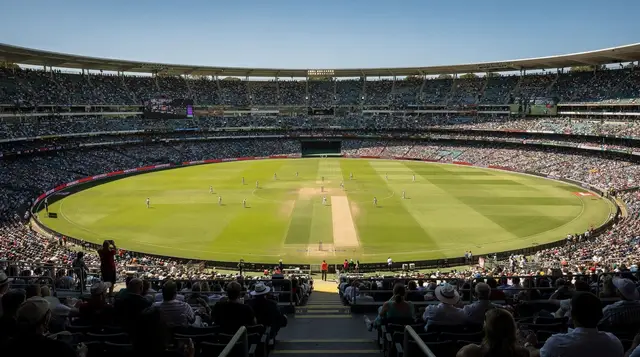
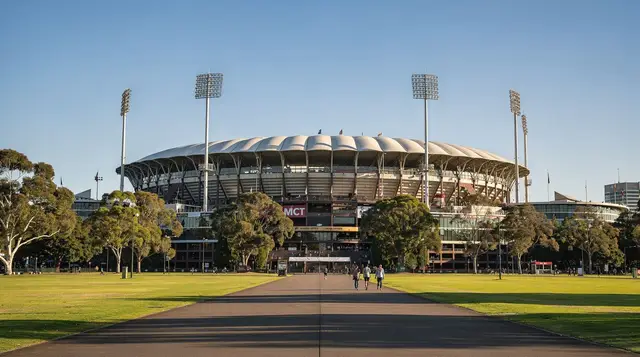
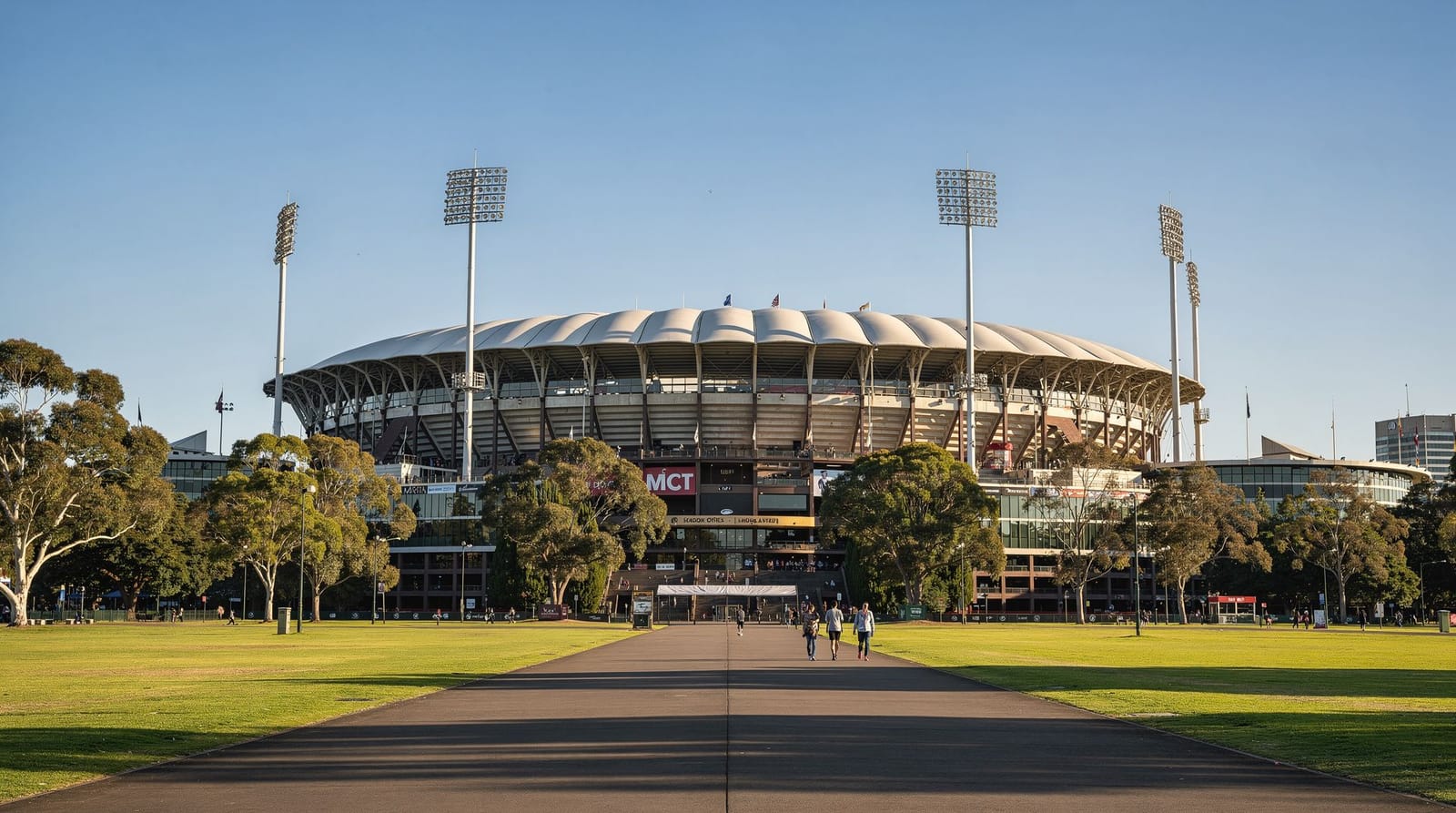
The Melbourne Cricket Ground, universally known as 'the G', is Australia's largest stadium (capacity around 100,000) and the spiritual home of both cricket and Australian Rules football, hosting the AFL Grand Final every September and the Boxing Day Test every December. It sits in Yarra Park near Richmond and the CBD, and is open for guided stadium tours and the National Sports Museum on non-event days.
| Where | Yarra Park, ~15-20 min walk from Flinders Street Station |
| Capacity | Around 100,000 — the largest stadium in Australia |
| Non-event visits | Guided stadium tour + National Sports Museum |
| Best time to tour | Non-event weekdays; book ahead for school holidays |
| Signature events | AFL Grand Final (Sept), Boxing Day Test (26 Dec) |
Why “the G” matters more than any other Australian stadium
Melburnians rarely call it by its full name. The Melbourne Cricket Ground is simply “the G” — a stadium with a genuine claim to being the spiritual home of two entirely different sports, Australian Rules football and cricket, and a capacity (around 100,000) that makes it the largest stadium in Australia and the largest cricket ground in the world. It has hosted the 1956 Melbourne Olympics opening and closing ceremonies, every AFL Grand Final in living memory bar a brief pandemic-era relocation, and the annual Boxing Day Test that draws tens of thousands of spectators the day after Christmas every single year.
For a sports-interested visitor, the MCG is arguably as essential a Melbourne stop as the laneways or the Great Ocean Road — this guide covers visiting it both on non-event days via a guided tour and understanding what to expect if you’re attending an actual match.
Getting to the MCG
The stadium sits in Yarra Park, on the eastern edge of the CBD near Richmond, close enough to Flinders Street Station for a 15-20 minute walk along the Yarra riverside or through the parkland. On non-event days this walk is genuinely pleasant and scenic; on major match days, particularly AFL finals or the Boxing Day Test, road closures and severely limited parking make train the only sensible option — Richmond and Jolimont stations both sit a short walk from the ground and run significantly boosted services before and after major events. Trams also service the area, though trains handle the bulk of match-day crowds most efficiently given the sheer volume involved.
Visiting on a non-event day: stadium tours and the National Sports Museum
Most days without a scheduled match, the MCG runs guided stadium tours taking small groups through areas not normally open to the public: the members’ reserve, media and coaches’ areas, the players’ race leading out onto the ground, and — the highlight for many — walking out onto the actual playing surface itself, standing where AFL Grand Final players have stood in front of 100,000 people.
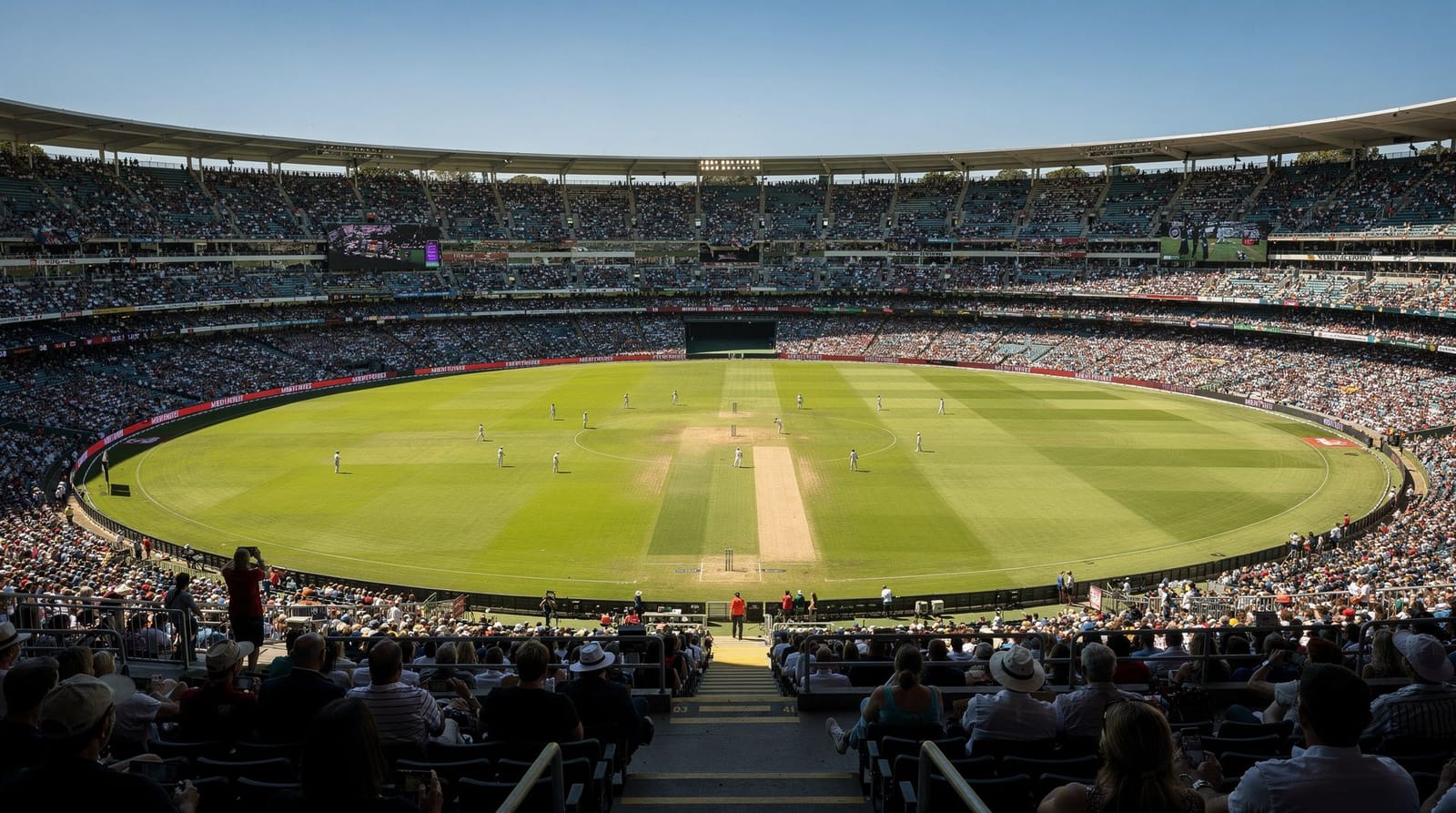 Melbourne melbourne cricket ground mcg guided tourCheck availability
Tours are typically bundled with, or can be combined with, entry to the National Sports Museum, housed within the stadium and covering the history of Australian cricket, AFL, Olympic and Paralympic sport with genuine historic memorabilia — Bradman-era cricket gear, Kelly footy jumpers, Olympic torches from 1956 through to more recent Games.
 Melbourne visites du mcg et du national sports museumCheck availability
For a broader context-setting option, a guided sports-focused walking tour around the MCG precinct covers the surrounding Yarra Park history and the stadium’s role in the 1956 Olympics alongside the ground tour itself.
 Melbourne sports walking tour melbourn cricket groundCheck availability
What to expect on an actual match day
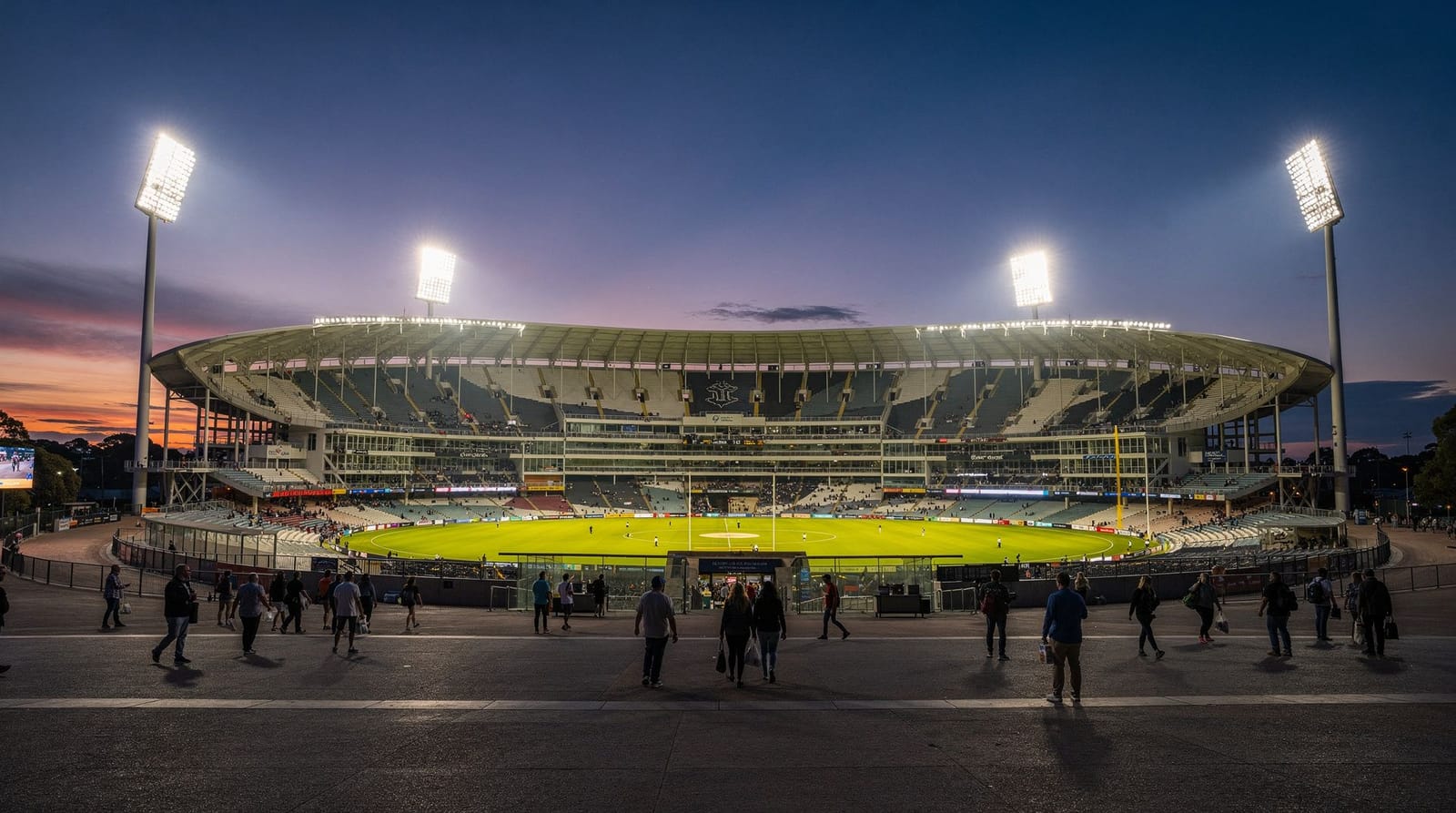
Attending a live event at the MCG is a genuinely different experience from the guided tour — the noise of even a mid-season AFL crowd of 40,000-50,000 is considerable, and the atmosphere at finals or the Boxing Day Test with a fuller stadium is memorable in a way that’s hard to replicate elsewhere. Ticketing for AFL and cricket matches runs through official club and Cricket Australia channels rather than general tour marketplaces — see our dedicated AFL match guide and cricket at the MCG guide for how to actually get seats, what different stand sections offer, and realistic pricing for each.
Seasonal calendar: when the MCG is busiest
March-September (AFL home-and-away season): regular weekly matches, generally the most accessible way to experience a live game without the premium pricing or crowd size of finals.
Late September (AFL Grand Final): the single biggest annual event at the ground, drawing a capacity crowd and citywide atmosphere — tickets are notoriously hard to get through general sale and often allocated via club membership systems well in advance.
26 December (Boxing Day Test): an enormous annual cricket fixture that regularly draws crowds in the tens of thousands on the opening day alone, part of a broader summer of cricket that typically includes Big Bash League Twenty20 matches at the ground too.
Non-event days year-round: the only time stadium tours and unhurried National Sports Museum visits are possible — plan around the fixture calendar if a tour (rather than a match) is your goal.
The MCG for families
Stadium tours work well for sports-interested children roughly seven and up, who get genuine excitement from walking onto the actual ground and standing in the players’ race. The National Sports Museum’s interactive elements and famous memorabilia (premiership cups, Olympic torches) hold younger kids’ attention better than a pure architecture tour would. If you’re attending an actual match with children, the MCG’s family-friendly facilities are well established, though the noise and crowd density of a full house — particularly finals — is worth considering against a quieter regular-season match for very young children.
Practical tips for a smooth MCG visit
Book tours ahead during school holidays. Group sizes are limited and popular weekend and holiday slots do sell out, particularly in the lead-up to AFL finals season in September when general interest in the stadium peaks.
Check the fixture calendar before planning a tour. Tours don’t run on match days or in the lead-up while the ground is being prepared, so cross-reference AFL and cricket schedules if a specific date matters to your trip.
Wear comfortable shoes for the tour. The route covers considerable ground across multiple levels and out onto the field itself — flat, comfortable footwear makes the experience considerably more enjoyable than dress shoes.
Combine with a Yarra Park walk. The parkland surrounding the MCG is pleasant for a stroll either side of a tour, and connects reasonably easily on foot toward the Royal Botanic Gardens and Shrine of Remembrance if you want to extend into a fuller half-day of green space and history.
A brief history of the ground
The MCG was established in 1853, making it one of the oldest continuously operating cricket grounds in the world, and its history is woven tightly into the broader development of both cricket and Australian Rules football as codified sports. It hosted the first-ever Test cricket match in 1877, played between Australia and England — a fixture that effectively launched the modern international Test cricket tradition that continues today, including the annual Boxing Day Test still played on the same ground nearly 150 years later.
Australian Rules football, meanwhile, developed partly in response to a need for a winter sport that could keep cricketers fit during the cricket off-season, and the MCG has hosted the code’s biggest matches since the game’s earliest organised competitions in the 1860s and 1870s.
Perhaps the ground’s single most globally significant moment came in 1956, when it hosted the opening and closing ceremonies of the Melbourne Olympic Games — the first Olympics held in the Southern Hemisphere — cementing its status as a genuinely world-significant sporting venue well beyond Australian borders.
The National Sports Museum in more depth
Housed within the MCG’s structure, the National Sports Museum goes well beyond a single-sport focus, covering the full breadth of Australian sporting history including cricket, AFL, Olympic and Paralympic achievement, horse racing, and other codes with genuine national significance. Exhibits include personal items from legendary cricketers spanning the Bradman era through to contemporary players, historic AFL premiership memorabilia from clubs across the league, and a dedicated Olympic gallery tracing Australia’s involvement from the early 20th century through to recent Games, including artefacts from the 1956 Melbourne Games hosted at this very venue.
Interactive elements — testing your reaction time against a fast bowler’s delivery speed, for instance — add an engaging, hands-on dimension that works particularly well for families and younger visitors who might otherwise find a purely historical museum less engaging.
Food and hospitality at the MCG
On match days, the MCG offers a wide range of food and beverage options across its concourse levels, from standard stadium fare (pies, hot chips, hot dogs — the meat pie in particular carries genuine cultural significance at Australian sporting venues) through to more upscale dining options in premium membership areas. Prices run at typical major-venue premiums compared with outside restaurants, so budget accordingly if you’re attending a full-day event like the Boxing Day Test.
Alcohol is served throughout most public areas with standard responsible service limits in place, and family-friendly zones with alcohol restrictions exist for those preferring a more measured atmosphere, particularly useful for visitors attending with young children unfamiliar with a full-capacity stadium crowd.
How the MCG compares to Marvel Stadium
The MCG is older, larger, roofless (open-air) and generally considered the more prestigious venue historically associated with the AFL Grand Final and Test cricket; Marvel Stadium in Docklands is smaller, has a retractable roof (useful for weather-affected fixtures), and hosts several AFL clubs’ regular home games along with concerts and other events. Neither is objectively “better” — which one you’ll actually attend usually comes down to which team you’re following and their home-ground allocation for that particular match, rather than a genuine choice between the two.
Seating and stand guide for match-day attendees
The MCG’s modern stands each carry a slightly different character worth knowing if you’re choosing between ticket options for an actual match. The Members’ Reserve offers the most prestigious, closest-to-the-action seating, generally requiring club membership for access rather than being available through general public sale. The Great Southern Stand and Ponsford Stand offer excellent, more accessible views across multiple tiers, with higher levels giving a fuller sense of the ground’s overall scale and lower levels putting you closer to the on-field action.
Outer sections tend to carry the most passionate, vocal supporter groups for whichever clubs are playing, useful to seek out if atmosphere matters more to you than proximity, or to avoid if you’d prefer a quieter, more neutral viewing experience.
Where the MCG fits in your Melbourne itinerary
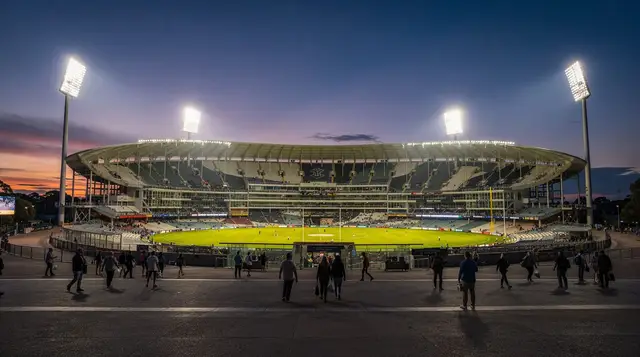
For a first-time visitor without a specific match to attend, a stadium tour and National Sports Museum visit fits naturally into a half-day alongside a walk through Yarra Park and a look at Eureka Skydeck from across the river — from the Skydeck’s viewing deck, the MCG’s light towers are one of the most recognisable landmarks on the eastern skyline, a good way to spot the ground before or after visiting it in person. Sports fans building a broader Melbourne trip around live events should also look at our sports precinct guide covering the MCG alongside Rod Laver Arena, Marvel Stadium and Albert Park in one combined overview.
The bottom line
The MCG earns its “spiritual home of Australian sport” reputation through sheer scale and history rather than marketing — walking onto the actual arena on a guided tour, or standing in a 90,000-strong Boxing Day Test crowd, delivers something genuinely different from watching the same events on television. Book a stadium tour if your dates don’t align with a match, or plan carefully around the AFL and cricket fixture calendars using our companion guides if attending a live event is the goal.
Choosing between a tour and attending a match
Deciding between a guided stadium tour and buying a ticket to an actual match comes down largely to your travel dates and interest level. A tour works on any non-event day, requires no fixture-calendar planning, and includes access to areas closed during a live event (the members’ reserve, the players’ race). Attending a match delivers the atmosphere a tour simply can’t replicate — the noise of a live crowd — but requires your dates to align with the AFL or cricket calendar and generally costs more once tickets, and often higher match-day food and drink pricing, are factored in. Visitors with flexible dates and a genuine interest in the ground’s history, rather than a specific desire to see live sport, are often better served by a tour; sports fans specifically chasing the live-match experience should plan travel dates around the fixture calendar first.
A half-day itinerary around the MCG
For a self-guided half-day combining the MCG with nearby green space and views: start with the stadium tour and National Sports Museum (roughly 90 minutes to two hours), walk through Yarra Park toward the Royal Botanic Gardens and Shrine of Remembrance for a contrasting, quieter green-space stretch, then finish across the river at Eureka Skydeck for a skyline view that includes the MCG’s light towers from above. This sequence works well on foot without needing to backtrack, and covers sport, gardens and city views in a single half-day without requiring a car.
More tours on Viator
Top-rated experiences with verified reviews, bookable on Viator (a Tripadvisor company).


Frequently asked questions about The MCG
How do I get to the MCG?
The MCG sits in Yarra Park, a 15-20 minute walk from Flinders Street Station, or a short tram or train ride to Richmond or Jolimont stations on event days. On major match days, trains run a much higher frequency service and are by far the fastest way in given road closures and parking scarcity around the ground.Can you visit the MCG when there's no match on?
Yes — guided stadium tours run most non-event days, taking visitors through the members' areas, change rooms and out onto the arena itself, combined with entry to the National Sports Museum covering Australian cricket, AFL and Olympic history housed within the stadium.How big is the MCG?
The MCG holds around 100,000 people, making it the largest stadium in Australia and the largest cricket ground in the world by capacity — it dwarfs every other Australian sporting venue, including Marvel Stadium across the city.What events happen at the MCG each year?
The AFL Grand Final (late September), the Boxing Day Test cricket match (26 December), regular-season AFL matches from March to September, and periodic international cricket, concerts and other major events. See our AFL match guide and cricket at the MCG guide for how to plan around each.Do I need to book MCG stadium tour tickets in advance?
Booking ahead is recommended, especially during school holidays and weekends, since tour group sizes are limited and popular time slots do sell out. Tours don't run on major event days when the ground is being prepared or in use.Is the MCG the same as Marvel Stadium?
No — they're different venues. The MCG is the larger, older, more prestigious ground in Yarra Park near the CBD, historically associated with the AFL Grand Final and Test cricket. Marvel Stadium is a separate, smaller, roofed stadium in Docklands used by some AFL clubs for home games. See our Marvel Stadium guide for the comparison.What should I wear on an MCG stadium tour?
Comfortable, flat shoes are the priority — the tour route covers considerable ground across multiple levels and out onto the field itself, and dress shoes or heels make the walk noticeably less enjoyable over that distance.Is the MCG stadium tour worth it if I'm not attending a match?
Yes, for anyone with even a moderate interest in Australian sport or history — walking onto the actual arena and through the members' areas and National Sports Museum delivers a genuinely different experience from simply viewing the stadium from outside, and doesn't require aligning your trip with a fixture date.
Top experiences
Bookable activities with verified prices and instant confirmation on GetYourGuide.