Melbourne's sports precinct: every major venue in one guide
Melbourne: Melbourne melbourne cricket ground mcg guided tour
Duration: 75 minutes
What are Melbourne's main sports venues?
Five venues anchor Melbourne's sporting calendar: the MCG (AFL, Test cricket, the Grand Final), Marvel Stadium (AFL, Big Bash cricket, concerts), Melbourne Park (the Australian Open in January), Albert Park (the Formula 1 Grand Prix in March), and Flemington Racecourse (the Melbourne Cup and Spring Racing Carnival in October-November). Between them, Melbourne hosts a genuinely unmatched annual spread of major sport across football codes, cricket, tennis, motorsport and racing.
A city built around its stadiums
Few cities in the world pack as broad a spread of major sport into a single calendar year as Melbourne: Australian Rules football and Test cricket at the MCG, a Grand Slam tennis tournament at Melbourne Park, a Formula 1 Grand Prix at Albert Park, and one of the world’s most famous horse races at Flemington’s Spring Racing Carnival. This guide maps out how the venues relate to each other geographically and across the year, so a sports-interested visitor can plan a trip around whichever combination of events fits their dates and interests.
| Venues | MCG, Melbourne Park, Marvel Stadium, Albert Park, Flemington |
| Marquee events | AFL Grand Final, Australian Open, F1 Grand Prix, Melbourne Cup |
| Cost | From well under 100 AUD (stadium tour) to premium event tickets |
| Getting there | MCG/Melbourne Park walkable together; others by tram/train |
| Best time | Depends on interest — see the calendar section below |
The venues, mapped
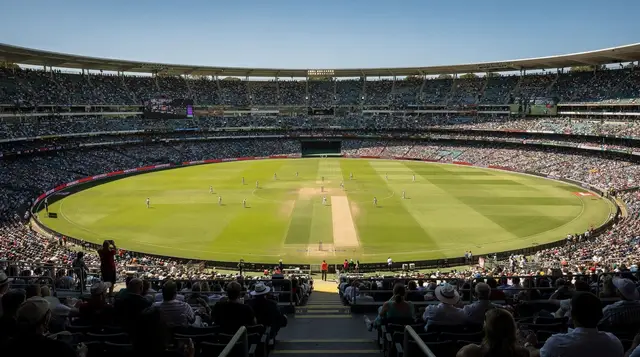
The MCG (Yarra Park, near Richmond): Melbourne’s largest and most historically significant venue, capacity around 100,000, home to the AFL Grand Final (late September) and Boxing Day Test cricket (26 December). See our full MCG guide, AFL match guide and cricket at the MCG guide.
Melbourne Park (adjacent to the MCG): home of the Australian Open every January, containing Rod Laver Arena, John Cain Arena, Margaret Court Arena and dozens of outer courts — genuinely walkable from the MCG given their shared riverside precinct. See our Australian Open guide.
Marvel Stadium (Docklands): a roofed, roughly 53,000-seat venue hosting AFL matches for several Melbourne clubs and Big Bash cricket, a short walk from Southern Cross Station on the opposite side of the CBD from the MCG. See our Marvel Stadium guide.
Albert Park (near St Kilda): an ordinary public park for most of the year, transformed into the Formula 1 Australian Grand Prix circuit for four days every March. See our Formula 1 guide.
Flemington Racecourse (north-west of the CBD): host of the Melbourne Cup and broader Spring Racing Carnival across October and into November, reachable via dedicated race-day train services. See our Melbourne Cup guide.
Why Melbourne concentrates so much sport in one city
Melbourne’s status as Australia’s de facto sporting capital isn’t accidental — it reflects a genuinely long institutional history of investment in major sporting infrastructure and events, stretching back to the MCG’s founding in 1853 and the city’s hosting of the 1956 Olympic Games, through to more recent decades of deliberate government and civic strategy around attracting and retaining major events. Victoria’s state government and major sporting bodies have specifically prioritised keeping marquee events like the Australian Open and the Australian Grand Prix in Melbourne through long-term hosting agreements, recognising the substantial tourism and economic value these events generate.
This sustained institutional commitment, across cricket, AFL, tennis, motorsport and horse racing simultaneously, is genuinely unusual among world cities — most comparable metropolitan areas specialise in one or two major sports rather than maintaining serious infrastructure and events across five distinct categories the way Melbourne does.
A comparison of atmosphere across the five major venues
Each venue and event covered in this guide offers a genuinely distinct sensory and cultural experience, worth understanding if you’re choosing between options with limited time. The MCG delivers the biggest, most historically weighted atmosphere, particularly for AFL finals and the Boxing Day Test, with open-air acoustics and a sense of occasion built on 150-plus years of continuous sporting history. Marvel Stadium offers a more contained, amplified atmosphere thanks to its roof, often feeling louder for a given crowd size despite its smaller capacity.
Melbourne Park during the Australian Open carries a festival, almost carnival-like energy quite different from either football venue, spread across a whole precinct rather than concentrated in one arena.
Albert Park during the Grand Prix combines genuine motorsport spectacle with a broader entertainment-festival feel, unique among the five for taking place in a transformed public park rather than a dedicated permanent venue. Flemington during the Spring Racing Carnival is unlike any of the others — a fashion-forward, socially oriented occasion where the sporting content (horse racing) is almost secondary to the broader cultural event for many attendees.
The sporting calendar across the year
March: Formula 1 Australian Grand Prix at Albert Park — often an early or season-opening round of the world championship.
March-August: AFL home-and-away season, matches split between the MCG and Marvel Stadium across ten Melbourne-based clubs.
Late September: AFL finals conclude with the Grand Final at the MCG, alongside a Victorian public holiday the preceding Friday.
October-early November: Spring Racing Carnival at Flemington, culminating in the Melbourne Cup on the first Tuesday of November.
26 December: Boxing Day Test begins at the MCG, running up to five days, followed by Big Bash League Twenty20 matches at both the MCG and Marvel Stadium through January.
January: Australian Open at Melbourne Park, roughly the second half of the month.
A visitor with flexible travel dates and a strong interest in live sport genuinely has year-round options — there’s rarely a “dead” stretch on Melbourne’s major sporting calendar for more than a few weeks at a time.
Sample itineraries for different sporting interests
The football-and-cricket traditionalist: time a visit around either the AFL Grand Final (late September) or the Boxing Day Test (26 December) as the trip’s centrepiece, supplemented by a stadium tour of whichever venue isn’t hosting your chosen event, and a look at the National Sports Museum for broader context on both codes.
The tennis enthusiast: a January visit centred on the Australian Open, with grounds passes across several days to maximise match variety, supplemented by Melbourne’s broader summer programming — outdoor dining, beach time at St Kilda, and the general high-energy atmosphere of the city’s peak season.
The motorsport fan: a March trip built around the Formula 1 Australian Grand Prix, with the four-day event itself as the anchor, supplemented by exploring Albert Park’s lakeside walking paths either before or after the event transforms and then reverts the space.
The racing and fashion-focused visitor: a late-October to early-November trip centred on the Spring Racing Carnival, attending at minimum Melbourne Cup Day itself, with Derby Day or Stakes Day as an optional second race day depending on how much racing-and-fashion content you want in a single trip.
The completionist wanting a broad sample: given the spread of events across the year, no single trip can realistically cover all five major categories — instead, prioritise one or two events that genuinely interest you and treat stadium tours (particularly the MCG’s) as the way to engage with the other venues outside their specific event windows.
Visiting the venues without an event ticket
Visiting the venues without an event ticket
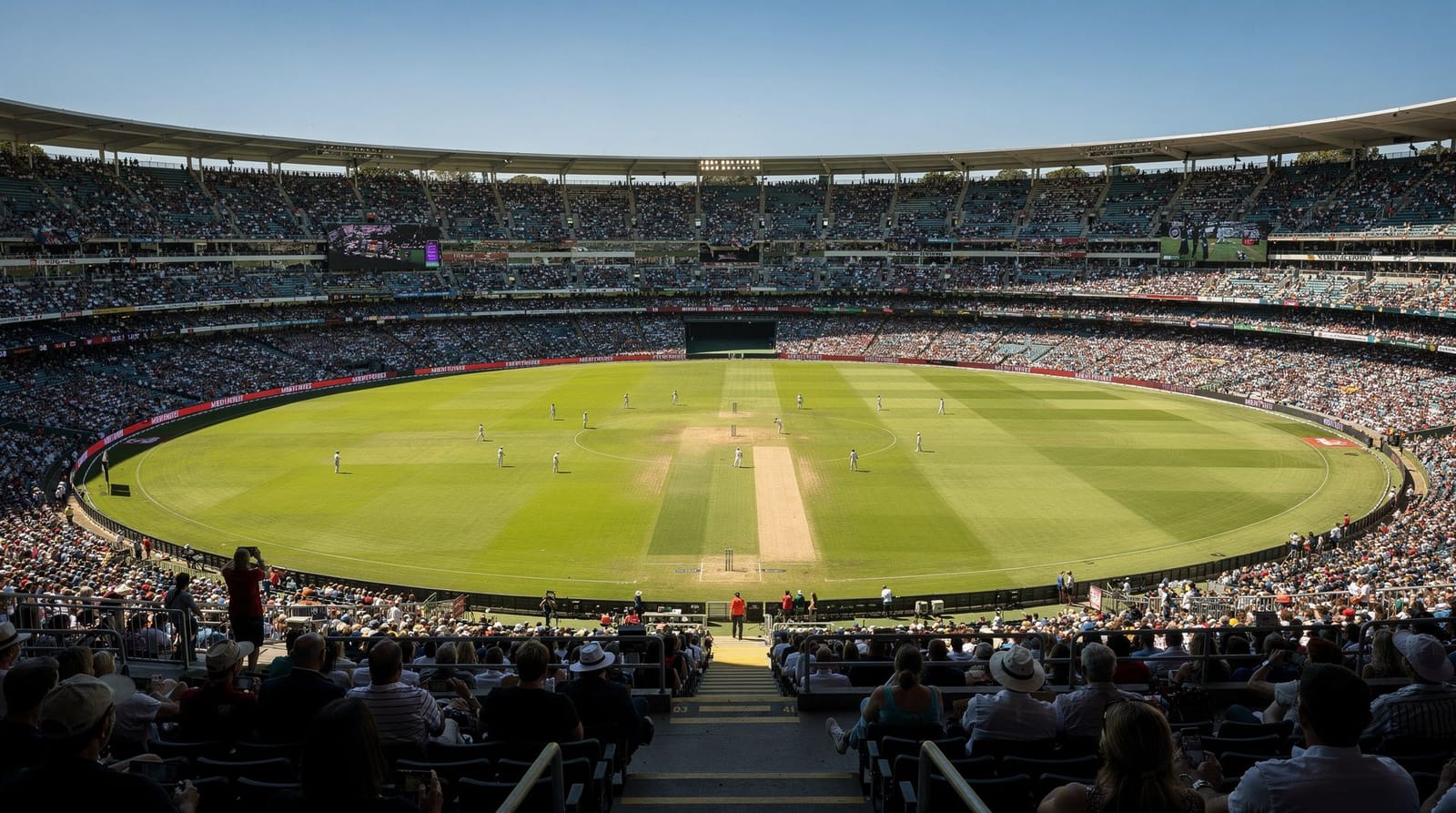
The MCG is the most consistently visitable venue outside event windows, with regular guided stadium tours and a National Sports Museum open most non-event days.
 Melbourne melbourne cricket ground mcg guided tourCheck availability
Albert Park functions as an ordinary, freely accessible public park the rest of the year — a pleasant lakeside walking or cycling loop with no trace of the Grand Prix circuit’s temporary infrastructure once it’s dismantled. Flemington Racecourse similarly hosts regular, smaller race meetings throughout the year outside the Spring Carnival’s peak dates, often with far more relaxed access and pricing than Cup Day itself.
Budgeting for a sports-focused Melbourne trip
Costs vary enormously depending on which events you attend and how premium your ticket choices are. A stadium tour and museum visit at the MCG on a non-event day represents the lowest-cost way to engage with Melbourne’s sporting culture, typically well under 100 AUD per person. A general admission AFL match during the regular season sits modestly above that, while finals and Grand Final tickets, where available at all through general channels, command significantly higher prices. The Australian Open’s grounds pass offers genuinely good value for a full day of tennis, while show court tickets for marquee sessions scale up considerably.
The Formula 1 Grand Prix’s general admission likewise offers reasonable value relative to grandstand seating, and Melbourne Cup general admission is comparatively accessible next to premium marquee packages.
Building a trip around one or two mid-tier ticket choices rather than premium experiences across multiple events keeps a sports-focused Melbourne visit genuinely affordable while still delivering an authentic taste of the city’s sporting culture.
Guided tours covering multiple venues
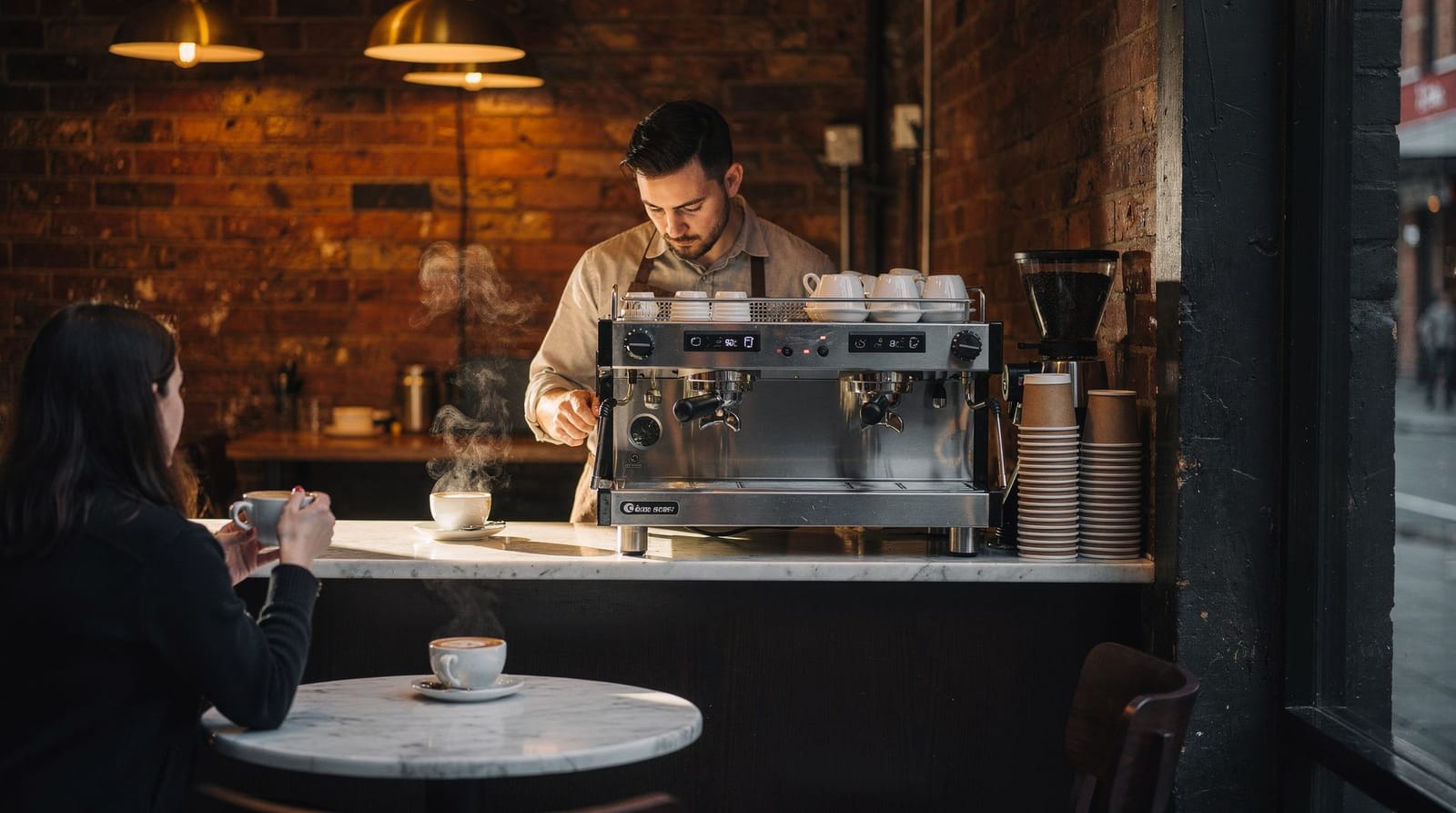
For visitors who want a broader introduction to Melbourne’s sporting culture and history rather than focusing on one specific venue, a general sports-themed tour covers several of these locations with expert commentary in a single outing.
 The ultimate melbourne sports tourCheck availability
A more social variation combines sports history with Melbourne’s craft beer and brewery scene, a popular option for groups wanting a lighter, social angle on the same sporting-history theme.
 Melbourne sports brewery tourCheck availability
Getting between venues
The MCG and Melbourne Park sit close enough together, both on the Yarra’s eastern edge, to walk between comfortably — genuinely useful if your trip somehow spans events at both (unlikely given their different months, but relevant for stadium-tour visits outside event windows). Marvel Stadium in Docklands and Albert Park near St Kilda sit on opposite sides of the CBD from the MCG and from each other, each best reached by tram or train rather than attempted as a same-day combination with another venue. Flemington Racecourse is furthest out and functions as a dedicated single-destination trip via its race-day train service.
Our getting around Melbourne guide and Myki card guide cover the practical transport details for reaching any of these venues.
Combining sport with Melbourne’s broader attractions
None of the itineraries above need to be purely sport-focused — Melbourne’s compact CBD means a stadium visit, a match, or a day at the races fits naturally alongside the city’s laneways, coffee culture and museums rather than requiring a dedicated sports-only trip.
A morning walking tour or laneways route pairs easily with an afternoon MCG tour; an evening AFL match works well after a day exploring Fitzroy or the Queen Victoria Market; and a Melbourne Cup day trip to Flemington leaves the rest of a longer stay free for Great Ocean Road or Yarra Valley excursions.
Sport is genuinely one thread in Melbourne’s broader travel appeal rather than a separate category requiring its own dedicated trip.
Practical planning tips
Check the fixture calendar before booking travel dates around a specific sport. Each event covered here happens on a fixed or narrow annual window — missing it by even a week or two means waiting a full year for the next occurrence.
Book accommodation and tickets well ahead for marquee dates. The AFL Grand Final, Boxing Day Test day one, the Australian Open’s second week and Melbourne Cup Day are all high-demand dates that affect city-wide accommodation pricing and availability, not just venue ticketing.
Don’t assume you need deep knowledge of any sport to enjoy attending. Each of these events has developed a broader festival or social dimension beyond pure sporting knowledge — genuinely accessible to first-timers and casual fans across the board.
The bottom line
Melbourne’s claim to being Australia’s sporting capital holds up under scrutiny — few cities anywhere combine a Grand Slam tennis tournament, a Formula 1 Grand Prix, historic AFL and Test cricket venues, and a globally recognised horse race within a single compact metropolitan area and calendar year. Plan around the specific event or season that matches your interests and travel dates using the venue-specific guides linked throughout this page, and don’t discount the value of a stadium tour or off-season visit if your dates don’t align with a live event.
Venues at a glance: what each one suits
| Venue | Capacity | Best for | Off-event access |
|---|---|---|---|
| MCG | ~100,000 | AFL, Test cricket, history | Yes — regular tours + museum |
| Melbourne Park | Varies (multiple arenas) | Tennis, festival atmosphere | Outer courts publicly usable |
| Marvel Stadium | ~53,000 | AFL, Big Bash, concerts | Limited outside events |
| Albert Park | N/A (public park) | F1, lakeside walks | Yes — free public park |
| Flemington | Large | Horse racing, fashion | Yes — smaller meets year-round |
More tours on Viator
Top-rated experiences with verified reviews, bookable on Viator (a Tripadvisor company).


Frequently asked questions about Melbourne's sports precinct
Are Melbourne's sports venues close together?
Most are within a compact zone: the MCG, Melbourne Park (tennis) and Rod Laver Arena all sit within walking distance of each other on the Yarra's eastern edge near Richmond. Marvel Stadium (Docklands) and Albert Park (near St Kilda) sit further out on opposite sides of the CBD, and Flemington Racecourse is a separate short train trip north-west of the centre.What time of year has the most sport happening in Melbourne?
Spring (September-November) is arguably the busiest sporting stretch — AFL finals and the Grand Final in late September, followed by the Spring Racing Carnival and Melbourne Cup in October-November. Summer (December-February) follows closely with the Boxing Day Test, Big Bash League cricket and the Australian Open in January.Can I visit these venues when there's no event on?
Yes for the MCG, which runs regular guided stadium tours and a National Sports Museum on non-event days. Albert Park and Flemington function as an ordinary public park and racecourse respectively outside their event windows and can be visited freely; Melbourne Park's outer courts are also publicly accessible for recreational tennis outside tournament time.Which single event should a sports-loving visitor prioritise?
It depends entirely on interest and travel dates, since each event is genuinely once-a-year — an AFL Grand Final (September) or Boxing Day Test (December) for the deepest local sporting culture, the Australian Open (January) for a world-class Grand Slam in a walkable setting, or the Formula 1 Grand Prix (March) for the biggest single spectacle.Do these venues get overwhelmed with tourists during major events?
Locals attend in huge numbers alongside visitors — these are genuinely local institutions, not tourist-only spectacles, which is part of what makes them worth experiencing. Expect large, enthusiastic crowds rather than a diluted, touristy atmosphere.Is it worth visiting any of these venues if there's no event during my trip?
Yes, particularly the MCG — its guided stadium tour and National Sports Museum run most non-event days and give a genuine sense of the venue's history and scale without needing to time your trip around a fixture. Albert Park and Flemington are also freely walkable as an ordinary park and racecourse respectively outside event windows.
Top experiences
Bookable activities with verified prices and instant confirmation on GetYourGuide.