Melbourne food tours: which one is actually worth booking
Melbourne: The melbourne experience 3 hour culinary walking tour
Duration: 3 hours
Is a Melbourne food tour worth it?
Yes for first-time visitors with limited time, because Melbourne's best food is genuinely spread across hidden laneways, unmarked venues and a sprawling market that reward local knowledge — a good guide compresses a week of trial-and-error into three hours. It's less essential for a longer stay where you have time to explore neighbourhood by neighbourhood at your own pace using written guides instead.
| Where | CBD laneways and arcades, or Queen Victoria Market |
| Time needed | Around 2.5-3.5 hours |
| Cost | Priced to cover your meal for the day, plus guiding |
| Best for | First-time visitors with limited time |
| Booking | 1-2 weeks ahead; earlier for smaller “secret laneways” tours |
Tour formats compared
| Format | Length | Best for | Repeats content from |
|---|---|---|---|
| CBD/laneway culinary walking tour | ~3 hours | First-time visitors wanting orientation + food | — |
| Secret/hidden laneways tour | ~3 hours | Repeat visitors wanting the insider version | Laneway tour, deeper |
| Queen Victoria Market tour | ~2.5-3 hours | Produce, market history, multicultural stalls | — |
| Multicultural culinary culture tour | ~3 hours | Immigration history alongside food | Laneway + market tours |
Food tours as a way to meet other travellers
An underappreciated side benefit of a scheduled group food tour, particularly for solo travellers, is the social element — spending three hours walking and eating alongside a small group of fellow visitors, often from a genuine range of countries, creates natural conversation in a way that solo sightseeing doesn’t. It’s not unusual for participants on the same tour to end up recommending restaurants or attractions to each other afterward, or even meeting up again later in their respective trips. If meeting other travellers is part of what you’re after from a Melbourne visit, a group food tour is a reasonably efficient way to engineer that kind of interaction compared with purely independent exploring.
What a food tour guide actually adds beyond directions
The genuine value of a good Melbourne food tour guide isn’t just knowing where the good food is — plenty of blog posts and guides (this site included) can tell you that. It’s the standing relationships: a guide who’s brought groups to the same laneway café or market stall for months or years often gets a warmer welcome, slightly better attention, and sometimes an off-menu taste or a larger portion than a first-time walk-in customer. Guides also read the group in real time — adjusting pace for a slower-moving group, skipping a stop that’s clearly not landing, or extending time somewhere that’s going well — in a way a fixed written itinerary can’t.
That adaptability, more than pure information, is the honest case for paying for a guide over researching the same ground yourself.
Why Melbourne rewards a guided food tour more than most cities
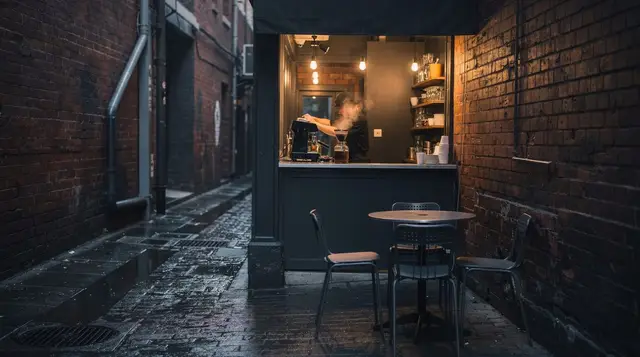
Melbourne’s best food is disproportionately hidden — behind unmarked doors, tucked into laneways with no street frontage, or scattered across a produce market that takes genuine local knowledge to navigate efficiently. A self-guided coffee crawl or a wander through Queen Victoria Market will get you a decent afternoon, but a guide who already knows which stallholder makes the best dim sims that week, or which laneway café has the shortest queue at 11am on a Tuesday, genuinely compresses the learning curve.
That’s the honest case for a food tour here specifically: it’s less about convenience and more about access to knowledge that would otherwise take days of independent exploring to accumulate.
How Melbourne’s food tour operators actually structure a route
Most operators design their route around a mix of anchor stops that rarely change (a reliable, high-quality vendor with a standing arrangement) and rotating stops that shift with seasonal availability or vendor relationships. This matters if you’re researching reviews before booking — a five-year-old review describing a specific stop may no longer reflect the current route exactly, though the overall quality and format tend to stay consistent even as individual stops rotate.
Guides are typically trained not just in food knowledge but in Melbourne’s broader history, so don’t be surprised if a “food tour” spends a meaningful amount of time on laneway history, street art context or general city trivia between bites — this is by design, not padding, and reflects the format’s roots in general walking-tour traditions as much as pure food tourism.
CBD and laneway culinary walking tours
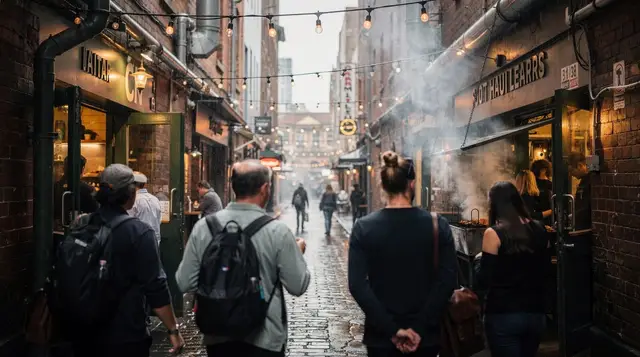
The most common format covers four to six stops through the CBD’s laneways and arcades over roughly three hours, typically mixing a coffee stop, a dumpling or Asian food stop, a laneway bar or wine stop, and a dessert finish, while narrating the history of the laneway café culture and Melbourne’s immigration-driven food scene along the way. This format doubles as a genuinely useful orientation walk if it’s your first day in the city — you’ll leave with a working mental map of Degraves Street, Centre Place, Hosier Lane and the surrounding arcades on top of a full stomach.
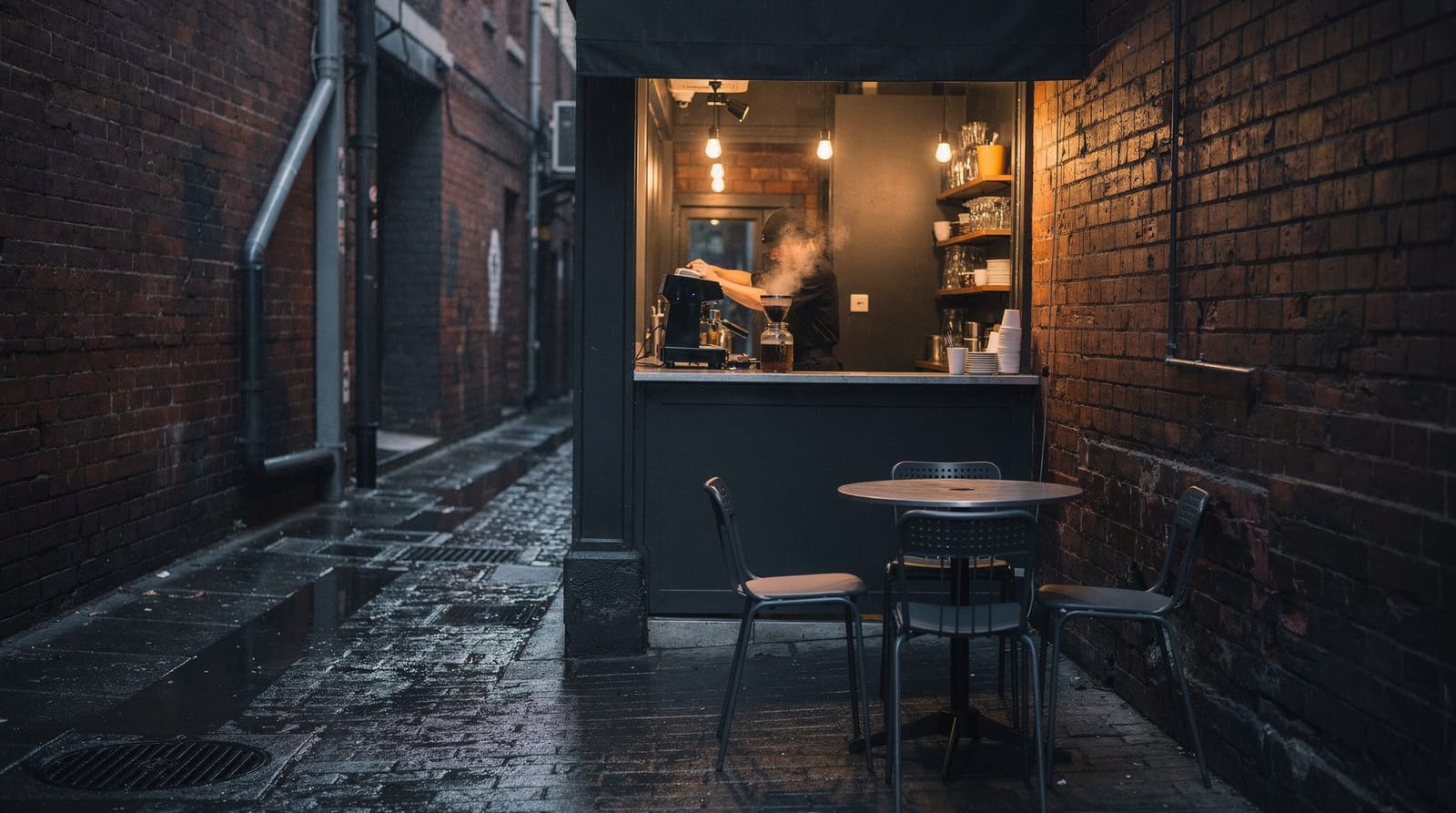 The melbourne experience 3 hour culinary walking tourCheck availability
What previous participants tend to say
Reviews of Melbourne’s established food tours tend to converge on a few consistent themes: praise for guides’ genuine enthusiasm and depth of local knowledge, appreciation for being introduced to a vendor or dish they wouldn’t have found independently, and occasional feedback that portion sizes at certain stops felt smaller than expected relative to the ticket price. This last point is worth setting realistic expectations around — a food tour is priced to cover four to six tastings-to-modest-portions across a few hours, not six full restaurant meals back to back, and treating it as a curated sampling experience rather than an all-you-can-eat buffet leads to a more satisfied outcome.
Secret and hidden laneway food tours
A slightly more niche format specifically emphasises the “hidden” angle — unmarked doors, laneway bars with no signage, small operators that don’t show up on a casual walk-through. These suit repeat visitors or travellers who’ve already done a general CBD tour and want the deeper, more insider version, though the content inevitably overlaps somewhat with the standard culinary walking tour above.
a secret laneways food tourQueen Victoria Market food tours
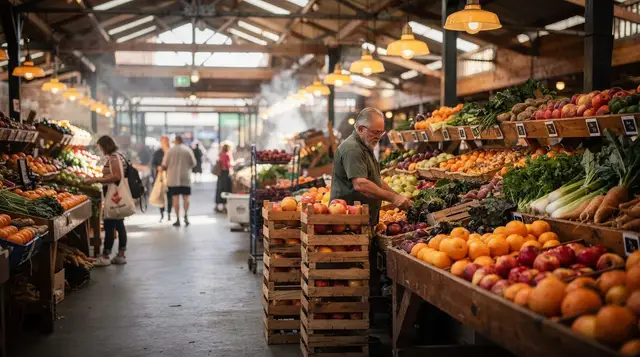
Market-focused tours run through Queen Victoria Market’s Deli Hall, meat and produce sheds and food stalls, usually including tastings of the market’s multicultural specialties — Polish, Italian, Middle Eastern, Australian — alongside the market’s own history since 1878. Some run as early-access tours before the general public arrives, a genuine advantage on Saturday mornings when the market gets crowded fast.
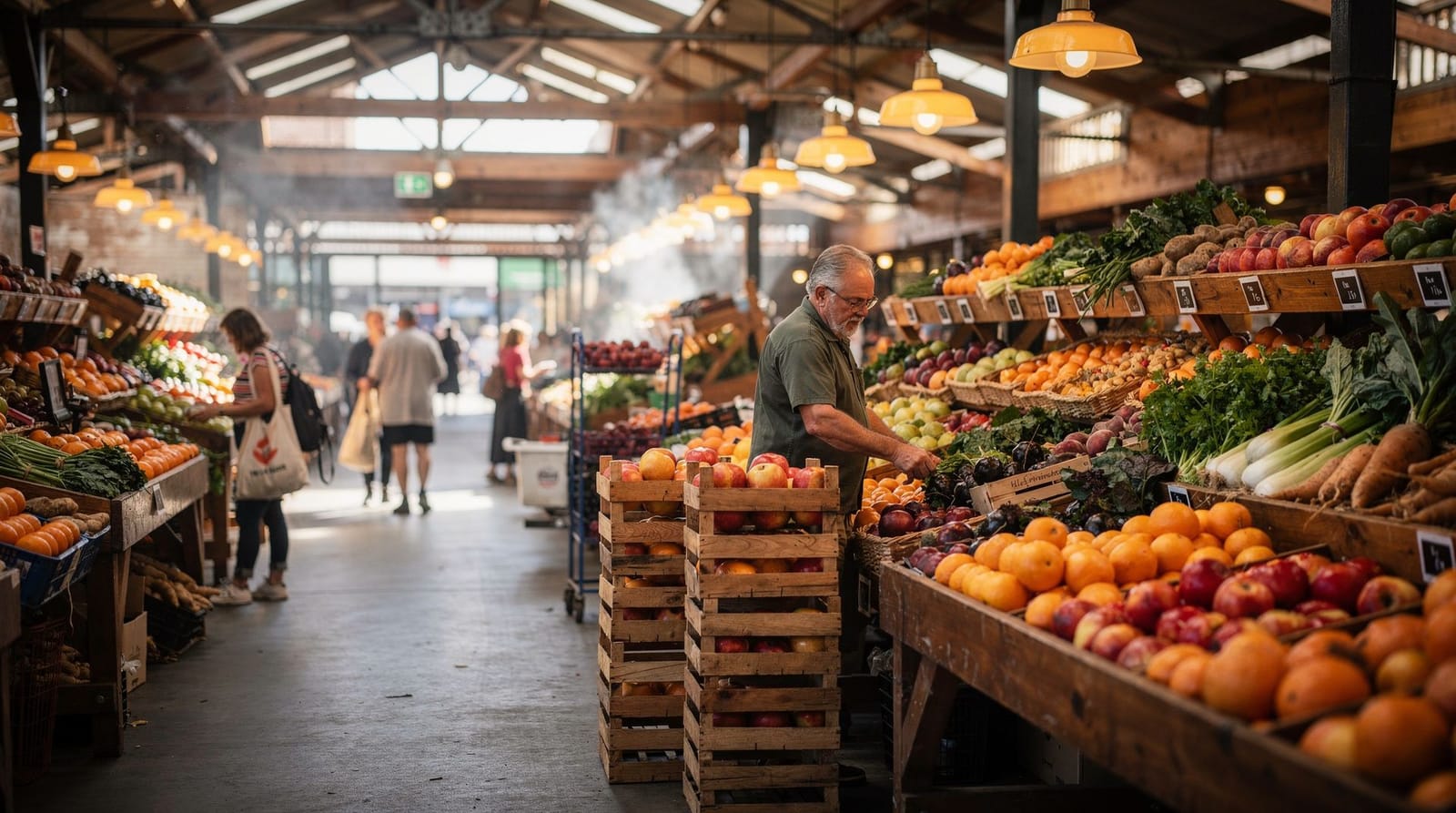 Flavors queen victoria market food tourCheck availability
the ultimate Queen Victoria Market foodie tour
Flavors queen victoria market food tourCheck availability
the ultimate Queen Victoria Market foodie tour
Cancellation policies and weather
Most Melbourne food tours proceed rain or shine, since they’re built around indoor and covered laneway stops as much as open-air walking, though a genuinely severe weather event could prompt a reschedule. Check the specific operator’s cancellation and weather policy at the time of booking, and note that most require at least 24-48 hours’ notice for a full refund on a cancelled booking, standard practice across the industry rather than unusual to Melbourne specifically.
Language and international visitor suitability
Melbourne food tours are conducted in English, and guides are generally practised at communicating clearly with international visitors, including non-native English speakers, given how international the city’s visitor base already is. If English isn’t your first language, don’t let that be a barrier to booking — guides are used to adjusting pace and vocabulary for a mixed-language-ability group, and much of the tour’s value (the tastings themselves, the visual experience of the laneways and market) doesn’t depend entirely on catching every word of narration.
What to wear and bring
Comfortable, broken-in walking shoes matter more than any other single item — these are genuinely walking tours covering several kilometres of CBD ground across three or so hours, not a seated dining experience. Layer for Melbourne’s changeable weather regardless of season, and bring a reusable water bottle, since a full afternoon of eating and walking without adequate hydration can catch visitors out, particularly in summer. A small amount of cash is worth carrying even though most tours are fully prepaid, in case you want to buy something extra along the route (a bag of beans from a roaster, a specific item from a market stall) that falls outside the tour’s included tastings.
Multicultural and culinary culture tours
A related format leans into Melbourne’s broader multicultural food story rather than focusing purely on the market or the CBD laneways specifically, often weaving in stops that touch on the city’s Italian, Greek, Vietnamese and Chinese immigration history alongside the food itself — useful if you want context on why Melbourne’s food scene looks the way it does, not just what to eat.
a Melbourne multicultural culinary culture tourHow far ahead to book
Melbourne’s food tours generally run on regular scheduled departures rather than filling up months in advance, so booking a week or two ahead is usually sufficient outside peak periods (major public holidays, school holiday weeks, and around major events like the Australian Open or the Melbourne Cup carnival, when the city’s overall visitor volume rises and tour capacity tightens accordingly). If your travel dates are flexible, checking availability as soon as your Melbourne dates are confirmed avoids the disappointment of your preferred time slot selling out, particularly for the smaller-capacity “secret laneways” style tours that intentionally cap group sizes lower than the flagship walking tours.
Which tour suits which traveller
First visit, limited time (1-2 days in Melbourne): a CBD/laneway culinary walking tour, since it also functions as an orientation to the city centre.
Repeat visitor, or specific interest in produce and markets: a Queen Victoria Market food tour, ideally on a day the market is open (check trading days before booking).
Travelling with a partner or small group wanting something more intimate: the smaller “secret laneways” format tends to run with fewer participants than the flagship culinary walking tours.
Building your own itinerary instead of booking a tour: use this site’s individual guides — best laneway cafés, Queen Victoria Market food, Chinatown, best restaurants — to build a self-paced version covering similar ground over a full day rather than three hours.
Private tours versus scheduled group tours
Most of the tours covered in this guide run as scheduled small-group departures, typically capped at 12-15 participants, at set times a few days a week. Private, custom-scheduled versions are usually available on request for a higher per-person cost, worth considering if your group is large, if you have specific dietary needs that are easier to accommodate without a fixed group menu, or if you want the flexibility to start at a non-standard time. For most solo travellers, couples or small groups without unusual requirements, the standard scheduled group format offers better value and, often, a livelier social atmosphere than a private tour.
Seasonal differences worth knowing
Melbourne food tours run year-round, but the on-the-ground experience shifts a little with the seasons. Summer tours (December-February) spend more time on outdoor laneway seating and cold drinks between stops, while winter tours (June-August) lean into indoor stops and hot food, with guides adjusting the walking pace slightly for shorter daylight and cooler weather — see our Melbourne in winter and Melbourne in summer guides for the wider seasonal picture. Market-focused tours are least affected by season, since Queen Victoria Market’s Deli Hall and produce sheds are covered regardless of weather outside.
How tours handle rotating menus and vendor closures
Because the route mixes standing vendor relationships with seasonal or rotating stops, occasional last-minute substitutions happen when a specific stall is unexpectedly closed or a dish is unavailable — a well-run operator swaps in a comparable alternative on the day rather than skipping the stop outright. This is normal and not a sign of a poorly run tour; it’s the same flexibility that lets guides read the group and adjust pace in real time. If a specific dish or vendor is the entire reason you’re booking a tour, it’s worth emailing the operator directly beforehand to check it’s still a current stop rather than assuming a five-year-old review’s route is unchanged.
Cost comparison: tour versus self-guided
A three-hour guided culinary walking tour typically costs more per person than the equivalent self-guided version would cost in food alone, but the difference reflects genuine value beyond just the tastings: the guide’s local knowledge, the convenience of not researching and locating each stop yourself, and in many cases better access (some tours have standing relationships with vendors that get participants served faster or given slightly larger portions than a walk-in customer).
If budget is the primary constraint, our self-guided alternative guides — best laneway cafés, Queen Victoria Market food — will get you a comparable, if less curated, experience for meaningfully less money.
Solo travellers specifically
Food tours are one of the more efficient ways for a solo visitor to have a genuinely social afternoon or evening in Melbourne without any advance planning beyond the booking itself. Unlike a solo restaurant meal, a group tour puts you alongside other travellers by default, with the shared activity of eating and walking removing most of the usual awkwardness of striking up conversation with strangers. Solo bookings are common and never require a supplement in the way some hotel or cruise bookings do — you simply book one spot like anyone else.
Bringing children on a food tour
Most food tours are technically open to children, but the format — a lot of walking, adult-paced narration, and food stops that assume an adult palate — makes them a better fit for older children and teenagers than toddlers or young kids. If you’re travelling with young children, check the specific tour’s policy on prams and pace before booking, and consider whether a more flexible, self-guided version of the same itinerary (see our individual neighbourhood and market guides) might suit your family’s pace better than a fixed three-hour commitment.
What to expect on the day
Wear comfortable walking shoes — these are walking tours covering multiple stops across the CBD, not seated dining experiences. Arrive with a genuine appetite; guides typically pace the tastings to leave you full by the end, and eating a full breakfast beforehand undercuts the value. Groups are usually small (under fifteen), and guides are generally happy to answer off-topic questions about the city, making these tours a reasonable substitute for a general orientation walk on a first day.
Combining a food tour with the rest of your first day
Because most food tours run mid-morning through early afternoon, they slot naturally into the first half of a first day in Melbourne, leaving the back half free for a major sight like the Southbank arts precinct or Queen Victoria Market if the tour didn’t already cover it. Evening food tours exist too, usually leaning more into the bar and laneway-drinks side of the experience than a straightforward lunch-focused walk, worth considering if your first full day is better used for daytime sightseeing and you’d rather do food-focused exploring after dark.
Group size and how it affects pace
Flagship laneway and market tours typically cap groups at 12-15 participants, large enough to run reliably on a schedule but small enough for a guide to genuinely manage pacing and answer individual questions. The “secret laneways” style tours intentionally run smaller, sometimes under ten, trading a bit of scheduling flexibility for a more intimate, conversational pace and better access at tighter venues that couldn’t comfortably absorb a 15-person group. If a larger group booking pushes past the standard cap, most operators either split you across two guides running in parallel or steer you toward the private tour option instead.
Tipping and extra costs on the day
Tipping isn’t mandatory or expected at the level it is in North America, but a small cash tip for a guide who’s gone well beyond the standard script is genuinely appreciated and not unusual. Beyond the ticket price, budget a small amount of extra cash for anything you want to buy on top of the included tastings — a bag of coffee beans from a roaster stop, a specific cut of produce from a market stall, or a second round of something you particularly liked. Most tours don’t include alcoholic drinks by default even when a laneway bar is one of the stops, so check the specific inclusions if wine or a cocktail is part of what you’re hoping for.
Common mistakes to avoid
Where this fits in a Melbourne itinerary
A food tour works best on day one or two of a Melbourne stay, ideally in the late morning or early evening, leaving the rest of your visit free to return independently to favourite stops. Pair it with an afternoon at Hosier Lane or the Southbank arts precinct if it runs in the morning, or an earlier visit to Federation Square if it runs as an evening tour. On a first 1-day itinerary, a food tour can efficiently cover the “what to eat” question that otherwise takes real research to answer well.
More tours on Viator
Top-rated experiences with verified reviews, bookable on Viator (a Tripadvisor company).
 Viator
Yarra Valley Wine Tour w Exclusive Gin, Cider & Chocolate Tasting
FromAUD 115Check availability → Viator
Melbourne: Yarra Valley Wine, Gin, Whisky and Chocolate Tour
FromAUD 115Check availability → Viator
Melbourne: Epic Yarra Valley Wine Tour & Lunch - Gin/Beer Upgrade
FromAUD 179Check availability →Frequently asked questions about Melbourne food tours
How long does a typical Melbourne food tour run?
Most run 3 to 3.5 hours, covering four to six stops on foot within the CBD, and are designed to leave you full rather than needing a separate lunch or dinner afterward. Market-focused tours running earlier in the day are sometimes shorter, around 2.5 hours.What's included in the price of a Melbourne food tour?
Nearly all include tastings or full portions at every stop, so the ticket price effectively covers your meal for the day — check the specific tour's inclusions, since a few charge extra for alcoholic drinks or optional add-ons while food is always included.Are Melbourne food tours suitable for vegetarians or those with allergies?
Most operators can accommodate vegetarian diets and common allergies with advance notice at booking — flag any dietary requirement when you book rather than on the day, since some stops are pre-arranged with specific dishes that need substituting ahead of time.Should I book a laneway-focused tour or a market-focused tour?
A laneway or CBD-focused tour suits a first Melbourne visit best, since it also doubles as an orientation walk through the city's arcades and street art. A Queen Victoria Market tour suits a second visit or a traveller specifically interested in produce, multicultural food stalls and market history over general city sightseeing.Can I do a food tour and still explore independently afterward?
Yes — most tours run mid-morning to early afternoon or start in the evening, leaving the rest of the day free. Many travellers use a first-day food tour precisely to identify two or three favourite stops they then return to independently later in their trip.Is it worth doing more than one food tour in Melbourne?
For most visitors, one is enough — a laneway/CBD tour and a market tour cover different ground, but their content overlaps somewhat (both usually include a coffee stop and a dumpling or Asian food stop), so doing both back to back within the same trip has diminishing returns unless food is your primary reason for visiting.
Top experiences
Bookable activities with verified prices and instant confirmation on GetYourGuide.