Bike tours in Melbourne: routes, e-bikes and self-guided options
Melbourne: Electric bike tour of melbourne
Duration: 4 hours
Is cycling a good way to see Melbourne?
Yes — the CBD is flat, the Yarra riverside and bayside paths are largely separated from traffic, and a guided or electric bike tour covers roughly double the ground of a walking tour in the same time, typically for 60-100 AUD for a half-day group tour. Electric-assist options remove the effort barrier for anyone worried about distance, heat or hills toward the Dandenongs.
Why cycling suits Melbourne better than most Australian cities
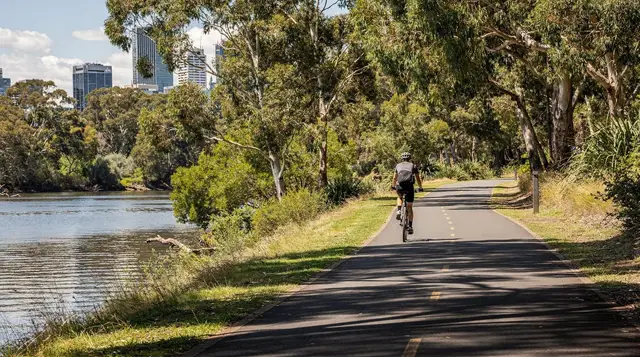
Melbourne’s CBD sits on famously flat ground (the surrounding hills — the Dandenongs, the You Yangs — are all a good distance out), and the city has invested heavily in separated riverside and bayside bike paths that let visitors cover genuine distance without mixing constantly with car traffic. A guided or electric bike tour typically covers double the ground of an equivalent walking tour in the same time, which matters if your Melbourne stay is short and you want to see the CBD, the Yarra riverside and a bayside suburb like St Kilda or Brighton without spending your whole visit in transit.
Classic pedal bike tours
A standard guided city bike tour covers the CBD core, the Yarra riverside path and a loop through Southbank, typically running around three to four and a half hours at a relaxed, conversational pace suited to casual riders rather than serious cyclists.
 Classic melbourne bike tourCheck availability
A shorter, slightly different version of the same idea covers similar ground with a different route emphasis — worth comparing exact stops and duration between listings before booking, since operators do vary the specific sights included.
 Melbourne city bike tour 1100Check availability
Electric bike tours: the better choice for longer routes or hotter days
Electric-assist bikes remove the effort question entirely, letting a tour cover considerably more ground — reaching further along the bayside path or tackling any inclines without leaving riders exhausted partway through. Given Melbourne’s summer heat (December-February can push well past 30°C) or simply for travellers who haven’t cycled regularly in years, an e-bike tour is the lower-risk choice for genuinely enjoying the ride rather than fighting through it.
Electric bike tour of melbourneCheck availability
Bayside cycling: St Kilda, Brighton and the bathing boxes
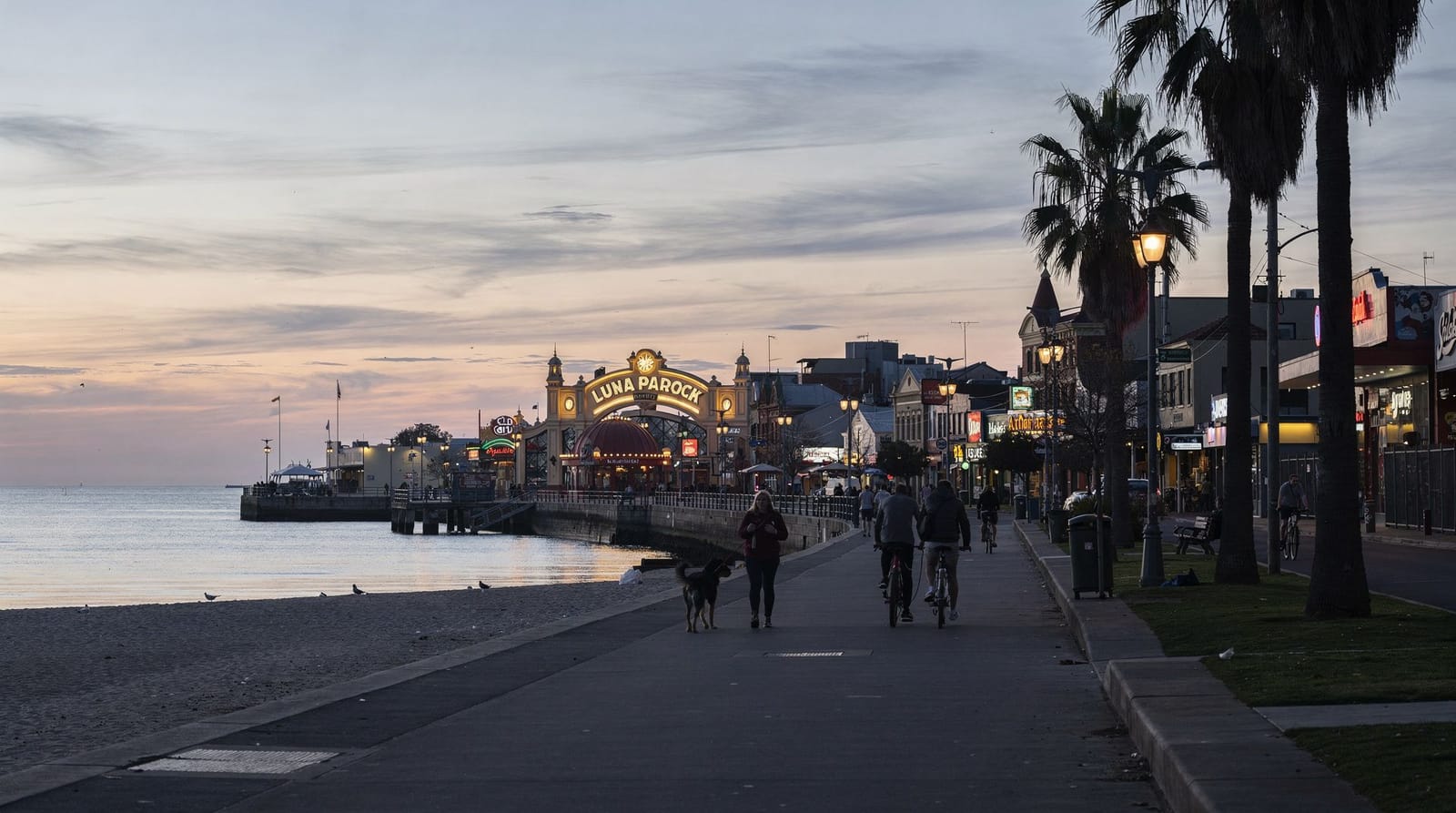
A dedicated bayside cycling route runs from the CBD out along the Port Phillip Bay foreshore path, through St Kilda and on to Brighton’s famously colourful bathing boxes — one of Melbourne’s most photographed sights and a genuinely rewarding cycling destination given how spread out and awkward it is to reach on foot or by public transport in a single outing.
Melbourne bayside cycling tour with refreshmentsCheck availability
This route usually includes a refreshment stop partway, useful given the distance covered (the return trip from the CBD to Brighton and back is a solid half-day commitment even with e-bike assistance).
Self-guided cycling: hiring a bike and riding yourself
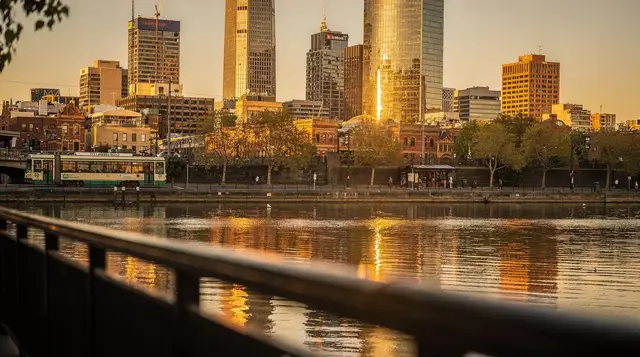
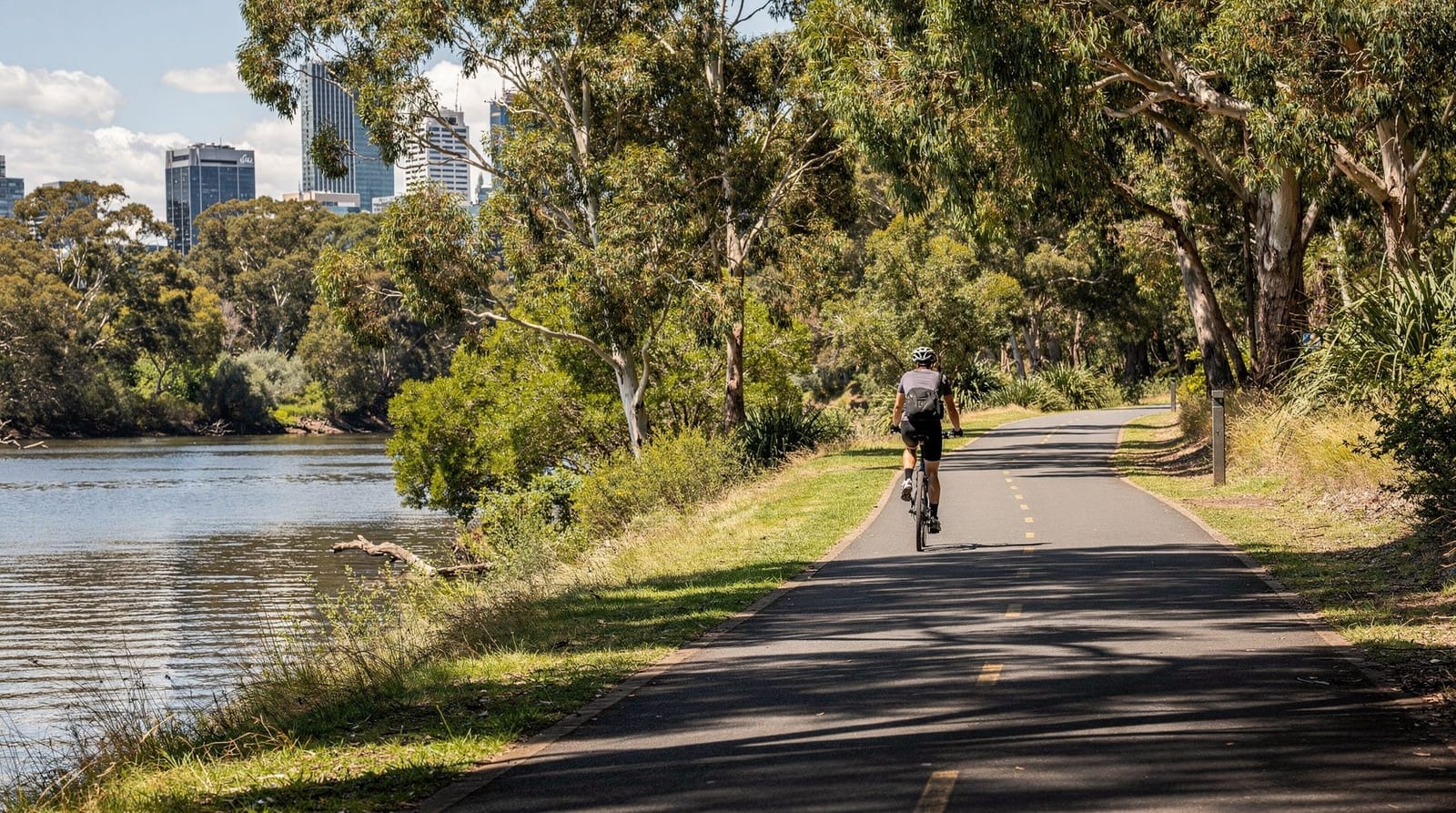
If you’d rather set your own pace, Melbourne’s bike-share and rental network makes self-guided riding straightforward for anyone comfortable navigating with a phone map. The Yarra riverside path running from Southbank out past Docklands is flat, mostly separated from traffic, and well signposted; the bayside path from St Kilda to Brighton is similarly straightforward and arguably Melbourne’s single best self-guided ride given the bathing-box payoff at the end. Rental costs are modest compared with a guided tour, though you lose the local commentary and route-planning a guide provides — a reasonable trade if budget matters more than narration.
Longer cycling routes for confident riders
Beyond the CBD and bayside, Melbourne supports genuinely long-distance cycling infrastructure for confident, well-prepared riders. The Capital City Trail loops much of the inner city on largely separated paths, giving a fuller circuit than the standard riverside-and-bay routes covered by most guided tours, and connects onward to trails reaching further out toward the Dandenong Ranges foothills for riders wanting a genuine day-length challenge rather than a leisurely couple of hours.
These longer routes generally aren’t covered by standard guided tours, which focus on the CBD and bayside for good reason — most visitors want a manageable two-to-four-hour outing rather than a demanding full-day ride — but self-guided cyclists with their own gear or a longer rental period can extend well beyond what any tour itinerary offers.
Bike hire logistics and costs
Standard bike hire in Melbourne typically runs on an hourly or daily basis, with e-bikes commanding a premium over standard pedal bikes given the added battery and motor cost, though still considerably cheaper than a guided tour for a single rider willing to plan their own route. Helmets, required by law, are almost always included in any hire arrangement — check specifically if booking through a smaller independent operator rather than a well-established rental company, since the occasional smaller outfit may charge separately or expect you to bring your own.
Lock provision varies; ask specifically if you’re planning multiple stops during a self-guided day, since leaving a rental bike unsecured even briefly is a real risk in busier CBD areas.
Cycling with children
Family cycling in Melbourne works well along the flatter, more separated sections of the riverside and bayside paths, though most standard guided bike tours are designed around adult pacing and distance rather than family groups with young children. If you’re travelling with kids who want to cycle, look specifically for tour operators or rental companies offering child-sized bikes, trailers or tag-along attachments rather than assuming a standard adult tour will accommodate a family comfortably — a private or custom-arranged booking, rather than a fixed group departure, generally gives more flexibility to set a family-appropriate pace and route length.
Cycling etiquette and safety notes specific to Melbourne
Cross tram tracks at as close to a right angle as possible. A bike tyre caught in a tram groove at a shallow angle is one of the most common cycling accidents in the CBD — always aim to cross tracks square-on rather than at an angle, even if it means a slightly longer line through an intersection.
Helmets are legally required in Victoria. Unlike some countries, cycling without a helmet is an offence here, not just a safety recommendation — guided tours supply helmets, and any rental should include one as standard.
Watch for car doors on street-level bike lanes. Some CBD bike lanes run adjacent to parked cars; keep enough distance to avoid a suddenly opened door, a hazard locals call “dooring.”
Bells, not shouting, on shared paths. Melbourne’s shared riverside and bayside paths mix cyclists, joggers and pedestrians — a bell to signal an overtake is standard etiquette and expected rather than optional.
What a typical guided bike tour itinerary covers
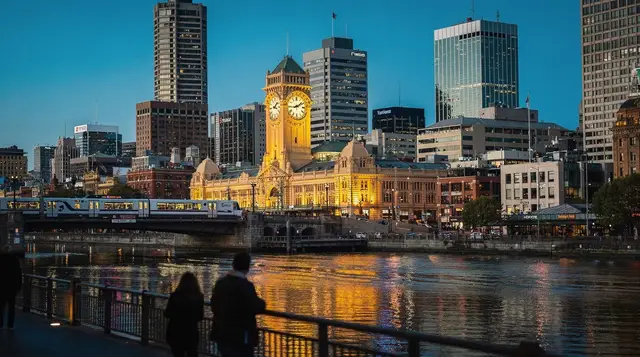
A standard three-to-four-hour guided city bike tour typically threads together a specific sequence of stops rather than simply riding continuously: departure from a central meeting point, a ride along the Yarra riverside past Southbank’s arts precinct, a loop through or past Docklands’ waterfront, a stop near Federation Square or Flinders Street Station for photos, and a return leg through quieter back streets rather than retracing the same route.
Guides typically pause for five to ten minutes at each significant stop, giving time for photos and brief history without the whole group needing to dismount and lock bikes at every point of interest — a meaningfully more efficient way to cover multiple sights than doing the same route on foot, even accounting for the stops.
Seasonal riding conditions
Summer (December-February): long daylight hours suit early morning or early evening rides best, avoiding the most intense midday heat; sun protection matters more on a bike than walking, since sustained exposure at cycling pace catches wind-assisted sun exposure many riders underestimate.
Autumn (March-May): widely considered the best cycling season, with mild temperatures and generally the most stable weather of the year for a longer bayside ride.
Winter (June-August): cooler and wetter, though rarely cold enough to make cycling genuinely unpleasant with the right layers — the bigger consideration is shorter daylight hours limiting how late an afternoon ride can run before dusk.
Spring (September-November): similar to autumn in comfort but with more changeable, occasionally squally weather — check forecasts specifically before committing to a longer bayside route during this season.
Comparing bike tours to other city-tours options
Cycling covers more ground than a walking tour in the same time, but loses some of the close-up detail a walking guide can point out in a laneway or arcade — the two formats complement rather than replace each other on a longer stay. Compared with a Yarra River cruise, cycling the riverside path gives an active, self-paced alternative covering similar scenery from land rather than water. For visitors who’d rather not pedal at all, the free City Circle Tram or a hop-on hop-off-style bus tour cover CBD ground with zero physical effort.
Practical planning notes
Book electric bikes if you’re short on time or fitness. The extra cost over a classic pedal tour is modest relative to how much further you’ll comfortably go, particularly for reaching Brighton’s bathing boxes and back in a single outing.
Check weather before committing to a longer bayside route. Melbourne’s changeable weather can turn a pleasant coastal ride into an unpleasant headwind slog with little warning — a shorter CBD-and-riverside route is the safer choice if the forecast looks unsettled.
Layer for temperature swings. Even in summer, riverside and bayside routes catch more wind than sheltered CBD streets; a light layer that can be removed mid-ride is worth carrying regardless of season.
What to bring on a Melbourne bike tour
Beyond the bike and helmet supplied by your tour or rental, a few personal items make the ride noticeably more comfortable. Sunglasses cut glare off the water on riverside and bayside sections, particularly during afternoon rides when the sun sits lower over the bay. A small backpack or handlebar bag keeps a phone, wallet and water bottle accessible without needing to stop and dig through pockets at every photo opportunity. Closed-toe shoes are worth prioritising over sandals, both for pedal grip and in case of an unexpected dismount on uneven pavement.
And given Melbourne’s reputation for changeable weather, checking the forecast the morning of your ride rather than relying on the previous night’s check is genuinely worth the extra minute, since conditions can shift meaningfully within a single day.
Fitness levels and who each tour format suits
Classic pedal tours suit riders with reasonable general fitness who cycle occasionally at home — the pace is relaxed and distances modest, but a genuinely sedentary rider unused to any physical activity may find even the classic route’s three to four hours tiring by the end.
Electric bike tours suit almost anyone, including riders who haven’t cycled in years or have mild mobility limitations that don’t rule out cycling entirely — the motor assistance flattens Melbourne’s minimal but real inclines and removes the endurance question over longer distances.
Self-guided rental suits confident, independent travellers comfortable navigating unfamiliar streets with a phone map and making their own judgment calls about route safety and traffic — a reasonable option for experienced cyclists, less so for complete beginners to urban riding.
Family cycling arrangements suit groups with mixed ages and abilities, provided you specifically seek out family-oriented equipment and pacing rather than assuming a standard adult group tour will adapt on the day.
Fitting a ride into the rest of your stay
A bike outing works best when it has a clear place in your wider plan rather than being squeezed in as an afterthought. If you only have a single day, the one-day Melbourne itinerary leaves room for a morning ride before the afternoon sights. Travellers building a longer visit can look at the three-day itinerary without a car, where a bike tour sits naturally alongside trams and walking, and the broader guide to getting around Melbourne explains how cycling compares with the other ways of moving about the city.
Cycling pairs well with the public transport system rather than replacing it. After a long bayside ride, many people are happy to return by tram or train instead of pedalling back; the Myki card guide covers how to pay for that, and the Free Tram Zone guide shows where the trams cost nothing inside the CBD. Skim both before you set out so a tired return leg is not a surprise.
Stops worth adding to a self-guided ride
Part of the pleasure of riding yourself is choosing where to stop. Around the CBD, the Royal Botanic Gardens make a calm detour from the riverside path, and the grand façade of Flinders Street Station is an easy photo stop. Cyclists with an eye for murals can pause at Hosier Lane or use the wider street art guide to plan a loop through the laneways, walking the bike where the lanes are narrow or busy.
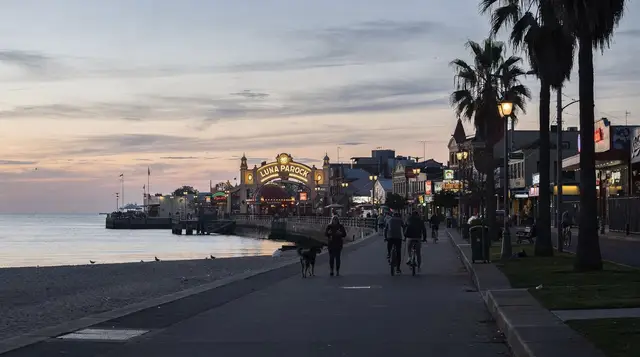
Further along the bay, St Kilda rewards a longer break, and Luna Park is a recognisable landmark to aim for on the way out. A coffee stop helps too: the Melbourne coffee guide will point you to somewhere good rather than leaving the choice to chance, which suits a ride that is meant to be unhurried.
Choosing the right season and budget for cycling
Season shapes how comfortable the ride feels, so it is worth reading the best time to visit Melbourne page alongside this one. Those riding in the warmer months will find the Melbourne in summer guide useful for planning around the heat, while the winter guide helps with layers and shorter days if you are here in the cooler months.
Budget matters as well. A guided tour buys local knowledge and a planned route, whereas self-guided hire keeps costs down; the Melbourne on a budget guide helps you decide where a paid tour is worth it and where your money is better spent elsewhere. Families should also read the Melbourne with kids guide before choosing a format, since it shows what else suits younger travellers on days when the bikes stay parked.
Going further on two wheels
Once you have tried a short tour and enjoyed it, the Capital City Trail cycling guide is the natural next step. It treats the longer circuit in far more detail than a tour page can, and it is a good way to turn a single guided outing into a self-led day on the bike later in your trip. Many visitors find that a guided tour gives them the confidence, and a feel for the local rules of the road, to ride alone afterwards.
The bottom line
Cycling is one of the more efficient ways to see Melbourne beyond the immediate CBD core, particularly for reaching bayside highlights like Brighton’s bathing boxes that are otherwise awkward to combine with a CBD-focused day. Choose electric assist if effort, heat or time are concerns, a classic pedal tour if you’re a confident casual cyclist wanting a lower-cost option, or self-guided rental if you’d rather set your own route and pace along the Yarra or the bay.
More tours on Viator
Top-rated experiences with verified reviews, bookable on Viator (a Tripadvisor company).


Frequently asked questions about Bike tours in Melbourne
Do I need experience to join a Melbourne bike tour?
No — most guided tours use a relaxed pace on shared paths and quiet streets suited to casual riders, not experienced cyclists. Electric-assist bikes further lower the fitness bar, making tours accessible to a wide range of ages and fitness levels.What's the difference between a classic and electric bike tour in Melbourne?
A classic bike tour uses standard pedal bikes over a shorter, flatter route (typically CBD and immediate riverside); an electric bike tour covers more ground in the same time, useful for reaching Brighton's bathing boxes or St Kilda and back without the effort a standard bike would require over that distance.Where do Melbourne bike tours start?
Most CBD-based bike tours depart from a central meeting point near Federation Square or Southbank, with bikes and helmets supplied — you don't need to bring your own equipment for a booked group tour.Can I hire a bike and ride myself without a guide?
Yes — Melbourne has dedicated bike-share and rental options, and the Yarra riverside and bayside paths from Southbank to St Kilda and Brighton are well-suited to self-guided riding for anyone comfortable navigating with a phone map.Is it safe to cycle in Melbourne's CBD?
Dedicated bike lanes and shared paths cover much of the riverside and bayside routes, but CBD streets mix cyclists with cars and trams, including tram tracks that can catch bike tyres if crossed at a shallow angle — always cross tram tracks as close to a right angle as possible.What should I wear on a Melbourne bike tour?
Comfortable closed-toe shoes and layered clothing given Melbourne's changeable weather; helmets are legally required for cycling in Victoria and are supplied on guided tours, so you don't need to bring your own.
Top experiences
Bookable activities with verified prices and instant confirmation on GetYourGuide.