Best walking tours in Melbourne (and how to pick one)
Melbourne: Melbourne free walking tour
Duration: 3 hours
What's the best walking tour in Melbourne?
For a first visit, a general CBD history-and-laneways walking tour covering Flinders Street, Hosier Lane and the arcades gives the broadest orientation in 2-3 hours. If you only have time for one paid tour, a street-art walk led by a working artist or an Aboriginal heritage walk through the Royal Botanic Gardens both go deeper than a general tour and are consistently rated above the generic city loop options.
Why walking beats almost everything else for a first Melbourne day
| Free tour | ~3 hours, tip-based (around AUD 15-25/person is fair) |
| Paid general tour | Around AUD 30-90/person, smaller groups |
| Specialist tour | Street art or Aboriginal heritage, up to around AUD 100/person |
| Booking | Free tours turn-up-and-join; paid specialist tours book ahead on weekends |
| Wear | Flat comfortable shoes, a light layer regardless of forecast |
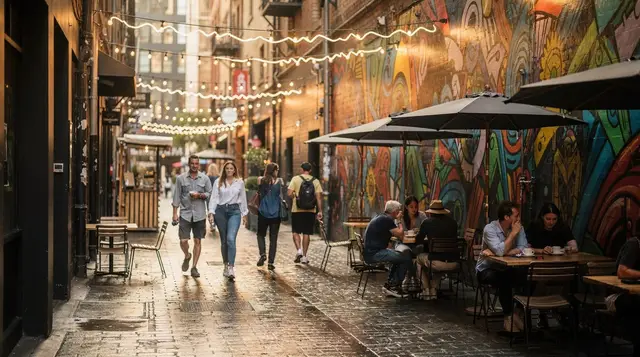
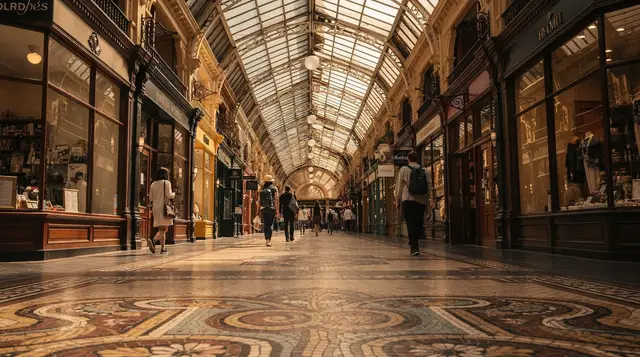
Melbourne’s central business district was laid out on the Hoddle Grid in 1837, with a secondary grid of narrow lanes threaded between the main streets specifically to move goods and services — and it’s those lanes, not the wide boulevards, that hold most of the city’s character today: Hosier Lane’s rotating street art, Degraves Street’s café tables spilling onto cobblestones, and the ornate Victorian-era arcades (Block, Royal, Centre Place) tucked between department stores. None of this is visible from a moving vehicle.
A walking tour, whether free or paid, is genuinely the most efficient way to see Melbourne’s actual personality rather than its skyline, and this guide breaks down the realistic options so you can pick the one that matches your time, budget and interests.
Free walking tours: what you actually get
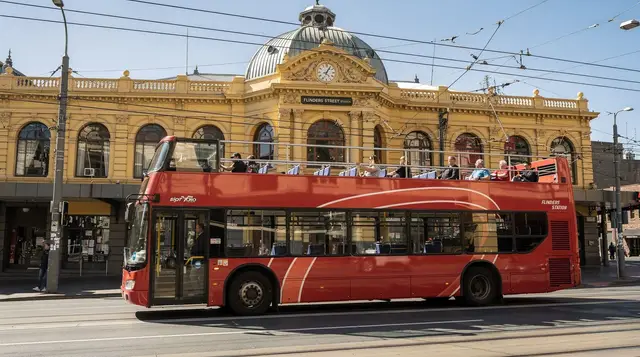
Melbourne has run a free (donation-based) general walking tour for years, typically departing from near the City Circle Tram stop close to Flinders Street Station most mornings. Guides are usually enthusiastic locals working for tips rather than a wage, and the tour covers a broad sweep of CBD history and highlights over roughly three hours: colonial-era buildings, the gold rush wealth that built much of the CBD’s grand Victorian architecture, Flinders Street Station’s story, and a loop through several laneways including a stop in Hosier Lane.
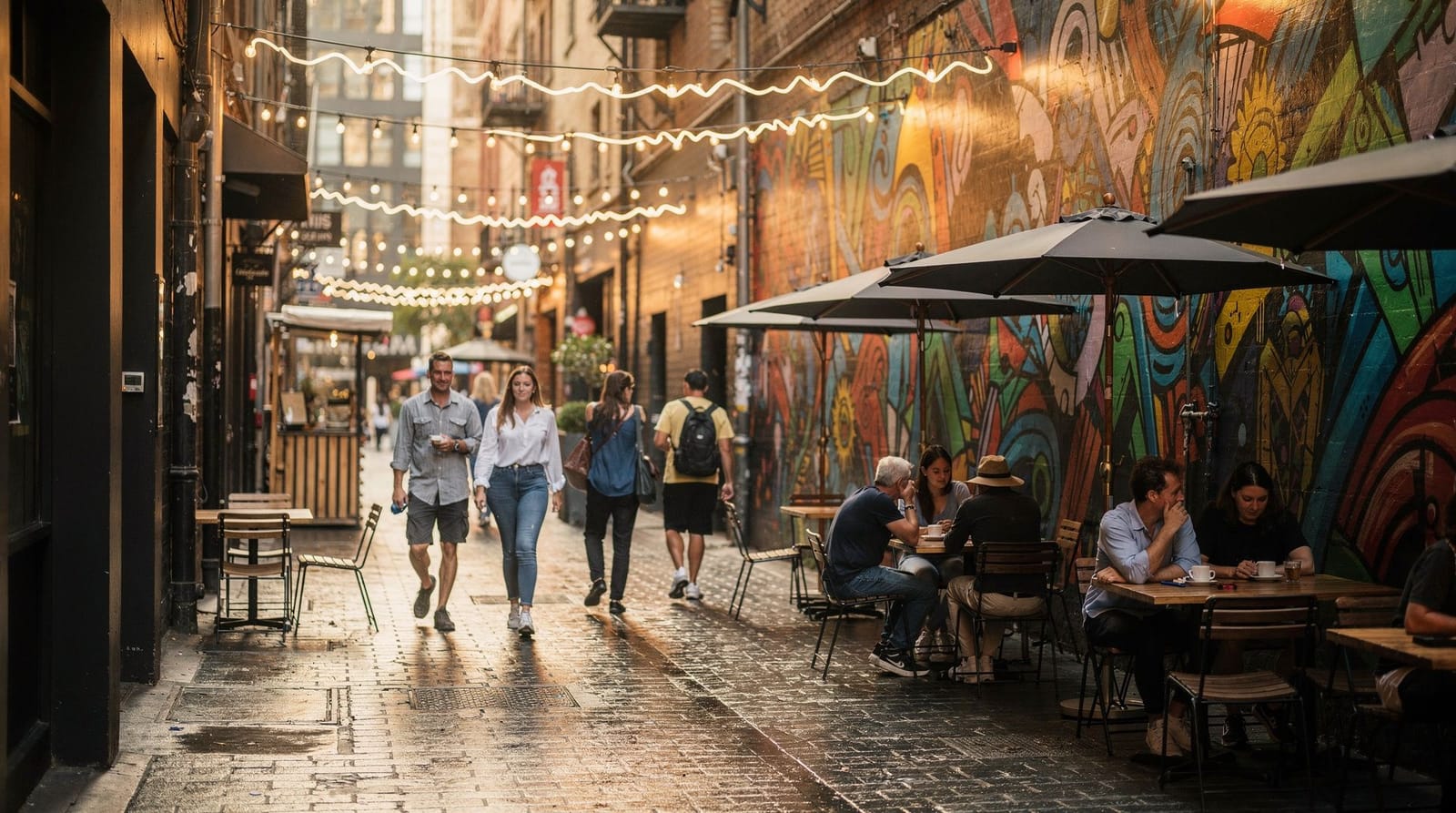 Melbourne free walking tourCheck availability
The honest trade-off: because it’s free and open to anyone who turns up, group sizes can run larger than a paid small-group tour, and the route is necessarily general rather than specialised. It’s an excellent first-morning orientation, less good if you already know the basics and want depth on one specific theme (street art, food, Aboriginal history).
Paid general history and highlights tours
A step up from the free tour, small-group paid CBD walking tours cover similar historical ground but with smaller numbers, tighter guiding, and sometimes minor extras like a coffee stop or arcade detour built into the route.
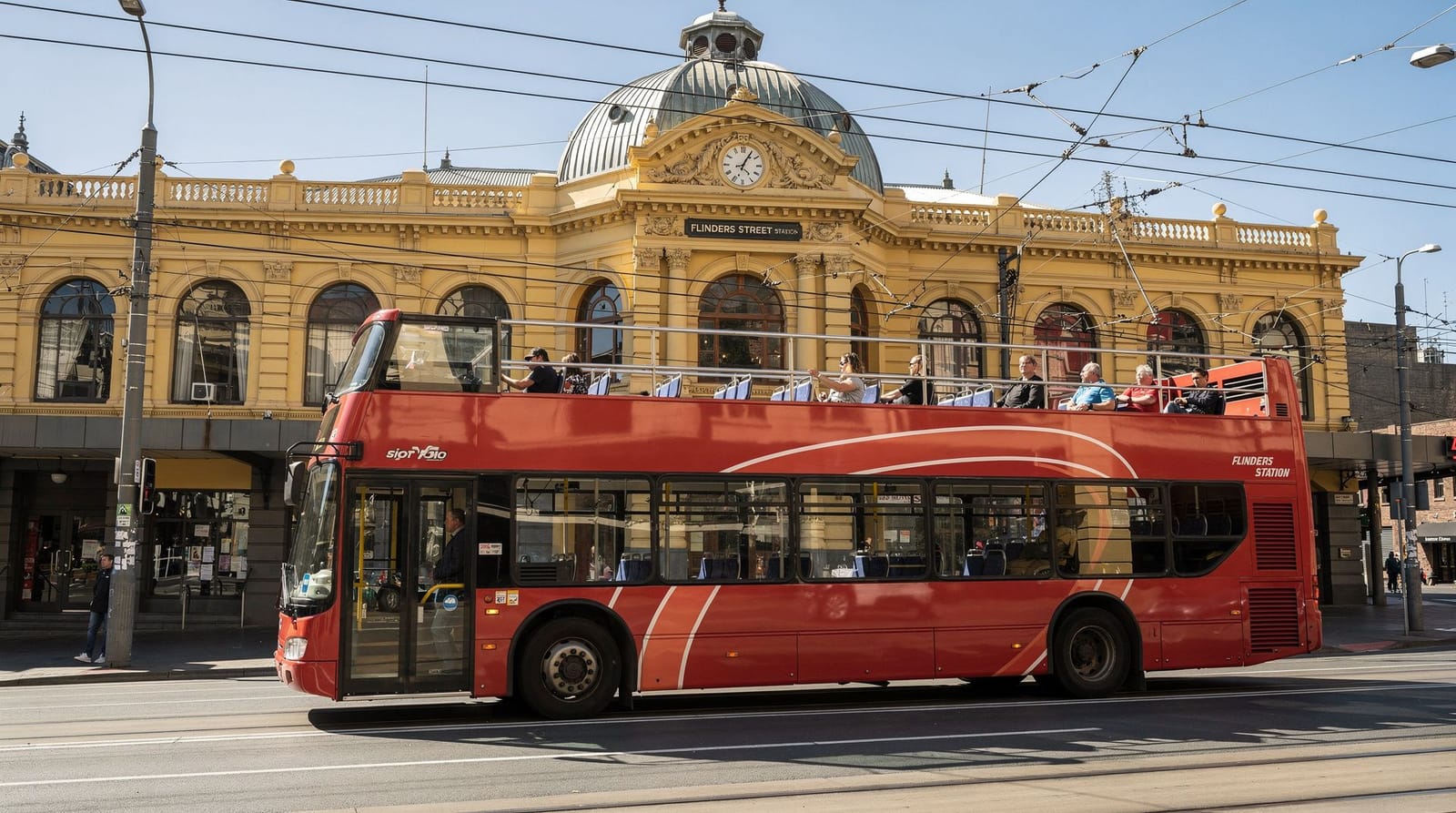 Melbourne city highlights walking tourCheck availability
These work well for travellers who want a guided overview but prefer a capped group size and a slightly more curated pace than the free option, without paying the premium of a specialist thematic tour.
Street art walks led by a working artist
Melbourne’s street art scene — legal and semi-legal murals rotating constantly through Hosier Lane, AC/DC Lane and the wider laneways network — genuinely benefits from a guide who understands the technique and the local scene’s politics (what’s commissioned, what’s illegal, what gets painted over within weeks). Tours led by a practising street artist go well beyond “here’s a wall” commentary, explaining stencil work versus freehand, the difference between graffiti and street art in how Melbourne’s council treats each, and pointing out pieces by internationally recognised artists that a casual visitor would otherwise walk straight past.
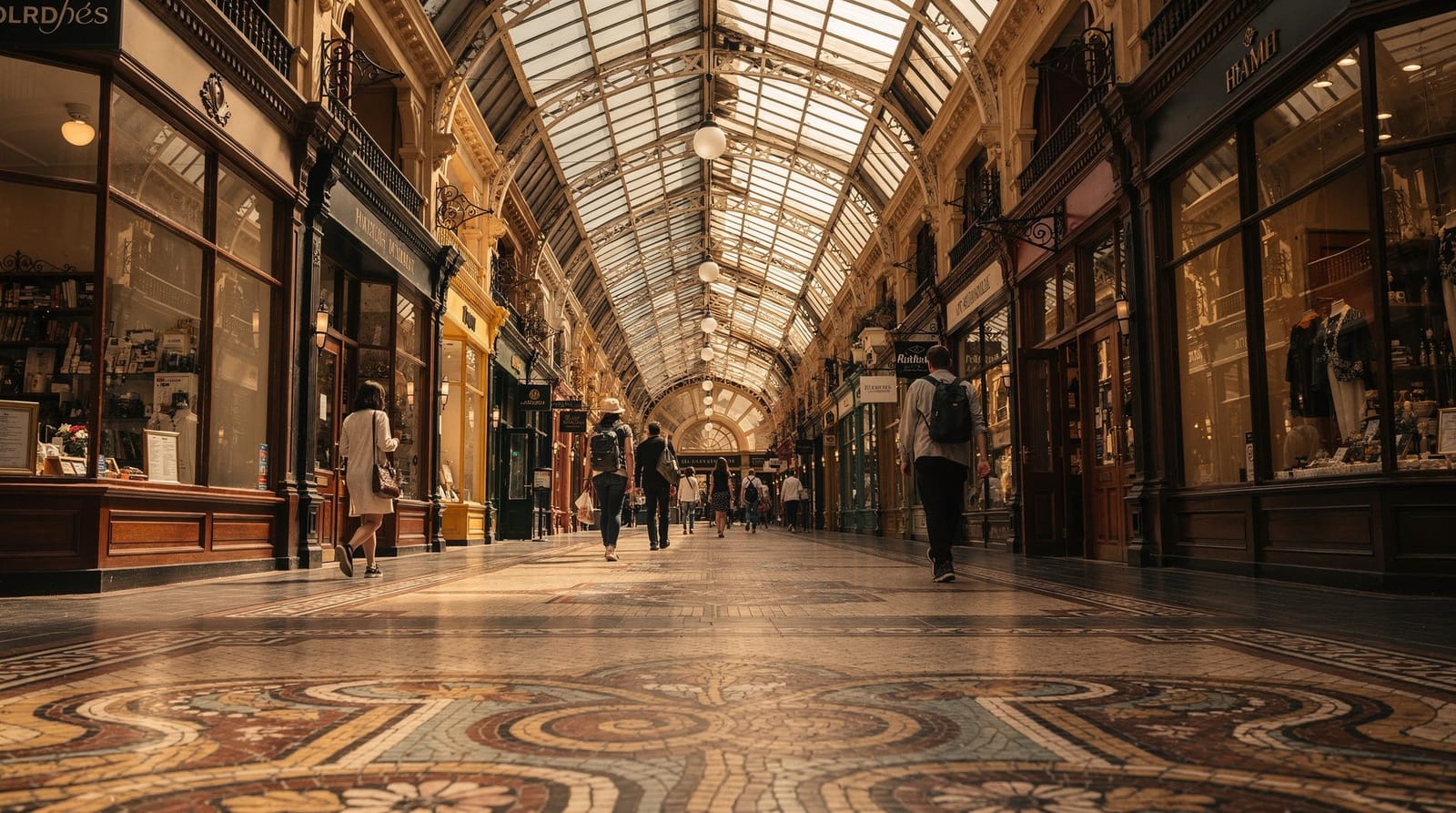 Melbourne street art walking tour with a street artistCheck availability
This is consistently one of the highest-rated tour formats in Melbourne precisely because the guide’s personal expertise adds a layer no generic walking tour can replicate — worth prioritising if street art is any part of your interest in the city.
Aboriginal heritage walks
A genuinely different angle on the same city: Aboriginal-guided heritage walks, most notably through the Royal Botanic Gardens, cover the Traditional Owner history of the land the CBD now sits on — bush food and medicine plants, pre-colonial land use along the Yarra (“Birrarung”), and the cultural significance of the river and its surrounds to the Wurundjeri people of the Kulin Nation. It’s a shorter format than the general history walks (typically around an hour) but adds a dimension almost entirely missing from mainstream Melbourne sightseeing, and pairs naturally with a stroll through the gardens themselves afterward.
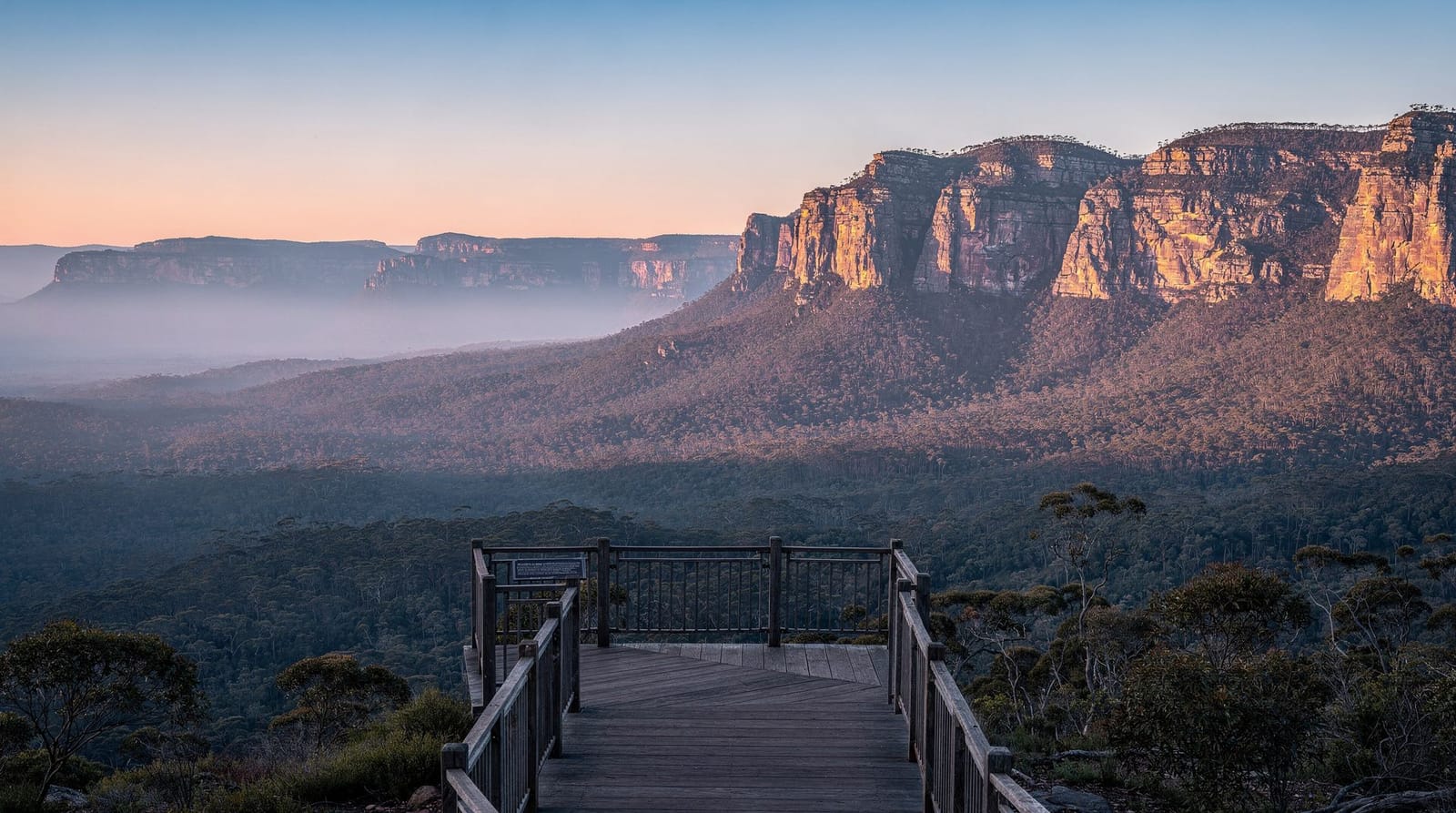 Melbourne aboriginal heritage walking tourCheck availability
Comparing the formats at a glance
| Format | Length | Group size | Best for |
|---|---|---|---|
| Free general tour | ~3 hours | Can reach 20-30+ | First orientation, tight budget |
| Paid general tour | ~2-3 hours | Roughly 8-15 | Capped group, similar ground to the free tour |
| Street art walk | ~2-3 hours | Small, often single-digit | Anyone interested in Melbourne’s visual culture |
| Aboriginal heritage walk | ~1 hour | Small | A genuinely different angle, pairs with the Gardens |
For a genuinely first-time visitor with limited time, doing the free tour on day one and, if a second walk fits the schedule, a street-art walk on a different day covers Melbourne from two very different angles without overlap.
Where walking tours fit against other city-tours options
If you’d rather cover ground on wheels than on foot, bike tours hit similar CBD and riverside territory faster and with less fatigue, while a Yarra River cruise gives a seated, water-level alternative view of the skyline. For evenings, ghost tours apply the same guided-walk format to Old Melbourne Gaol’s darker history rather than daytime laneways. None of these formats compete directly with a daytime laneways walk — they’re complementary rather than substitutes, and a well-planned multi-day itinerary can realistically fit two or three different formats without repeating ground.
Practical planning notes
Timing: Book morning slots in summer (December-February) to avoid the day’s heat, and afternoon slots in winter (June-August) when mornings can be genuinely cold and grey before midday. Melbourne’s “four seasons in one day” reputation is not an exaggeration — carry a light rain layer regardless of the forecast.
Booking lead time: Free tours are largely turn-up-and-join; specialist paid tours (street art, Aboriginal heritage) cap group sizes and sell out on weekends and school holidays, so book at least a day or two ahead if your dates are fixed.
Accessibility: Most CBD walking routes are on flat, paved ground, though some laneways have uneven cobblestones and narrow footpaths that can be tight for wheelchairs or prams during busy periods — check with the specific operator if mobility is a concern.
Combining with other activities: A morning walking tour pairs naturally with an afternoon at the Queen Victoria Market district for lunch, or with Fitzroy and Collingwood if you want to extend the laneway-and-street-art theme into the inner-north café scene later in the day.
A brief history of Melbourne’s walking-tour scene
Melbourne’s free walking tour movement grew out of the broader global “free tour” phenomenon that spread through European backpacker circuits in the 2000s before reaching Australia, and it has stuck here longer and more successfully than in many cities precisely because Melbourne’s laneway network rewards slow, guided exploration so well. The paid specialist tour scene — particularly street-art walks — developed later, as the city’s legal street-art policy matured through the 2000s and 2010s and Hosier Lane’s international reputation grew, creating genuine demand for guides who could speak knowledgeably about specific artists and pieces rather than general history alone.
Aboriginal heritage walking tours are a more recent and still-growing addition to the scene, reflecting a broader shift in how Melbourne’s tourism industry represents the deeper history of the land the city occupies — worth supporting specifically if you want your visit to engage with that layer of the city’s story rather than only its colonial-era and contemporary layers.
What guides actually earn, and why tipping matters on free tours
It’s worth understanding the economics behind the free tour model before joining one: guides on genuinely free walking tours are typically paid entirely or almost entirely through tips, working on a similar model to some restaurant service staff in tipping-culture countries, rather than drawing a fixed wage from the tour company. This means a fair tip — most locals suggest somewhere in the 15-25 AUD per person range for a good three-hour tour, adjusted for your budget and how much you enjoyed it — isn’t optional generosity so much as the actual mechanism by which the guide is compensated for their time and expertise.
Paid tours build the guide’s wage into the upfront ticket price instead, which is worth factoring into a fair comparison of “free” versus “paid” options: the free tour isn’t actually free once you tip appropriately, it just shifts payment to the end of the experience and lets you calibrate the amount to quality received.
Group size and how it affects your experience
One practical factor worth weighing when choosing between tour types is group size. Free general tours, being open to anyone who shows up, can swell to 20-30 people or more on a busy weekend, which genuinely affects how well you can hear the guide and how much individual attention or question time you get. Paid small-group tours typically cap numbers somewhere between 8 and 15 people, and specialist tours (street art, Aboriginal heritage) often run even smaller, sometimes single-digit group sizes — a meaningful difference if you value being able to ask questions and have a genuine two-way conversation with your guide rather than simply listening to a broadcast at the back of a large crowd.
If a smaller, more intimate experience matters more to you than saving money, this is the single clearest reason to choose a paid tour over the free alternative.
Combining a walking tour with a laneway food crawl
If food is as much a priority as history and street art, a dedicated food-and-laneways tour bundles CBD walking with tastings at a handful of stops — a good option for travellers who’d rather combine two interests into one booking than fit a separate food tour and a separate walking tour into the same trip. It runs a similar length to the general history tours but trades some architectural commentary for a slower, more food-focused pace, worth choosing over a general tour specifically if trying local food matters more to you than covering the widest possible historical ground.
Weather contingencies
Given Melbourne’s genuinely unpredictable conditions, it’s worth asking any tour operator about their wet-weather policy before booking, particularly for street-art tours where much of the appeal is visual and outdoor. Most walking tour operators run rain or shine, adjusting the route to favour covered arcades and awninged laneways during a downpour rather than cancelling outright, since Melbourne’s laneway network conveniently includes enough covered sections to keep a tour largely dry even in poor weather. Confirm this specifically if you’re booking well in advance and the forecast looks unsettled, since policies do vary by operator and it’s better to know before the day than to be surprised.
Walking tours for solo travellers
Melbourne’s walking tour scene is particularly well suited to solo travellers, more so than many guided-tour formats that implicitly assume couples or groups. Free tours in particular attract a genuinely international, mixed solo-and-group crowd, making them a low-pressure way to meet other travellers on the first day of a trip if that’s something you’re looking for — striking up a conversation with the person next to you during a break is entirely normal tour etiquette here, not an imposition. Paid small-group tours work equally well solo, since per-person pricing doesn’t carry the same “single supplement” penalty common in some other travel categories like cruises or package tours.
If meeting people is part of your goal alongside the sightseeing itself, mentioning this to your guide at the start (most are happy to make informal introductions during breaks) can turn a walking tour into a genuinely social start to your Melbourne stay.
Choosing between multiple tours if you have several days
For visitors staying four days or more with a genuine interest in going deep on Melbourne’s walking-tour scene, a sensible sequence avoids repeating the same ground twice: start with the free general tour on day one for broad orientation, follow with a street-art walk on a different day once you already know the laneways layout (so the artist-led commentary adds new depth rather than re-covering ground), and finish with the shorter Aboriginal heritage walk through the Royal Botanic Gardens on a day when you’re also planning to spend more time in that part of the city.
Spacing the tours across different days rather than stacking two or three in a single day avoids guide-commentary fatigue and gives each format room to make its own distinct impression rather than blurring together in memory.
The bottom line
Melbourne rewards walking more than almost any other Australian city, precisely because its best features — laneways, arcades, rotating street art, colonial-era architecture — are scaled for pedestrians rather than vehicles. Start with the free general tour if budget and time are tight, upgrade to a street-art or Aboriginal heritage walk if you want real depth on one theme, and treat a bus or tram loop as a supplement for covering ground between walks rather than a substitute for walking the laneways themselves.
More tours on Viator
Top-rated experiences with verified reviews, bookable on Viator (a Tripadvisor company).


Frequently asked questions about Best walking tours in Melbourne (and how to pick one)
Are there free walking tours in Melbourne?
Yes — Melbourne has a long-running free (tip-based) walking tour covering CBD history, laneways and culture, departing from the City Circle Tram stop area most days. It typically runs around three hours; guides work for tips, so budget 15-25 AUD per person as a fair contribution if you enjoyed it.How much do paid walking tours cost in Melbourne?
Small-group paid tours typically run 30-90 AUD per person depending on length and inclusions (food, drinks, entry fees). Specialist tours — a working street artist leading a laneway walk, or an Aboriginal-guided heritage walk — sit toward the upper end of that range because of the expertise involved, but rarely exceed 100 AUD for a 2-3 hour walk.How long do Melbourne walking tours usually run?
Most general CBD tours run 2-3 hours; specialist food or bar-crawl walking tours often stretch to 3 hours with multiple stops; a focused street-art or heritage walk can be as short as 60-90 minutes. Check the specific listing, since duration varies more than with, say, a fixed bus tour.Do I need to book Melbourne walking tours in advance?
Free walking tours are usually turn-up-and-join, though checking the meeting time online avoids missing the start. Paid small-group tours (especially street-art and food walks, which cap group size) fill up on weekends and during school holidays, so booking a day or two ahead is worth it in peak season.Is a walking tour better than a hop-on hop-off bus in Melbourne?
For the CBD core, generally yes — Melbourne's laneways, arcades and street art are only fully appreciated on foot, and a bus can't stop inside Hosier Lane or Centre Place. See our separate page on hop-on hop-off options if you want the bus-based alternative for comparison.What should I wear or bring on a Melbourne walking tour?
Comfortable flat shoes are non-negotiable given cobbled laneways, and a layer for wind is worth it even in summer — Melbourne's famous changeable weather doesn't pause for tour groups. Sunscreen year-round is a good habit given the UV index, even on cool days.Can I do a walking tour with young children?
General CBD tours are fine for most families, since the pace is unhurried and stops are frequent, but 2-3 hours of walking can be a lot for younger kids. The shorter Aboriginal heritage walk through the Royal Botanic Gardens, at around an hour, is often a better fit for families with smaller children.Do walking tours run in the rain?
Most do, adjusting the route to favour covered arcades and awninged laneways rather than cancelling outright, since Melbourne's laneway network includes enough covered sections to keep a tour largely dry even in a downpour. Confirm the operator's wet-weather policy if you're booking well ahead and the forecast looks unsettled.
Top experiences
Bookable activities with verified prices and instant confirmation on GetYourGuide.