Yarra River cruises: sightseeing, sunset and dinner options compared
Melbourne: Highlights of melbourne river cruise
Duration: 2 hours
Are Yarra River cruises worth it in Melbourne?
Yes for a relaxed, seated alternative to walking — a one to two hour sightseeing or sunset cruise from Southbank shows the CBD skyline, Docklands and the river's working-port history for roughly 30-45 AUD, and is a genuinely different perspective on the city rather than a filler activity. Dinner cruises cost significantly more (often 100 AUD-plus) and suit a special occasion more than a first-time sightseeing goal.
Why the Yarra is worth seeing from the water, not just the bank
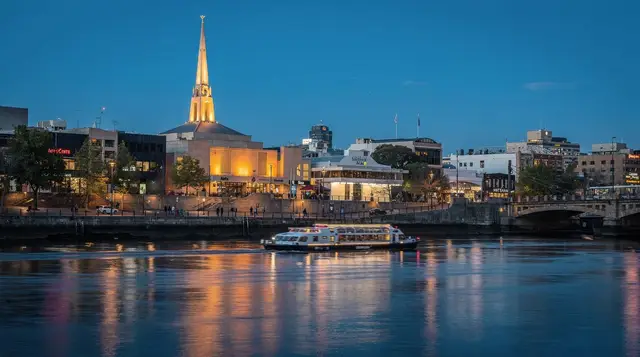
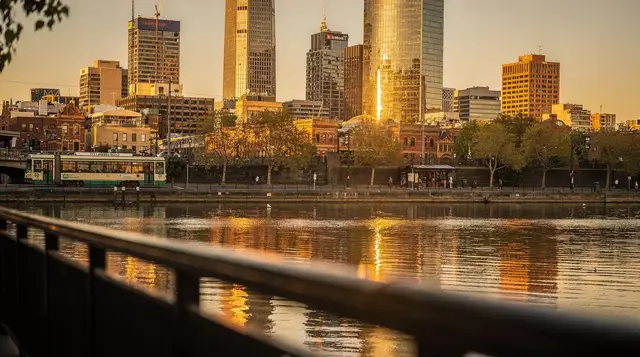
Locals joke that the Yarra is “the river that flows upside down” because of its naturally murky brown colour, and first-time visitors sometimes dismiss it as unremarkable compared with Sydney’s harbour. That undersells what a cruise actually delivers: a genuinely different vantage on the CBD skyline than you get from any bridge or riverside path, a working history as a 19th-century port that shaped where the city’s warehouses, wharves and now-fashionable Docklands precinct sit, and — on the right evening — one of the better sunset views in the city with none of the walking effort.
A cruise is not essential to a Melbourne trip the way a laneway walk arguably is, but it’s a relaxed, low-effort couple of hours that photographs well and gives your legs a rest partway through a busy sightseeing day.
| Where | Southbank promenade, near Princes Bridge or Federation Wharf |
| Cost | Around 30-45 AUD sightseeing/sunset; 100+ AUD dinner cruise |
| Time needed | 1-1.5 hours sightseeing/sunset; 2.5-3 hours dinner cruise |
| Getting there | Short walk from Flinders Street Station |
| Best time | Sunset departure for the best light and photos |
Where cruises depart and what a basic sightseeing trip covers
Most operators depart from the Southbank promenade, a short walk from Flinders Street Station across Princes Bridge, or from Federation Wharf nearby. A standard sightseeing cruise runs roughly 1-1.5 hours and traces the river from the CBD core out toward Docklands, passing under several of the city’s bridges, alongside the Southbank arts precinct towers, and giving a good look back at Eureka Tower from water level — genuinely a different angle than looking up at it from the street.
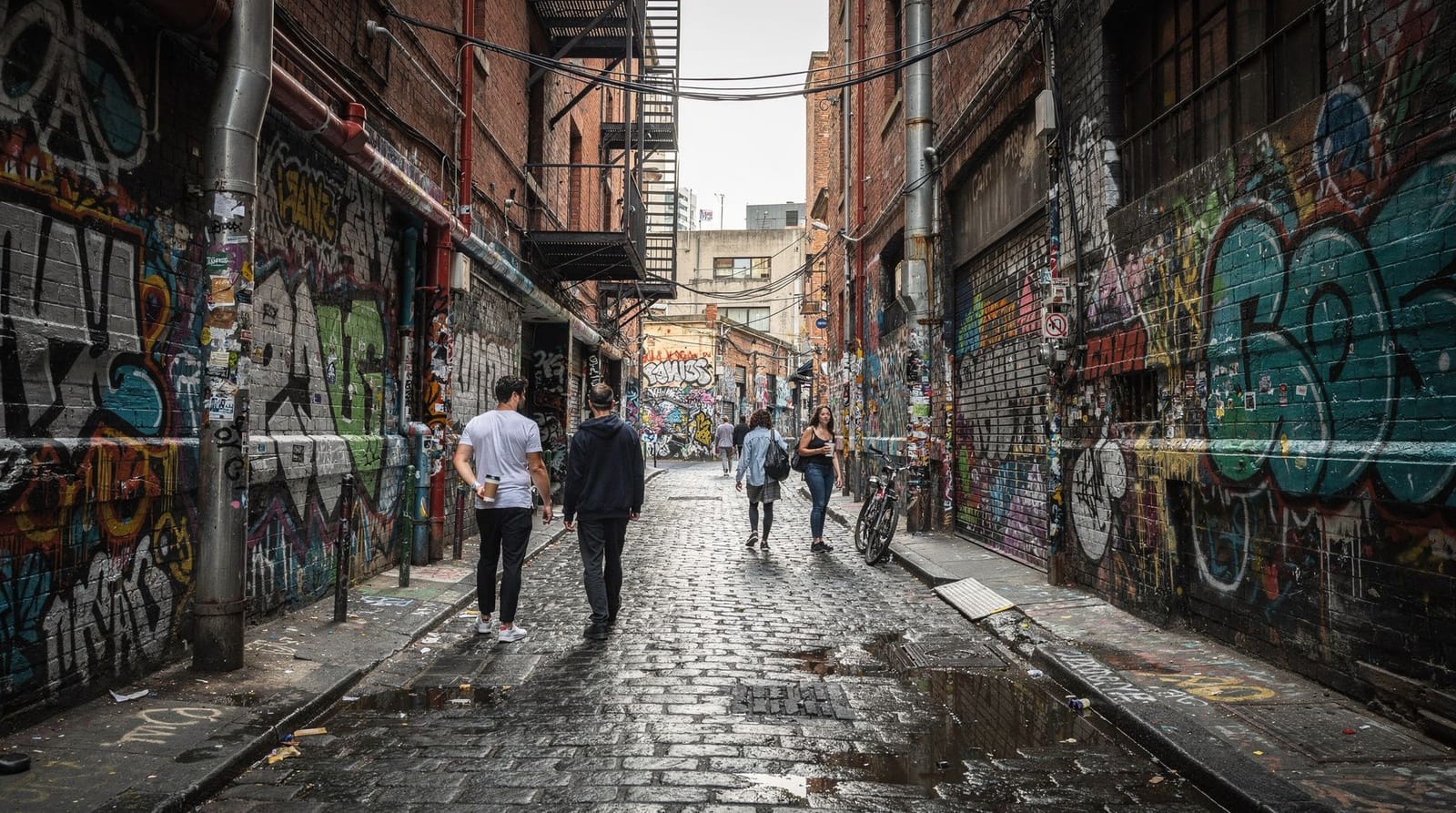 Highlights of melbourne river cruiseCheck availability
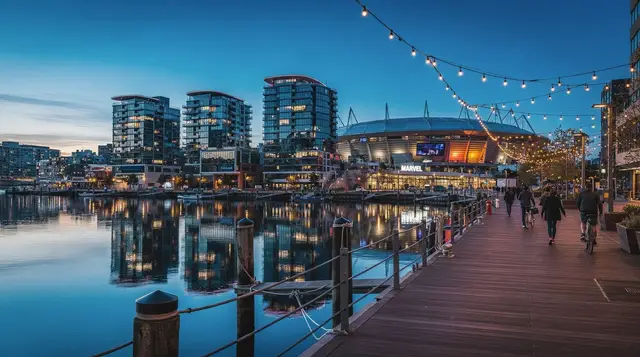
Commentary typically covers the river’s colonial-era role moving wool, gold and goods before rail took over, why the CBD grid sits where it does relative to the original riverbank (which has been re-engineered more than once over the past 150 years), and points out landmarks like the Melbourne Convention Centre, Docklands Stadium in the distance, and the old finger wharves now converted to apartments and offices.
Sunset cruises: the upgrade that’s genuinely worth it
For a similar or only slightly higher price than a daytime sightseeing cruise, a scenic sunset departure times the return leg to catch the CBD’s glass towers turning gold, then the city lights coming on as you head back to Southbank. Given Melbourne’s long summer evenings (sunset well after 8pm in December-January) versus short winter ones (sunset around 5pm in June-July), check the specific sailing time relative to sunset for your travel dates rather than assuming a fixed “evening” slot automatically catches the light.
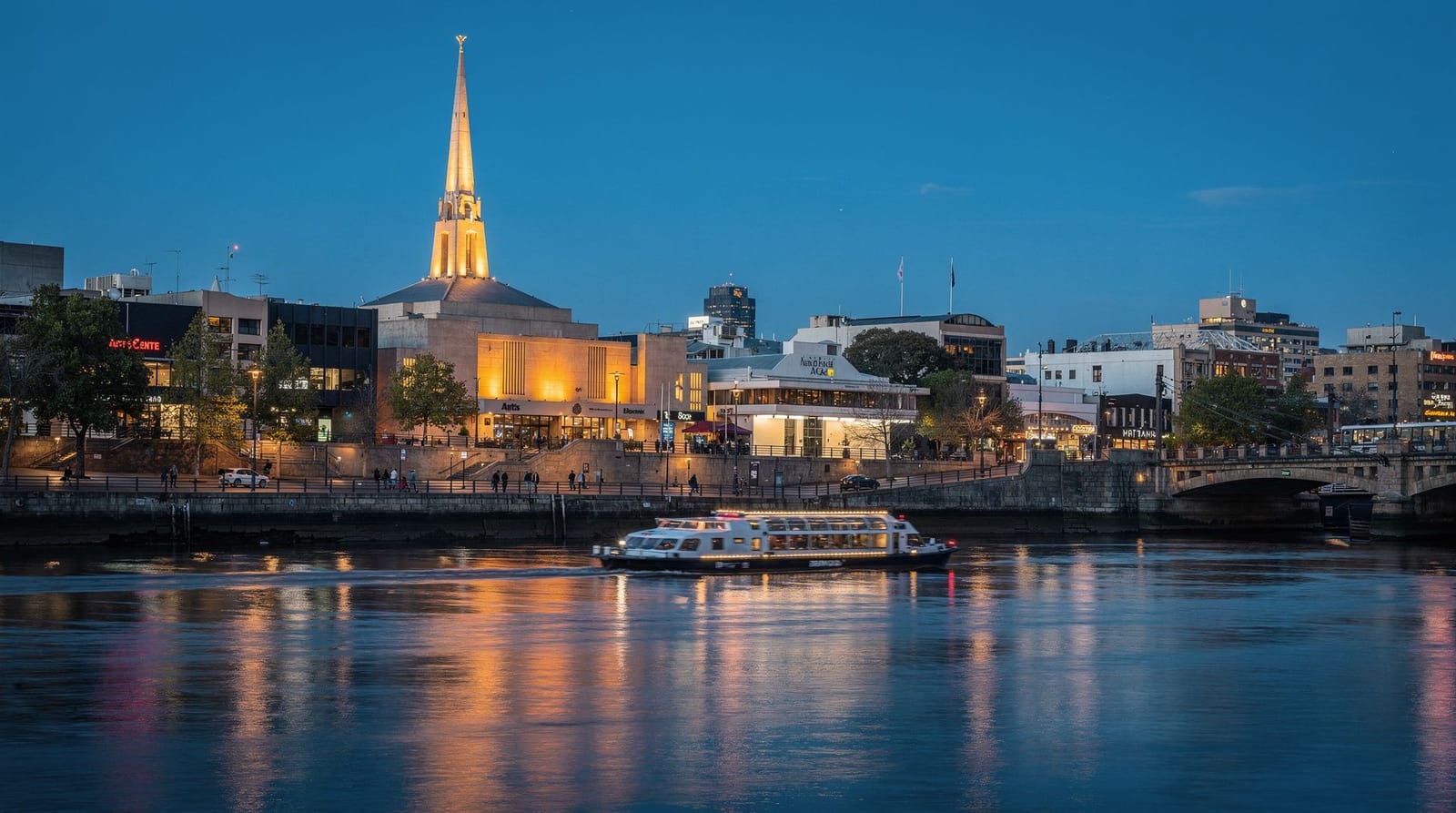 Yarra river 15 hour scenic sunset public cruiseCheck availability
For travellers wanting a more premium version of the same idea — a smaller vessel, better seating, sometimes a glass of wine included — a luxury sunset option exists at a step up in price, worth it for an anniversary or special-occasion evening rather than a routine first-timer’s cruise.
book a luxury Yarra sunset cruiseDinner cruises: a special-occasion category, not a default choice
At the top end, full dinner cruises run 2.5-3 hours with a multi-course meal, drinks packages and a longer river route, often extending further upstream past parkland stretches that shorter cruises don’t reach. These sit well above 100 AUD per person once food and drinks are included, and honestly make more sense as an anniversary, proposal or milestone-birthday booking than as a first-time Melbourne sightseeing activity — the food, while generally solid, is priced closer to a special-event restaurant than a casual dinner, and you’re paying substantially for the setting and occasion rather than pure culinary value.
 Melbourne dinner cruise with a 4 course meal and drinksCheck availability
If a full dinner cruise feels like overkill but you still want food on the water, some operators offer a shorter cheese-and-wine or canapé format at a lower price point and duration — worth checking current listings for a middle option between the basic sightseeing ticket and the full dinner package.
Active alternatives: kayaking the Yarra yourself
If a seated cruise feels too passive, the Yarra also supports self-paddled options — kayak tours ranging from a relaxed sightseeing paddle to a moonlight version with a small group, giving a genuinely different, quieter perspective than a motorised cruise vessel, particularly upstream stretches away from the CBD’s noise. These require a reasonable fitness level and aren’t weather-independent the way a covered cruise boat is, but reward a bit more effort with a much closer-to-the-water experience.
Comparing the options at a glance
| Option | Duration | Price | Best for |
|---|---|---|---|
| Basic sightseeing cruise | 1-1.5 hours | Around 30-40 AUD | First orientation, any time of day, cheapest entry point |
| Sunset cruise | Around 1.5 hours | Similar or slightly higher | Best value upgrade — same route, materially better light |
| Luxury sunset cruise | Around 1.5 hours | Premium | Smaller vessel, better seating, special evenings |
| Dinner cruise | 2.5-3 hours | 100+ AUD | Anniversaries and milestones, not routine sightseeing |
Practical tips
Book the sunset slot deliberately. Because sunset time shifts by hours between December and June, don’t assume “the evening cruise” automatically means golden light — check the specific departure time against sunset for your travel dates.
Dress for river-level wind. Even on a warm day, open-deck sections of the boat catch more wind than street level; bring a light layer regardless of season, and something warmer in winter (June-August) when river-level cold is noticeably sharper than in the city itself.
Combine with a Southbank walk. Since most cruises depart from Southbank, pairing a cruise with a stroll through the arts precinct or a visit to Eureka Skydeck either side makes efficient use of the trip to that part of the city.
Weekday afternoons are quieter. Weekend sailings, especially sunset slots in summer, book out further ahead; a weekday departure gives more flexibility on availability and sometimes a less crowded boat.
Where a Yarra cruise fits in your itinerary
A daytime cruise pairs naturally with a morning laneways walking tour — walk the CBD in the morning, cruise the river in the early afternoon, and you’ve covered the city from both a pedestrian and a water-level perspective in a single day. A sunset cruise works well as the closing activity on a Southbank-focused day that also includes the Queen Victoria Market district for lunch and an evening stroll afterward.
For visitors weighing a cruise against other on-the-water city-tours options, see our guides to bike tours and hop-on hop-off alternatives for how the different sightseeing formats compare on cost and coverage.
Booking tips and what to check before you pay
Before booking any Yarra cruise, confirm three things directly with the operator or listing: the exact departure point (Southbank promenade versus Federation Wharf makes a meaningful walking difference depending on your accommodation), whether the stated duration includes boarding and disembarking time or only the time actually underway, and what’s included versus what costs extra (a glass of wine included in the base price versus a full bar tab, for instance, changes the effective value considerably). Cancellation and weather-related rescheduling policies are also worth checking, particularly if you’re booking a specific sunset slot weeks ahead and want flexibility if the forecast turns genuinely poor by the day itself.
Cruises for families and groups
Basic sightseeing and sunset cruises work well for families, with most vessels offering open deck space that children generally enjoy for the movement and views, plus indoor or covered seating for anyone who prefers shelter from wind or sun. Dinner cruises are a harder fit for young children given the longer duration, formal multi-course service pacing, and evening timing that can run past younger kids’ bedtimes — a basic sightseeing or early sunset cruise is the more practical family choice.
For groups celebrating an occasion, most operators can accommodate group bookings across all cruise types, and some offer private charter options for larger parties wanting the whole vessel to themselves rather than sharing with the general public sailing that day — worth asking about directly if privacy or a specific group size is a priority.
How Yarra cruises compare with river cruises in other cities
Visitors who’ve done river cruises in cities like Amsterdam, Bangkok or Sydney (Darling Harbour) sometimes arrive with specific expectations worth recalibrating slightly for Melbourne. The Yarra is narrower and more intimate than Sydney Harbour, meaning cruise routes stay closer to both banks throughout rather than opening onto a wide harbour vista — a genuinely different, more enclosed feel that some travellers prefer for its sense of moving directly through the city rather than alongside it from a distance.
Compared with a canal city like Amsterdam, the Yarra’s commercial and recreational use is lighter, meaning less passing boat traffic and a generally calmer ride, though also somewhat less of the constant visual activity a busier waterway provides.
Setting expectations around “intimate city river” rather than “grand harbour” or “bustling canal” gives the most accurate sense of what a Yarra cruise actually delivers.
A short history of the Yarra as a working river
Understanding why the Yarra looks and functions the way it does today adds real context to a cruise commentary. Before Melbourne existed, the river (Birrarung to the Wurundjeri people of the Kulin Nation, its Traditional Owners) was a vital freshwater and food source, with a natural falls near the current CBD marking the tidal limit — a detail that shaped exactly where the colonial settlement was founded in 1835.
Through the 19th century, the Yarra became a genuinely industrial waterway: wool, gold and general cargo moved along it to wharves that once lined the banks where cafés and apartment towers now stand, and the river’s course itself was straightened and re-engineered more than once to improve navigation and reduce flooding, meaning the “natural” river you see from a cruise boat today is considerably more human-shaped than it first appears.
The murky brown colour that gives rise to jokes about the river flowing upside down is largely a function of fine clay sediment suspended in the water rather than pollution — the Yarra is cleaner than its colour suggests, and swimming and paddling events do take place in it periodically.
Weather and seasonal cruise conditions in detail
Summer (December-February): the longest daylight hours of the year mean sunset cruises run later in the evening — often not until well past 8pm in December-January — giving a genuinely long warm evening on the water, though open-deck sections can feel hot during the daytime cruises at the height of the afternoon.
Autumn (March-May): widely considered Melbourne’s most pleasant season generally, and river cruises benefit from typically calmer, clearer conditions than summer’s occasional haze, with sunset shifting earlier through the season.
Winter (June-August): shorter days mean sunset cruises run mid-to-late afternoon rather than evening, and river-level cold is genuinely sharper than the equivalent temperature on land — pack for it seriously rather than assuming a jacket that’s fine for a city walk will be enough on an open deck.
Spring (September-November): changeable like summer but generally milder, with occasional squally weather that can affect open-deck comfort more than the cruise’s actual operation, since most vessels run regardless of light rain.
Photography tips for a Yarra cruise
The river offers genuinely different photo opportunities depending on your position and the time of day. Shooting from the rear of the boat as it moves away from a landmark generally gives more stable, better-composed shots than trying to capture something rushing toward you at the bow. Late-afternoon and sunset departures give the CBD’s glass towers a golden-hour glow that flat midday light can’t replicate, and the transition from daylight to the city’s lights coming on is one of the more reliably good phone-camera moments available anywhere in Melbourne. A polarising lens attachment, if you have one, cuts glare off the water noticeably better than shooting through unfiltered glass or open air on a bright day.
The bottom line
A Yarra River cruise isn’t a must-do the way the laneways or the MCG arguably are, but for the modest price of a basic sightseeing or sunset trip, it’s a genuinely worthwhile couple of hours that shows Melbourne from an angle almost no other activity does. Skip the full dinner cruise unless you’re marking an occasion specifically, and prioritise a sunset departure over a daytime one if your schedule allows the choice — the light difference is the single biggest value lever on this activity.
More tours on Viator
Top-rated experiences with verified reviews, bookable on Viator (a Tripadvisor company).


Frequently asked questions about Yarra River cruises
How long is a Yarra River cruise?
Basic sightseeing cruises typically run 1-1.5 hours; scenic sunset cruises run around 1.5 hours timed to catch the light; full dinner cruises with a multi-course meal run 2.5-3 hours including boarding and disembarking time.Where do Yarra River cruises depart from in Melbourne?
Most cruises depart from the Southbank promenade near Princes Bridge or Federation Wharf, both a short walk from Flinders Street Station — easy to combine with a Southbank or Eureka Skydeck visit either side of the cruise.What do you see on a Yarra River cruise?
The standard route covers the CBD and Southbank skyline, the Docklands waterfront, Herring Island and the river's transition from urban high-rise to quieter parkland stretches further upstream, plus commentary on the Yarra's history as a working port before Melbourne's CBD grew up around it.Is a sunset cruise better than a daytime cruise on the Yarra?
Sunset cruises add genuine value — golden light on the glass towers and city lights coming on as you return is a noticeably better photo and atmosphere payoff than the same route at midday, for a similar or only slightly higher price.Do Yarra River cruises run in winter?
Yes, year-round, though winter (June-August) sailings are shorter-daylight and cooler — dress warmly, since river-level wind chill is more noticeable than on land. Summer (December-February) gives the longest sunset windows and warmest on-deck conditions.Can you combine a Yarra cruise with dinner or drinks?
Yes — several operators run cheese-and-wine, cocktail, or full multi-course dinner cruise formats as an upgrade from the basic sightseeing ticket, worth it for a celebration evening but not necessary for a first orientation cruise.
Top experiences
Bookable activities with verified prices and instant confirmation on GetYourGuide.